


 Переходьте на seedless. Знижка 30% з SWITCH30 до 02 лист.


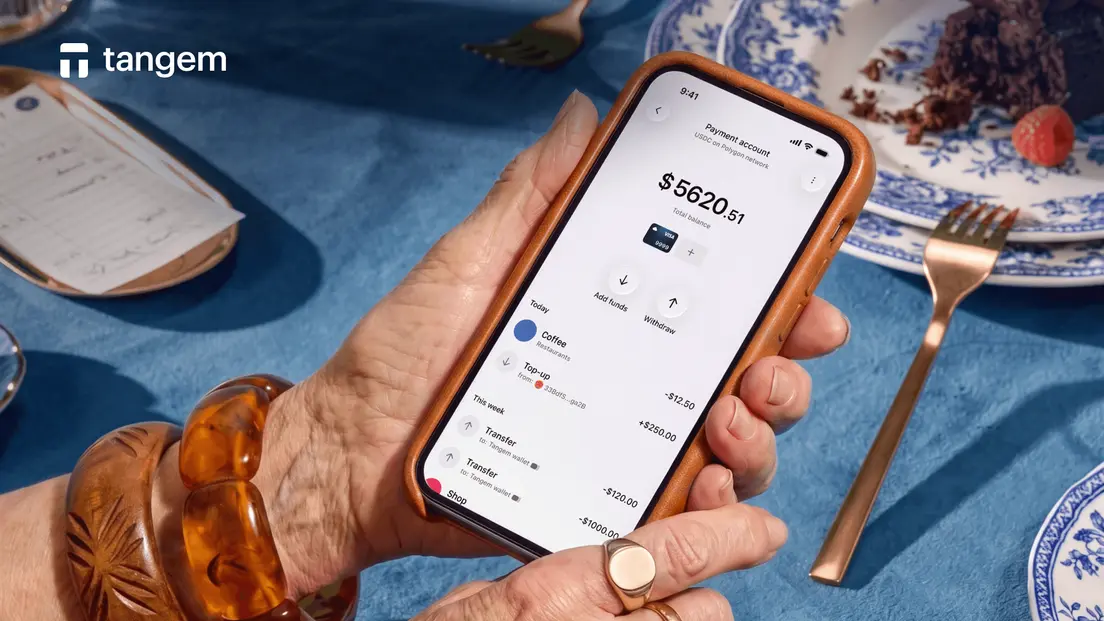
Crypto Contactless Payments: How NFC Crypto Cards Work 2026
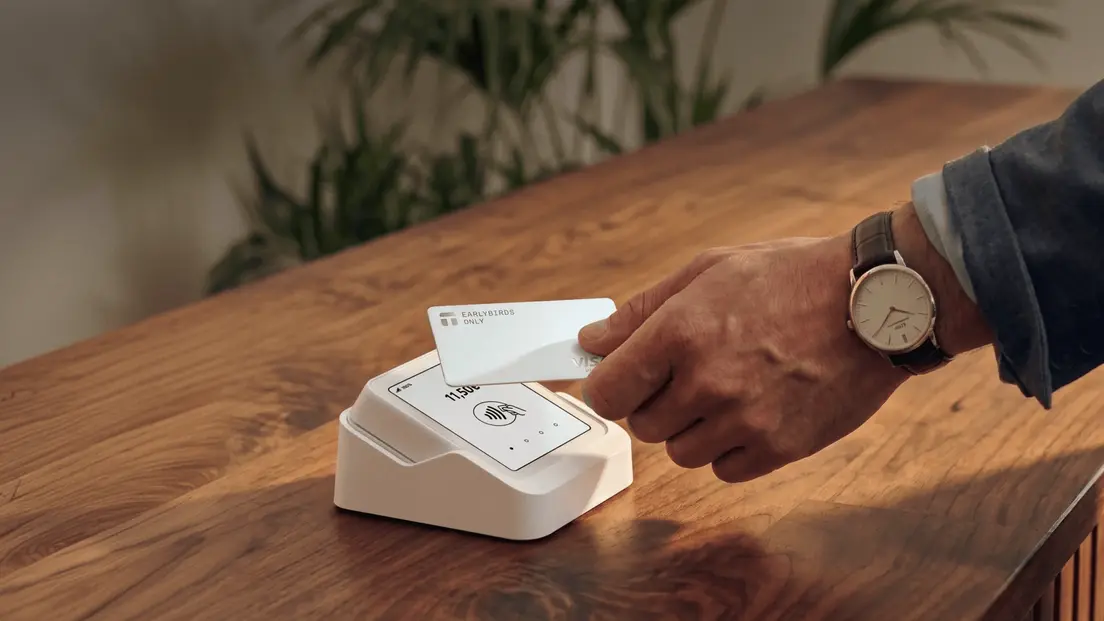
You tap your phone at a coffee shop terminal. The screen shows an approved U.S. dollar payment. Your funds came from a crypto wallet but the merchant sees a standard Visa transaction.
Contactless crypto payments let you spend crypto at any standard payment terminal. The merchant does not need to know that crypto was involved.
A crypto payment card makes this possible. It is a Visa card backed by a crypto wallet instead of a bank account.
Payment gateways such as BitPay, Coinbase Commerce, and NOWPayments let merchants accept crypto directly. A crypto card works differently. It converts your crypto to fiat when you pay, so the merchant never handles crypto.
How Crypto Tap-to-Pay Works
NFC
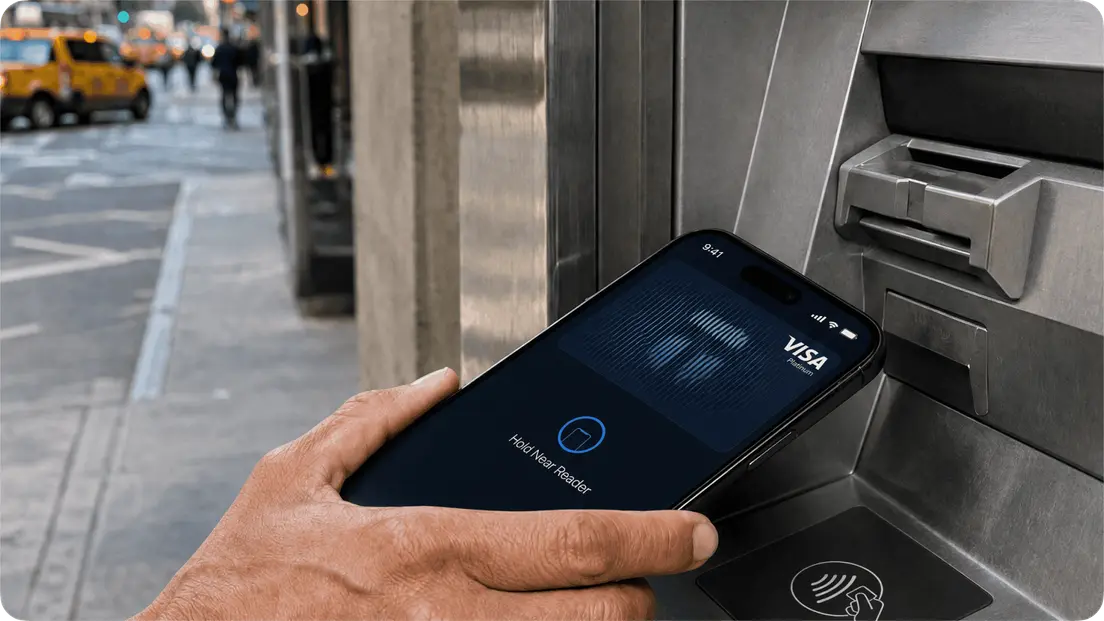
NFC (Near Field Communication) lets your phone and a payment terminal exchange data. Apple Pay and Google Pay use the same standard. Hold your phone near the terminal to send the payment data.
Visa Payment Rails
The card issuer routes your purchase over the Visa network to the merchant. The terminal receives a normal card approval. The terminal never handles cryptocurrency.
Real-Time Conversion
When you tap, the card issuer converts the required amount to fiat. Visa settlement delivers local currency to the merchant. The merchant terminal follows the usual card-payment flow. The conversion happens on the funding side.
In a self-custodial setup, your wallet controls the private key that authorizes the crypto transaction. The merchant never receives or manages the asset.
Tangem Pay
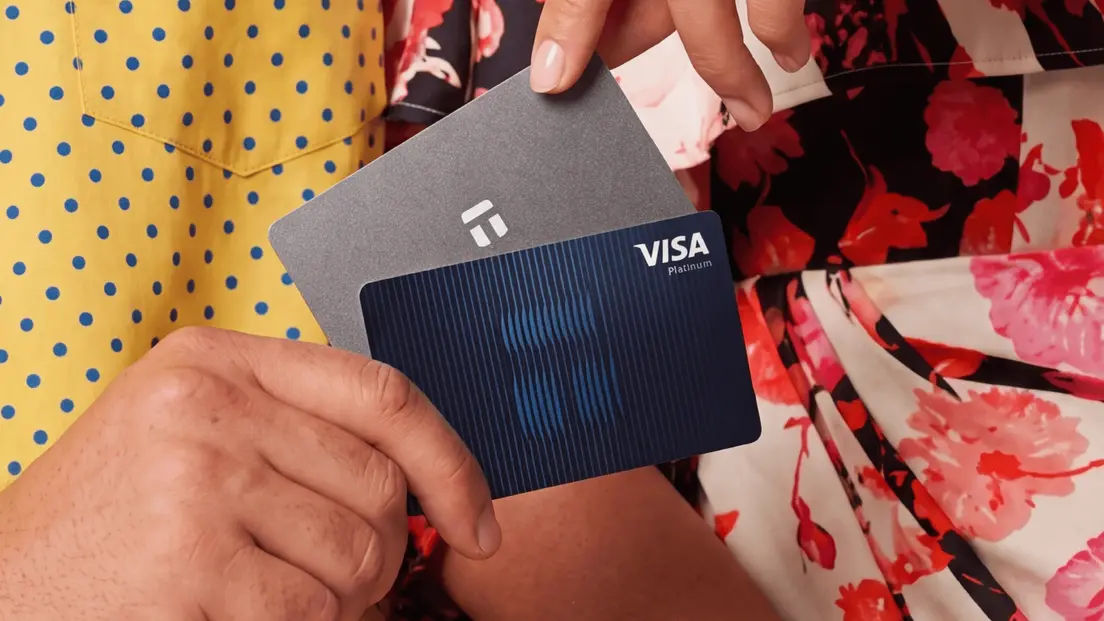
Tangem Pay is an optional, non-custodial, regulated payment feature in the Tangem app. Your funds stay in a smart contract that you control. Tangem Pay supports USDC and USDT on Polygon, Base, and Arbitrum.
Each purchase converts stablecoins to USD. Visa then pays the merchant. The Visa card works with Apple Pay and Google Pay. Use it for online payments and contactless in-store payments.
How to Make a Contactless Crypto Payment
Step 1: Set Up Tangem Pay
You need these items:
- A Tangem hardware wallet (card or ring) or a backed-up Tangem Mobile Wallet
- A supported region
- One-time KYC through Sumsub.
Step 2: Add the Card to Your Phone Wallet
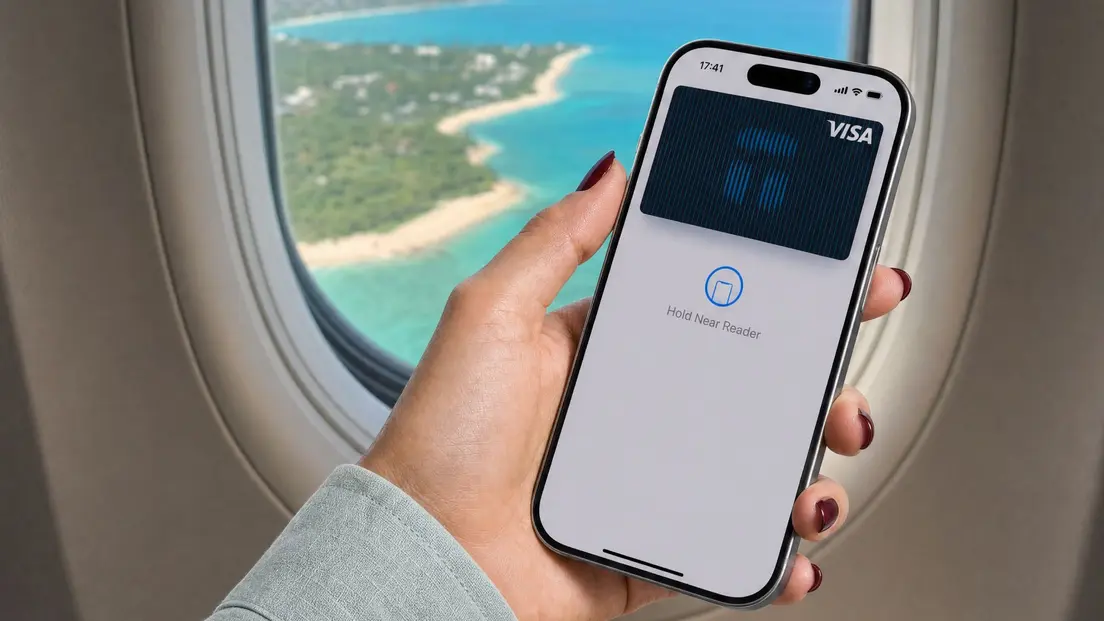
Add the Tangem Pay card details to Apple Pay or Google Pay in the Tangem app.
The card then works like any other card in your phone wallet.
The app runs on iPhone 8 and newer. It also runs on Android 6.0 and later with full NFC support.
Step 3: Tap and Pay
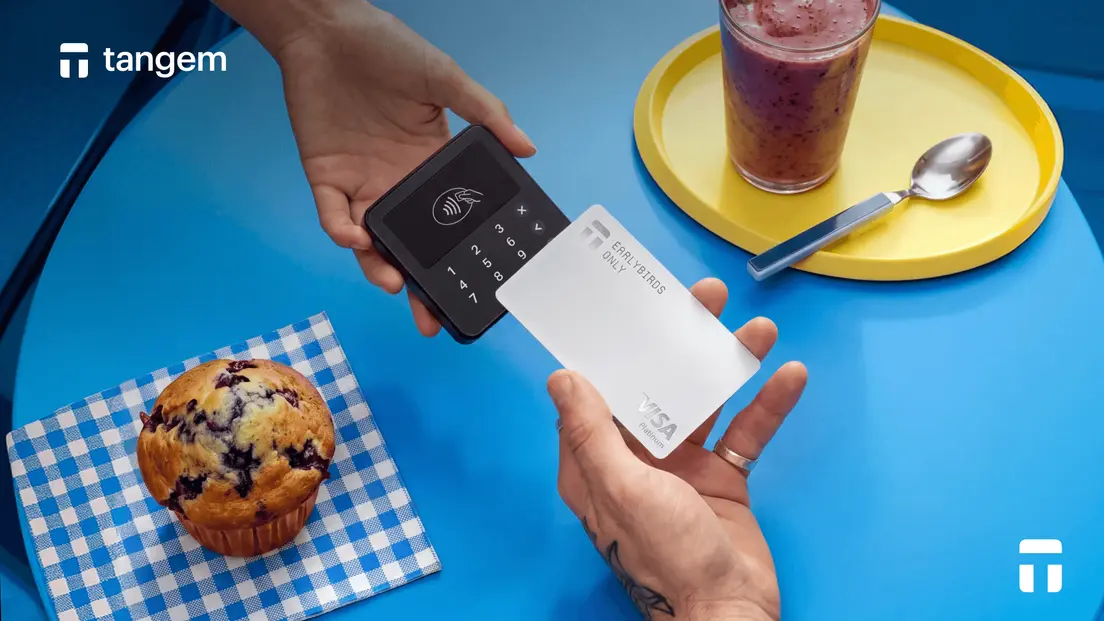
Tap your phone on a compatible terminal. NFC sends the payment data.
Visa authorizes the transaction. The USDC equivalent is removed from your smart contract balance. The merchant sees a standard Visa approval.
Security of Contactless Crypto Payments
Crypto tap-to-pay cards use the same tokenization and PCI-DSS standards as other contactless Visa cards. Self-custody removes exchange counterparty risk. You become responsible for protecting your keys.
Tangem Pay converts USDC to USD at a 1:1 rate at purchase. The terminal sees a normal Visa approval. You choose the funding source, custody, and conversion. A traditional card draws from a bank account that the bank controls.
NFC crypto payments FAQ
-
From the merchant's perspective, yes. Your crypto card uses the same NFC and Visa/Mastercard networks. Your balance converts to fiat when you make the purchase.
-
Tangem Pay is funded with native USDC on the Polygon network. At purchase, that USDC converts 1:1 to USD before the merchant receives local currency.
-
Yes. They use the same tokenization security standards as Apple Pay and Google Pay. Your wallet security still depends on protecting private keys and your recovery method. Hardware-backed wallets also require a physical card tap for transaction signing.
-
Visa contactless terminals process a crypto Visa card like any other Visa card. Spending in non-USD currencies uses standard Visa foreign-exchange rates.


Не пропустіть 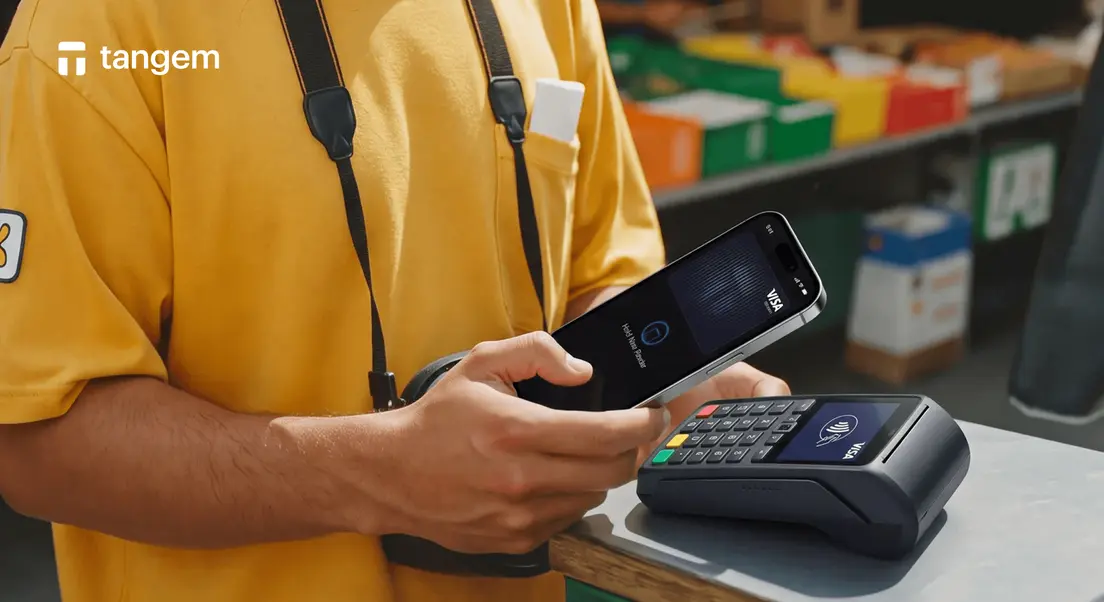



Інші статті

