


 Переходьте на seedless. Знижка 30% з SWITCH30 до 02 лист.


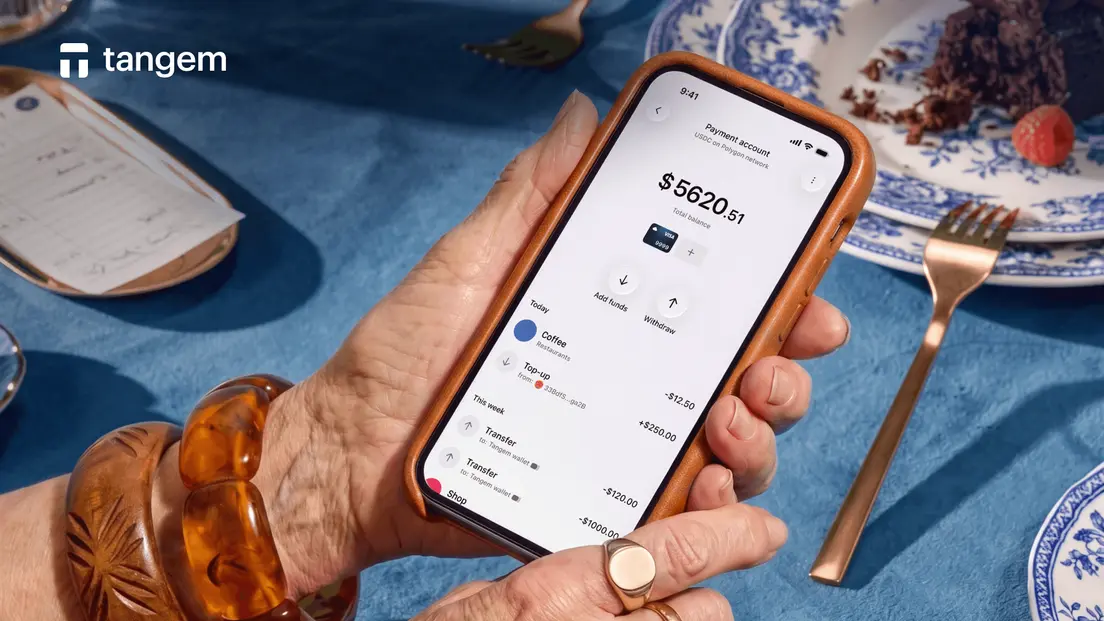
Can You Use USDC While Traveling?

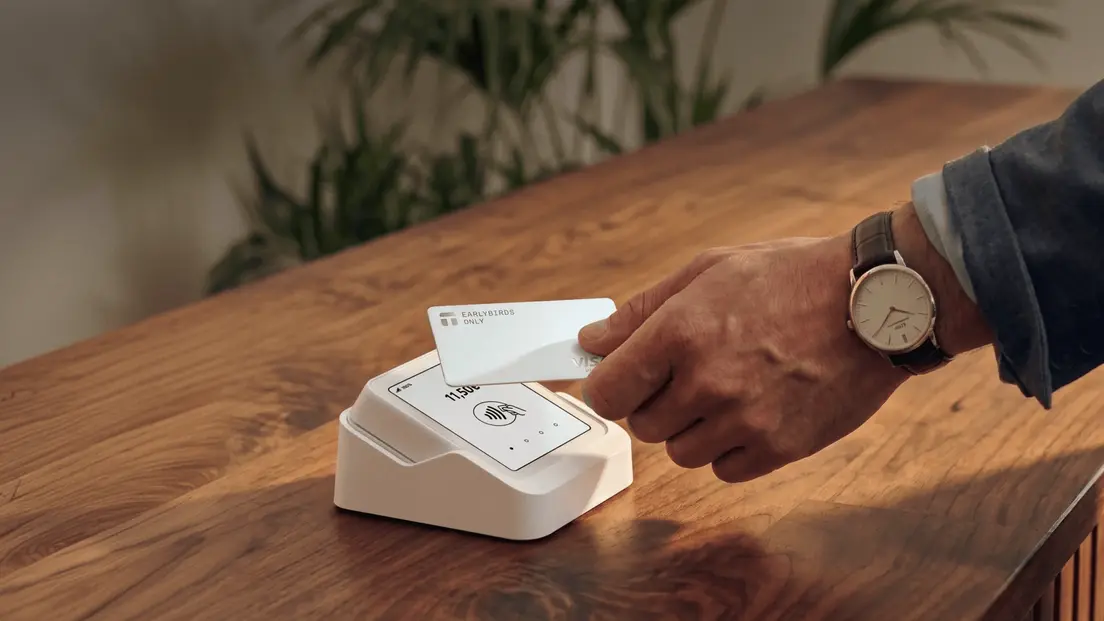
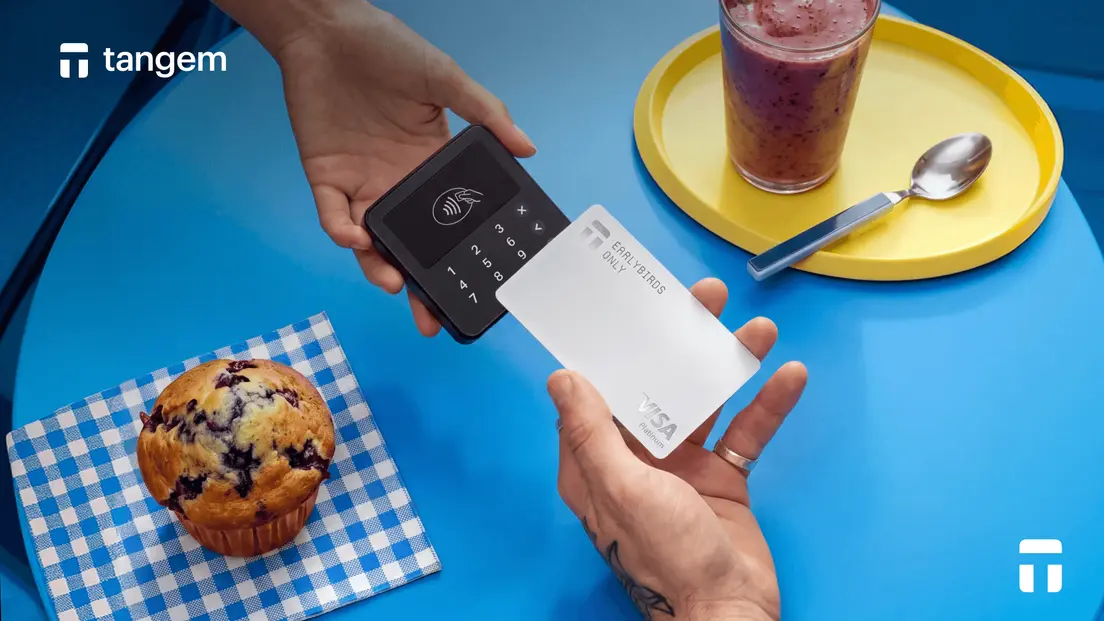
Yes. You can use USDC while traveling by keeping your main balance in a self-custody wallet and moving a travel budget to a USDC-funded card. That card pays merchants via the Visa network, and Tangem Pay supports in-store contactless payments via Apple Pay or Google Pay where available. No exchange booth required.
Yes: here's how USDC works as travel money
USDC tracks the US dollar 1:1. It is a digital token held in a crypto wallet, not physical cash and not a bank deposit. That distinction matters on the road. Most merchants will never accept USDC directly. What makes it usable is a card layer on top: a USDC-funded card converts the token to fiat at checkout, processes the transaction through Visa, and pays the merchant in regular currency.
You never ask a café in Lisbon to accept crypto. The card handles the conversion invisibly. That payment layer bridges USDC and the merchant. USDC is what backs it, maintaining its dollar value as you travel.
Why travelers use USDC
The appeal is stability. Unstable crypto can lose 10% of its value in a day, making budgeting painful. USDC doesn't swing like that. Because it tracks the dollar, you know roughly what your balance is worth when you wake up in a new city.
There's also the bank question. Topping up a conventional travel card usually means a wire transfer, a bank app, or a currency exchange desk. With USDC, you can send funds to yourself from a crypto exchange or wallet with an internet connection. You can do it at any hour. Bank branches and correspondent banking do not set their schedule.
And self-custody means you hold the keys. USDC is still different from cash, though. It requires a device, wallet access, and a supported payment route. Cash-only merchants remain outside its reach.
A simple USDC travel setup
The practical split is straightforward: most of your funds stay in secure storage, and only what you plan to spend moves to a spendable card.
Keep savings in your wallet
Cold storage keeps private keys offline. A hardware wallet signs transactions inside a secure chip without ever exposing those keys to an internet-connected environment. If your phone is compromised or stolen, the keys on the card are unaffected.
Tangem Wallet is a self-custodial hardware wallet built on an NFC-enabled card. Private keys are generated inside a Samsung S3D350A secure-element chip certified at Common Criteria EAL6+, and they never leave it. Transaction signing requires a physical tap of the card to your phone. The wallet supports 16,000+ cryptocurrencies across 91+ blockchain networks, so your USDC holdings sit alongside anything else you're carrying.
If your phone is lost, the keys stay on the card. Install the Tangem app on a new phone, tap the card, and you're back in. Your card provides that recovery path without a cloud backup or a required seed phrase.
Move a travel budget to your card
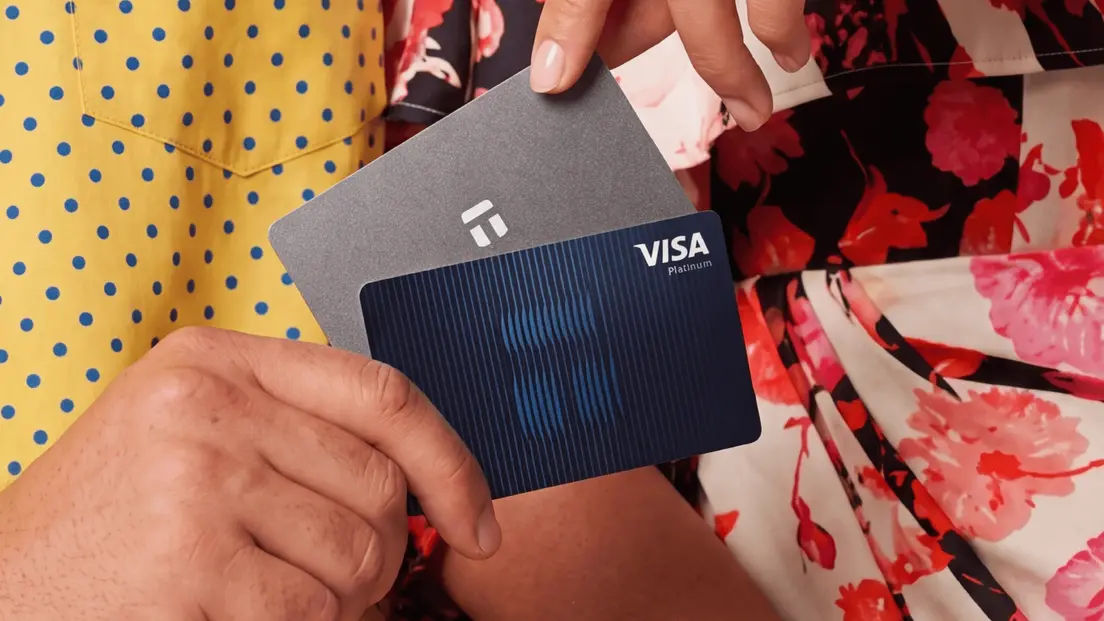
Tangem Pay is a non-custodial payment account embedded in the Tangem Wallet app. It uses a Visa card that you can add to Apple Pay or Google Pay. Funds are held in a smart contract.
Top up on the go
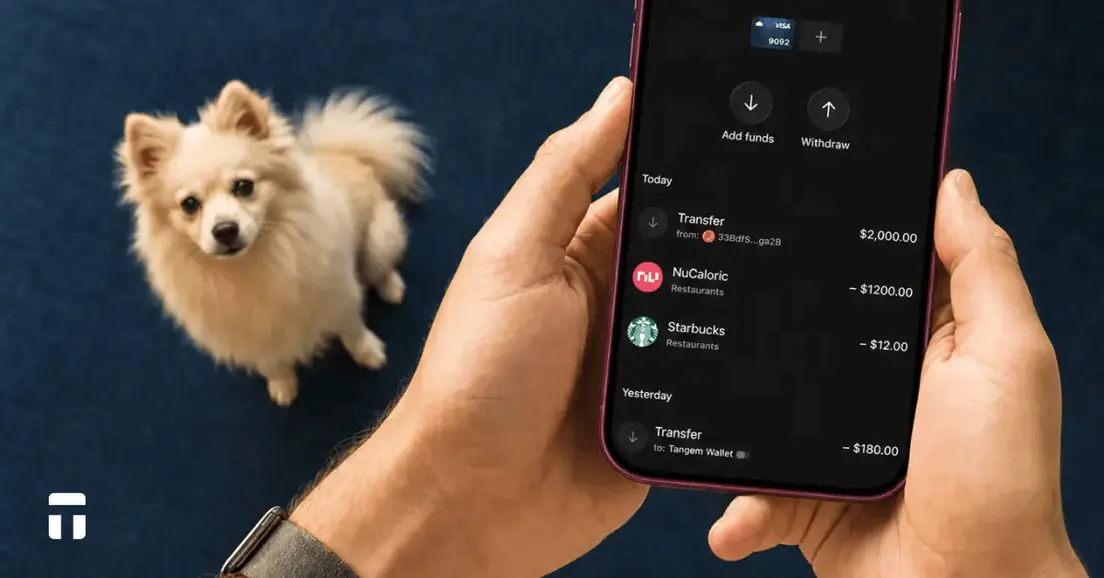
You can top up Tangem Pay by sending USDC or USDT on a supported network, either from your wallet or from a crypto exchange. Supported top-up networks are Base, Arbitrum, BNB Smart Chain, and Polygon. These are all low-fee networks, so a top-up transfer costs a fraction of a dollar in most conditions. You can also swap stablecoins from Tangem Wallet into your card balance directly in the app.
Spending USDC abroad
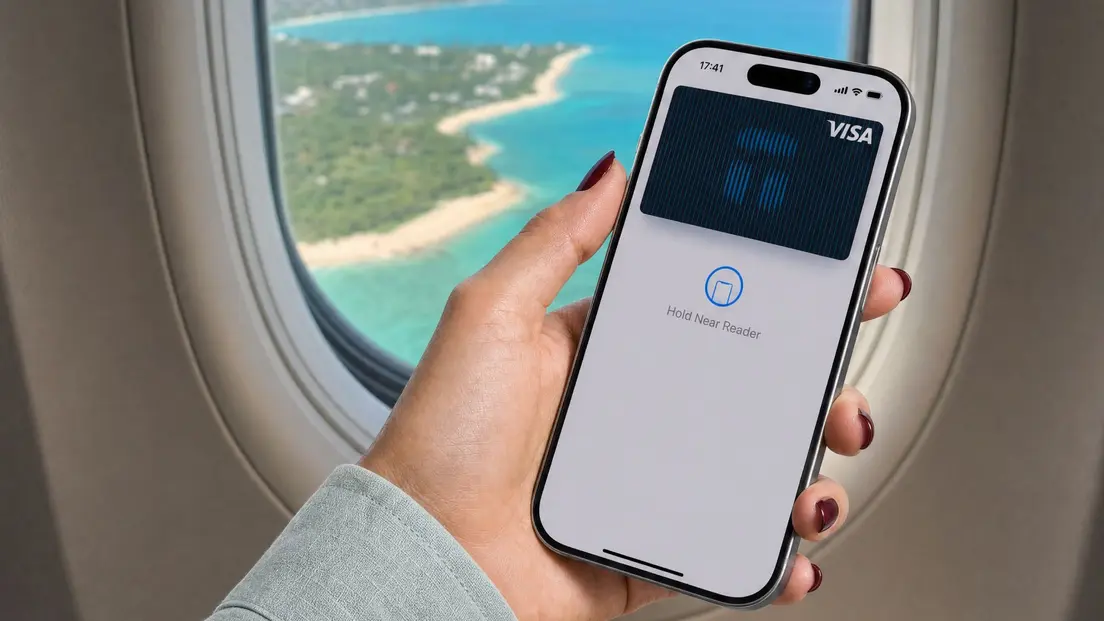
With Tangem Pay, add the card to Apple Pay or Google Pay to make in-store payments where Visa is available. The card handles the conversion in the background. When a terminal asks whether to charge in the local currency or in USD (a choice called dynamic currency conversion), check your payment provider's conversion and cross-border terms before making a choice.
Cash-only merchants and payment methods outside the Visa network remain a limitation. For a broader look at how to spend USDC, including online purchases, check our guide.
Getting local cash
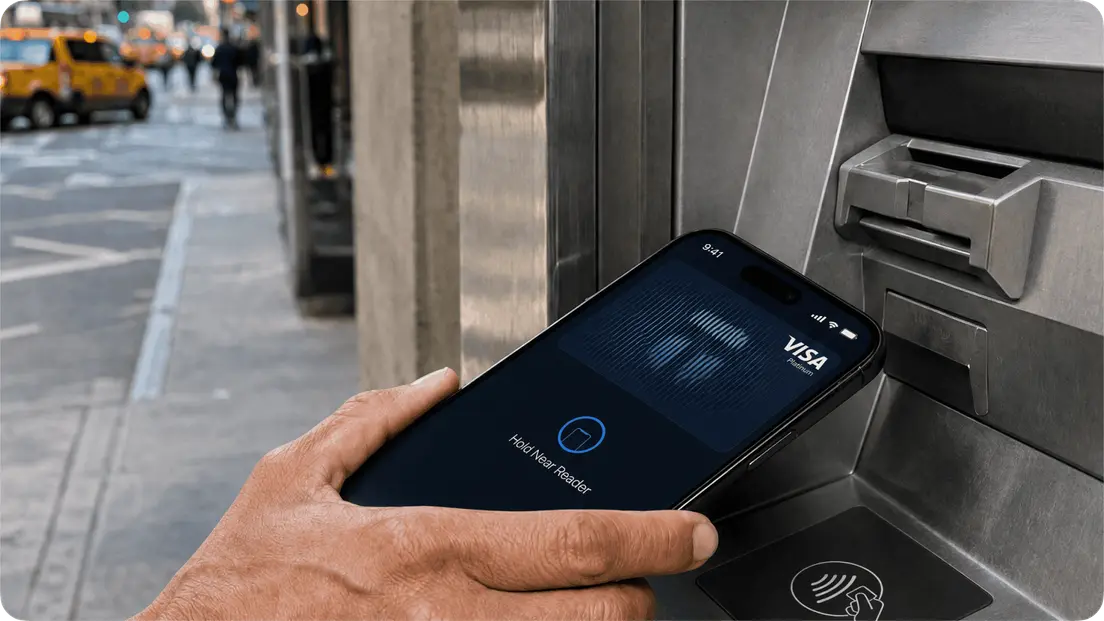
ATM withdrawals with a USDC-funded card depend on the specific card, its issuer, the country, and the ATM operator. There is no universal rule.
Here's what the general pattern looks like for stablecoin cards:
| Variable | What to check |
|---|---|
| Issuer fee | Card's published fee schedule |
| ATM operator surcharge | Shown on-screen before you confirm |
| Daily limit | Card's published withdrawal limits |
| Contactless requirement | Whether the ATM supports NFC |
The ATM operator surcharge is separate from whatever the card issuer charges. It's shown on screen before you confirm the withdrawal, so you can cancel if it looks unreasonable.
Risks and how to manage them
No travel-money setup is zero-risk. Here are the ones specific to USDC on the road.
Lost or stolen phone. Your Tangem Wallet keys live on the card, not the phone. If the phone is gone, the cold-storage balance is safe. If a Tangem Pay card is frozen, it disconnects from the Visa network; the on-chain USDC balance in the smart contract is unaffected.
Wrong network on a transfer. A confirmed transaction is effectively irreversible once additional blocks are added. Check the address and the network before sending, every time.
Hot wallet exposure. Any internet-connected wallet carries more cyber risk than cold storage. Phishing, malicious sites, and compromised devices are the main vectors. Keeping your main balance in cold storage limits the damage if a spending wallet is compromised.
Seed phrase exposure. A seed phrase is the master key to a wallet. Anyone who has it controls the funds. Keep recovery material private and physically separate from the device.
- Availability gaps. Tangem Pay is not available in every country. Check eligibility before you travel, not after you land.
Final thoughts
For travel, USDC can be a practical alternative to conventional travel money. The setup is a split: keep the bulk of your funds in a self-custody hardware wallet like Tangem Wallet, and move a travel budget to Tangem Pay for day-to-day spending. Top up on the go from any supported network, pay contactlessly through Apple Pay or Google Pay where Tangem Pay is available, and send funds to companions without a bank in the middle.
USDC isn't cash, and it doesn't work everywhere cash does. But for the growing number of places that accept contactless Visa payments, it covers the gap well.
Not financial or tax advice. Tangem Pay availability and features depend on country and eligibility. For a more detailed comparison of USDC vs. cash, see the dedicated guide.
Поширені запитання
-
USDC can be practical travel money: it holds a steady dollar value, can be moved without a bank, and can be spent on a stablecoin card where one is available and the merchant accepts its network. You'll still pay exchange costs on purchases in local currencies.
-
Send USDC or USDT on a supported network from your wallet or an exchange to your card's deposit address. With Tangem Pay, you can also swap other stablecoins from Tangem Wallet into your card balance in the app.
-
It depends on the specific USDC-funded card, its issuer, the country, and the ATM operator. Local ATM operators may add their own fees on top of any issuer fee, and the surcharge is shown on screen before you confirm. Check the Tangem Pay page for current withdrawal terms before you travel.
-
Keep most of your funds in a self-custody wallet and only move what you need for the trip to your card. Use biometric locks on your phone, and keep recovery material private.


Не пропустіть 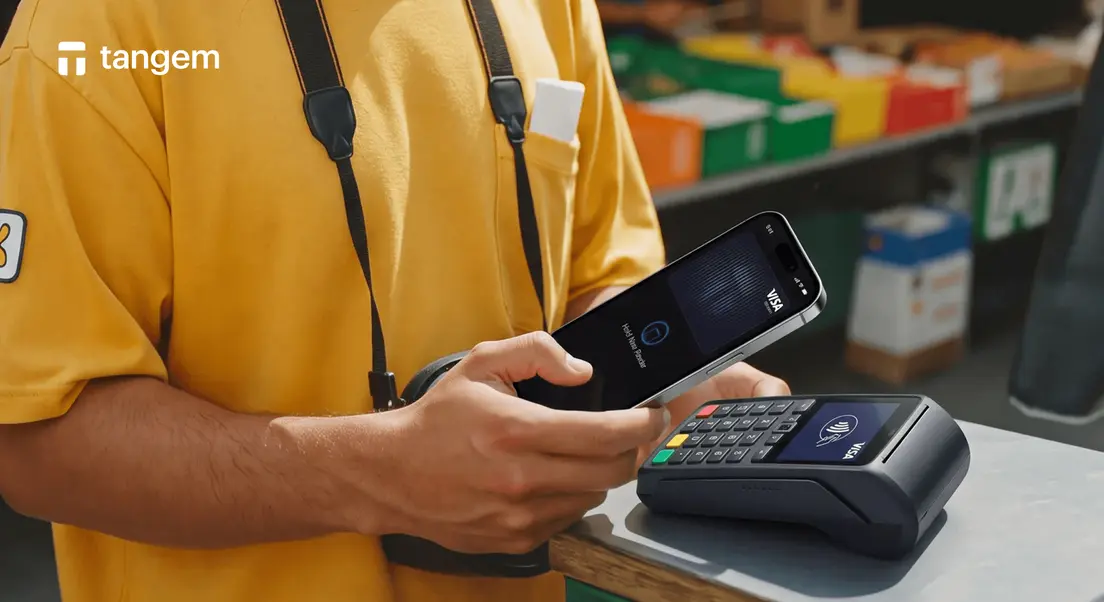


Інші статті

