


 Переходьте на seedless. Знижка 30% з SWITCH30 до 02 лист.


Can You Use a Crypto Card Internationally?

Yes, a crypto card that runs on Visa or Mastercard works internationally wherever those networks are accepted. The card converts your crypto to spendable currency at the point of sale, and the merchant sees a standard card transaction.
But network acceptance is only one part of the picture. Fees, residency requirements, and merchant-category rules all affect whether a specific card works the way you expect in a specific situation.
The short answer is: the card works, but the full answer depends on four things.
Network acceptance is the first condition. A Visa or Mastercard crypto card can be used at any merchant that accepts that network, regardless of whether the merchant has heard of crypto.
Card eligibility is separate. You can only get a card if you qualify in a supported country, pass identity verification, and meet any other issuer requirements. Being eligible to receive a card and being able to spend it abroad are two different questions.
Foreign-currency costs apply whenever you pay in a currency other than your card's currency. Those costs vary by issuer and card type.
- Merchant category and regional restrictions can block individual transactions even when the card network is active, and your balance is sufficient.
Where crypto cards are accepted
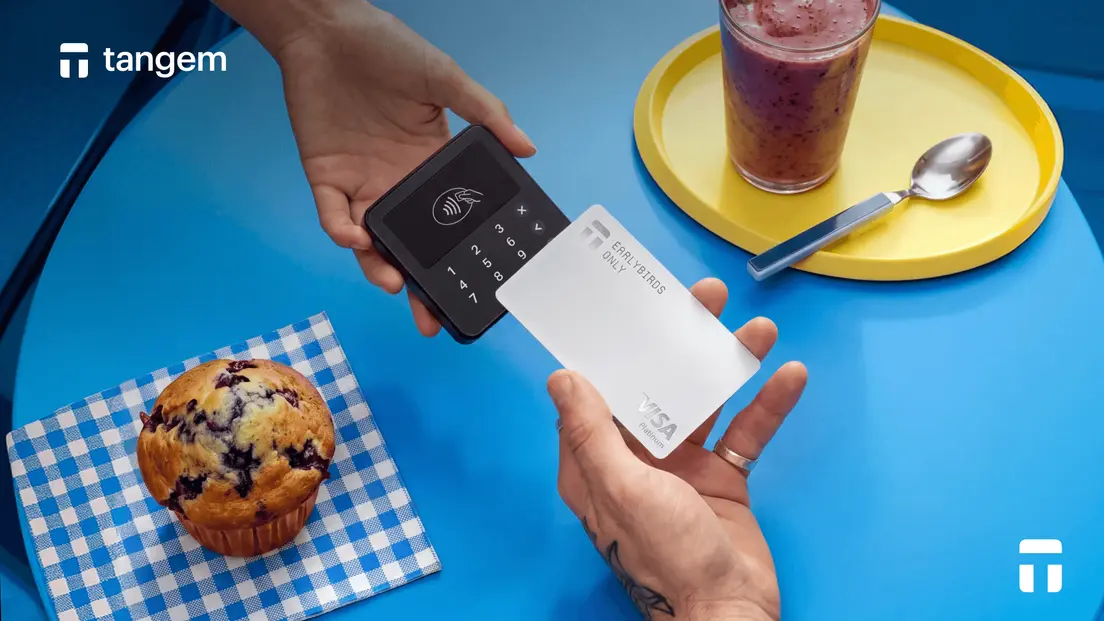
A crypto card on Visa or Mastercard doesn't require the merchant to accept crypto directly. The card program converts your crypto balance to the card's currency before the transaction reaches the payment terminal. The merchant receives a standard card payment.
That means the card's reach depends on the payment network. Broad network acceptance doesn't mean every applicant can get every card. The network footprint tells you where you can spend. It says nothing about whether you're eligible to apply.
Where you live vs where you spend
This is the distinction that trips people up most often.
Card issuance depends on where you live. Card programs require applicants to be residents of a supported country and to pass identity verification (KYC). If your country isn't on the issuer's list of supported countries, you can't get the card, regardless of where you plan to use it.
Card spending depends on where the merchant is and whether they accept the network. Once you have a card, you can generally spend it wherever the network is accepted, subject to any restrictions the issuer applies.
So you might live in a country where a card is available, travel to a country where it isn't issued, and still use the card there without any problem. The issuing country and the spending country are independent variables.
If you move permanently to a new country, the situation changes. Most issuers require you to report a change of residence and confirm whether the account can continue to be maintained at a foreign address. The account can go on hold during review. The process varies by provider, so contact your card issuer before relocating rather than after.
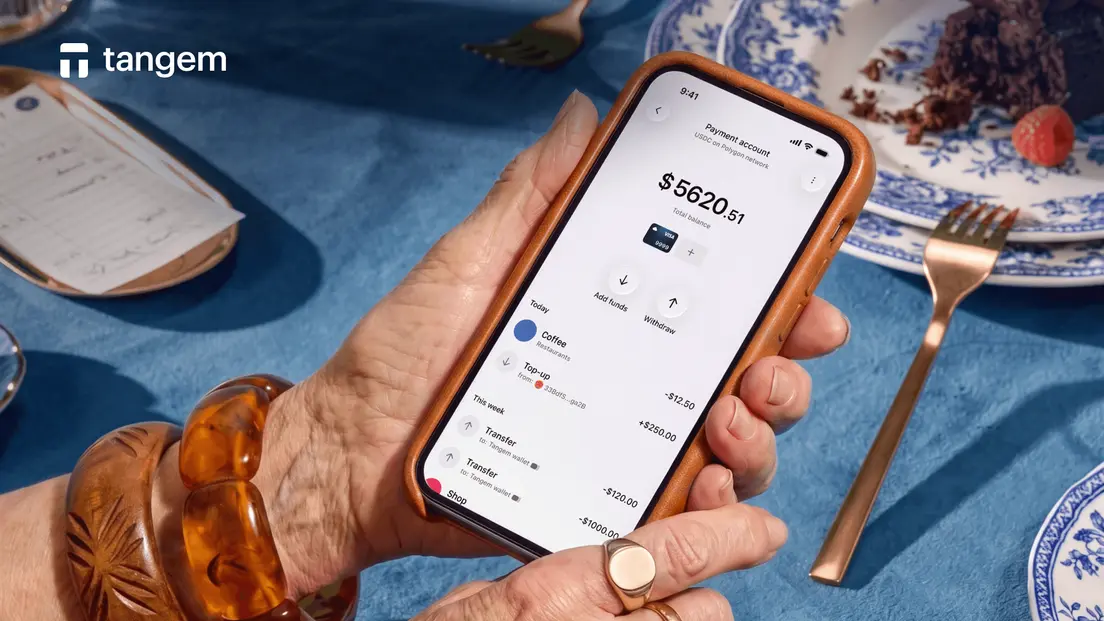
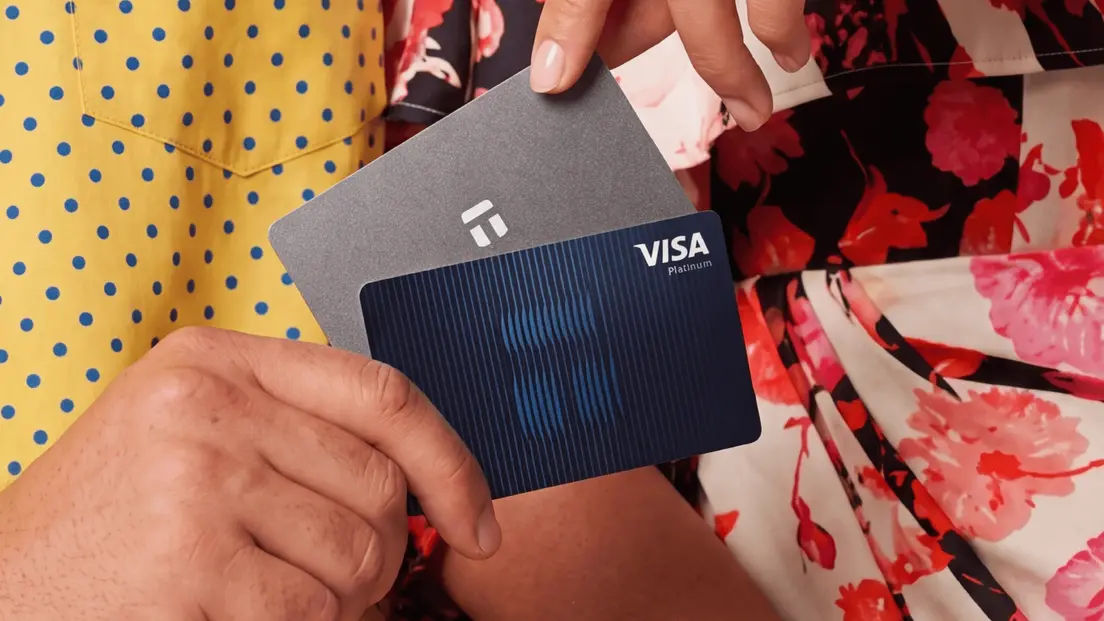
Tangem Pay is a non-custodial payment account embedded in the Tangem Wallet app. It can be funded with USDC on Polygon, USDT, tokens on other networks (e.g., Ethereum), or bank transfers (ACH or Fedwire), and it provides both virtual and physical cards for spending. At launch, it was available in the USA, Latin America, and Asia-Pacific (42 countries in that region), with the UK and EU listed as planned. As with any card program, availability depends on your country of residence and requires a one-time KYC verification through Sumsub. Fees, limits, and availability are subject to change. Check the Tangem Pay page for current terms.
International fees: FX and cross-border
Paying in a currency other than your card's currency incurs a fee. Here's how the math typically works.
Visa charges an International Service Assessment of 1.0% when a foreign-currency purchase is converted to US dollars. Mastercard's Cross Border Fee is 0.8% when a foreign merchant charges the card in its own currency, and 1.0% when currency conversion is required. These are network-level fees that apply before the issuer adds anything on top. Your card issuer may add its own foreign-transaction fee or conversion spread. Check your card's fee schedule before you travel.
Dynamic currency conversion (DCC) can add a cost at some terminals abroad. The merchant will offer to convert the purchase into your home currency at the point of sale. The rate they use may include a markup, and a separate foreign-transaction fee can still apply on top of that. Choose the local currency and let your card handle conversion; it usually costs less.
Tangem Pay lists no transaction fee, monthly account fee, or virtual-card issuance fee. Non-USD spending uses standard Visa foreign-exchange rates. Funding the account incurs Polygon network gas paid to validators.
Buying from foreign websites
An online purchase from a foreign merchant works the same way as any online card checkout. You enter the card number, expiry date, and CVV at checkout, along with any billing-address details the merchant requires. Two conditions apply. First, the merchant must accept the card network. Second, the merchant must be willing to ship or deliver to your location.
For online shopping with Tangem Pay, you use the virtual card details at checkout. The card can also be added to Apple Pay or Google Pay for contactless in-store purchases. Some foreign merchants apply address-verification checks. If your billing address doesn't match what the issuer has on file, the transaction may be declined. Keep your account details current.
Restrictions to know
Network acceptance doesn't guarantee that every transaction goes through. Several types of restrictions can block a purchase even when the card is active and funded.
Merchant Category Codes (MCCs) are four-digit codes that classify merchants by business type. Card programs use MCCs to approve, decline, or flag transactions. A merchant might accept Visa in general, but your specific card program might restrict that merchant's category. Check the issuer's terms for its current rules.
Sanctioned and restricted regions are a separate issue. Visa can suspend network access for sanctioned entities and block transactions involving sanctioned issuers or designated persons. Cards issued by unaffected entities may continue to work in those regions, but individual transactions can still be blocked depending on applicable sanctions and local rules. Commonly restricted regions include countries subject to international sanctions, such as Cuba, Iran, North Korea, Russia, and Syria. Check your issuer's terms for the current list.
- Terminal type and transaction type also matter. Some card programs restrict cash withdrawals, certain online transaction types, or specific terminal configurations. A declined transaction can result from any of these causes, not just an insufficient balance.
For help with a specific transaction issue, the Tangem Help Center can point you to the right support path.
Final thoughts
Can you use a crypto card internationally? In most cases, yes. A Visa or Mastercard crypto card can work wherever the relevant network is accepted. The conditions that change the answer are eligibility (you need to qualify in a supported country), foreign-currency costs (network fees apply on non-local-currency transactions), and merchant-category or regional restrictions that can block specific purchases.
If you want a card that keeps your funds in self-custody until the moment you spend, Tangem Pay is worth a look. Your USDC balance stays in a smart contract you control, and Visa foreign-exchange rates apply for international transactions. For a broader view of wallet options that work across borders, see the guide to the best crypto wallet for everyday payments.
This article is not financial or tax advice. Tangem Pay availability and features depend on country and eligibility. Fees, limits, and availability are subject to change. Check the Tangem Pay page for current terms.
Поширені запитання
-
No. A crypto card on Visa or Mastercard can be used at merchants that accept the relevant network. An overseas purchase can still be declined due to issuer restrictions, merchant category rules, sanctioned regions, or a terminal setting. If that happens, check the transaction details with your issuer before trying again. Card eligibility also matters before you ever leave home.
-
It depends on the card program. Card issuance is tied to your country of residence at the time of application. If you relocate permanently, most issuers require you to report the change and confirm whether the account can continue to be maintained at a foreign address. A different billing address can trigger an address-verification failure at checkout if it doesn't match the issuer's record. Some issuers suspend the account during review. Contact your card issuer before moving to understand the process for your specific card.
-
Yes, in most cases. When you pay in a currency other than your card's currency, network-level fees apply. Visa's International Service Assessment is 1.0% on foreign-currency purchases converted to USD. Your card issuer may add its own fee on top. At some terminals, merchants offer dynamic currency conversion, which can add further costs. Paying in the local currency and letting your card convert it is generally the lower-cost option.
-
Yes, if the merchant accepts the card network and is willing to deliver to your location. At checkout, enter the card number, expiry date, and CVV as you would with any card. Some foreign merchants run address verification checks, so keep your billing details up to date with your issuer. Tangem Pay's virtual and physical cards work at online merchants that accept Visa.
-
Check the transaction details with your issuer before trying again. A decline can result from an insufficient balance, an activation or verification status, a merchant category restriction, a spending limit, incorrect online card details, or a restricted transaction type.
-
That depends on the merchant and your card program's rules. Check the issuer's terms before relying on the card for a hotel or car rental deposit, as merchant categories and transaction types may be restricted.
-
There is no single timeline for every card issuer. One researched example, Wise, says an address-change review is completed within two days, but your issuer's process can differ. Contact the issuer before you move so you know whether spending will be affected during its review.


Не пропустіть 




Інші статті

