
 EXTRA −10%


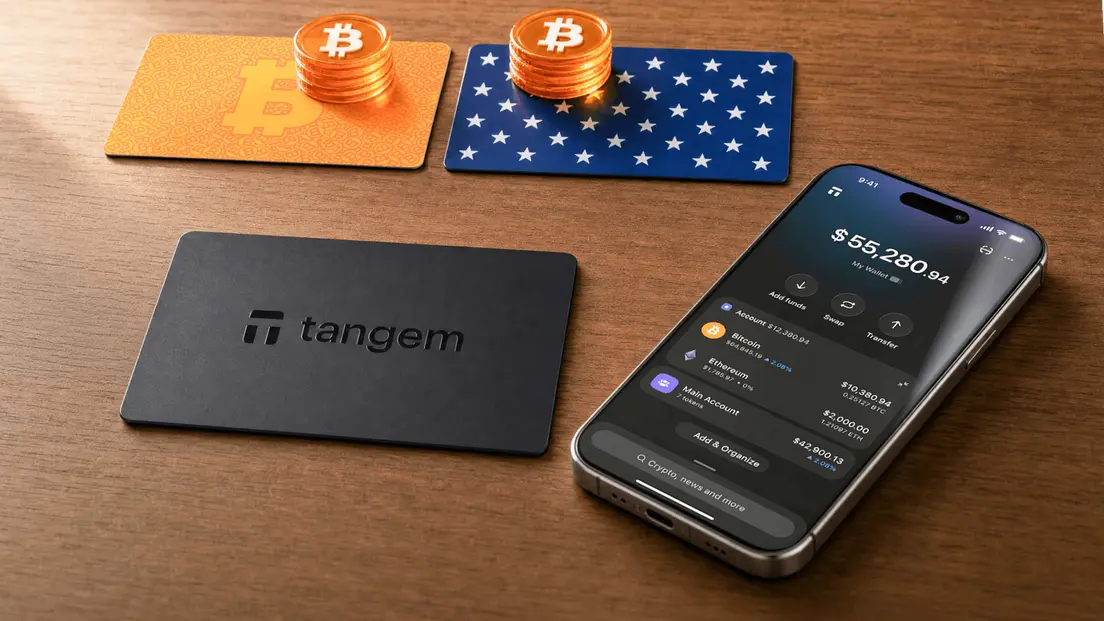
Best Crypto Card in the UAE 2026: Stablecoin Cards Compared
Ця стаття доступна такими мовами:
- Best Crypto Cards in the UAE: Quick Comparison (November 2026)
- How We Chose and Compared These Cards
- The Best Crypto Cards in the UAE, One by One
- What You Really Pay on AED Purchases
- Who Controls Your Money? Account Cards vs Self-Custody
- UAE Rules for Crypto Cards: VARA, CBUAE and Tax
- How to Get a Crypto Card in the UAE, Step by Step
- Which Card Fits You? A Quick Guide
- Conclusion
Many UAE residents are paid in or save in stablecoins. A crypto card lets them use that balance at shops and online, while the merchant receives dirhams or dollars through the card network rather than crypto. Three things decide cost and risk: the card currency, how you fund it, and who holds the balance. This comparison covers only cards whose official pages confirm UAE eligibility or list the UAE as a supported or non-restricted region, checked in October 2026. If you are also looking for the right place to store the rest of your crypto, see our guide to the best crypto wallet in the UAE.
Best Crypto Cards in the UAE: Quick Comparison (November 2026)
| Card | Funding Assets | FX Fee on AED | Monthly Fee | Cashback |
|---|---|---|---|---|
| Tangem Pay | USDC, USDT | Visa rate + 1.5% | $0 (Basic) / $29.99 (Plus) | 1% base (Basic, cap $100/month) / 2% base (Plus, cap $300/month) |
| ether.fi Cash | USDC, USDT, ETH, weETH, ETHFI and more | FX base rate + 0.5% (Core) / 0.25% (Luxe) / 0% (Pinnacle/VIP) | Varies by tier | Varies by tier |
| RedotPay | Multiple digital assets | Not published | Not published | Not published |
Data checked on each issuer's official site in October 2026. Confirm current terms in the app before you apply.
Turn your crypto into everyday spending

How We Chose and Compared These Cards
Only cards whose official pages confirm UAE eligibility, or list the UAE as a supported or non-restricted region, were considered. Eligibility was checked on October 26, 2026. Cards whose UAE status could not be confirmed on official pages are not included, even if third-party directories list them.
The criteria used for each card: card currency and AED purchase cost, funding method and supported assets, balance custody, fees, rewards, and identity requirements.
Tangem Pay is our product. It was assessed on the same criteria as ether.fi Cash and RedotPay. No card received preferential treatment in the scoring. Where a fee or feature could not be confirmed from official sources as of October 2026, it is not stated.
The Best Crypto Cards in the UAE, One by One
Tangem Pay: Best If You Keep Your Crypto in Self-Custody
Best for: People in supported regions who hold crypto in a self-custody wallet and want to load only what they plan to spend, without moving their main holdings to an exchange.
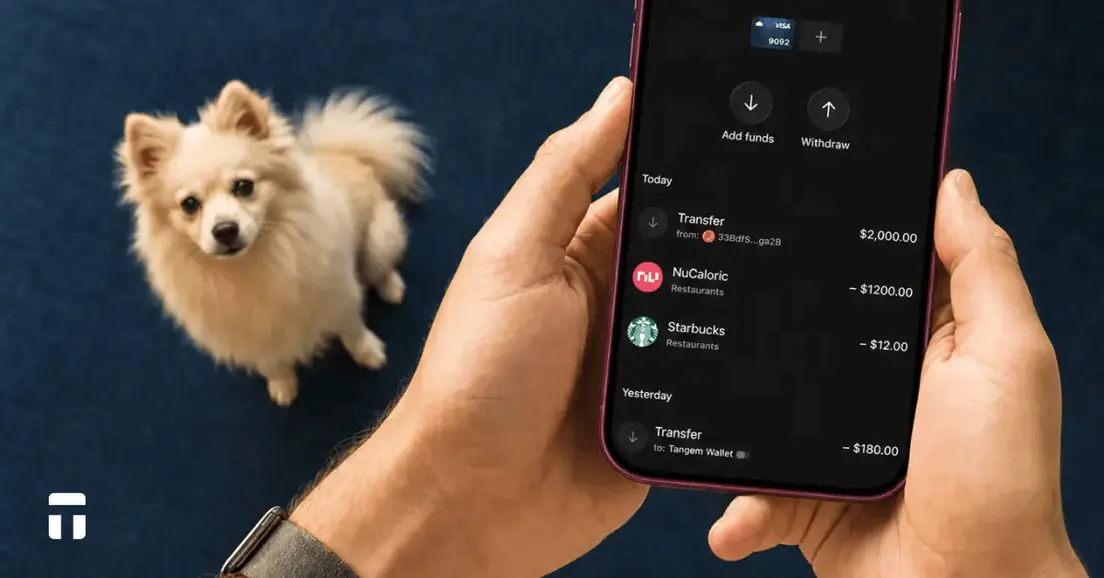
How you fund it: You fund Tangem Pay with USDC or USDT by selecting the exact supported token, destination, and network shown in the app. Directly supported networks are Polygon, Base, Arbitrum, and BNB Smart Chain. You can send from Tangem Wallet, an external wallet, or an exchange. Bank transfers are available where enabled for the verified region and are converted to USDC on arrival.
Fees (as of November 2026):
- Basic plan: $0 per month; Plus plan: $29.99 per month (waived at $4,500 in monthly spending)
- Non-USD foreign exchange (including AED purchases): Visa Exchange Rate plus 1.5%
- Additional virtual card: $5
- ATM terms: See the current terms at https://tangem.com/en/tangem-pay/
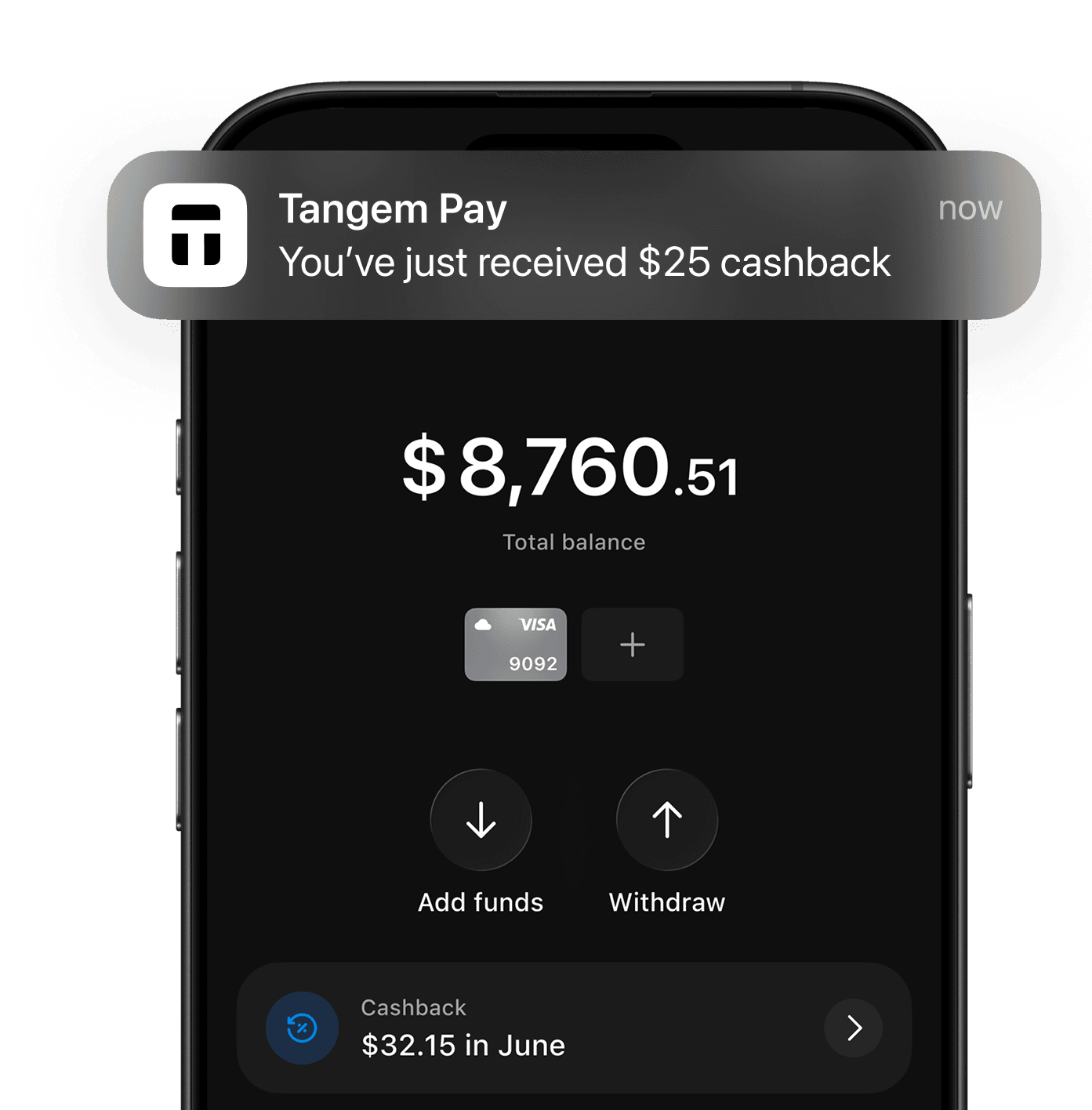
Cashback: Basic earns 1% base cashback up to $100 per month; Plus earns 2% base cashback up to $300 per month on eligible completed purchases. The minimum eligible purchase is $30 or equivalent. Cashback is credited to the Tangem Pay account in USDC. In-person EU purchases and excluded merchant category restrictions do not earn cashback.
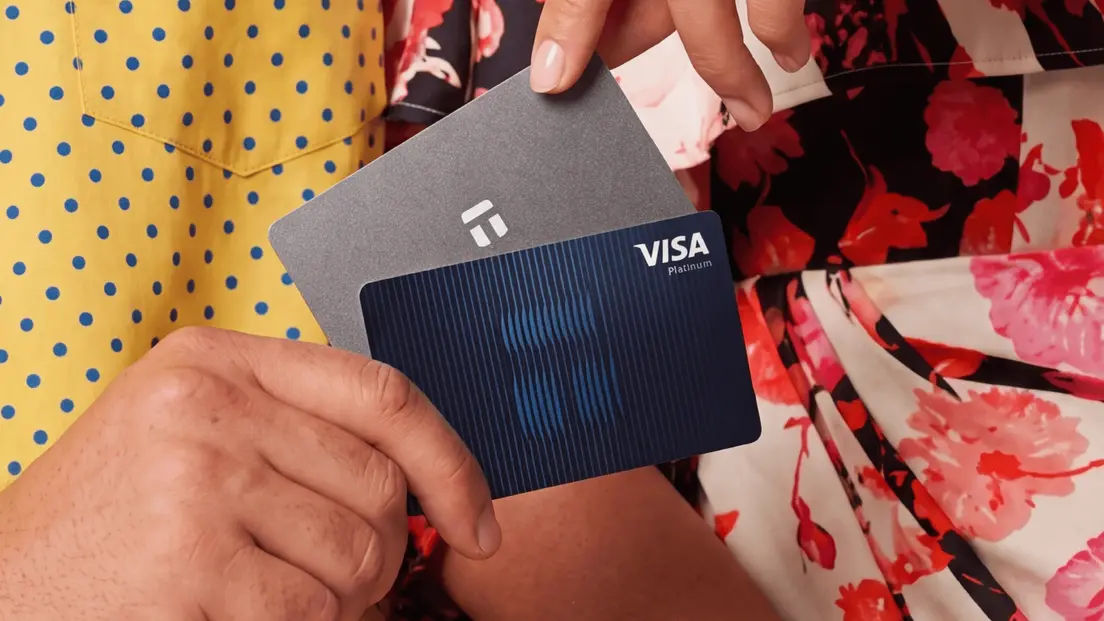
Custody: Tangem Pay is an optional payment account inside the Tangem app, separate from your Tangem Wallet balances and private keys. Your main assets stay in Tangem Wallet; Tangem Pay is a separate card program issued by Rain, and you can only spend the balance loaded on the card. Rain is a Visa Principal Member.
Requirements: KYC via Sumsub, age 18 or over, residence in a supported region. UAE eligibility must be confirmed during app onboarding. A virtual Visa card is issued after approved identity verification; check current terms at https://tangem.com/en/tangem-pay/ for availability and timing.
Pros:
- Main crypto holdings stay in a self-custody wallet; payments use the balance loaded on the card
- Two plan tiers with clear fee schedules; Basic has no monthly fee
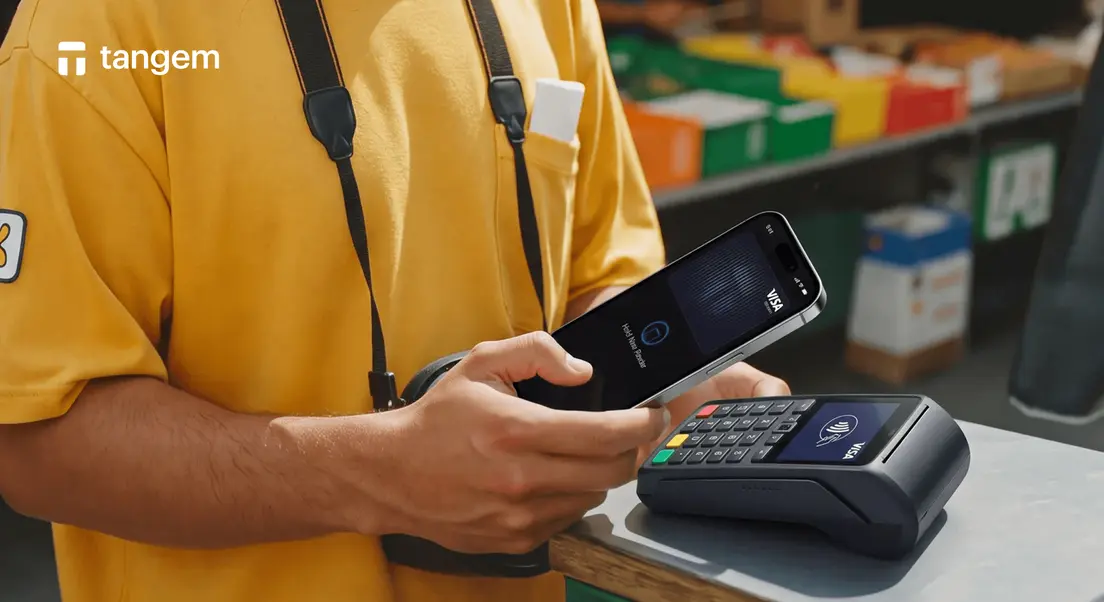
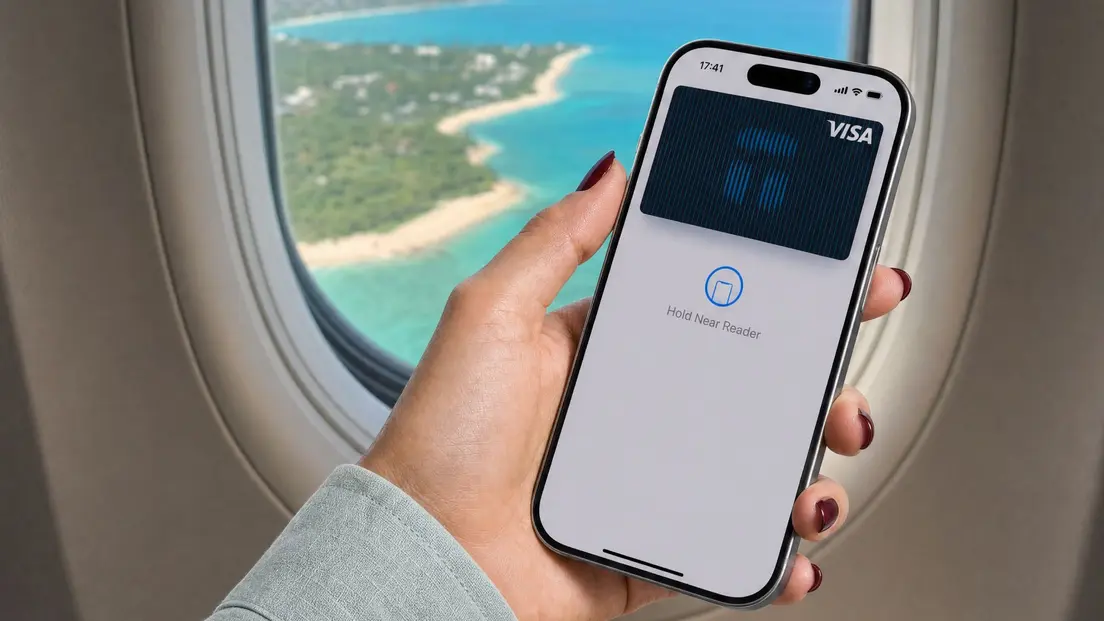
- Virtual card issued after approved identity verification; supports Apple Pay and Google Pay where available
Cons:
- Card currency is USD; every AED purchase incurs the Visa rate plus a 1.5% FX fee
- A Pay account can be linked to only one Tangem Wallet; the app does not support changing the linked wallet after onboarding. We are planning to introduce the ability to link a verified Tangem Pay account to a different wallet in a future update.
ether.fi Cash: Best for Crypto Holders Who Want a Borrow Option
Best for: Users who hold ETH, weETH, ETHFI, or other supported assets on ether.fi and are comfortable with a borrowing model that turns spending into a collateral-backed loan.
How you fund it: ether.fi Cash supports a wide range of top-up assets, including USDC, USDT, USDT0, EURC, eUSD, frxUSD, ZCHF, BTC, ETH, WETH, weETH, eBTC, ETHFI, sETHFI, OP, HYPE, WHYPE, beHYPE, PAXG, and listed liquid-vault assets. Network support varies by asset.
Fees (as of October 2026):
- FX fee on AED purchases: 0.5% above the base FX rate for Core members; 0.25% for Luxe members; no added FX fee for Pinnacle or VIP members. Merchant surcharges may apply separately.
Custody: In Borrow mode, spending is a loan against your collateral rather than a direct drawdown of your balance.
Requirements: UAE eligibility is confirmed on ether.fi's official help pages, subject to account verification, KYC, and applicable compliance requirements.
Pros:
- Lower FX fee on AED purchases at higher membership tiers
- Wide range of supported funding assets
- Borrow mode preserves underlying asset exposure while spending
Cons:
- Borrow mode introduces liquidation risk if collateral value falls
- FX fee advantage requires reaching Luxe, Pinnacle, or VIP tier
- Full fee schedule and tier pricing not reproduced here; confirm in the app
RedotPay: Best for Funding From Many Coins
Best for: Users who receive income or hold balances in a variety of digital assets and want a single account to consolidate them for card spending.
How you fund it: RedotPay supports multiple digital assets. The full list of supported assets and networks is not published in a form that could be verified on official pages as of October 2026.
Fees (as of October 2026): RedotPay's official pages state that card use may involve transaction, conversion, ATM, and other fees. The complete current fee schedule was not available on official pages as of October 2026.
Custody: Its multi-currency wallet is provided by licensed financial institutions; RedotPay is not a bank.
Requirements: Identity verification requires a government-issued ID and facial recognition. Currency-account applications require personal address details and a risk-assessment questionnaire. UAE-specific eligibility was not explicitly confirmed on official pages as of October 2026; the UAE is not listed as a restricted region.
Pros:
- Virtual and physical cards available
- Supports Apple Pay and Google Pay
- Broad multi-asset funding
Cons:
- Fee schedule not fully published; confirm all costs before funding
- UAE eligibility inferred from absence from restriction lists, not from an explicit confirmation
- Rewards not confirmed on official pages as of October 2026; not stated here
What You Really Pay on AED Purchases
Three cost layers apply to every AED purchase on any of these cards.
Layer 1: Card currency vs purchase currency. When you use a USD-billed card to pay a dirham-denominated merchant, the card network converts the AED amount to USD at the prevailing rate. That conversion is where an FX fee can apply.
Layer 2: Crypto-to-card conversion. Card programs may convert funded assets before a purchase. Review the issuer's current terms for the applicable conversion method and rate.
Layer 3: Network fees to load. Moving USDC or USDT on-chain to fund the card incurs a blockchain transaction fee paid to the network's validators. On Ethereum, that cost is gas used multiplied by the gas price, and it can rise when block space is scarce. Polygon, Base, Arbitrum, and BNB Smart Chain (the networks Tangem Pay directly supports) typically carry lower fees than Ethereum mainnet.
| Scenario | Card | AED purchase | FX fee | Approx. extra cost on AED |
|---|---|---|---|---|
| Grocery run, | Tangem Pay Basic | $54 billed in USD | Visa rate + 1.5% | ~$0.81 at 1.5% |
| Same purchase | ether.fi Cash Core | $54 billed in USD | Base rate + 0.5% | ~$0.27 at 0.5% |
| Same purchase | ether.fi Cash Pinnacle | $54 billed in USD | Base rate only | $0 added FX fee |
Illustrative scenarios with fees published in October 2026; your real cost depends on the amount, the day's rate, and your plan.
The FX fee gap between a Tangem Pay Basic card and an ether.fi Pinnacle account is real. But reaching the Pinnacle tier has its own cost and requirements. For most users, the right comparison is the total cost of a typical month, not a single transaction.
Who Controls Your Money? Account Cards vs Self-Custody
The central question is who controls the private keys.
In a custodial model, a third party controls the private keys. The trade-off is between provider-assisted recovery and convenience and exposure to provider hacks, insolvency, freezes, or other counterparty risk.
Wallet-linked cards keep the main assets in a wallet the user controls. With Tangem Pay, your main assets stay in Tangem Wallet; Tangem Pay is a separate card program issued by Rain, and you can only spend the balance loaded on the card. The private keys for your Tangem Wallet never touch the card program.
For ether.fi Cash, Borrow mode turns spending into a loan against your collateral. The underlying assets remain collateral rather than being liquidated at the point of purchase, but liquidation risk applies if the collateral's value falls.
A common approach is to keep a smaller active balance available for frequent transactions and larger long-term holdings in cold storage, so a compromise of the active wallet does not affect the long-term holdings.
Self-custody removes counterparty control but shifts responsibility for backups and key management to the user. If all backup cards are lost and no seed phrase was set, funds cannot be recovered. That trade-off is worth understanding before choosing a custody model.
UAE Rules for Crypto Cards: VARA, CBUAE and Tax
VARA (the Virtual Assets Regulatory Authority) regulates virtual assets and virtual-asset activities throughout Dubai, including mainland, free zones, and special development zones, but excluding the DIFC. Entities conducting virtual-asset activities as a business must be VARA-authorized and licensed. VARA maintains a public register of licensed entities. ADGM (Abu Dhabi Global Market) and DIFC are financial free zones with separate regulatory regimes.
The CBUAE Payment Token Services Regulation covers payment token issuance, conversion, custody, and transfer. No person may provide a payment-token service in or to the UAE without a CBUAE license or registration. Merchants may generally accept virtual assets for goods or services only under the regulation's specified payment-token conditions.
When you use a crypto card at a UAE merchant, the merchant is paid through the card network in dirhams, not in tokens. The crypto-to-fiat conversion happens within the card program before settlement reaches the merchant.
Tax: UAE individual income tax and VAT treatment depend on the activity and person involved. Check the official sources from the UAE Federal Tax Authority (tax.gov.ae) for the current rules applicable to your situation.
This section reports publicly available regulatory facts. It is not legal, tax, financial, or regulatory advice, and it does not state that any card is or is not compliant with UAE law.
How to Get a Crypto Card in the UAE, Step by Step
- Choose a card. Review the comparison table above and identify the card that best fits your funding method, custody preference, and fee tolerance.
- Check UAE eligibility. Visit the issuer's official site or app and confirm that UAE residents are eligible. Requirements typically include a valid Emirates ID, passport where required, proof of UAE address, and a selfie or liveness check. Tourist visas may not qualify.
- Download the app and complete identity verification. Each issuer uses its own KYC process. Tangem Pay uses Sumsub; you must be 18 or older and a resident of a supported region.
- Fund the card. Load USDC or USDT (or other supported assets, depending on the card) from your wallet or exchange. Check the supported networks before sending to avoid a failed or delayed transfer.
- Add to Apple Pay or Google Pay. After card issuance, add it to your preferred mobile wallet where supported. Availability of Apple Pay and Google Pay depends on each issuer's regional rules.
- Check fees and limits before your first purchase. Review the FX fee, any monthly fee, and cashback conditions in the app.
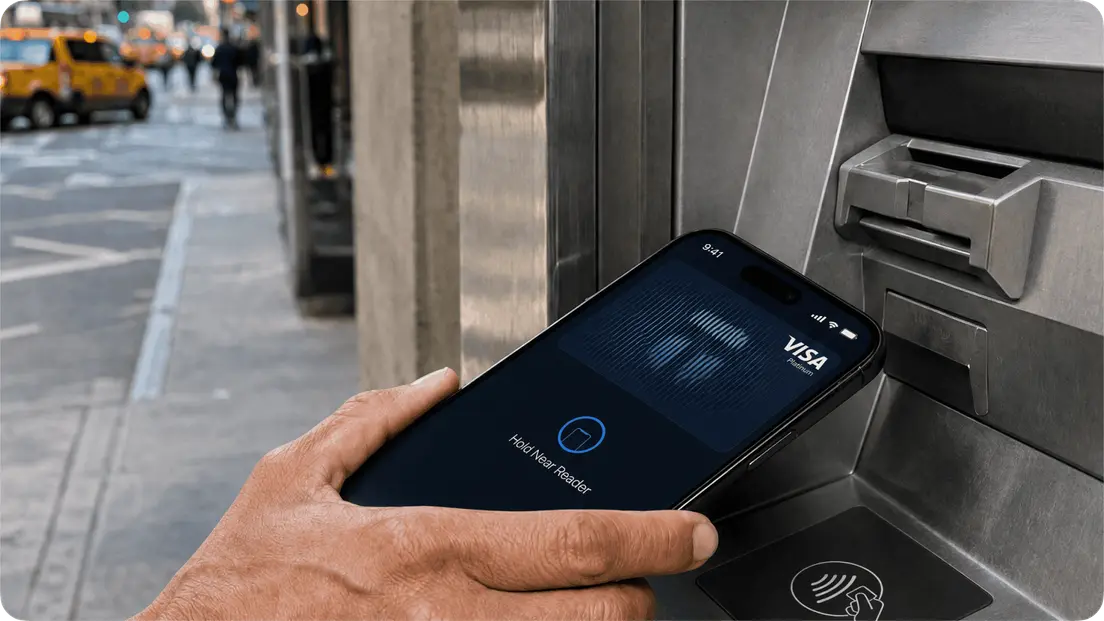
For Tangem Pay specifically: Open the Tangem app, tap the Tangem Pay banner, select your region, and complete identity verification. A virtual Visa card is issued after identity verification is approved; check current terms at https://tangem.com/en/tangem-pay/ for availability and timing. Then add funds and add the card to Apple Pay or Google Pay where available. The Tangem Pay physical card is also available for spending and ATM cash withdrawals. You can also add a crypto card to Apple Pay using the standard iOS wallet flow once the virtual card is issued.
Which Card Fits You? A Quick Guide
You keep crypto on a hardware wallet and want to load only what you spend: Tangem Pay. Your main holdings stay in self-custody; the card balance is separate and limited to what you transfer in.
You hold ETH or other assets on ether.fi and accept borrowing risk for rewards: ether.fi Cash. Borrow mode keeps your underlying assets working as collateral, but liquidation risk is real if prices drop.
You receive many different coins and want to fund one account: RedotPay. Confirm its supported assets and full fee schedule in the app before funding.
- You pay mostly in USD (subscriptions, travel to the US): any USD-billed card avoids the AED conversion entirely on those purchases, making the FX fee irrelevant for that portion of your spending.
The right card depends on your total monthly cost, not just the card fee. Add up the monthly plan, the FX fee on your typical AED spend, and any network fees to load. That number tells you more than any single headline figure. If you receive your salary in USDC, the funding flow into any of these cards is straightforward.
Conclusion
No single card is the best crypto card in the UAE for every user. AED conversion can be a main cost decision: check the card currency and applicable FX fees for your plan. Custody and borrowing are the main risk decisions: custodial arrangements can offer convenience and recovery support; wallet-linked cards keep your main holdings out of the card program but make you responsible for your own backup.
Before applying, total your expected AED spend, plan charge, FX cost, and funding-network fee for a typical month. For the full Tangem hardware wallet lineup and pricing, see Tangem Wallet.
This article is for general information only and is not financial, legal, or tax advice. Fees, availability, and terms change and depend on your residency and eligibility.
FAQ About Crypto Cards in the UAE
-
Yes, for eligible residents in supported regions. Use a card at merchants accepted by the relevant card network. The card network settles the transaction in USD or the local currency; the merchant receives dirhams, not crypto. UAE eligibility must be confirmed during each issuer's onboarding process, as tourist visas and certain residency types may not qualify.
-
Tangem Pay’s applicable card currency is USD; AED purchases are non-USD transactions subject to Visa foreign-exchange rates and applicable cross-border fees. Tangem Pay charges the Visa Exchange Rate plus 1.5% on non-USD transactions. ether.fi Cash charges 0.5% above the base FX rate for Core members, 0.25% for Luxe, and no added FX fee for Pinnacle or VIP. RedotPay's FX fee schedule was not published on official pages as of October 2026.
-
Individual income tax and VAT treatment depend on the activity and the person involved. Current rules are published by the Federal Tax Authority at tax.gov.ae. This article is general information only and is not tax advice; consult a qualified adviser for your specific situation.
-
VARA regulates virtual assets and virtual-asset activities throughout Dubai, including mainland, free zones, and special development zones, but excluding the DIFC. Entities conducting virtual-asset activities as a business must be VARA-authorized and licensed, and VARA maintains a public register. ADGM and DIFC are financial free zones with separate regulatory regimes. The CBUAE Payment Token Services Regulation governs the issuance, conversion, custody, and transfer of payment tokens at the federal level.
-
Apple Pay support is confirmed for Tangem Pay and RedotPay. For Tangem Pay, Apple Pay availability also depends on each wallet's regional rules; confirm in the app after card issuance. ether.fi Cash Apple Pay availability was not confirmed on official pages as of October 2026. Google Pay is supported by Tangem Pay and RedotPay where regional rules allow.
-
Safety depends on the custody model. A custodial arrangement can create counterparty risk: provider hacks, insolvency, or freezes can affect a balance. Wallet-linked cards like Tangem Pay keep your main holdings in a self-custody wallet; Tangem Pay is a separate payment account. But self-custody shifts backup responsibility to you: losing access to your Tangem Wallet with no recovery method means no recovery route. Neither model is categorically safe; the risks are different.


Не пропустіть 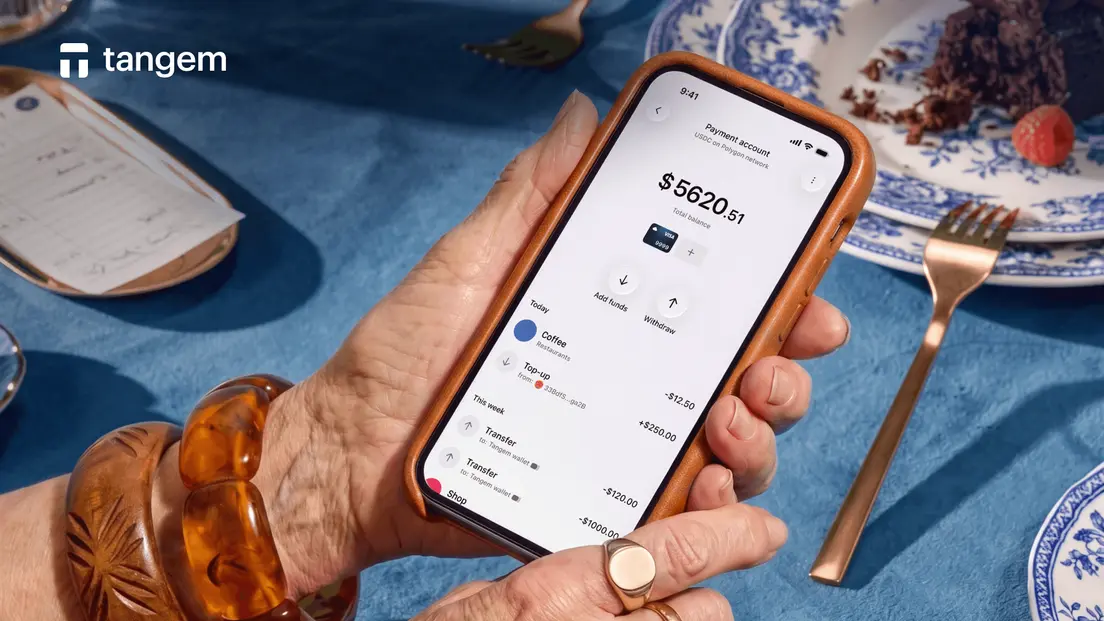




Інші статті

