


How to Receive a Bank Transfer to a Crypto Account
You already know how to send a bank transfer. You've done it for rent, for freelance invoices, for splitting a bill. The question is whether you can do the same thing to fund a crypto account. And if so, what actually happens on the other end? The short answer: yes, some crypto platforms support it. But the mechanics vary by provider.
The Mechanism: Virtual Routing and Account Numbers
When a crypto platform gives you a routing number and account number, it gives you a virtual account: a permanent, reusable fiat deposit address that looks like a normal account to your bank and connects to different infrastructure. Here's how it works in practice. The platform partners with a licensed bank or financial institution. That bank holds a master account. Your virtual account is effectively a sub-ledger entry under that master account. It has its own routing code and account number issued in your name. The banking partner carries the funds through its account infrastructure.
For the sending institution, it is a normal wire or ACH destination. It routes the payment the same way it would route any other transfer. The banking partner receives the funds and credits the corresponding virtual account. The crypto platform then picks up the signal that your deposit arrived.
This arrangement is a routing layer. The banking partner supplies the charter and infrastructure, while the crypto platform accepts fiat and moves value into crypto on your behalf. Tangem Pay offers a separate value example: it converts USDC to USD at 1:1 when you spend. If a transfer needs resolution, start with the banking partner's deposit instructions and support route.
ACH vs. Wire: Which One to Use
Depending on the platform, ACH and wire transfer can be available for U.S. deposits.
| Feature | ACH | Wire Transfer |
|---|---|---|
| Typical cost | Usually free | Costs extra |
| Timing | Varies by platform | Varies by platform |
| Best for | Regular, lower-urgency deposits | Time-sensitive or larger amounts |
| Return handling | Provider-specific | Provider-specific |
ACH deposits are usually free on most platforms, while wire transfers carry an additional fee. That fee difference is the main reason most people default to ACH for routine funding. Wires make more sense when timing is critical. For example, if you need funds available before a specific market window closes. The Tangem app lists bank transfers in its cryptocurrency-buying on-ramp, and Tangem Pay converts USDC to USD at 1:1 when you make a purchase.
One thing to watch: spreads. A platform might advertise zero deposit fees but build its margin into the conversion rate when your dollars are converted to crypto. The deposit fee and the conversion cost are separate line items, even if only one appears on a fee schedule.
What Happens to the Money Once It Arrives
After a transfer clears, the provider follows its own funding model. It may credit a fiat balance for a later purchase. Or it may automatically convert the incoming funds into a designated crypto asset or stablecoin. Check which path applies before you send money, along with the asset you will receive.
That distinction affects what you can do next. A credited fiat balance lets you choose your purchase later. An automatic conversion follows the provider's stated route. Read those terms before you send a transfer, especially when you expect a particular asset. Virtual account documentation describes conversion into crypto after receipt. In a published U.S. purchase flow, a third-party provider processes the payment and transfers the purchased crypto directly to the wallet address. Blockchain processing can range from a few minutes to a few hours.
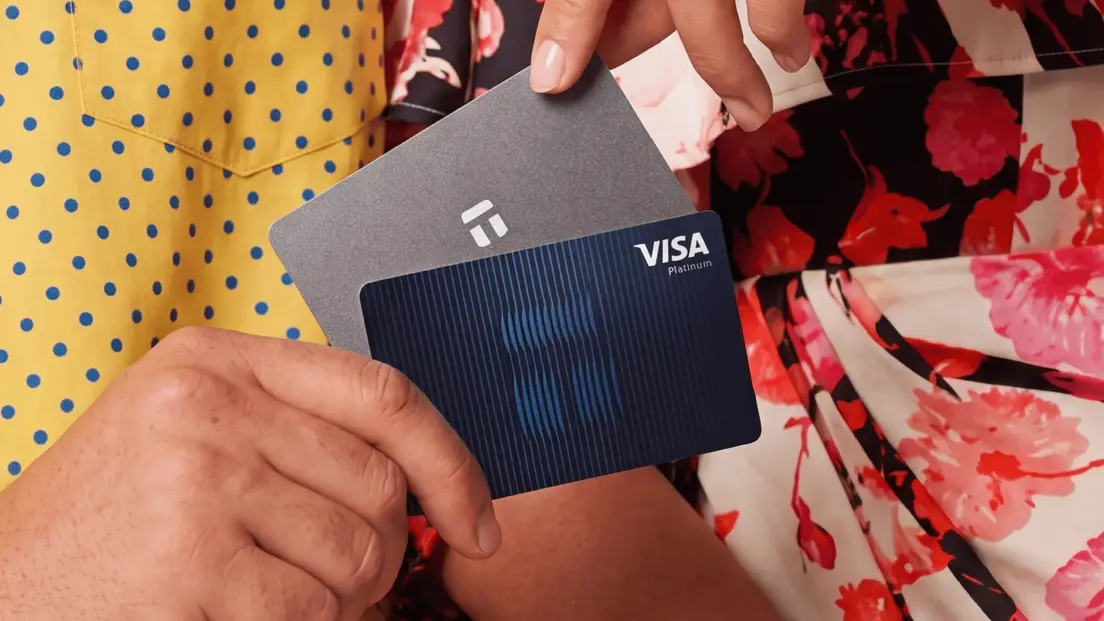
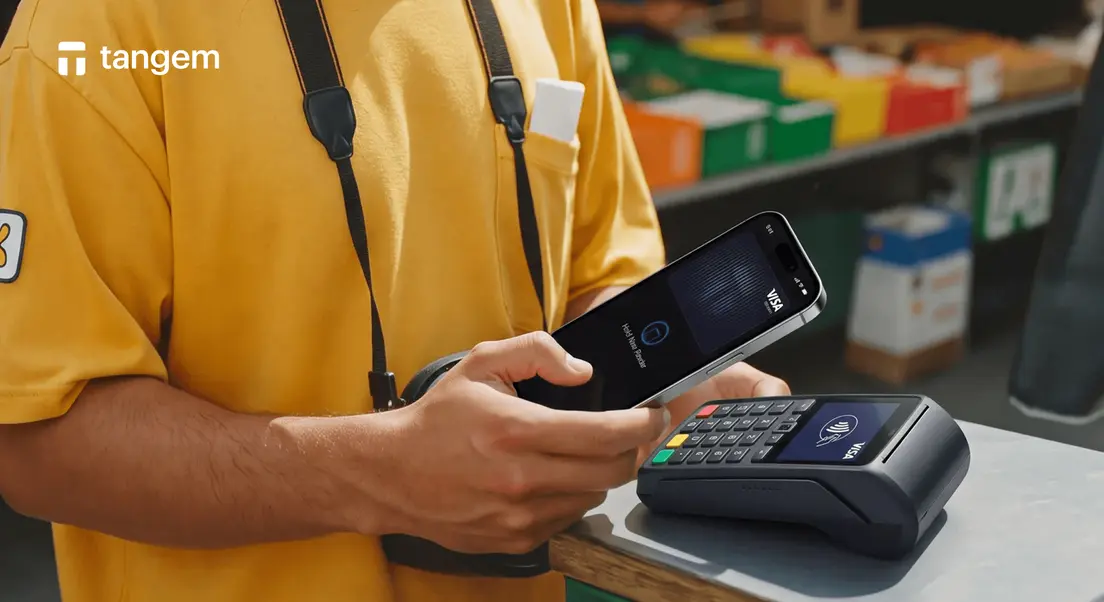
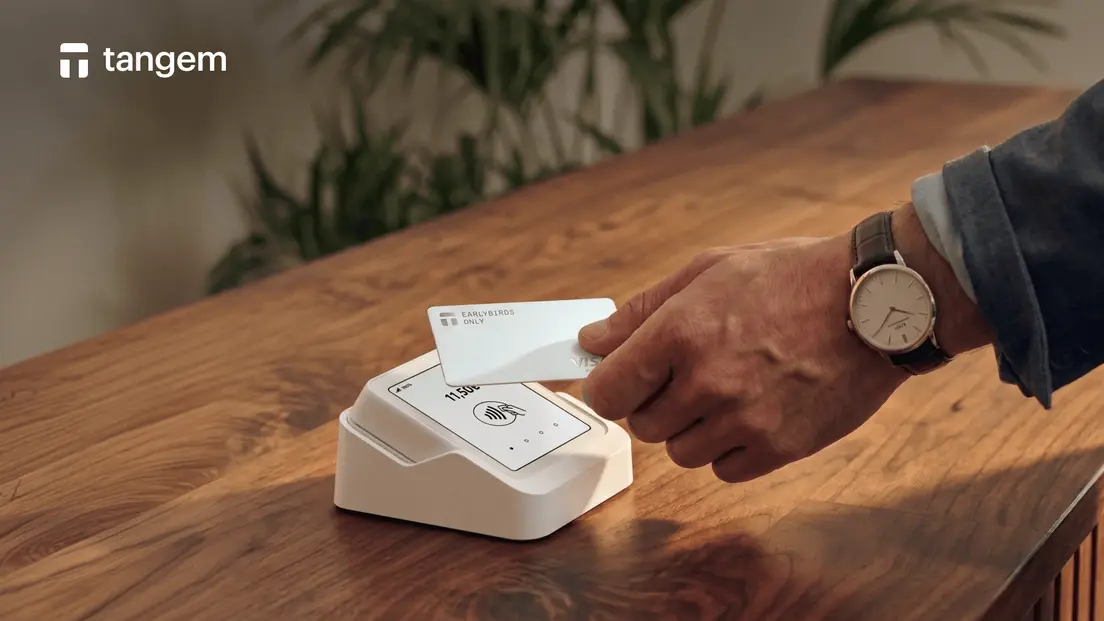
Tangem Pay is a non-custodial payment account built into the Tangem Wallet app. Tangem Pay is funded with native crypto or cash. The funds are held in a smart contract that the user controls. When you spend, Tangem Pay converts USDC to USD at 1:1, processes the transaction through Visa, pays the merchant in USD, and deducts the equivalent USDC from your balance.
Using Tangem Pay requires a Tangem hardware wallet (card or ring), the Tangem app, a supported region, and one-time KYC through Sumsub. Tangem states it does not see or store the identity data. The initial launch markets are the USA, Latin America, and Asia-Pacific; the UK and EU are planned for 2026. Tangem Pay has no transaction, monthly account, or card issuance fees, but Polygon gas fees apply when topping up, and Visa foreign exchange rates apply to non-USD spending.
What to Check Before Using This Method
Not every crypto wallet or exchange supports receiving bank transfers. This requires the provider to offer a bank transfer or on-ramp feature specifically. Assuming it's available without checking is how beginners get stuck.
Before you initiate a transfer, confirm four things:
- Does the platform support it? Look for an explicit "deposit via bank transfer" or "ACH/wire" option in the funding section. If it's not listed, it's not available.
- What are the fees? Check deposit fees, conversion fees, and spreads as separate line items. A published U.S. exchange guide identifies payment methods, maker/taker fees, spreads, and withdrawal fees as distinct cost categories rather than a single combined number.
- What asset will you receive? Confirm whether the incoming fiat converts to a stablecoin, a specific cryptocurrency, or something you choose at the time of deposit.
- What are the identity requirements? The Tangem app's on-ramp may require KYC through its providers. Check the provider's requirements before you send money.
Security and regulatory standing matter too. Exchanges can face hacks, technical failures, insolvency, or regulatory restrictions on withdrawals. Checking that a platform is regulated and has a track record reduces, but doesn't eliminate, that risk.
Поширені запитання
-
Yes, when your chosen service offers that feature. Some providers issue virtual routing and account details through a banking partner. Availability and the handling of incoming funds depend on the provider.
-
Follow the provider's deposit instructions and check its support guidance. Virtual accounts use a banking partner's infrastructure, so a transfer problem follows that route.
-
No. Confirm the funding option and identity requirements before you send money. The Tangem app's on-ramp may require KYC through its providers.
-
Yes. A published U.S. exchange guide says ACH deposits are usually free while wire transfers cost extra. Availability and timing vary by platform.
-
Check the deposit fee, any conversion fee or spread, and later withdrawal fees. ACH is often free, while wire transfers cost extra. A quoted purchase price may not include every cost.

Не пропустіть 



Інші статті

