DeFiのイールドファーミングとは?仕組み・戦略・リスクを徹底解説
従来の金融市場や暗号資産の投資において、「資産を働かせる」ことは基本的な考え方の一つです。
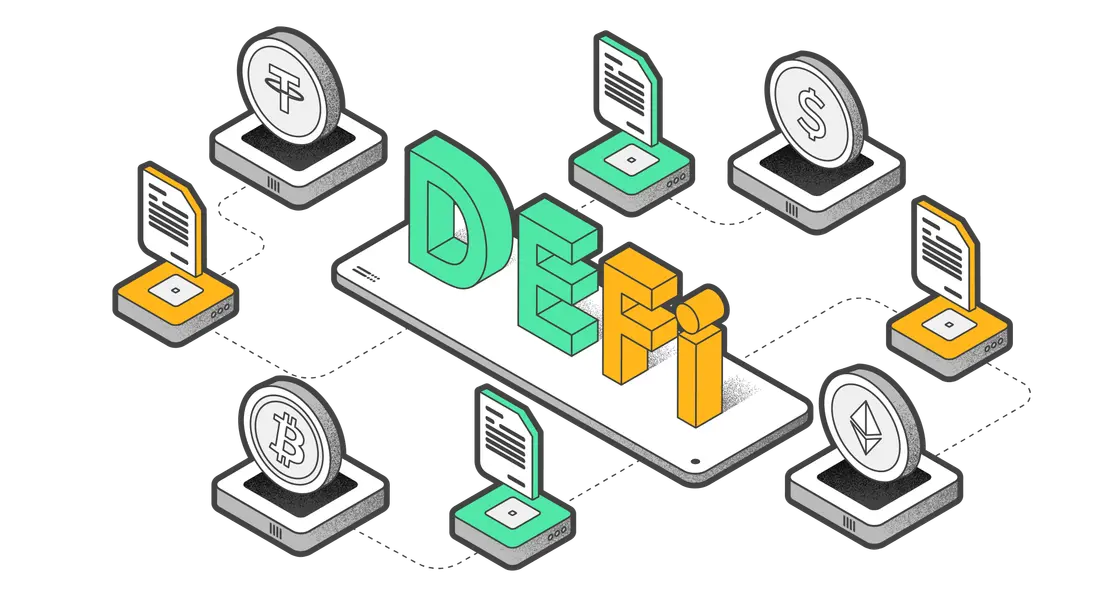
DeFi(分散型金融)では、ステーキングやレンディング、イールドファーミングなどを通じてパッシブインカムを得る機会が豊富にあります。中でもイールドファーミングは、高い利回りを狙える投資戦略として注目されています。
この記事では、イールドファーミングの仕組みや代表的な戦略、リスクについて分かりやすく解説します。
イールドファーミングとは?
イールドファーミングは、DeFiで暗号資産を分散型取引所やプラットフォームに預け入れることで報酬(利回り)を得るパッシブ運用の一種です。資産を預けることで「流動性提供者」となり、プラットフォーム上で複数の暗号資産間の取引を円滑にする役割を担います。その見返りとして、取引手数料の一部や報酬を受け取ることができます。
それでは、実際の仕組みを見ていきましょう。
イールドファーミングの仕組み
イールドファーミングは、2種類以上の暗号資産を決められた比率で「トークンプール」にロック(預け入れ)することで行われます。プールの種類によって、一定の積(コンスタントプロダクト型)や合計額(コンスタントサム型)で管理されます。
たとえば、ETHとDAIをそれぞれ1,500ドル分と500ドル分預け入れると、合計2,000ドル分の資産をプールに提供したことになります。コンスタントサム型の場合、必ず2,000ドル分が戻ってきます。
しかし、需要によってはETHとDAIが1,000ドルずつになる場合もあり、これは個々のトークン需要によって変動します。同様に、コンスタントプロダクト型では資産の積が一定になるよう調整されます。
中央集権型取引所がオーダーブックを使うのに対し、分散型取引所はスマートコントラクトによって自動的に取引が行われます。
トークンプールや「自動マーケットメイカー(AMM)」は、ユーザーが資産を預け入れるためのスマートコントラクトです。これらのコントラクトは、各ユーザーの預け入れ状況を記録し、プールのルール(積または合計)を維持します。
暗号資産を預け入れると、流動性プロバイダートークン(LPトークン)が発行され、プール内の持分を表します。LPトークンは利息付きで、イールドファーミングのスマートコントラクトが報酬をLPトークン保有者に分配します。
代表的なイールドファーミング戦略
イールドファーミングの戦略は、リスク許容度や運用スタイル、投資目的によって選択肢が変わります。主な戦略は「リクイディティマイニング」「イールドアグリゲーター」「シンセティックアセットファーミング」の3つです。
リクイディティマイニング
リクイディティマイニングは、単一のプロトコルにトークンを預けて利息や報酬を得る、もっとも基本的な戦略です。報酬はガバナンストークンや取引手数料の一部として受け取ります。
ただし、特定のエコシステムに依存しすぎるリスクもあるため注意が必要です。
イールドアグリゲーター
イールドアグリゲーターは、スマートコントラクトを活用し、さまざまなDeFi戦略を自動化・最適化して運用する仕組みです。投資家の資金をまとめて、あらかじめプログラムされた複数の利回り戦略に分散投資します。イメージとしては「自動運用型のファンドマネージャー」に近い存在です。
One of the benefits of a yield aggregator is that it uses tried and tested strategies to diversify your funds across protocols. However, you also lose a level of control when you delegate investing strategies to a third party.
シンセティックアセットファーミング
伝統的な金融では、先物やオプションなどのデリバティブ商品が株式や債券、暗号資産などの価格に連動しつつ、現物を保有しない形で取引されます。
In crypto, synthetics take this concept a step forward by creating a token on the blockchain that tracks the real-world value of one or more assets. These assets can be other cryptocurrencies or assets like real estate or stocks.
Synthetic asset tokens have a lucrative yield farming ecosystem because of exposure to many assets beyond cryptocurrencies. Users can earn rewards by providing liquidity to synthetic asset pools or participating in creating and trading synthetic assets.
イールドファーミングの主なリスク
イールドファーミングは高い利回りが魅力ですが、その分リスクも大きい点に注意が必要です。主なリスクは「スマートコントラクトリスク」と「インパーマネントロス(変動損失)」の2つです。
インパーマネントロス
インパーマネントロスとは、流動性プールに預けたトークンの価値が預入時と大きく変動した場合に発生する「未確定の損失」です。
預け入れた資産の比率が固定されているため、価格が上昇するトークンは枚数が減り、下落するトークンは枚数が増える傾向があります。これは、アービトラージ(裁定取引)による価格調整が原因です。
Remember, though: your money loss is “impermanent” until you redeem your assets back from the pool. If the market value of the assets returns to the ratio you deposited them in, your “loss” becomes zero. Therefore, you should continually monitor your yield farming assets when you invest them.
スマートコントラクトリスク
流動性プールには多額の資金が集まるため、ハッカーや悪意のある攻撃の標的となりやすいです。スマートコントラクトのコードに脆弱性やバグがあると、資産が失われるリスクがあります。
そのため、イールドファーミングを始める際は、プロトコルの信頼性や監査状況、運営チームの実績などを十分に調べることが重要です。できればオープンソースで長期運用実績のあるプロトコルを選びましょう。
よくある質問(FAQ)
What is yield farming in DeFi?
Yield farming, also known as liquidity mining, is a practice in the decentralized finance (DeFi) space where users lock up their cryptocurrencies in smart contracts to earn rewards or yield.
How does yield farming work?
Yield farmers provide liquidity to DeFi protocols by lending or staking their assets. In return, they receive rewards in the form of tokens or interest payments.
How do I earn DeFi yield using Tangem Wallet?
The Tangem Wallet supports yield farming on stablecoins like OUSD and DeFi tokens like Origin ether (OETH). The yield is sent directly to the holder's wallets using Origin Protocol's unique rebasing function, with no gas fees required. Just buy and transfer your O-tokens to your Tangem Wallet and watch your balance grow over time.
What are the risks of yield farming?
Yield farming can be risky due to smart contract vulnerabilities, impermanent loss, and market volatility. It's important to thoroughly research and understand the protocols before participating.
What are impermanent losses?
Impermanent loss occurs when the value of the assets in a liquidity pool changes compared to holding them in a wallet. It's a potential risk when providing liquidity.
Which platforms are suitable for yield farming?
DeFi platforms like Uniswap, Compound, and Aave offer yield farming opportunities. Research and due diligence are crucial in choosing a platform.
How do I get started with yield farming?
To start yield farming, you'll need to connect your wallet to a DeFi platform, deposit assets into a liquidity pool, and follow the specific instructions provided by the platform.
Can I lose money with yield farming?
Yes, yield farming carries risks, and losing money is possible. It's essential to start with small amounts and only invest what you can afford to lose.
What strategies can enhance yield farming profits?
Strategies like yield optimization, yield compounding, and choosing the right tools can help maximize profits in yield farming.
How are rewards distributed in yield farming?
Rewards in yield farming can be distributed in various ways, including through platform tokens, interest payments, or a combination.
Is yield farming taxable?
Yes, in most jurisdictions, yield farming rewards are considered taxable income. It's essential to consult with a tax professional for guidance on reporting.
Remember, yield farming involves financial risks, and it's crucial to do thorough research and consider seeking advice from financial professionals before participating.
まとめ
DeFiのイールドファーミングは、投資管理の手間を抑えつつ暗号資産を増やせる人気の運用方法です。ただし、価格変動やスマートコントラクトリスクなど、リスクも十分に理解した上で取り組むことが大切です。プロトコルの信頼性を確認し、Tangem Walletのような信頼できるウォレットを活用し、資産の管理を徹底しましょう。