


Can You Use USDC Without Selling Your Crypto?
Yes. You can convert a portion of your BTC, ETH, or other crypto into stablecoins like USDT or USDC and spend it directly through a self-custody card, without going through a separate exchange sale, a bank withdrawal, or handing your assets to a third party.
Long answer
Here's the issue: “without selling” doesn’t mean tax-free. Converting $200 of ETH to USDC avoids a bank withdrawal but may still be taxable. In most major jurisdictions, converting one crypto asset to another—including a stablecoin—is treated as a disposal. The rest of this article explains where the line falls.
The phrase "selling crypto" means different things to different people. For most beginners, it conjures a specific picture: going to an exchange, hitting sell, waiting for the cash to land in a bank account, then spending it.
Self-custody means the wallet user controls the private keys directly, rather than delegating that control to an exchange or intermediary. When you convert inside a self-custody wallet, you skip the exchange-to-bank step entirely. The conversion happens on-chain, the USDC lands in your wallet, and you can spend it without ever touching a bank or handing custody to anyone.
What it doesn't change is the underlying tax treatment. In Canada, a crypto-to-crypto trade is listed as a taxable disposal event, while a transfer between your own wallets is non-taxable.
The UK's HMRC treats crypto as property and classifies selling, swapping, or spending as potential taxable events, while wallet-to-wallet transfers between accounts you own are not taxable. The distinction is consistent: changing the asset you hold is a disposal. Moving the same asset between your own addresses is not.
So when you convert 0.01 ETH to USDC, you're not doing a bank withdrawal. But you are changing the asset, and that change is what most tax frameworks care about.
How the Convert-and-Spend Flow Works
The practical path looks like this:
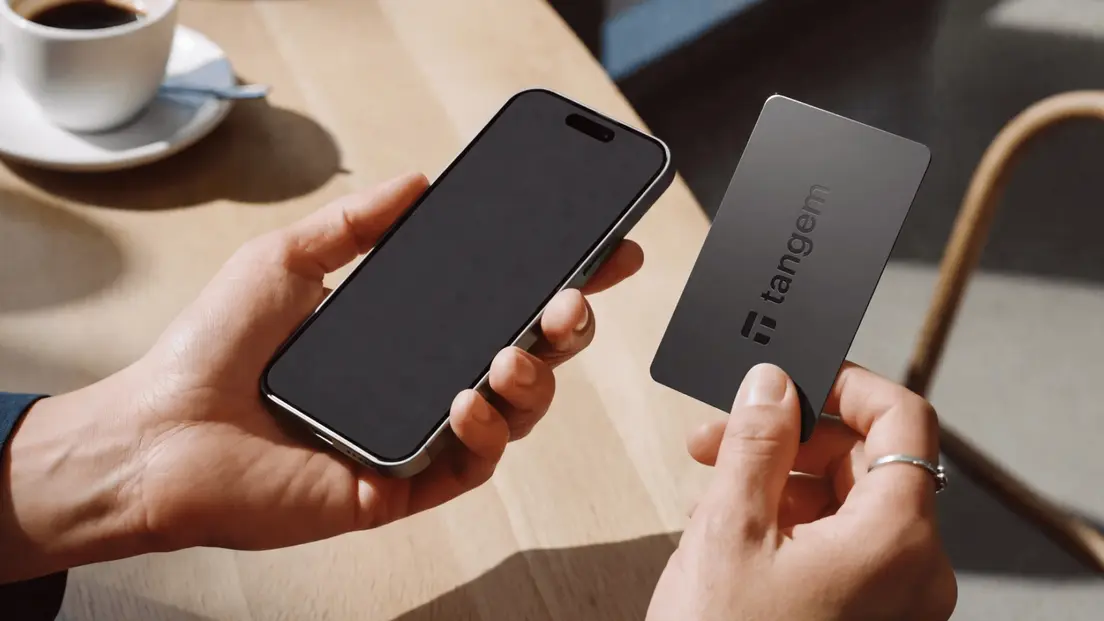
- You hold BTC, ETH, or another token in a Tangem Wallet, a self-custodial hardware wallet where the private key never leaves the secure element on the physical card.
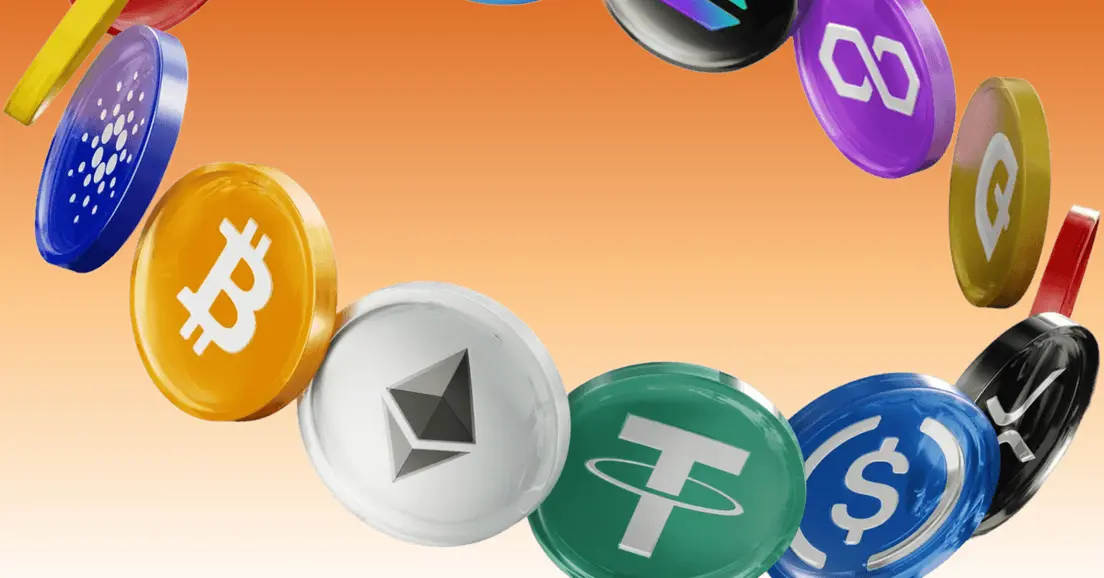
- Inside the Tangem app, you use the swap feature to convert a portion of that holding into USDC. The app aggregates rates from multiple providers (including 1inch, OKX DEX, LiFi, ChangeNOW, and others), displays slippage before you confirm, and charges a provider fee typically between 0.5% and 1.5%. You stay in self-custody throughout. Approximately 99.99% of swaps require no KYC.
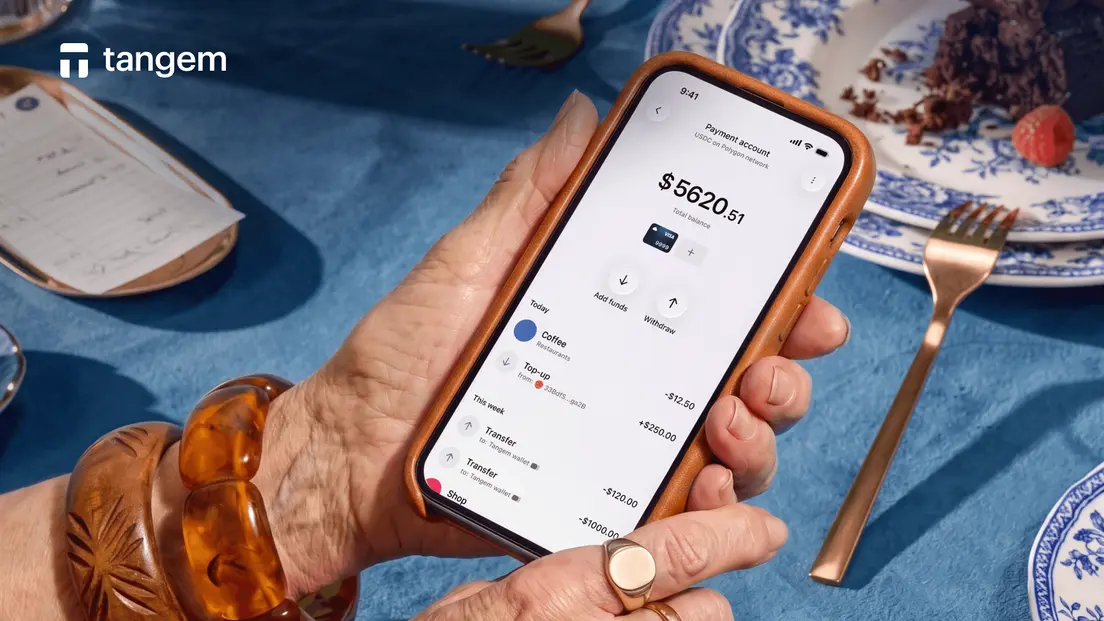
- You fund Tangem Pay with native USDC on the Polygon network. Tangem Pay is a non-custodial payment account embedded in the Tangem app, and the funds sit in a smart contract you control, not in a company's account.
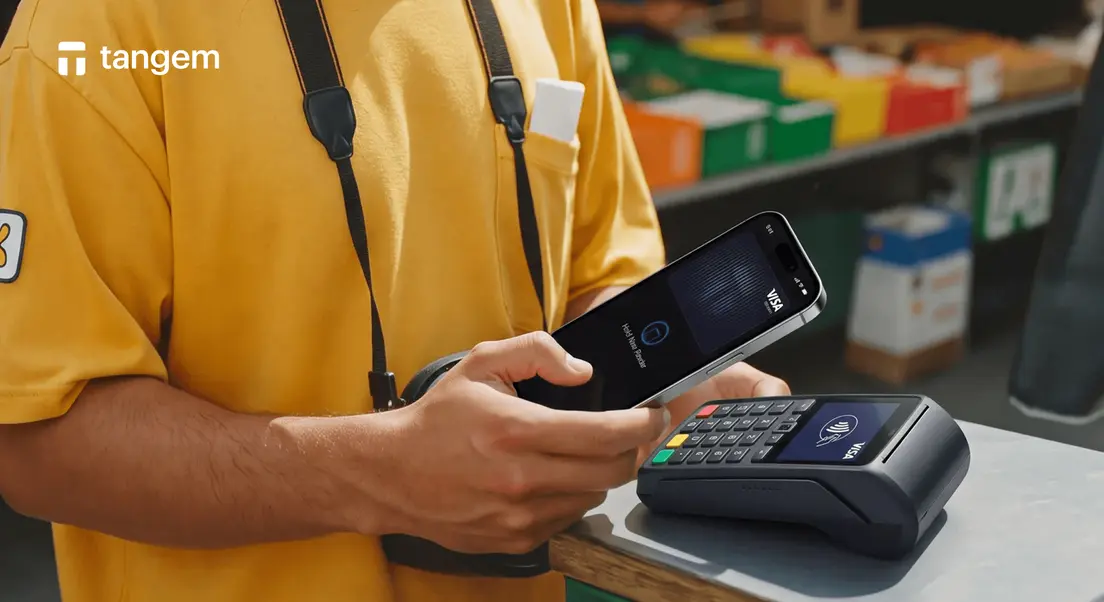
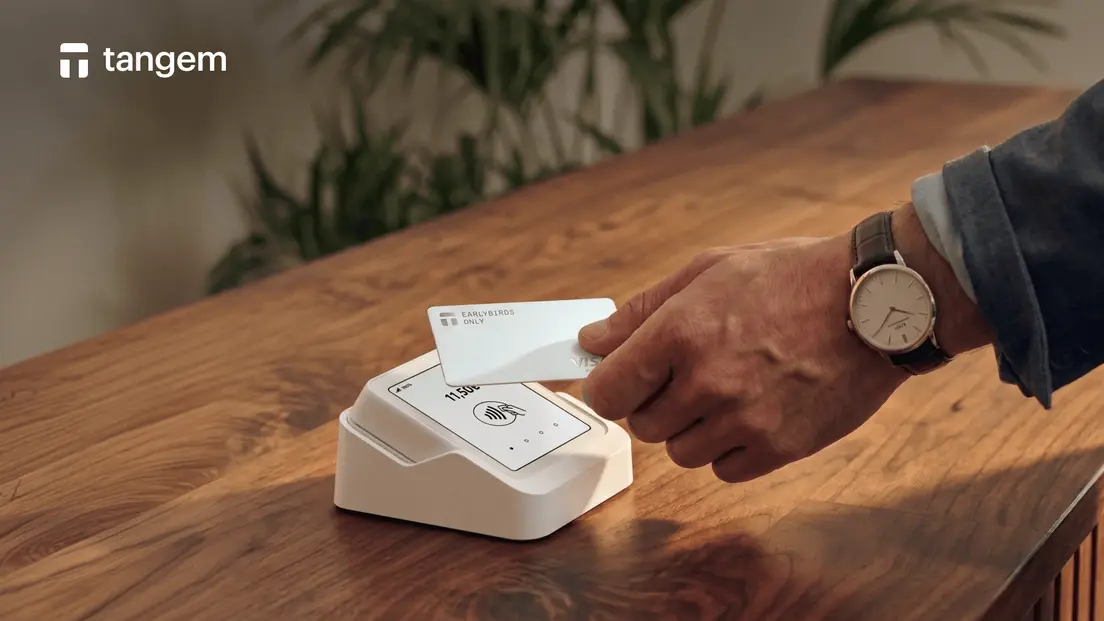
- When you spend, the USDC converts to USD at a 1:1 rate, and the transaction settles through the Visa network. The merchant receives USD.
The key point at each step: you're not handing custody to an exchange or a bank. The Tangem app communicates with the hardware card over NFC, transaction signatures are processed on the card itself, and the app alone cannot move funds without a physical tap.
Tangem Pay was introduced in app version 5.31 on December 12, 2025, with initial availability in the USA, Latin America, and Asia-Pacific (42 countries). UK and EU availability is planned for 2026.
One honest limitation: Tangem Pay requires a one-time KYC check. The main Tangem Wallet has no account registration or KYC requirement, but Tangem Pay is a regulatory-compliant spending account, so identity verification (government ID and face verification via Sumsub) is required to activate it.
Why This Matters: Keeping Your Position vs. Spending Power
The typical alternative is full liquidation: sell everything, wait for the cash, and spend it. That's fine if you're done with crypto. But if you hold BTC or ETH because you believe in their long-term value, liquidating the entire position just to cover a near-term expense is a blunt instrument.
The convert-and-spend approach lets you size the conversion to match the actual spending need. You convert 200 USDC worth of ETH to cover a specific expense, not your entire ETH stack.
Cold storage keeps private keys offline and suits long-term holders with significant holdings precisely because it separates the asset from daily spending risk. Self-custody gives the user full control over private keys, but it also shifts the responsibility for security and recovery entirely to that user. That's a real trade-off, not a footnote.
Here's what that means practically: if all your Tangem cards are lost and you haven't set up a BIP39 seed phrase, the funds are permanently inaccessible. Tangem supports an optional seed phrase for recovery on other wallets, but the documentation notes this reintroduces seed-phrase risk. Plan your backup before you fund the wallet.
Tax Considerations (General Information, Not Advice)
This section is general information only. It is not tax advice. Consult a qualified tax professional for guidance specific to your situation and jurisdiction. With that said, the pattern across jurisdictions is consistent enough to be useful. In the US, the IRS treats cryptocurrencies as property.
Swapping $200 worth of ETH for $200 USDC, for example, changes the asset you hold and is generally a taxable disposition. A transfer between wallets you already own is non-taxable, but an actual swap is not covered by that rule.
Canada classifies crypto as property and treats a crypto-to-crypto trade as a disposal event. The UK takes the same position: every disposal, including swapping, can trigger a taxable event. Germany has its own holding-period and annual-threshold framework, which illustrates why a single global answer doesn't exist.
What you should record for each conversion, at a minimum:
- Date of the conversion
- The asset converted (e.g., ETH) and the amount
- The USDC amount received
- The market value of the original asset at the time of conversion
- Your original cost basis for that amount of ETH (or BTC, or other asset)
That recordkeeping baseline appears in Canadian tax guidance and maps closely to what UK guidance requires (date, asset, GBP value at time of disposal, cost basis, gains, and losses). Your actual tax liability depends on your jurisdiction, your cost basis, and your holding period. A tax professional can apply those specifics.
Getting Started
If you want to try the convert-and-spend flow:
- Get a Tangem Wallet (card or ring) and set it up through the Tangem app on iOS or Android.
- Transfer or buy the crypto you want to hold; the app supports 16,000+ tokens across 100+ networks.
- When you need liquidity for spending, use the in-app swap to convert the amount you need into USDC on Polygon.
- Open Tangem Pay in the app, complete the one-time KYC, and fund your payment account with that USDC.
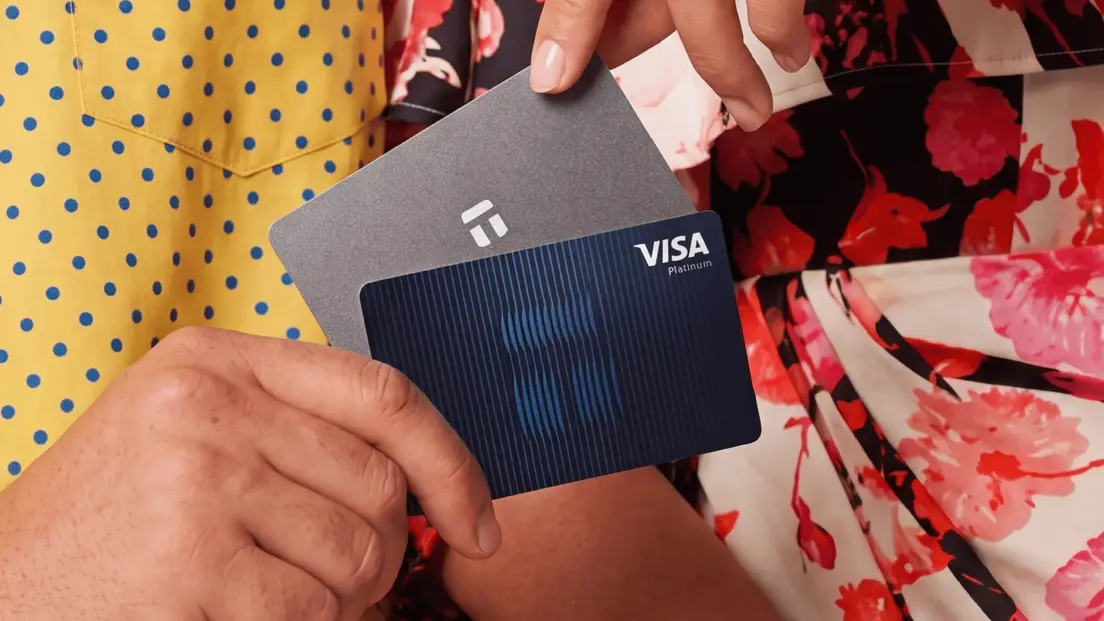
- Add the Visa card to Apple Pay or Google Pay, and spend.
The Tangem app's swap feature compares rates from 8+ providers in real time, so you're not locked into a single exchange rate. Funding Tangem Pay incurs the Polygon network fee; there are no documented purchase, monthly-account, or maintenance fees.
FAQ
-
Yes, in the sense of avoiding a separate manual sell-and-bank-withdrawal step. You can convert crypto to USDC and spend directly through a self-custody card, keeping the whole process in your own wallet. The conversion itself may still be a taxable event depending on your jurisdiction, "no bank step" and "no tax event" are not the same thing.
-
In most jurisdictions, yes. Converting one crypto asset to another (including to a stablecoin like USDC) is generally treated as a taxable disposal because you're changing the asset you hold. This varies by country and by your specific cost basis and holding period. Consult a tax professional for advice that applies to your situation.
-
No. Converting within a self-custody wallet keeps you in control of the funds throughout. You're not handing custody to an exchange or bank. In the Tangem flow specifically, funds in Tangem Pay are held in a smart contract you control, not in a company account.
-
Tangem Pay is documented as available in the USA, Latin America, and Asia-Pacific, including 42 Asia-Pacific countries. UK and EU availability is planned for 2026. Check the app before you set up the payment account, because availability depends on your supported region.
-
If a Tangem Pay card is frozen or disconnected from the Visa network, the on-chain USDC balance in your Tangem Pay smart contract is unaffected. The spending card and the on-chain balance are separate. For the main Tangem Wallet, if all cards are lost and no seed phrase was set up, funds become permanently inaccessible, which is why setting up backup cards or an optional BIP39 seed phrase before funding is worth doing.


Don't miss these 

Other articles

