 Switch to seedless. Get 30% off with SWITCH30 till Oct 21


Best Crypto Wallets of October 2026 (Google Ratings)
Discover the top crypto wallets, focusing on security and user experience as rated on the Google Play Store.
This article is available in the following languages:

Discover the top crypto wallets for September 2026, focusing on security and user experience as rated on the Google Play Store. Choosing the right crypto wallet is one of the most important decisions for anyone holding digital assets. With dozens of options available, the best crypto wallet depends on security, ease of use, supported blockchains, and how you plan to use your crypto. This guide covers the best crypto wallets, based on features, Google ratings, and practical use cases, so you can confidently choose the wallet that fits your needs.
Quick Comparison: Best Crypto Wallets of 2026
Wallet | Type | Best For | Google Rating | Price |
Tangem | Cold / Hardware | Security & Beginners | 4.9/5 | From $54.90 |
MetaMask | Hot / Browser | Ethereum & DeFi | 4.4/5 | Free |
Phantom | Hot / Mobile | Solana | 4.8/5 | Free |
Trust Wallet | Hot / Mobile | Multi-chain | 4.6/5 | Free |
Ledger | Cold / Hardware | Advanced users | 4.7/5 | From $79 |
Exodus | Hot / Desktop | Desktop users | 4.6/5 | Free |
How to Choose the Best Crypto Wallet
When selecting a cryptocurrency wallet, focus on the following criteria:
1. Security Features
Security should always come first. Look for wallets that offer:
- Self-custody of private keys
- Hardware or cold storage options
- Strong encryption and secure backups
- Protection against phishing and unauthorized access
Hardware wallets and non-custodial wallets generally provide the highest level of security.
2. Ease of Use
A good wallet should feel intuitive, especially for beginners. Clear navigation, simple onboarding, and reliable mobile or desktop apps make a big difference in daily use.
3. Blockchain Compatibility
Choose a wallet that supports the blockchains and tokens you actually use, whether that's Bitcoin, Ethereum, Solana, or multiple networks. Cross-chain support is beneficial for diversified portfolios.
4. DeFi, NFT, and Staking Support
If you plan to interact with DeFi platforms, NFTs, or staking, ensure the wallet integrates smoothly with dApps and supports these features natively.
5. Price and Reputation
For hardware wallets, compare pricing and long-term value to ensure optimal investment. Always check Google reviews and user feedback to understand reliability, customer support quality, and real-world performance.
Types of Crypto Wallets
You can categorize crypto wallets into two main types: hot wallets and cold wallets, with variations such as custodial and non-custodial.
Custodial vs Non-Custodial Wallets
The most important distinction to understand before choosing a wallet is custodial vs non-custodial, since it determines who actually controls your private keys.
- Custodial wallets: Managed by third parties such as exchanges like Coinbase or Binance. They are convenient but do not give you complete control over your private keys.
- Non-custodial wallets: You fully control your private keys and funds. Examples include hardware wallets such as Tangem and software wallets such as MetaMask and Phantom.
Hot Wallets (Online Wallets)
Hot wallets stay connected to the internet and are ideal for frequent transactions.
- Mobile wallets: Trust Wallet, Phantom
- Browser wallets: MetaMask
- Exchange wallets: Binance, Coinbase
Pros
- Easy access
- Fast transactions
Cons
- Higher exposure to online threats
Cold Wallets (Offline Wallets)
A cold wallet stores private keys offline, offering the highest level of security. Examples:
- Hardware wallets: Tangem, Onekey, Ledger
- Paper wallets
Pros
- Immune to online hacks
- Ideal for long-term storage
Cons
- Less convenient for frequent DeFi use
Top Hot Wallets of September 2026
Hot wallets are software-based wallets that connect to the internet, offering convenience and accessibility for managing cryptocurrencies. Here's a list of the top hot wallets in 2026, along with their pros and cons:
1. Tangem Mobile
Tangem Mobile is the companion app for Tangem's hardware wallet cards and also functions as a standalone mobile wallet. Built by the same team behind the industry's highest-rated hardware wallet, it brings Tangem's clean UI philosophy to a pure software experience. The app supports over 80 blockchain networks, built-in exchange via third-party integrations, staking, NFT management, and DeFi access through WalletConnect.
Beyond the basics, Tangem Mobile offers features you won't find bundled together anywhere else. Tangem Pay lets you spend crypto (USDC) directly from self-custody via Apple Pay and Google Pay. Yield Mode puts idle assets to work, earning passive income without ever leaving the app. With native RWA support, users can access tokenized real-world assets directly from their wallets.
Supported blockchains and platforms: 91+ networks including Bitcoin, Ethereum, Solana, BNB Chain, Polygon, Avalanche, Tron, and more.
Platforms: Mobile: iOS and Android
Google rating: 4.9/5
Pros:
- Highest-rated crypto wallet app on Google Play
- Seamless hardware + software wallet integration — use it with Tangem cards or standalone
- Clean, beginner-friendly UI with no bloat
- Supports staking, DeFi, NFTs, and multi-chain management natively
Cons:
- Some advanced DeFi features require connecting to external dApps
2. MetaMask
MetaMask was launched in 2016 by ConsenSys, a blockchain software company focused on Ethereum-based tools and infrastructure. It started as a browser extension to simplify interactions with Ethereum dApps (decentralized applications) and quickly became one of the most popular wallets for Ethereum users. Over the years, MetaMask expanded its support to include EVM-compatible blockchains, NFTs, and DeFi platforms, making it a go-to wallet for Ethereum enthusiasts and developers.
Supported blockchains and platforms: Ethereum (and all EVM-compatible chains), Binance Smart Chain (BSC), Polygon (Matic), Avalanche (AVAX), Fantom (FTM), Arbitrum, Optimism, and other EVM-compatible networks.
Platforms: Web browsers: Chrome, Firefox, Brave, Edge (via browser extension). Mobile: iOS and Android (via mobile app).
Google rating: 4.4/5
Pros:
- Seamless integration with Ethereum-based dApps and DeFi platforms.
- Browser extension and mobile app for easy access.
- Supports ERC-20 tokens and NFTs.
Cons:
- Limited to Ethereum and EVM-compatible blockchains.
- Security relies heavily on user practices (e.g., seed phrase storage).
3. Phantom Wallet
Phantom Wallet was launched in 2021 as a user-friendly wallet designed explicitly for the Solana blockchain. It quickly gained popularity due to its sleek interface, fast transactions, and seamless integration with Solana-based dApps, NFTs, and DeFi platforms. In 2025, Phantom expanded its support to include Ethereum, positioning itself as a multi-chain wallet. Its focus on simplicity and security has made it a favorite among Solana users and newcomers to the crypto space.
Supported blockchains and platforms: Solana (SOL), Ethereum, Polygon, Base, Sui.
Platforms: Web browsers: Chrome, Brave, Firefox, Edge (via browser extension). Mobile: iOS and Android (via mobile app).
Google rating: 4.8/5
Pros:
- Intuitive design and friendly user interface
- Fast and streamlined Solana transactions
- Great NFT support
- Self-custodial wallet
Cons:
- Occasional bugs with the mobile app and limited customer support options.
4. Trust Wallet
Trust Wallet was founded in 2017 by Viktor Radchenko as a mobile-first cryptocurrency wallet. It gained rapid popularity due to its ease of use, multi-chain support, and strong security focus. In 2018, Binance acquired Trust Wallet, a leading cryptocurrency wallet, which further enhanced its development and integration with Binance Smart Chain (BSC).
Supported blockchains and platforms: Multi-chain support (over 70 blockchains). Mobile: iOS and Android. Desktop: no native app, but connects to desktop DApps via WalletConnect.
Google rating: 4.6/5
Pros:
- Wide range of supported blockchains
- User-friendly interface
- Built-in DApp browser for DeFi and NFT platforms.
Cons:
- Criticized for occasional bugs
- Lack of desktop support
- Limited customer service options
- Some users have reported issues with staking and transaction delays.
5. Bitget Wallet
Bitget Wallet (formerly BitKeep) is a non-custodial crypto wallet that launched in 2018. It operates independently from the exchange, giving users complete control over their private keys and assets. It was one of the first wallets to support multiple blockchains within a single app, helping to create the multi-chain wallet category.
Now, it supports over 130 blockchains and millions of tokens. Its features include token swaps, staking, market data, browsing decentralized apps (DApps), and making crypto payments with stablecoins, cards, QR codes, and in-app shopping. The mobile app is both popular and user-friendly, offering a range of basic features and advanced tools for DeFi users. A $300 million user fund, backed by the Bitget group, protects Bitget Wallet.
Supported blockchains and platforms: 130+ chains, including Bitcoin, Ethereum, Solana, Base, BNB Chain, TRON, Arbitrum, Optimism, Polygon, Avalanche, Linea, zkSync, Mantle, TON, and more.
Platforms: Mobile apps (iOS and Android), Telegram mini-app. Web browser and extension (supports WalletConnect and native dApp interactions).
Google rating: 4.5/5
Pros:
- One of the most powerful wallets for multi-chain and cross-chain swaps, supporting 130+ networks.
- Built-in gas abstraction tool GetGas facilitates seamless multi-chain transactions, and token discovery features include Bitget Wallet Alpha and MemeScan.
- Stablecoin staking and payments via crypto card, QR code, and direct in-app shopping.
Cons:
- Advanced features may be overwhelming for casual users.
6. Exodus Wallet
Exodus Wallet aims to deliver a user-friendly, visually appealing experience while supporting a wide range of digital assets. Exodus gained popularity for its sleek interface, built-in exchange feature, and support for multiple currencies. Users recognize Exodus for delivering a seamless experience to both beginners and experienced users.
Supported blockchains and platforms: Multi-chain support (over 100 cryptocurrencies). Desktop: Windows, macOS, Linux. Mobile: iOS and Android.
Google rating: 4.6/5
Pros:
- Intuitive design
- Wide range of supported cryptocurrencies
- Built-in exchange feature.
Cons:
- Lack of two-factor authentication (2FA)
- Occasional bugs & limited customer support.
- Some users have reported issues with transaction fees and speed.
7. Zengo Wallet
Zengo is unique for its use of Multi-Party Computation (MPC) technology, which eliminates the need for seed phrases and enhances security by splitting private keys into multiple parts. This innovative approach has made Zengo a popular choice for users seeking a balance between security and convenience. Over the years, Zengo has expanded its support for multiple blockchains and added features like NFT storage and fiat on-ramps.
Platforms: iOS and Android (via mobile app).
Google rating: 4.1/5
Pros:
- Highly praised for its security features (MPC technology), ease of use, and excellent customer support.
- Users also appreciate its sleek design and its resistance to seed phrase theft.
Cons:
- Supports fewer cryptocurrencies than competitors and offers limited DeFi integration.
- Occasional app performance issues.
Best Cold Wallets of September 2026
Cold wallets, also known as hardware wallets, are offline storage devices that offer the highest level of security for cryptocurrencies — see our detailed cold storage wallet guide for a deeper breakdown. Here's a list of the top cold wallets in 2026, along with their pros and cons, supported blockchains and platforms, brief histories, and Google ratings.
1. Tangem Wallet
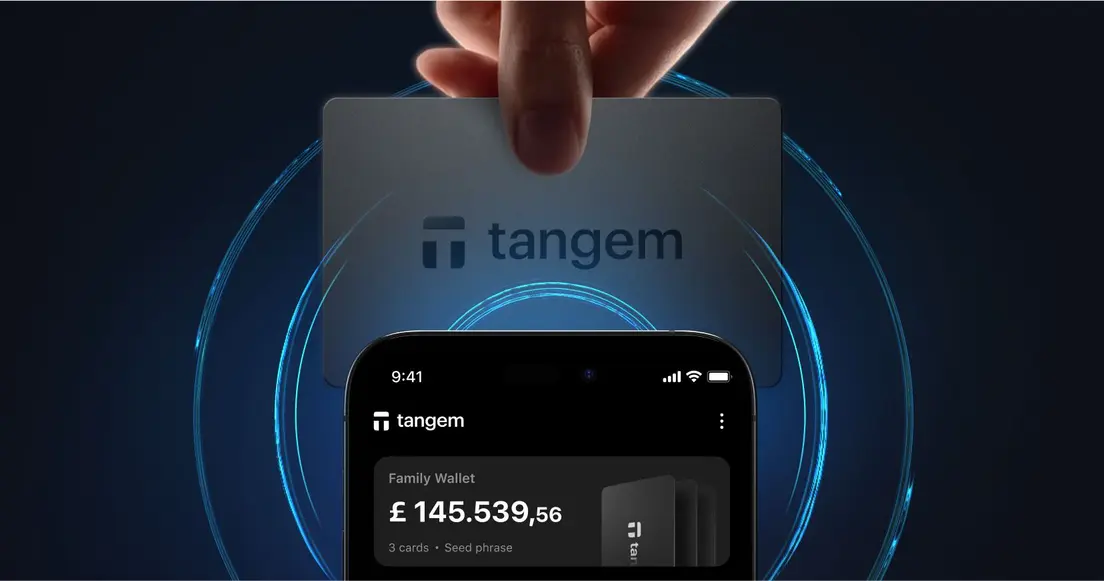
Tangem Wallet is a non-custodial hardware wallet that gives users complete control over their private keys. Unlike traditional hardware wallets, Tangem utilizes NFC-enabled smart cards, eliminating the need for seed phrases and enhancing security. Over time, Tangem has expanded its support to include a wide range of cryptocurrencies and blockchain networks, catering to both novice and experienced users.
Supported blockchains and platforms: Over 91 networks, including Ethereum, Bitcoin, Binance Smart Chain, and Polygon. Users can manage thousands of cryptocurrencies on a single card.
Platforms: iOS and Android (via mobile app).
Google rating: 4.8/5
Pros:
- User-friendly design: the NFC-enabled smart card provides a straightforward, intuitive user experience, making it accessible to users of all skill levels.
- Robust security: EAL6+ CC, patented backup technology, and non-updatable firmware make Tangem a security juggernaut.
- Extensive asset support: users can manage a diverse portfolio within a single wallet.
Cons:
- Only accessible via its mobile application, with no native desktop or web versions available.
Tangem Wallet offers a unique approach to cryptocurrency storage, leveraging NFC smart card technology to blend security and convenience.
2. Onekey
OneKey was founded in 2019 and is headquartered in Hong Kong. OneKey is a non-custodial hardware wallet ecosystem supporting over 30,000 coins and tokens across 100+ blockchains. Its flagship device, the OneKey Pro, features a touchscreen, fingerprint unlock, Bluetooth, Qi wireless charging, and air-gapped transaction signing via QR code.
The broader product line spans multiple form factors, from the slim OneKey Classic 1S to titanium seed phrase backup solutions. All firmware and hardware designs are fully open-source.
Supported platforms: iOS, Android, Windows, macOS, Linux, and browser extensions.
Google rating: 4.5/5 (as of June 2026)
Pros:
- Fully open-source firmware and hardware.
- Four EAL 6+ certified secure elements on the Pro model.
- SignGuard transaction parsing reduces the risk of blind signing.
Cons:
- The Pro model has a premium price.
- A broader ecosystem and feature set may feel complex for first-time users.
3. SafePal
Released in 2019, the SafePal S1 is a non-custodial hardware wallet supporting over 10,000 cryptocurrencies. It features a built-in camera for QR code scanning and operates in an air-gapped environment to enhance security. You manage the device via the SafePal mobile app, available on both iOS and Android.
Google rating: 4.8/5
Pros:
- Affordable price point.
- Air-gapped security with QR code transactions.
- Compact and portable design.
Cons:
- Smaller screens may make it harder to use.
- Firmware updates can be complex for some users.
4. Ledger
Launched in 2019 by Ledger, the Nano X is a non-custodial hardware wallet that supports over 5,500 cryptocurrencies. It features Bluetooth connectivity, allowing users to manage assets via the Ledger Live mobile app on iOS and Android devices. The device uses a CC EAL5+ certified secure element to safeguard private keys.
Google rating: 4.7/5
Pros:
- Supports a wide range of cryptocurrencies.
- Bluetooth connectivity for mobile access.
- Robust security features.
Cons:
- Priced higher than some competitors.
- Closed-source firmware may concern some users.
5. Ellipal
Launched in 2019, the Ellipal Titan is a non-custodial hardware wallet renowned for its air-gapped security, which means it operates without any network connections (Wi-Fi, Bluetooth, or USB). It supports over 10,000 cryptocurrencies across multiple blockchains and features a touchscreen for user interaction. The device uses QR codes for transaction signing and verification.
Google rating: 4.0/5
Pros:
- Completely air-gapped for enhanced security.
- Supports a vast array of cryptocurrencies.
- Durable metal construction.
Cons:
- Lacks real-time connectivity; requires QR code scanning.
- Bulkier compared to some other hardware wallets.
Top Choices of Crypto Wallets
Choosing the right cryptocurrency wallet depends on your specific needs, such as ease of use, security, or compatibility with particular blockchains. Here's the information organized into a comparison table for easy reference:
Category | Wallet (Type) | Key Characteristics | Platforms | Price | Google Rating |
Best Overall | Tangem Wallet (Cold) | Simple, intuitive interface; integrates with 3rd party exchanges; supports Ethereum, ERC-20 tokens, and DeFi. | iOS, Android | From $54.90 | 4.9/5 |
Best for Solana | Phantom Wallet (Hot) | Supports five blockchains, a built-in DApp browser, and a user-friendly mobile app. | iOS, Android | Free | 4.8/5 |
Best for Desktop | Exodus Wallet (Hot) | Sleek interface; supports 100+ cryptocurrencies; built-in exchange and staking. | Windows, macOS, Linux, iOS, Android | Free | 4.6/5 |
Best for Ethereum | MetaMask (Hot) | Integrates with Ethereum dApps and DeFi; supports ERC-20 tokens and NFTs. | Chrome, Firefox, Brave, Edge, iOS, Android | Free | 4.4/5 |
Best for DeFi | Rabby Wallet (Hot) | Built-in DeFi staking and earning; non-custodial; supports multiple cryptocurrencies. | iOS, Android | Free | 4.8/5 |
Best MPC Wallet | Zengo Wallet (Hot) | Uses MPC technology for enhanced security, has no seed phrases, and is user-friendly. | iOS, Android | Freemium | 4.1/5 |
Best Crypto Wallet Overall: Tangem Wallet
Tangem Wallet stands out as the best crypto wallet overall in 2026 thanks to its balance of simplicity, security, and broad asset support. Its NFC-based smart card design eliminates seed-phrase risks while maintaining full self-custody.
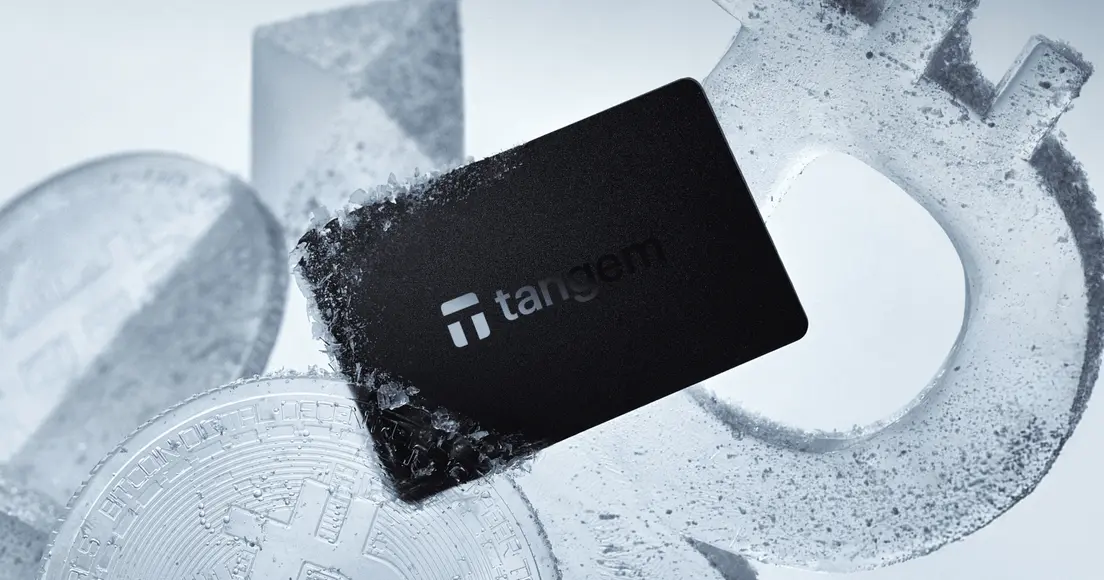
With zero recorded hacks, audited open-source code, and resistance to extreme physical conditions, Tangem is ideal for both beginners and experienced users seeking long-term security without added complexity.
Best Mobile Wallet: Phantom Wallet for Versatility
Phantom Wallet is a user-friendly, non-custodial wallet primarily designed for the Solana blockchain, now expanding to support Base, Sui, Ethereum, and Polygon networks. Available as a mobile app for iOS and Android, it offers seamless integration with decentralized applications (dApps), token swaps, and NFT management, making it a versatile choice for mobile users engaged in various blockchain ecosystems.
Best Desktop Wallet: Exodus Wallet
Exodus Wallet is a non-custodial software wallet renowned for its intuitive design and extensive support for a wide range of cryptocurrencies. Available as a desktop application, it enables users to manage multiple assets, conduct in-app exchanges, and track their portfolio performance. Its user-friendly interface and continuous updates make it a preferred choice for desktop users seeking comprehensive multi-currency support.
Best Ethereum Wallet: MetaMask for dApp Integration
MetaMask is a widely used, non-custodial wallet designed for the Ethereum blockchain, available as both a browser extension and a mobile app. It excels at seamless integration with decentralized applications (dApps), enabling users to interact directly with DeFi platforms, NFT marketplaces, and other Ethereum-based services from the wallet. Its open-source nature and active development community further enhance its appeal to Ethereum enthusiasts.
Best Crypto Wallet for Beginners in 2026
If you're new to crypto, Tangem is the easiest wallet to start with, and it wins this category for three reasons. First, there's no seed phrase: you never have to write down or safeguard 24 random words, which is the single biggest source of beginner mistakes and lost funds. Second, setup takes about three minutes from unboxing to your first transaction, guided entirely through the mobile app with no technical steps in between. Third, Tangem holds a 4.9/5 rating on Google Play, built on real user reviews rather than marketing claims, which reflects how smoothly it actually performs for first-time users day to day. Ready to start? Shop Tangem and set up your first wallet in minutes.
Best Free Crypto Wallet
If cost is your main concern, several reputable wallets offer free downloads and use. MetaMask, Phantom, and Trust Wallet are all completely free software wallets, and Tangem Mobile is a free app as well — you only pay if you choose to add Tangem's physical hardware cards for cold storage.
- Tangem Mobile — free app (paid only if you add the physical hardware)
- MetaMask — completely free
- Phantom — completely free
- Trust Wallet — completely free
Best Hot Wallet in 2026
For active use, Phantom is the top hot wallet for Solana, and MetaMask leads for Ethereum, both scoring well above 4.4/5 on Google Play. A hot wallet stays connected to the internet, which makes it convenient for DeFi, swaps, and everyday dApp interactions, but that same connectivity exposes it to more online threats than a cold wallet. See our full Top Hot Wallets breakdown above for a side-by-side look at all seven options.
Best Bitcoin Wallet in 2026
For long-term Bitcoin holders, Tangem is the safest option: as a cold wallet, it keeps your BTC private keys fully offline on an NFC smart card, with EAL6+ certified hardware and zero recorded hacks to date. Tangem explicitly supports Bitcoin alongside 90+ other networks, so you're not limited to a single-asset device. If you trade more actively, Phantom and Trust Wallet both support BTC and are better suited to frequent transactions, though, as hot wallets, they trade some security for convenience.
This article presents a selection of wallets tailored to various user preferences and needs, helping you choose the best option for secure, efficient crypto management. Comparing hardware options in more depth? See our detailed cold wallet comparison.
FAQ
-
A crypto wallet is a tool that stores and manages your private and public keys, allowing you to send, receive, and control cryptocurrencies on the blockchain. It does not store coins directly but provides access to your assets.
-
You need a cryptocurrency wallet to store digital assets and maintain secure control over them. Without a wallet, your funds remain exposed to third-party risks such as exchange hacks or account freezes.
-
Tangem is considered the safest crypto wallet, due to its EAL6+ certified hardware, non-updatable firmware, and zero recorded hacks since launch. As a cold wallet, it also keeps private keys fully offline.
-
Yes. You can transfer crypto from an exchange to your wallet by entering your wallet’s public address and confirming the transaction.
-
Many users use more than one wallet: A hot wallet for daily transactions A cold wallet for long-term storage This setup balances convenience and security.
-
Hot wallets are connected to the internet and are convenient for frequent use. Cold wallets store private keys offline and are best for long-term security.
-
To keep your wallet secure, use a non-custodial wallet, enable biometric or PIN protection, store backups offline, never share recovery details, and be cautious of phishing attempts.
-
People often call a crypto wallet a digital wallet for cryptocurrency. A crypto wallet generates and protects the private keys used to control your coins and to sign transactions on the blockchain. Digital wallets come in two main forms: software wallets (mobile, desktop and browser wallets), which store keys on an internet-connected device, and hardware wallets, which generate and protect keys inside a dedicated device and sign transactions without exposing them. Tangem is a hardware crypto wallet, while apps like MetaMask or Trust Wallet are software wallets.
-
Tangem is the best crypto wallet overall in 2026, rated 4.9/5 on Google Play, thanks to its no-seed-phrase design, strong security certification, and beginner-friendly setup — see the comparison table above for how it stacks up against MetaMask, Phantom, and other top options.


Don't miss these 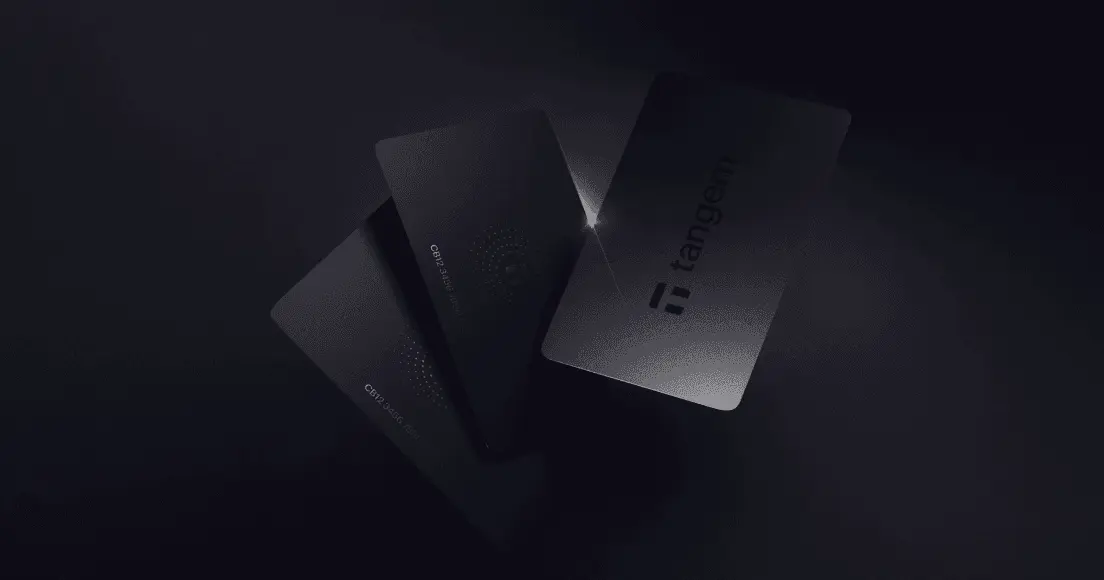
Other articles

