


How LATAM Freelancers Get Paid in Crypto
Ця стаття доступна такими мовами:
SWIFT transfers often take 3 to 5 days. By the time the wire clears, the exchange rate has moved, the bank has taken its cut, and you're left wondering why you're subsidizing a correspondent bank you never chose. That friction is why crypto use for LATAM freelancer payments has been growing steadily. A Deel report found that the use of crypto salaries in the region rose from 61% to 64% in 2022.
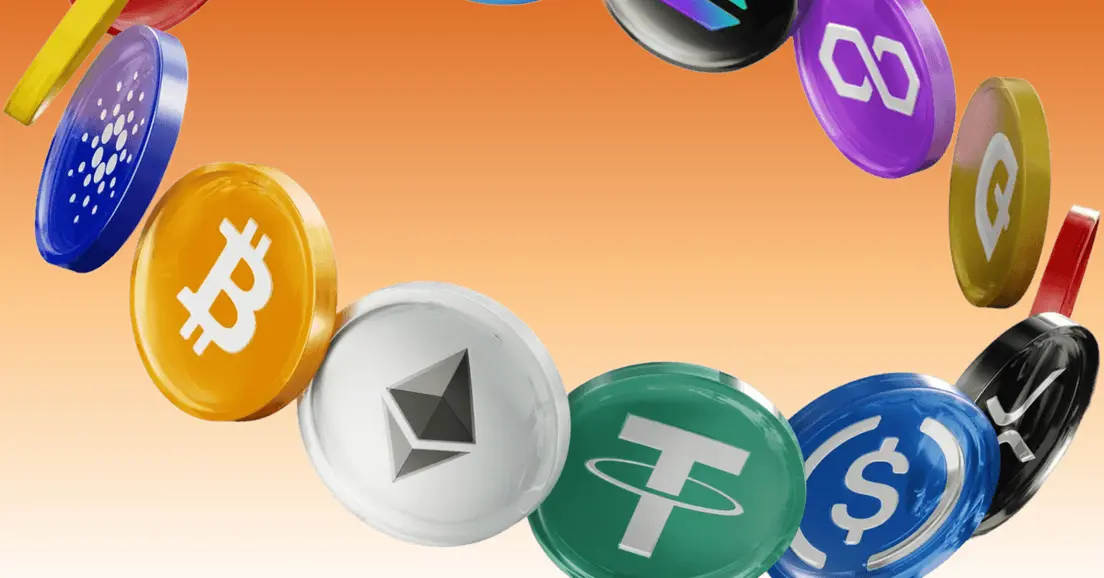
Freelancers and contractors in Argentina, Venezuela, and across the region are increasingly receiving USD-denominated stablecoins, specifically USDT and USDC, directly on-chain rather than waiting for a wire that may or may not arrive intact. The appeal is structural. Traditional cross-border rails are slow and fee-heavy. Local systems like PIX in Brazil, SPEI in Mexico, and CBU/ALIAS in Argentina can be fast and cheap for domestic transfers, but they don't solve the dollar problem. If your client is in the US or Europe and you need dollars, crypto is often the most direct path.
But receiving crypto is only half the equation. What you do with it after receipt, how you store it, when you convert, and what records you keep, shape whether this actually works for you or creates a new set of headaches.
How LATAM Freelancers Get Paid in Crypto: The Workflow
The practical workflow breaks into four distinct stages: receiving, storing, converting or spending, and recording. Each stage has different tools, trade-offs, and risks.
Stage 1: Receiving the Payment
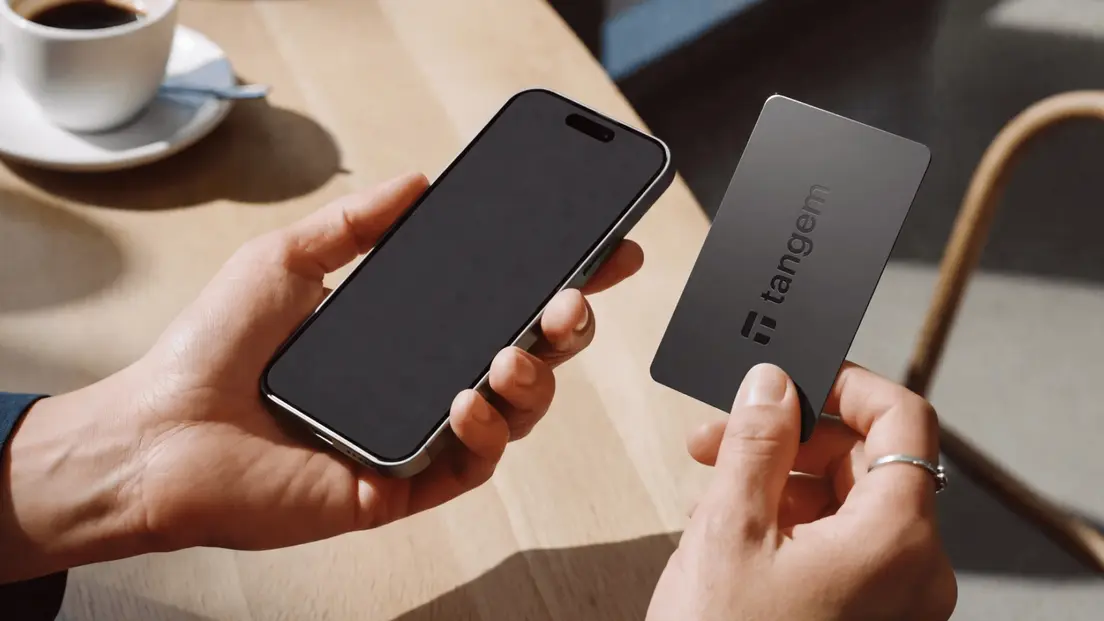
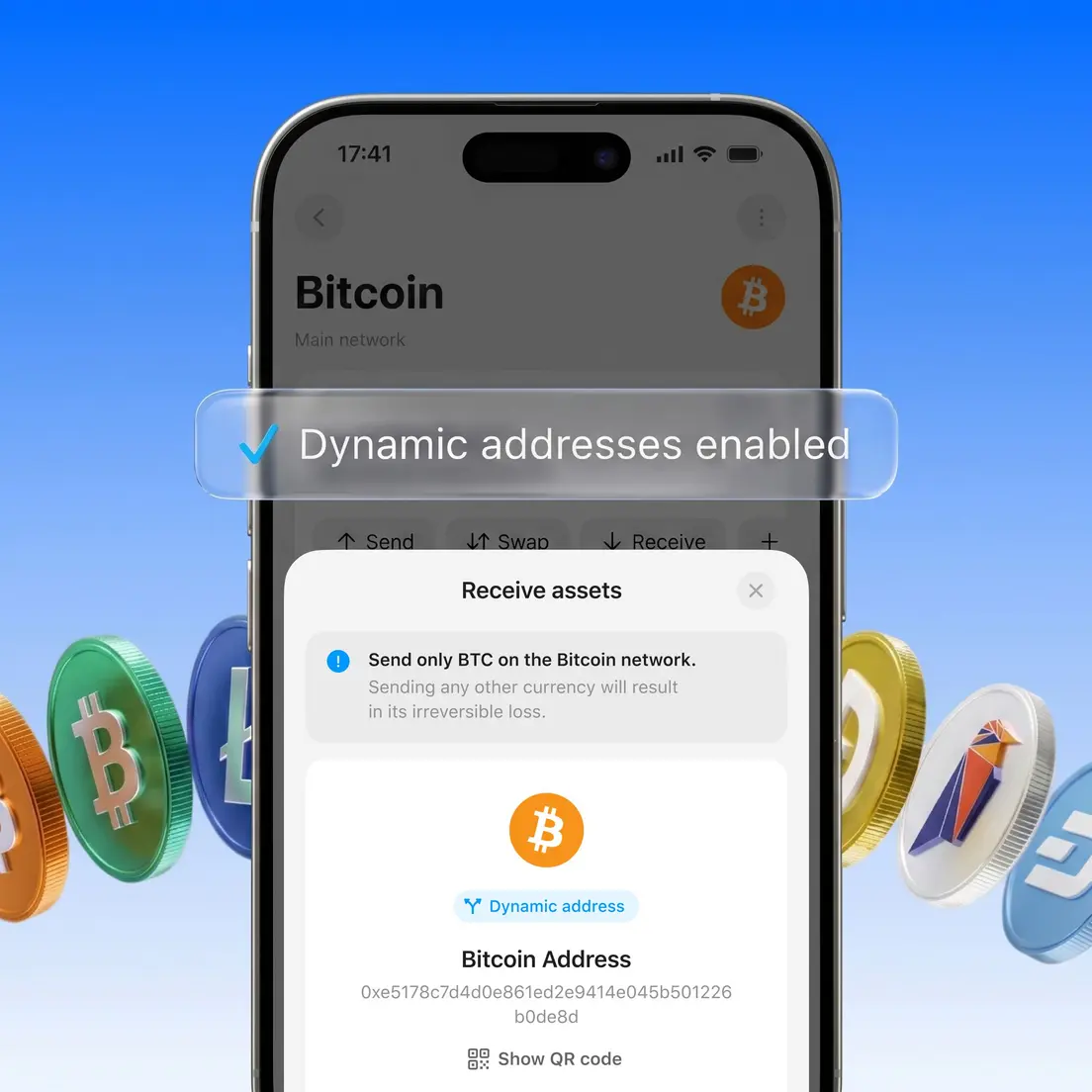
Your client sends crypto to your public address. For a $1,000 USDC invoice, open USDC on the agreed network in the Tangem app and share the generated address or QR code. The corresponding private key authorizes later transactions and never needs to leave your wallet. Confirm the network with your client and make sure your receiving address matches it.
Stage 2: Storing What You Earned
This is where most freelancers make a consequential decision without realizing it.
A hot wallet stays connected to the internet. It can receive, send, and hold assets in real time. The trade-off is that constant connection increases exposure to cyber threats. An exchange wallet is both internet-connected and custodial, meaning the exchange holds the private keys, not you. That's a meaningful distinction: if the exchange freezes withdrawals, gets hacked, or goes insolvent, your funds are at risk.
Self-custody means your wallet controls the private key. Say a $2,000 USDC payment arrives on a Friday. You can keep part available for expenses and shift the rest to your hardware wallet. No third party can stop you from doing so, but you must keep the recovery method safe. Lose it, and no third party can restore access.
For most freelancers, a practical separation works well: keep near-term spending funds in a hot wallet and move the bulk of your holdings to cold storage. Hot wallets are best suited to daily transactions and small balances. Cold wallets are intended for long-term storage and larger holdings.
Cold storage means the private key is generated and held offline. A hardware wallet generates and stores private keys on a dedicated physical device, signs transactions internally, and returns only the signed transaction for broadcast. The private key never touches an internet-connected environment.
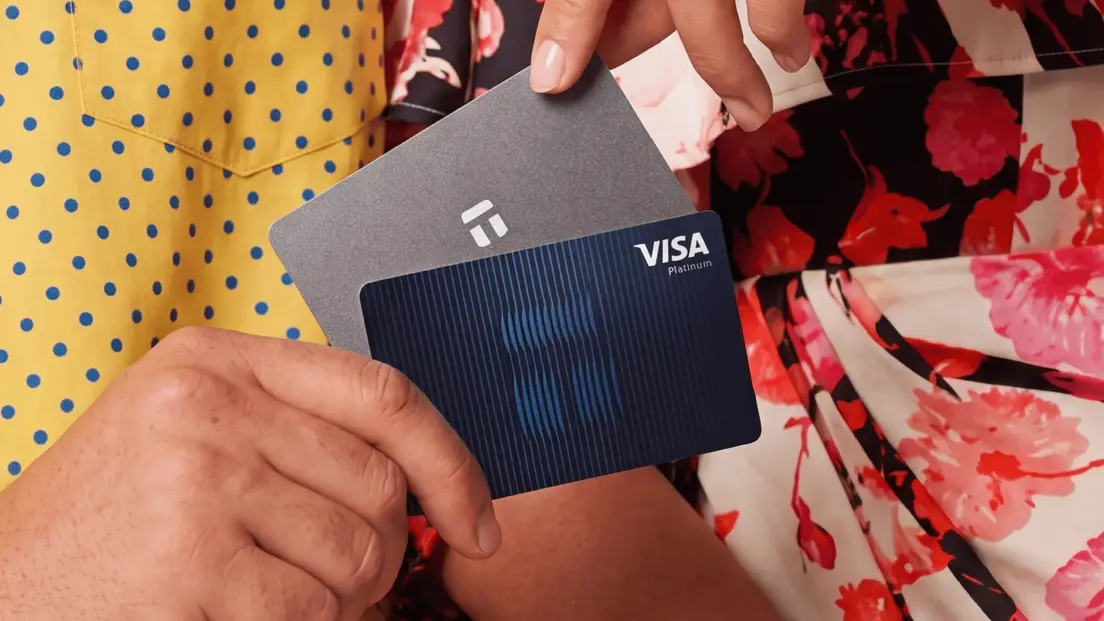
The Tangem Cold Wallet is one option here. It's a self-custodial hardware wallet that stores private keys offline on an NFC-enabled card, available in 2-card ($54.90) or 3-card ($69.90) sets. The secure element is certified at Common Criteria EAL6+. Transaction signing happens on the card after you tap it to your phone: the app creates an unsigned transaction, the card signs it internally, and the app broadcasts the result. The private key doesn't move. The card has no battery and no updatable firmware, which removes one class of remote-exploit vectors. It supports 16,000+ cryptocurrencies across 91+ blockchain networks, and Tangem Pay lets users top up with native USDC on Polygon.
Stage 3: Converting or Spending
Once your earnings are in self-custody, you have options.
If you need local currency, the most common route in LATAM is a peer-to-peer (P2P) exchange or a regional exchange that supports local payment rails. Mercado Bitcoin, for instance, is Brazil-focused with PIX and TED support, making it best suited for users in Brazil rather than multi-country LATAM payments. Bitso serves Mexico, Argentina, and Brazil with SPEI and local bank payment support. Kaiko's LATAM market data show Bitso at roughly 40.68% and Mercado Bitcoin at approximately 9.24% of the regional market share during the measured period.
If you want to spend crypto directly without converting first, Tangem Pay is your best bet.
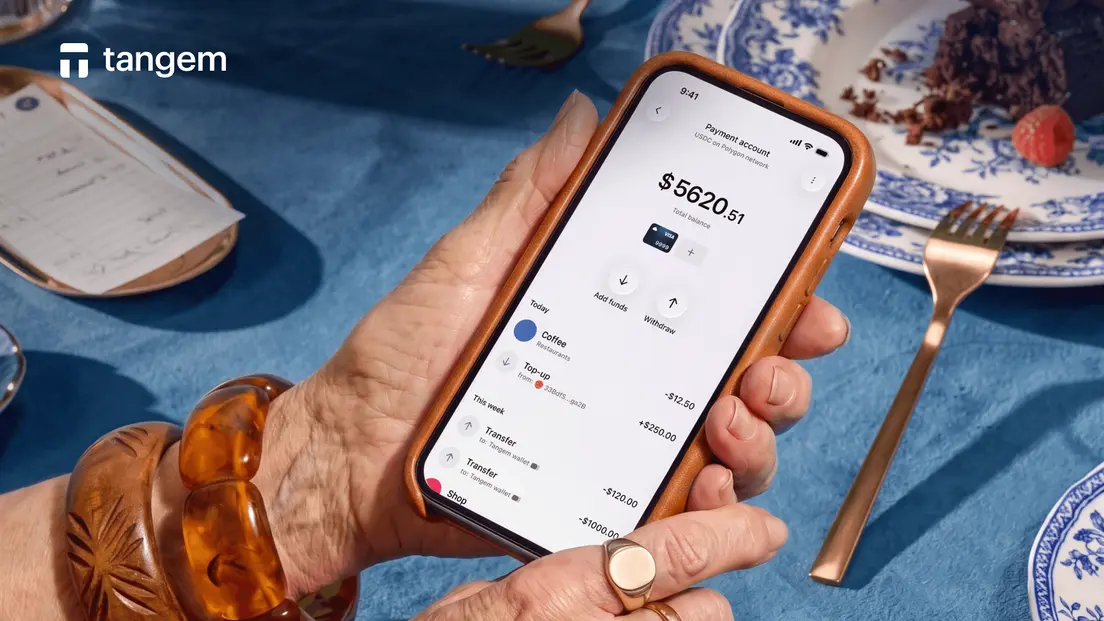
Tangem Pay is an optional, non-custodial regulated payment feature in the Tangem Wallet app, launched in December 2025.
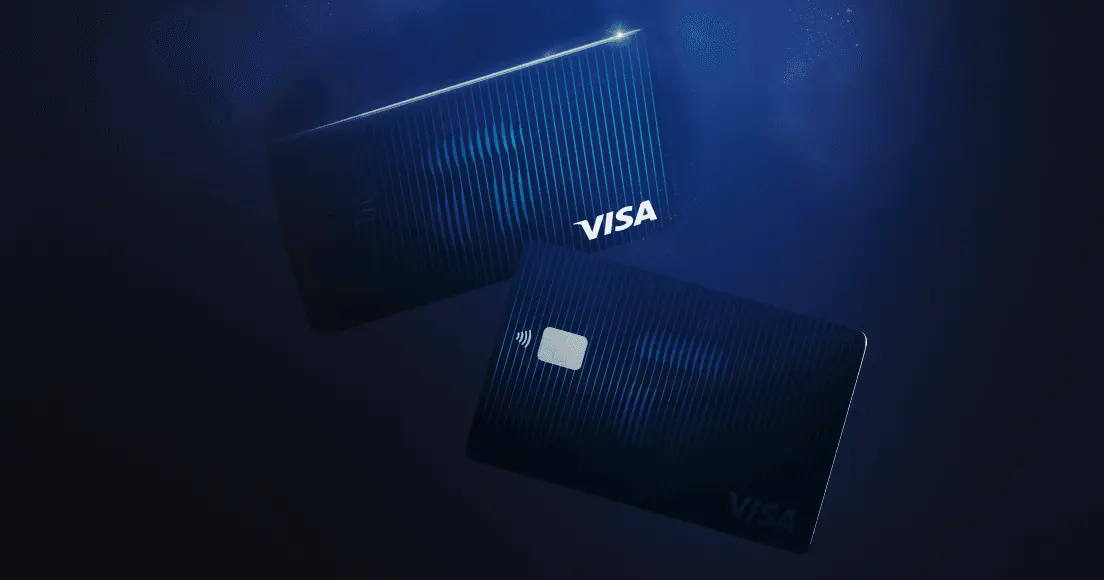
Funds remain in a user-controlled smart contract. Tangem Pay supports USDC and USDT on Polygon, Base, Binance Smart Chain, and Arbitrum. Purchases automatically convert stablecoins to USD for payment to merchants via Visa.
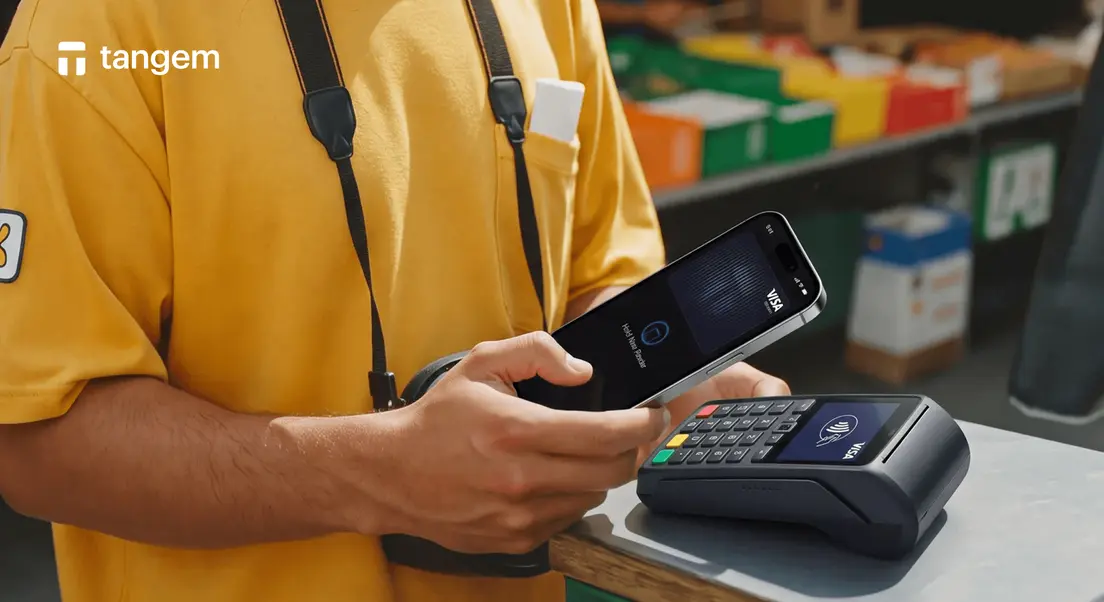
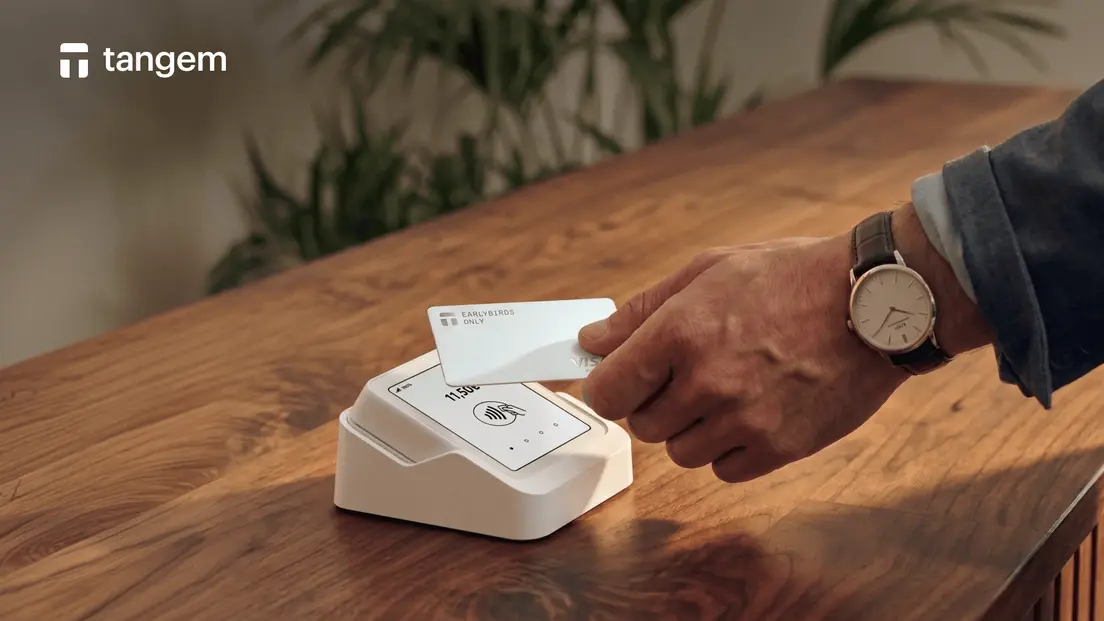
The virtual Visa card supports Apple Pay and Google Pay for online and contactless in-store payments. Daily POS limits are $10,000 on the Basic plan and $50,000 on the Plus plan.
Setup requires a Tangem hardware wallet or a backed-up Tangem Mobile Wallet, plus one-time KYC. Compliance partners only see Tangem Pay activity, keeping the main wallet history and holdings private.
Stage 4: Recording for Tax Purposes
This is the part most freelancers skip and then regret. The treatment varies by jurisdiction. In Argentina, AFIP says crypto compensation tied to Argentine-source income is subject to the cedular income tax at 5% or 15%, depending on the transaction type; taxpayers must also report holdings and transactions in annual filings.
For every payment you receive, record: the date, the USD-equivalent amount at receipt, the crypto amount, the transaction hash, and the client details. That's the minimum. A local accountant familiar with crypto taxation is worth finding before you need one.
Поширені запитання
-
Rules vary by jurisdiction, so do not treat a regional guide as legal advice. If you file taxes in Argentina, start with the Stage 4 records and ask a local crypto-aware accountant how to report the payment.
-
USDT and USDC are the stablecoins named in the workflow. Before you share an address, agree on the token and network with your client. That check matters because the payment instruction needs to match the address you provide.
-
That depends on your backup setup. With a Tangem 3-card pack, any one of the three cards provides full wallet access, so losing one card doesn't mean losing your funds. If you lose all three and didn't generate a seed phrase during setup, the funds are permanently inaccessible. That's the honest trade-off of the seedless model. With a Ledger or any seed-phrase-based wallet, anyone who finds your 24-word phrase can access your funds, so the physical security of that backup is the critical variable.
-
Not necessarily. Options like Tangem Pay let you hold USDC in a self-custodial smart contract and spend via a virtual Visa card without a manual conversion step. The conversion happens at the point of purchase. For larger amounts or regular local-currency needs, a regional exchange with local payment rail support (PIX, SPEI, CBU) is the more common route.
-
The platform will typically provide a payment record showing the date and USD-equivalent amount. You should also record the transaction hash from the blockchain, which is an immutable on-chain confirmation of the transfer. Keep both the platform record and the on-chain record. The transaction hash is the one piece of evidence that can't be altered or disputed, and it's what a tax authority would want to see if they ever asked you to substantiate the income.
-
The setup has become significantly more approachable. A Tangem hardware wallet, for instance, can be initialized in a few minutes from a mobile phone without writing down a seed phrase. The Tangem mobile app is free on iOS and Android. The more relevant question is whether you're comfortable taking responsibility for your own key management, because that's the actual shift. The technical barrier is low. The discipline barrier, keeping your backup cards secure, not sharing your access code, is the part that requires ongoing attention.
-
A self-custodial wallet means you hold the private key. The public key is used to receive funds, and only your private key can authorize outgoing transactions. An exchange wallet is custodial: the exchange holds the keys, and you access your balance through their platform. The practical difference is counterparty risk. With self-custody, no third party can freeze your balance or deny a withdrawal. With an exchange wallet, those risks exist. For regular income that you plan to hold or convert on your own schedule, self-custody is the more defensible setup.


Не пропустіть 

Інші статті

