



Bridged USD Coin (PulseChain) wallet
The most secure hardware wallet for your Bridged USD Coin (PulseChain)
Tangem secures your Bridged USD Coin (PulseChain). Discover why thousands rely on our hardware wallet for ultimate peace.
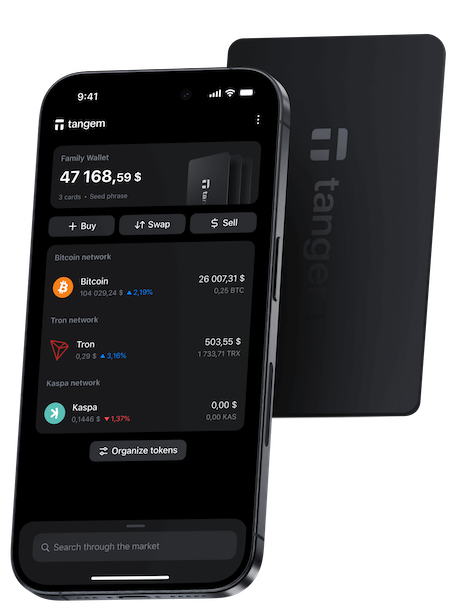

How to secure your Bridged USD Coin (PulseChain) with Tangem?
When you buy or hold Bridged USD Coin (PulseChain) in Tangem, it secures your private keys in many ways:
- With Tangem's seedless setup and multi-card backup, your Bridged USD Coin (PulseChain) stays in your hands only.
- IP69K water/dust protection keeps the cards safe from heat, cold, shocks, and X-rays.
- Access code + biometric lock inside Tangem Mobile prevent unauthorized use.
- Private keys are generated and stored inside the EAL6+ secure element — never leaving the card.
How to get a Bridged USD Coin (PulseChain) Crypto Wallet?
Tangem products are for everyone, from beginners to experts. They keep your crypto safe and easy to manage. With cutting-edge technology, Tangem lets you control and protect your digital assets.
Buy TangemWhy choose Bridged USD Coin (PulseChain) wallet with Tangem.
Privacy
No registration and KYC required to use the app. We don't track your data.

Security
Your private keys are encrypted and never leave your device. Only you have control over your funds.

Convenient designs
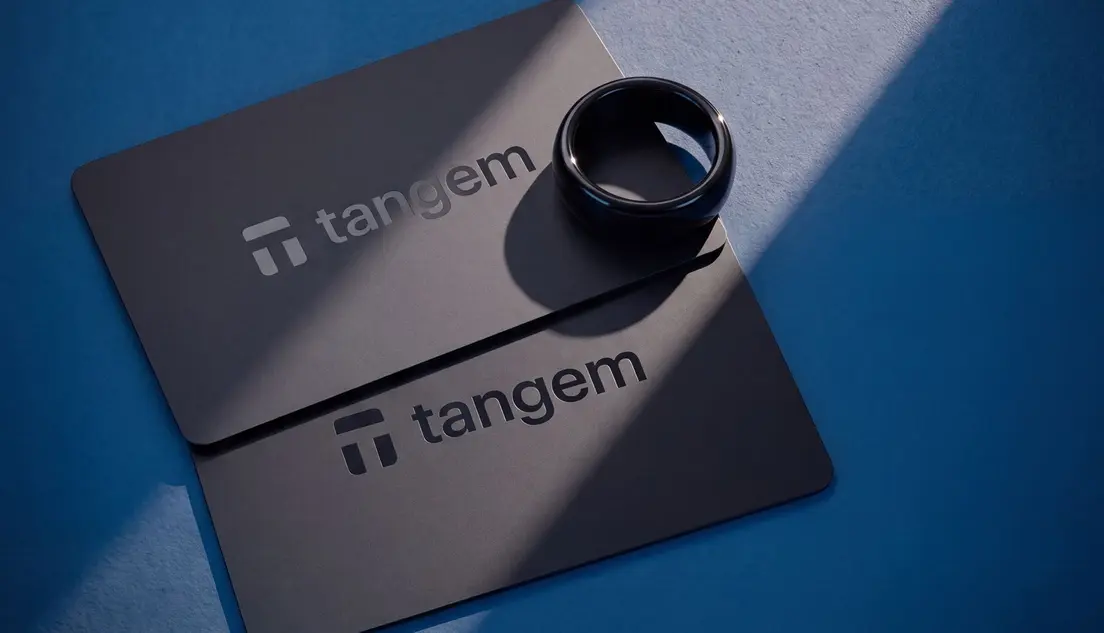
Choose from a variety of elegant designs, including unique co-branded editions and our innovative ring-form factor wallet, ensuring both style and functionality.

24/7 Customer care
Fast support for your needs. Live chat and email support for customers from all over the globe.

What is Bridged USD Coin (PulseChain) (USDC)?
A dollar token that is not the issuer's
This USDC is a PulseChain-side representation, not the token Circle issues and redeems. Its value rests on the bridging arrangement that put it there rather than on any account you could present it at, and no redemption window exists on PulseChain itself. Read the name literally: bridged, and specific to this chain.
PulseChain adds a second layer of confusion. The chain began as a copy of Ethereum's state, so contract addresses and token names from Ethereum reappear on it, and an address you own on Ethereum exists on PulseChain with the same characters. That is why a dollar token here can look byte for byte like the one you know and still be a different asset. Fees on PulseChain are paid in PLS, so a wallet holding only this USDC cannot send it.
What this means in practice for a holder: treat the PulseChain balance as its own asset, check which chain any incoming or outgoing payment is on, and do not assume a counterparty who asks for USDC will take this one.
Supported networks in Tangem (1): Pulsechain.
Tangem lists each chain's balance as its own entry and names the network a transfer is going out on, which is the detail to read before the card signs, since the identical address string exists on chains that would never accept this token. Holding it in Tangem keeps the PulseChain dollars visibly apart from every other USDC you own instead of merging them into one number.
Bridged USD Coin (PulseChain) USDC


Tangem supports other cryptocurrencies
Reliability and convenience at your fingertips. Manage thousands of cryptocurrencies with peace of mind anywhere and anytime
See all supported cryptosBridged USD Coin (PulseChain) FAQ
- A top wallet for USDC should strike a balance between safety and usability. Tangem provides this by securing keys offline while allowing quick access through your phone.
- Many Bridged USD Coin (PulseChain) wallets are free to download. Hardware wallets cost money but offer stronger security by keeping keys offline.
- The safest Bridged USD Coin (PulseChain) wallet keeps your private keys offline and protected from unauthorized access. Hardware wallets, such as Tangem, offer the highest level of protection because they isolate keys from online risks.
- This type of wallet secures the private keys required to use your Bridged USD Coin (PulseChain). Hardware wallets, such as Tangem Wallet, keep those keys offline for added protection.
- No. This is a bridged representation on PulseChain, and redemption with the issuer applies to the tokens it issues on the chains it supports.
- PLS, the chain's native coin. A wallet holding only this USDC has nothing to pay gas with.
- PulseChain started from a copy of Ethereum's state, so names and address formats repeat across the two chains even where the assets behind them are unrelated.
Related articles
Learn more

Something went wrong
Please
Don’t miss! 🚀 We drop prices for 20%
Flash sale expires soon! Stakes with BTC Reward Tap & Get

00:00:00

