
 Grab EXTRA 10% OFF


USDC wallet
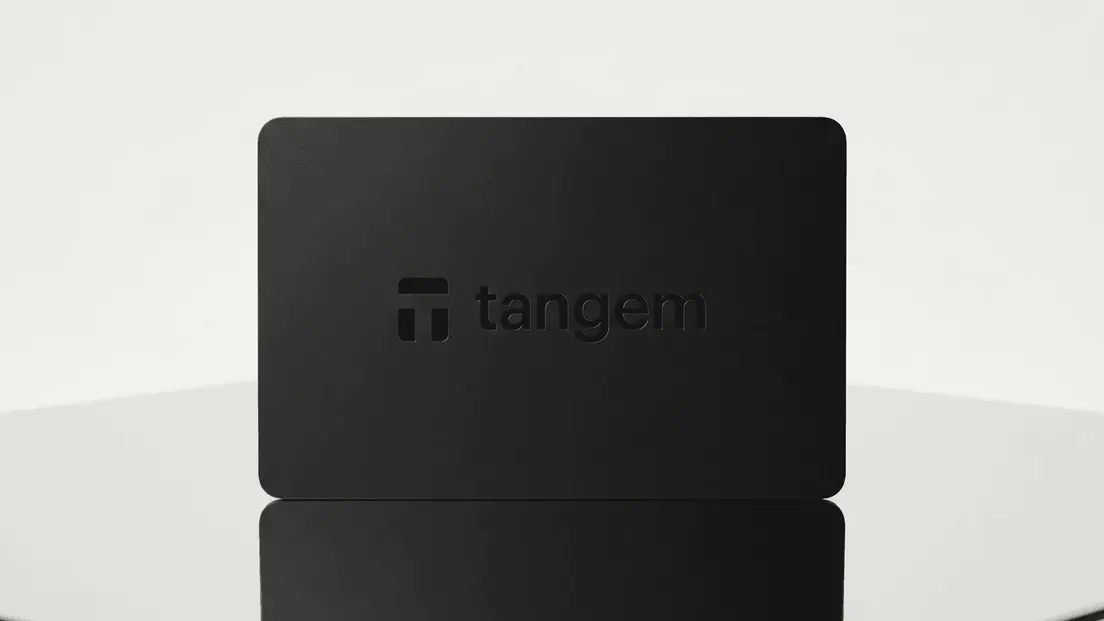
The most secure hardware wallet for your USDC
Elevate your USDC security and experience trust. Rely on Tangem, like thousands of users do.

How to secure your USDC with Tangem?
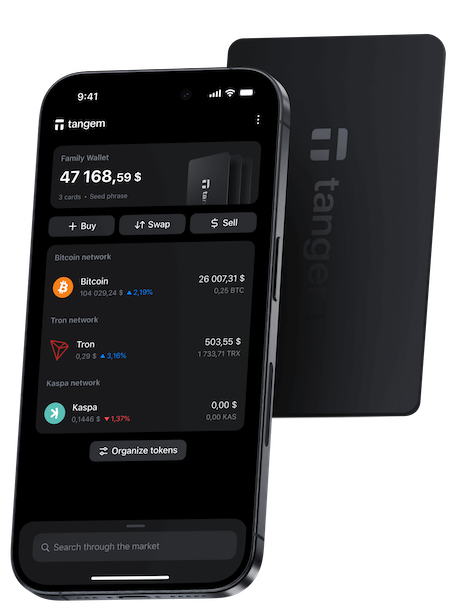
When you buy or hold USDC in Tangem, it secures your private keys in many ways:
- With Tangem's seedless setup and multi-card backup, your USDC stays in your hands only.
- IP69K water/dust protection keeps the cards safe from heat, cold, shocks, and X-rays.
- Access code + biometric lock inside Tangem Mobile prevent unauthorized use.
- Private keys are generated and stored inside the EAL6+ secure element — never leaving the card.
How to get a USDC Crypto Wallet?
Tangem products are for everyone, from beginners to experts. They keep your crypto safe and easy to manage. With cutting-edge technology, Tangem lets you control and protect your digital assets.
Buy TangemWhy choose USDC wallet with Tangem.
Privacy
No registration and KYC required to use the app. We don't track your data.

Security
Your private keys are encrypted and never leave your device. Only you have control over your funds.

Convenient designs
Choose from a variety of elegant designs, including unique co-branded editions and our innovative ring-form factor wallet, ensuring both style and functionality.

24/7 Customer care
Fast support for your needs. Live chat and email support for customers from all over the globe.

What is USDC (USDC)?
USDC is a dollar-denominated token issued by Circle against reserves held off-chain, redeemable one-for-one with the issuer by customers who hold an account there. For everyone else it is simply a token that trades and settles at a dollar, and the interesting part is how many different forms that one token takes.
Circle issues USDC natively on a long list of chains, and it also moves supply between them by burning on one side and minting on the other. A holder should know that on some networks a bridged variant circulates alongside the native one, usually under a ticker like USDC.e; those are separate tokens and are not interchangeable in a wallet.
The mechanics of holding it also change with the chain:
- On Solana, USDC sits in a token account tied to your wallet, funded with a small amount of SOL, and fees are paid in SOL.
- On TRON, transfers are paid with TRX, energy and bandwidth, which makes the cost of a send depend on how your account is set up.
- On the XRPL, USDC is an issued asset, so your account needs a trust line to it before it can receive anything.
- On the EVM chains, it is an ordinary token and the fee is that chain's native coin.
Supported networks in Tangem (22): Arc, zkSync, Optimism, Ethereum, Base, Arbitrum One, XRP Ledger, Solana, TRON, HyperEVM, Avalanche, Hedera Hashgraph, Cronos, X Layer, Polygon POS, XDC Network, Plasma, Monad, Onyx, Shibarium, Sei Network, Ink. Each of these is a separate balance in the app, and the network a transfer leaves on is shown to you before the card is tapped, so the choice is made deliberately rather than assumed. With a token that appears in this many places under one name, seeing them kept apart is the point.
USDC USDC


Tangem supports other cryptocurrencies
Reliability and convenience at your fingertips. Manage thousands of cryptocurrencies with peace of mind anywhere and anytime
See all supported cryptosUSDC FAQ
- A top wallet for USDC should strike a balance between safety and usability. Tangem provides this by securing keys offline while allowing quick access through your phone.
- Many USDC wallets are free to download. Hardware wallets cost money but offer stronger security by keeping keys offline.
- The safest USDC wallet keeps your private keys offline and protected from unauthorized access. Hardware wallets, such as Tangem, offer the highest level of protection because they isolate keys from online risks.
- This type of wallet secures the private keys required to use your USDC. Hardware wallets, such as Tangem Wallet, keep those keys offline for added protection.
- USDC is issued natively by Circle on that chain; USDC.e is a bridged version created by a third-party bridge. They are different tokens and are not interchangeable in a wallet.
- Yes. USDC lives in a token account tied to your wallet, which requires a small SOL deposit to create, and transaction fees are charged in SOL.
- On the XRPL, USDC is an issued asset, so the receiving account must first set a trust line to the issuer before the token can arrive.
Related articles
Learn more


Something went wrong
Please
Don’t miss! 🚀 We drop prices for 20%
Flash sale expires soon! Stakes with BTC Reward Tap & Get

00:00:00

