
 Grab EXTRA 10% OFF


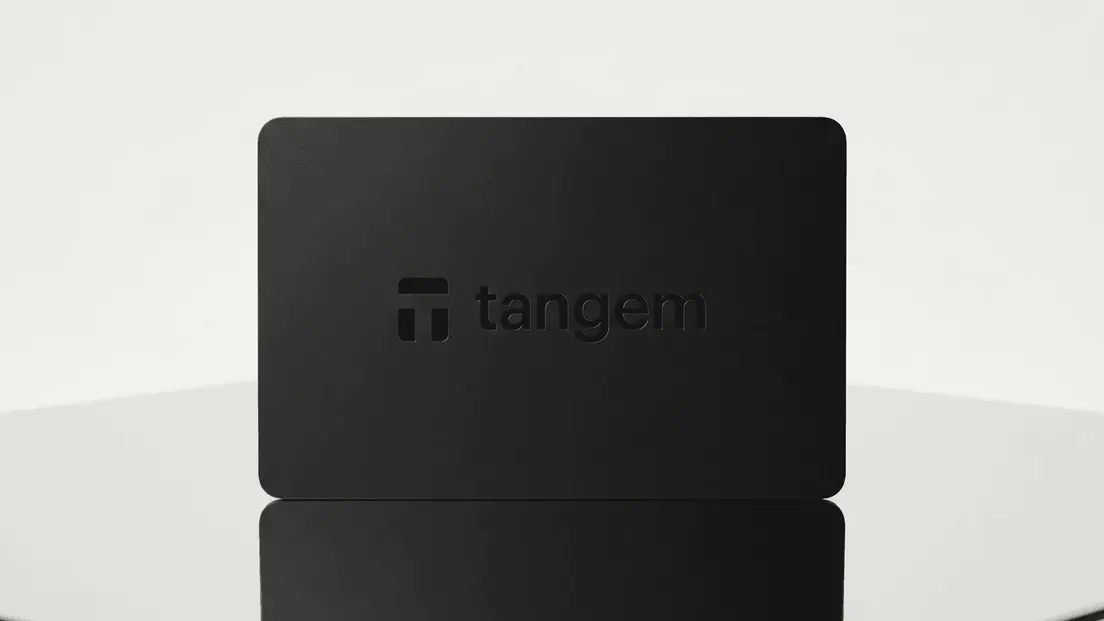
SSV Network wallet
The most secure hardware wallet for your SSV Network
Tap into the Tangem community; secure your SSV Network with the leading hardware wallet.
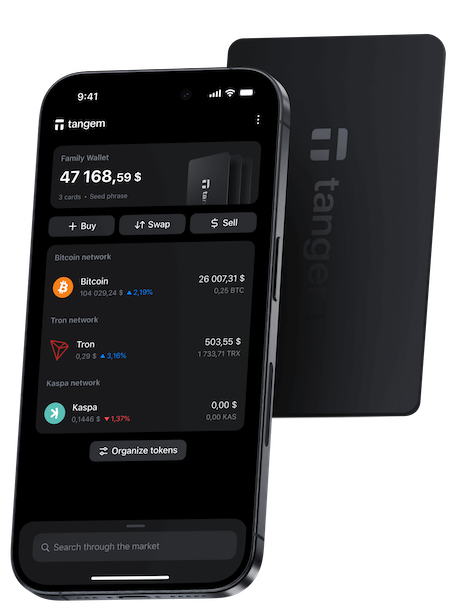

How to secure your SSV Network with Tangem?
When you buy or hold SSV Network in Tangem, it secures your private keys in many ways:
- With Tangem's seedless setup and multi-card backup, your SSV Network stays in your hands only.
- IP69K water/dust protection keeps the cards safe from heat, cold, shocks, and X-rays.
- Access code + biometric lock inside Tangem Mobile prevent unauthorized use.
- Private keys are generated and stored inside the EAL6+ secure element — never leaving the card.
How to get a SSV Network Crypto Wallet?
Tangem products are for everyone, from beginners to experts. They keep your crypto safe and easy to manage. With cutting-edge technology, Tangem lets you control and protect your digital assets.
Buy TangemWhy choose SSV Network wallet with Tangem.
Privacy
No registration and KYC required to use the app. We don't track your data.

Security
Your private keys are encrypted and never leave your device. Only you have control over your funds.

Convenient designs
Choose from a variety of elegant designs, including unique co-branded editions and our innovative ring-form factor wallet, ensuring both style and functionality.

24/7 Customer care
Fast support for your needs. Live chat and email support for customers from all over the globe.

What is SSV Network (SSV)?
SSV is the token behind distributed validator technology for Ethereum staking. Instead of one machine holding a validator key, the key is split into shares handed to several independent operators, who sign together; if one goes offline, the others keep the validator running. SSV.network is the coordination layer that makes this work, and the token is how it is paid for.
What the token actually does
Operators set a fee in SSV. Whoever runs a validator through the network funds an on-chain account with SSV, and that balance is drawn down continuously as the validator's duties are performed. Let it run dry and the cluster becomes liquidatable, so anyone operating validators this way has to watch a balance that only ever decreases. There is also a DAO side: SSV holders vote on protocol parameters and treasury decisions.
For someone simply holding the token rather than running validators, it behaves as a plain ERC-20 on Ethereum. No token account to open, no activation, transfers paid in ETH, and the balance sits at your normal Ethereum address.
Supported networks in Tangem (1): Ethereum.
A governance and fee token tends to be one you touch a handful of times a year, which makes the key more important than the interface. In Tangem the private key is created inside the card's chip and never leaves it, and the backup is simply a second identical card kept somewhere else; writing down a seed phrase remains optional rather than assumed. Keys you rarely use are exactly the ones that benefit from being stored in something physical instead of on a device you replace every few years.
SSV Network SSV


Tangem supports other cryptocurrencies
Reliability and convenience at your fingertips. Manage thousands of cryptocurrencies with peace of mind anywhere and anytime
See all supported cryptosSSV Network FAQ
- For storing and using SSV, Tangem Wallet is a strong choice thanks to its offline key storage and mobile-friendly design.
- Yes, software wallets are generally free. Hardware wallets, such as Tangem Wallet, come with a purchase because they include secure physical components.
- Online wallets can be targeted by malware, phishing, or remote attacks. The best wallets for SSV Networkminimize these risks by ensuring your private keys never come into contact with the internet, remaining protected within a secure element.
- A SSV Network wallet stores the keys that give you access to your SSV. It can be software-based or a hardware wallet like Tangem for higher security.
- It pays operators. A validator's on-chain account is funded with SSV and drawn down as duties are performed, and an account that empties leaves the cluster open to liquidation.
- SSV is an ERC-20 token on Ethereum, so transfers are paid in ETH and it arrives at your standard Ethereum address with no activation step.
- No. Running validators through the network requires SSV, but holding the token is just holding an ERC-20; the operator fee mechanics only apply once you register a validator.
Related articles
Learn more


Something went wrong
Please
Don’t miss! 🚀 We drop prices for 20%
Flash sale expires soon! Stakes with BTC Reward Tap & Get

00:00:00

