
 Grab EXTRA 10% OFF


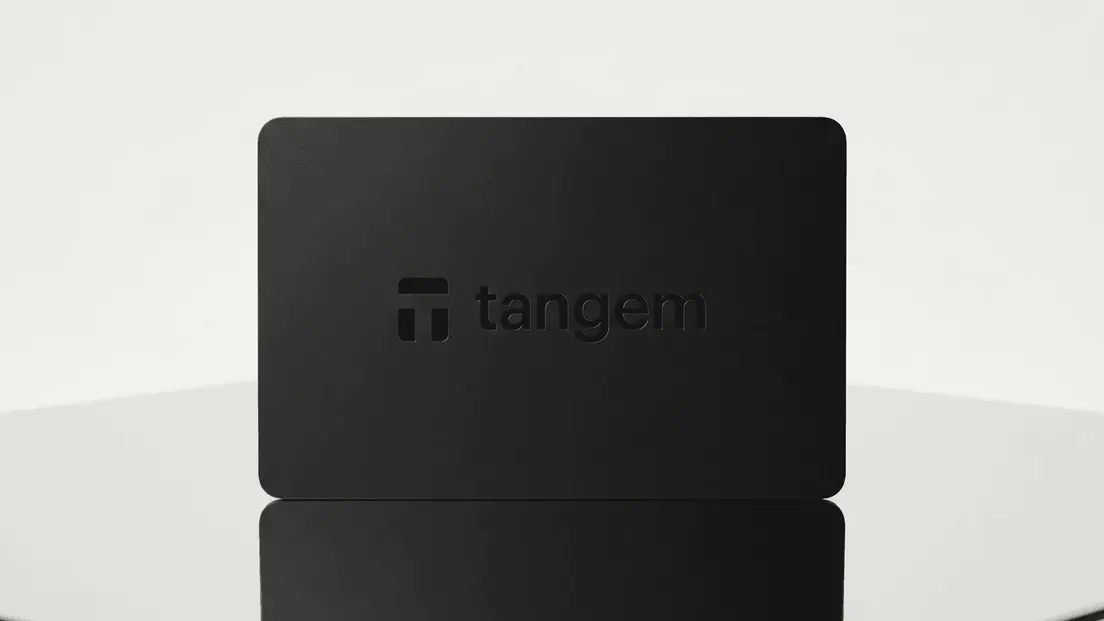
Ramses Exchange [OLD] wallet
The most secure hardware wallet for your Ramses Exchange [OLD]
Choose Tangem Wallet for your Ramses Exchange [OLD] and join thousands who prioritize secure and self-custodial storage.
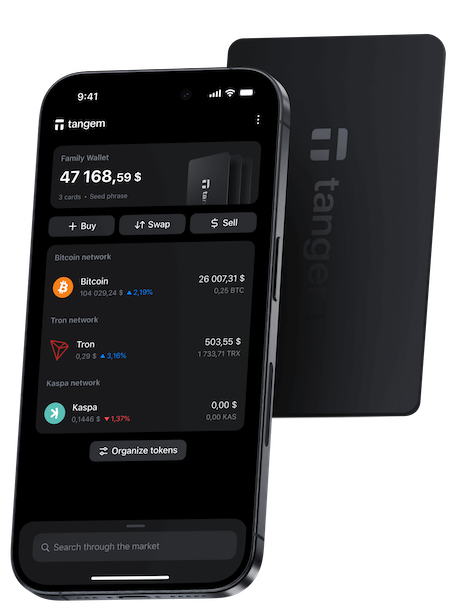

How to secure your Ramses Exchange [OLD] with Tangem?
When you buy or hold Ramses Exchange [OLD] in Tangem, it secures your private keys in many ways:
- With Tangem's seedless setup and multi-card backup, your Ramses Exchange [OLD] stays in your hands only.
- IP69K water/dust protection keeps the cards safe from heat, cold, shocks, and X-rays.
- Access code + biometric lock inside Tangem Mobile prevent unauthorized use.
- Private keys are generated and stored inside the EAL6+ secure element — never leaving the card.
How to get a Ramses Exchange [OLD] Crypto Wallet?
Tangem products are for everyone, from beginners to experts. They keep your crypto safe and easy to manage. With cutting-edge technology, Tangem lets you control and protect your digital assets.
Buy TangemWhy choose Ramses Exchange [OLD] wallet with Tangem.
Privacy
No registration and KYC required to use the app. We don't track your data.

Security
Your private keys are encrypted and never leave your device. Only you have control over your funds.

Convenient designs
Choose from a variety of elegant designs, including unique co-branded editions and our innovative ring-form factor wallet, ensuring both style and functionality.

24/7 Customer care
Fast support for your needs. Live chat and email support for customers from all over the globe.

What is Ramses Exchange [OLD] (RAM)?
Ramses was one of the more faithful ve(3,3) exchanges on Arbitrum, built on the Solidly design: emissions flow to the pools that voters pick, and voting power comes from locking RAM into veRAM, a lock position that exists as an NFT rather than as a token balance.
That detail is where holders get confused. Locked RAM disappears from the token line entirely, because the lock is a separate item in the wallet; the figure shown under RAM is only the free, transferable part. Selling a lock means transferring the NFT, not the token.
This listing is the original RAM contract, carried as the old token after the exchange put its later version behind a new one. The two are not interchangeable in a swap interface, and holding the old balance does not turn it into the new token by itself. Before acting on a RAM balance, confirm which contract it actually came from, since both keep the same three letters.
Day to day the token behaves like any Arbitrum ERC-20: ETH on that network pays the fees, and the balance sits still unless you move it.
Supported networks in Tangem (1): Arbitrum One. Surviving a token change mostly comes down to still controlling the same address afterwards, and keys generated inside the card's chip and never exported keep that address yours; a second card set up as an identical copy covers the loss of the first, with a seed phrase only if you want one. For a legacy balance that may still need one more signature someday, that continuity is the argument for parking it on a card.
Ramses Exchange [OLD] RAM


Tangem supports other cryptocurrencies
Reliability and convenience at your fingertips. Manage thousands of cryptocurrencies with peace of mind anywhere and anytime
See all supported cryptosRamses Exchange [OLD] FAQ
- The best wallet for RAM is one that keeps your keys safe while staying easy to use. Tangem Wallet delivers both security and convenience in one solution.
- You can use most software wallets at no cost. Hardware wallets, which offer additional security, must be purchased separately. Network fees may still apply.
- The best wallet for storing Ramses Exchange [OLD] is one that keeps your private keys offline while remaining easy to manage. Tangem offers this balance by placing keys in an offline card that you tap with your phone, providing both high security and simple everyday use.
- A Ramses Exchange [OLD] wallet stores the keys that give you access to your RAM. It can be software-based or a hardware wallet like Tangem for higher security.
- Locking RAM produces veRAM, which is held as an NFT rather than as a token. The wallet's RAM figure shows only the unlocked portion, and the lock appears as a separate item.
- No. This is the original RAM contract, kept listed as the old token after the exchange moved to a newer one. They share a ticker but are separate contracts and are not interchangeable in a swap.
- ETH on Arbitrum, which pays the network fee. RAM itself is never spent on gas.
Related articles
Learn more


Something went wrong
Please
Don’t miss! 🚀 We drop prices for 20%
Flash sale expires soon! Stakes with BTC Reward Tap & Get

00:00:00

