
 Grab EXTRA 10% OFF


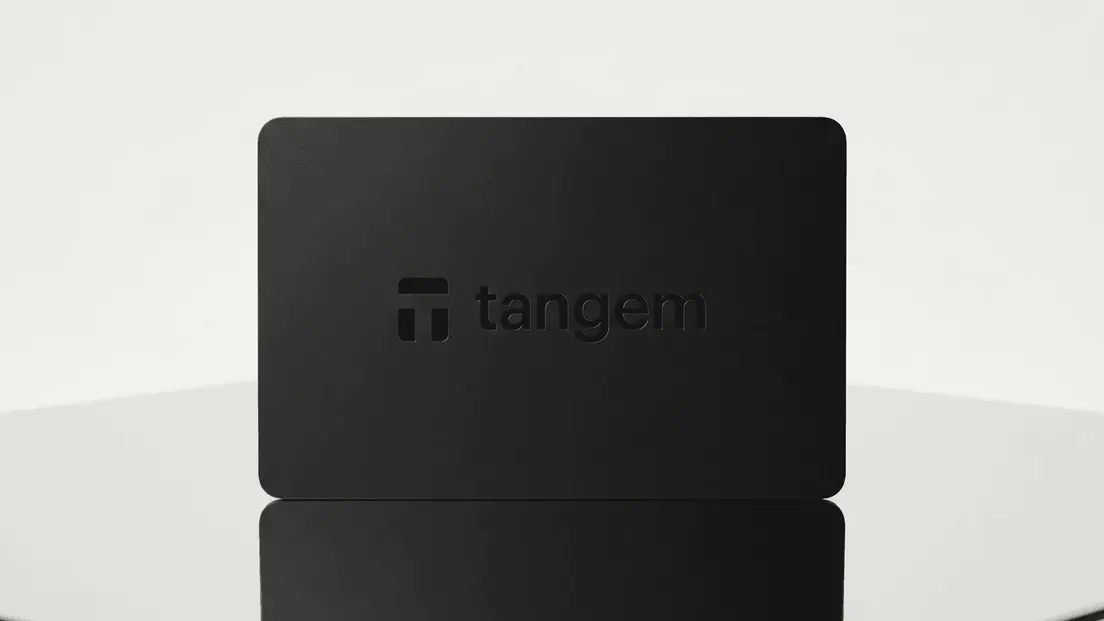
Radiant wallet
The most secure hardware wallet for your Radiant
Elevate your Radiant security and experience trust. Rely on Tangem, like thousands of users do.
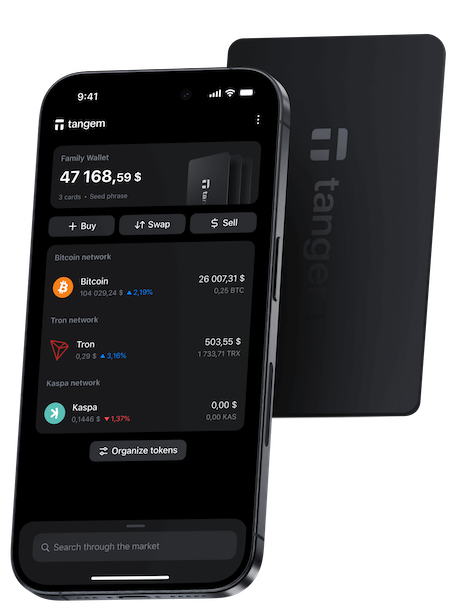

How to secure your Radiant with Tangem?
When you buy or hold Radiant in Tangem, it secures your private keys in many ways:
- With Tangem's seedless setup and multi-card backup, your Radiant stays in your hands only.
- IP69K water/dust protection keeps the cards safe from heat, cold, shocks, and X-rays.
- Access code + biometric lock inside Tangem Mobile prevent unauthorized use.
- Private keys are generated and stored inside the EAL6+ secure element — never leaving the card.
How to get a Radiant Crypto Wallet?
Tangem products are for everyone, from beginners to experts. They keep your crypto safe and easy to manage. With cutting-edge technology, Tangem lets you control and protect your digital assets.
Buy TangemWhy choose Radiant wallet with Tangem.
Privacy
No registration and KYC required to use the app. We don't track your data.

Security
Your private keys are encrypted and never leave your device. Only you have control over your funds.

Convenient designs
Choose from a variety of elegant designs, including unique co-branded editions and our innovative ring-form factor wallet, ensuring both style and functionality.

24/7 Customer care
Fast support for your needs. Live chat and email support for customers from all over the globe.

What is Radiant (RXD)?
Radiant is a proof-of-work chain of its own, and RXD is the only thing that chain settles in. Miners are paid in RXD, every transaction fee is paid in RXD, and there is no gas coin, no token account and no contract approval standing between you and a transfer. The design follows Bitcoin's UTXO model: a balance is a set of unspent outputs rather than a number in an account, and a payment consumes some of those outputs and creates new ones. Fees are counted per byte and stay small for an ordinary send.
What separates Radiant from other Bitcoin-style chains is its script layer. Extra opcodes for references and induction proofs let contracts, fungible tokens and NFTs (the Glyphs standard) live directly inside outputs, with no separate virtual machine. The comparisons to Ethereum you will run into are about what the scripts can express, not about compatibility: Radiant is not an EVM chain, there is no 0x address for it and no ERC-20 version of RXD. A native address looks like a legacy Bitcoin address beginning with 1, so make sure the address you are paying is a Radiant one and not a BTC one.
Mining runs on the SHA512/256d hash, blocks arrive roughly every five minutes, and supply is capped at 21 billion RXD on a halving schedule.
One naming trap: Radiant Capital (RDNT) is an unrelated lending protocol on EVM chains, and search results and price lists regularly mix the two. RXD is the coin described here.
RXD has no staking, no rebase and nothing to claim, so most holders leave it untouched for long stretches and sign a handful of transactions a year. In Tangem the key controlling those UTXOs is created inside the card's chip and never exported; a second, identical card is the backup, and a written seed phrase is optional rather than required. A coin that gets moved this rarely belongs on a card that spends most of its life offline.
Supported networks in Tangem (1): Radiant.
Radiant RXD


Tangem supports other cryptocurrencies
Reliability and convenience at your fingertips. Manage thousands of cryptocurrencies with peace of mind anywhere and anytime
See all supported cryptosRadiant FAQ
- A reliable wallet for RXD should prioritize robust security and user-friendly access. Tangem offers offline protection coupled with straightforward mobile management.
- You can use most software wallets at no cost. Hardware wallets, which offer additional security, must be purchased separately. Network fees may still apply.
- A strong Radiant wallet uses dedicated hardware to safeguard private keys. Tangem uses a specialized security chip, similar to those found in banking cards and passports, which keeps keys isolated and reduces the risk of unauthorized access or data compromise.
- A Radiant wallet is a tool that lets you store, send, and receive your digital assets. It manages your private keys, which prove ownership of your RXD.
- No. Radiant is a UTXO chain with its own script system, not an EVM network. Native RXD has no 0x address and no ERC-20 form; addresses look like legacy Bitcoin addresses starting with 1.
- No. RXD is the native coin of the Radiant proof-of-work blockchain. RDNT belongs to Radiant Capital, an unrelated lending protocol that runs on EVM chains. They share a name and nothing else.
- In RXD itself. There is no separate gas token; fees are calculated per byte of the transaction and are deducted from the RXD you are sending.
Related articles
Learn more


Something went wrong
Please
Don’t miss! 🚀 We drop prices for 20%
Flash sale expires soon! Stakes with BTC Reward Tap & Get

00:00:00

