
 Grab EXTRA 10% OFF


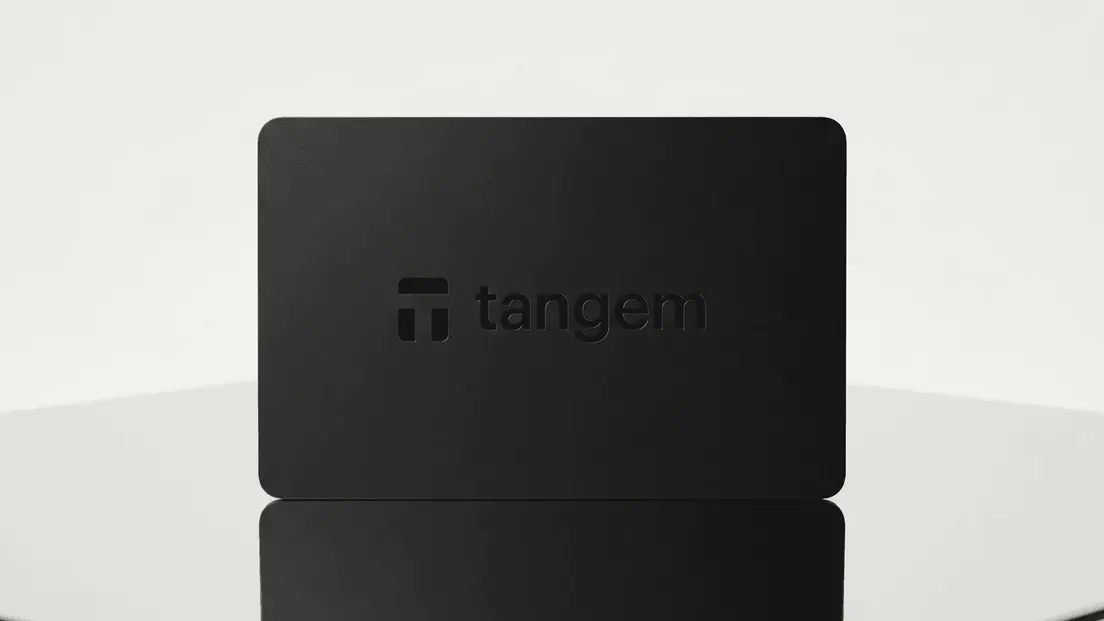
Quai Network wallet
The most secure hardware wallet for your Quai Network
Secure your Quai Network with a Tangem Wallet and join thousands who trust in superior self-custodial security.
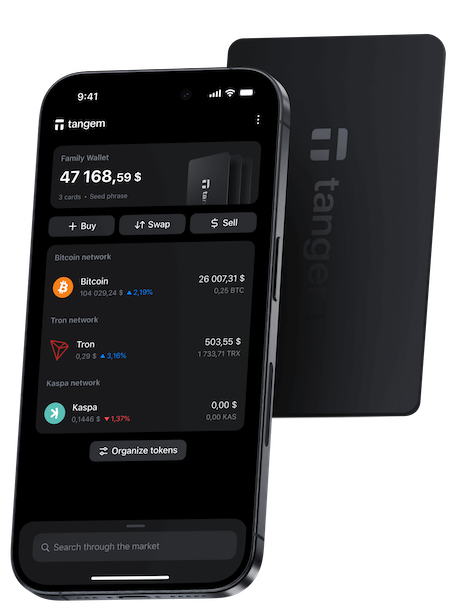

How to secure your Quai Network with Tangem?
When you buy or hold Quai Network in Tangem, it secures your private keys in many ways:
- With Tangem's seedless setup and multi-card backup, your Quai Network stays in your hands only.
- IP69K water/dust protection keeps the cards safe from heat, cold, shocks, and X-rays.
- Access code + biometric lock inside Tangem Mobile prevent unauthorized use.
- Private keys are generated and stored inside the EAL6+ secure element — never leaving the card.
How to get a Quai Network Crypto Wallet?
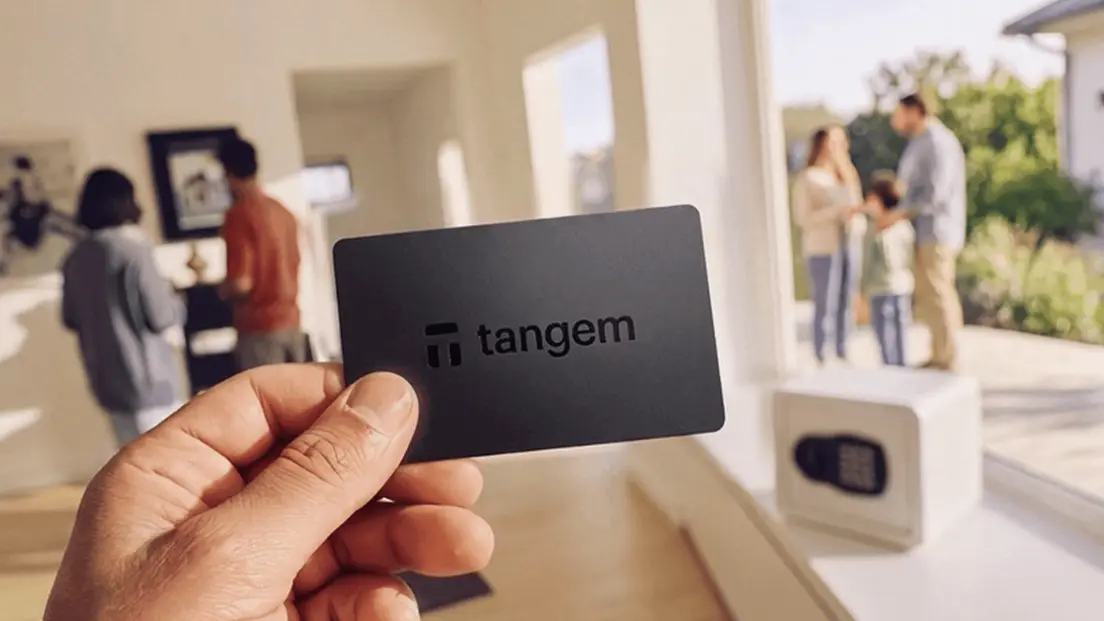
Tangem products are for everyone, from beginners to experts. They keep your crypto safe and easy to manage. With cutting-edge technology, Tangem lets you control and protect your digital assets.
Buy TangemWhy choose Quai Network wallet with Tangem.
Privacy
No registration and KYC required to use the app. We don't track your data.

Security
Your private keys are encrypted and never leave your device. Only you have control over your funds.

Convenient designs
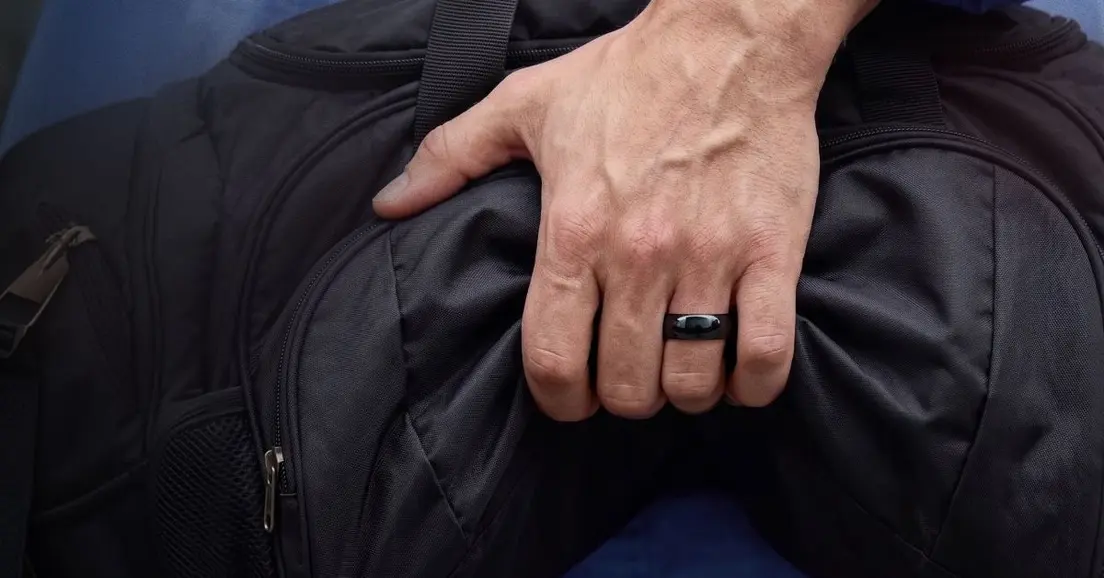
Choose from a variety of elegant designs, including unique co-branded editions and our innovative ring-form factor wallet, ensuring both style and functionality.

24/7 Customer care
Fast support for your needs. Live chat and email support for customers from all over the globe.

What is Quai Network (QUAI)?
QUAI is the native coin of Quai Network, a proof-of-work Layer 1 that splits its work across several chains at once. Instead of one chain doing all the work, Quai runs a hierarchy of chains (a prime chain, region chains and zone chains, the last ones being the shards where accounts and contracts actually live) that are secured by the same miners through merged mining. The PoEM consensus rule lets nodes agree on the heaviest chain without waiting for a contested block to settle, which is what allows the network to keep adding zones as demand grows.
For a holder, three things matter more than the architecture.
First, QUAI is native gas. Every transfer or contract call on the Quai ledger is paid in QUAI, so there is no second coin to keep for fees.
Second, Quai has two native ledgers with two different assets. QUAI lives in an account-based, EVM-style ledger and behaves much like ETH on an Ethereum-type chain. QI is a separate UTXO-based unit that the protocol targets to the cost of mining, with a built-in conversion between the two. They are not interchangeable and are not the same coin, so check which one you actually hold before sending.
Third, addresses are sharded. A Quai address looks like an ordinary 0x address, but its leading bytes encode which zone it belongs to. Sending between zones works, but it goes through a cross-chain step and settles slower than a transfer inside the same zone.
Supported networks in Tangem (1): Quai Network. Because QUAI is native to its own chain and shares an address format with other EVM networks, the app shows the network and the address on the send screen, and you check them before the card signs, so you can verify that a transfer is leaving on Quai and not on an unrelated chain with a lookalike address. With the QUAI and QI split already easy to confuse, having that network label in front of you at signing time makes Tangem a reasonable home for this coin.
Quai Network QUAI


Tangem supports other cryptocurrencies
Reliability and convenience at your fingertips. Manage thousands of cryptocurrencies with peace of mind anywhere and anytime
See all supported cryptosQuai Network FAQ
- The best wallet for QUAI is one that keeps your keys safe while staying easy to use. Tangem Wallet delivers both security and convenience in one solution.
- Many Quai Network wallets are free to download. Hardware wallets cost money but offer stronger security by keeping keys offline.
- A strong Quai Network wallet uses dedicated hardware to safeguard private keys. Tangem uses a specialized security chip, similar to those found in banking cards and passports, which keeps keys isolated and reduces the risk of unauthorized access or data compromise.
- It’s a digital or hardware device that holds the private keys needed to access and manage your Quai Network. Without it, you cannot control your funds.
- QUAI is the gas and mining-reward coin on an account-based, EVM-style ledger. QI is a separate UTXO-based unit whose supply the protocol adjusts toward the cost of mining, and the network offers a native conversion between the two. They are distinct assets, not two names for one coin.
- Fees are paid in QUAI. Any transfer or contract interaction on the Quai ledger deducts gas from the QUAI balance of the sending address.
- Quai uses a 0x, EVM-style address format, but the leading bytes of the address encode which zone (shard) the account belongs to. It is not an Ethereum address, and a transfer between zones goes through a cross-chain step that settles more slowly than one inside the same zone.
Related articles
Learn more

Something went wrong
Please
Don’t miss! 🚀 We drop prices for 20%
Flash sale expires soon! Stakes with BTC Reward Tap & Get

00:00:00

