
 Grab EXTRA 10% OFF


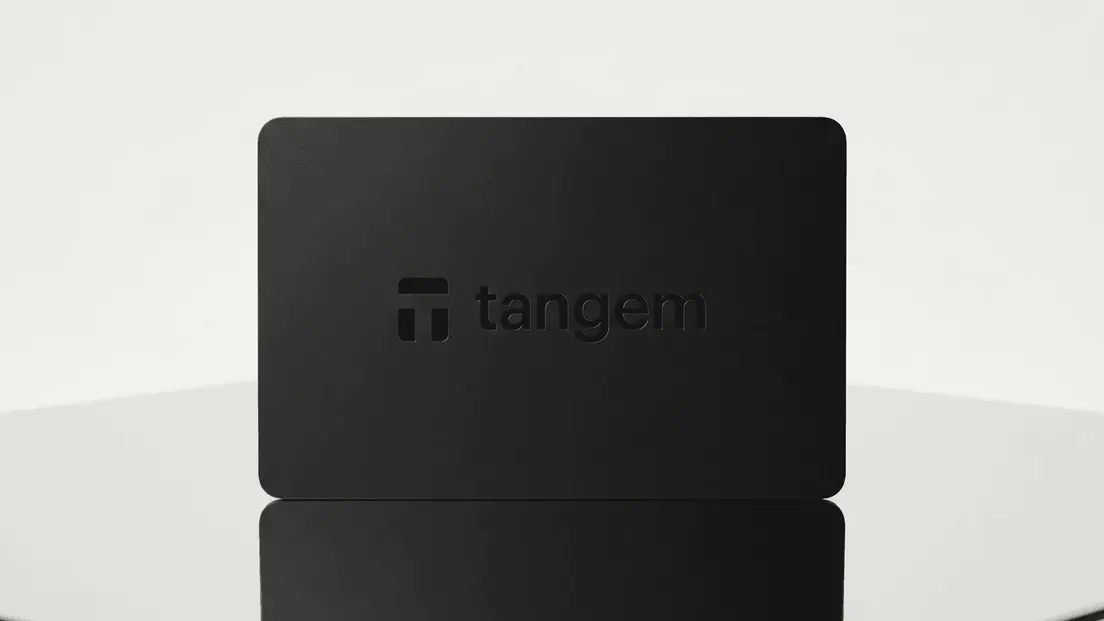
PulsePad wallet
The most secure hardware wallet for your PulsePad
Join the ranks of satisfied users securing their PulsePad with Tangem's top-notch cold storage solution.
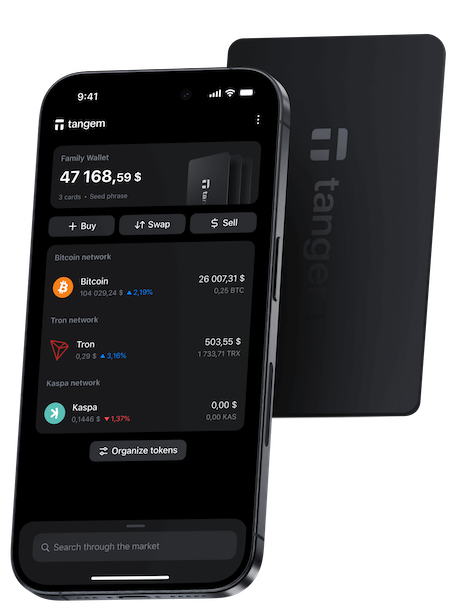

How to secure your PulsePad with Tangem?
When you buy or hold PulsePad in Tangem, it secures your private keys in many ways:
- With Tangem's seedless setup and multi-card backup, your PulsePad stays in your hands only.
- IP69K water/dust protection keeps the cards safe from heat, cold, shocks, and X-rays.
- Access code + biometric lock inside Tangem Mobile prevent unauthorized use.
- Private keys are generated and stored inside the EAL6+ secure element — never leaving the card.
How to get a PulsePad Crypto Wallet?
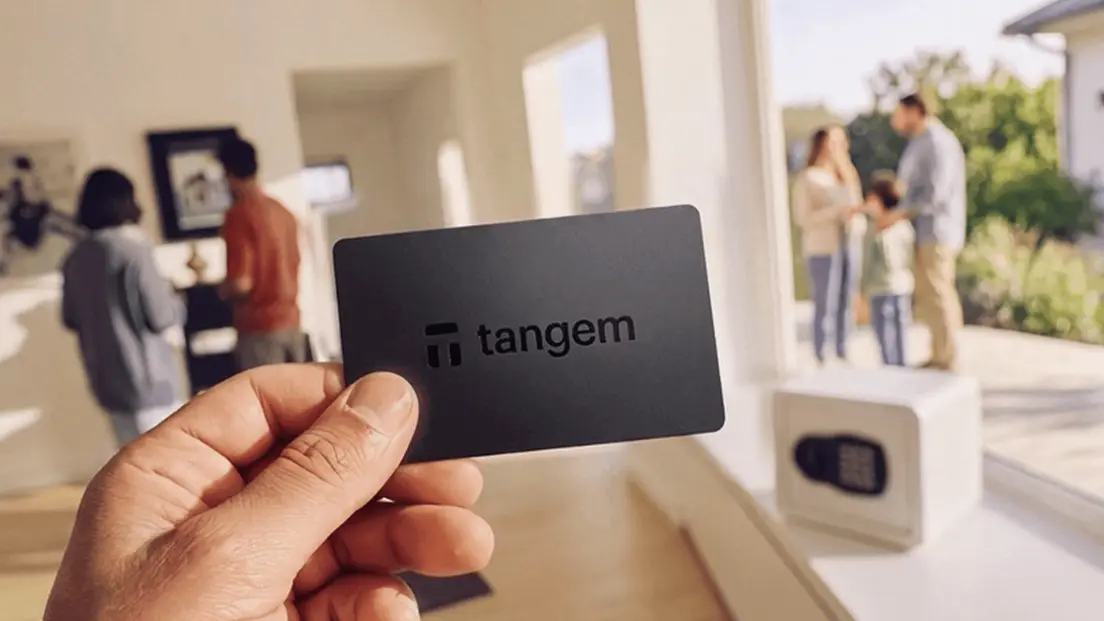
Tangem products are for everyone, from beginners to experts. They keep your crypto safe and easy to manage. With cutting-edge technology, Tangem lets you control and protect your digital assets.
Buy TangemWhy choose PulsePad wallet with Tangem.
Privacy
No registration and KYC required to use the app. We don't track your data.

Security
Your private keys are encrypted and never leave your device. Only you have control over your funds.

Convenient designs
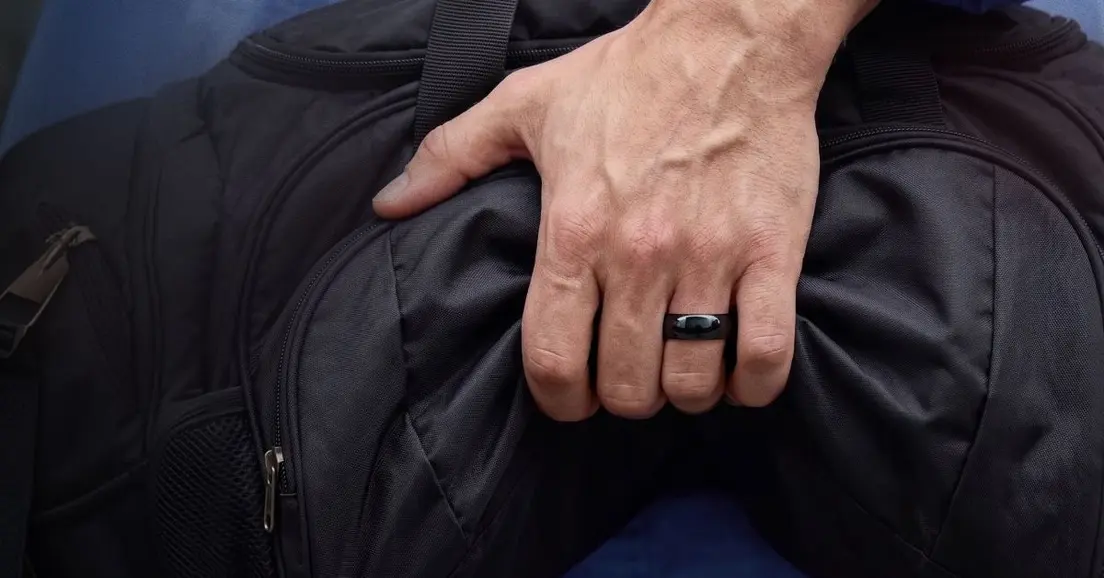
Choose from a variety of elegant designs, including unique co-branded editions and our innovative ring-form factor wallet, ensuring both style and functionality.

24/7 Customer care
Fast support for your needs. Live chat and email support for customers from all over the globe.

What is PulsePad (PLSPAD)?
PLSPAD is the access token of a launchpad built for projects coming out of the PulseChain orbit. The confusing part, and the thing new holders get wrong most often, is that the token does not live on PulseChain at all. It is a BEP-20 on BNB Smart Chain with an Ethereum counterpart, so the coin that pays your transfer fee is BNB or ETH, never PLS.
What holding it actually does is set your tier. Launchpad allocations are distributed by how much PLSPAD an address holds or has locked at the moment a snapshot is taken, with tiers stacked from small to large. That gives the token an unusual rhythm for a holder: long stretches of nothing at all, then a short window where the balance has to be in the right place, in one piece, at a specific time. Splitting a stack across two addresses can drop you a tier without you noticing, because tiers read a single address, not a person.
Two deployments, one ticker
The Ethereum and BNB Chain versions are separate tokens with separate balances. The network is the only thing distinguishing a correct transfer from a lost one, and no wallet can tell you which chain a recipient is watching.
Tangem keeps each deployment as its own line with its own balance, and the network a transfer leaves on is stated on screen before the card is tapped, so you are the one confirming it rather than discovering it afterwards. Given how much of PLSPAD's usefulness depends on the right balance sitting at the right address, that visibility is worth having.
Supported networks in Tangem (2): Ethereum, BNB Smart Chain.
PulsePad PLSPAD


Tangem supports other cryptocurrencies
Reliability and convenience at your fingertips. Manage thousands of cryptocurrencies with peace of mind anywhere and anytime
See all supported cryptosPulsePad FAQ
- A reliable wallet for PLSPAD should prioritize robust security and user-friendly access. Tangem offers offline protection coupled with straightforward mobile management.
- Software wallets for PulsePad are often free, but hardware wallets usually require a one-time purchase. Sending transactions may involve network fees.
- The safest PulsePad wallet keeps your private keys offline and protected from unauthorized access. Hardware wallets, such as Tangem, offer the highest level of protection because they isolate keys from online risks.
- A PulsePad wallet is a tool that lets you store, send, and receive your digital assets. It manages your private keys, which prove ownership of your PLSPAD.
- No. Despite the name and the focus of the launchpad, PLSPAD trades and is held as a BEP-20 on BNB Smart Chain, with an Ethereum version alongside it. Fees are paid in BNB or ETH.
- Yes. Allocation tiers are read per address at snapshot time, so a balance divided between two addresses can qualify for a lower tier than the same total held in one.
- BNB for the BNB Smart Chain version and ETH for the Ethereum version. The token itself cannot pay its own transfer fee.
Related articles
Learn more

Something went wrong
Please
Don’t miss! 🚀 We drop prices for 20%
Flash sale expires soon! Stakes with BTC Reward Tap & Get

00:00:00

