
 Grab EXTRA 10% OFF


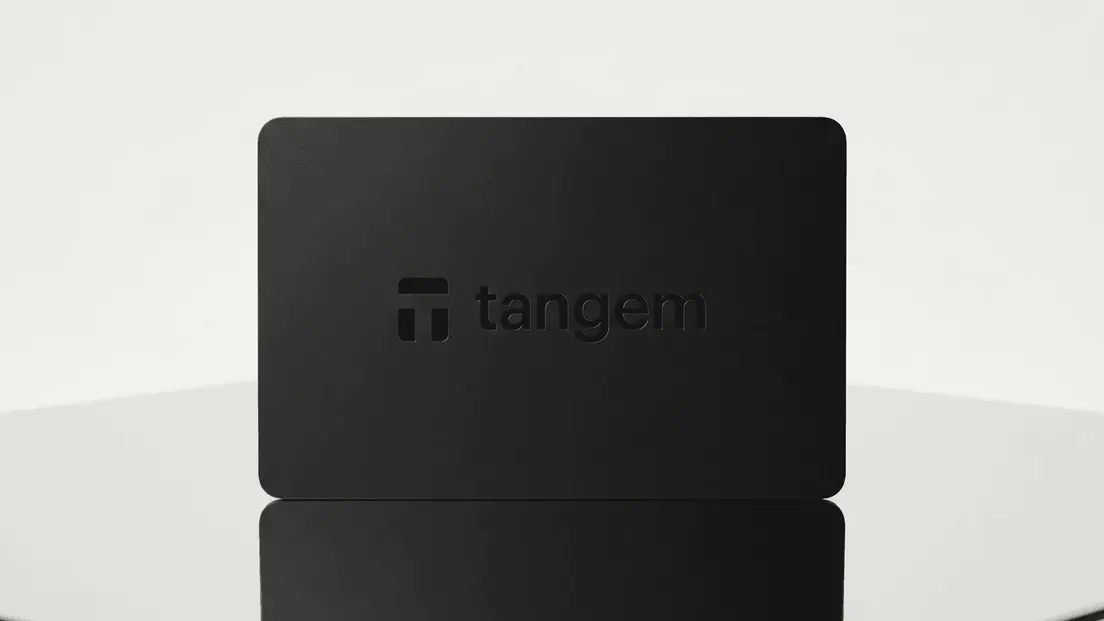
Orochi Network wallet
The most secure hardware wallet for your Orochi Network
Step up your Orochi Network security. Trust Tangem Wallet—a favorite among crypto users for ultimate asset protection.
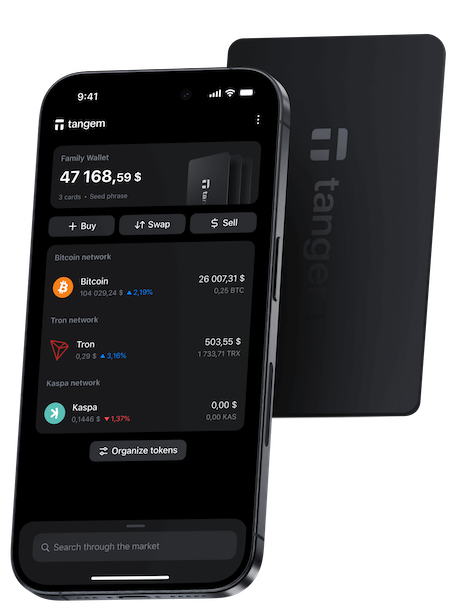

How to secure your Orochi Network with Tangem?
When you buy or hold Orochi Network in Tangem, it secures your private keys in many ways:
- With Tangem's seedless setup and multi-card backup, your Orochi Network stays in your hands only.
- IP69K water/dust protection keeps the cards safe from heat, cold, shocks, and X-rays.
- Access code + biometric lock inside Tangem Mobile prevent unauthorized use.
- Private keys are generated and stored inside the EAL6+ secure element — never leaving the card.
How to get a Orochi Network Crypto Wallet?
Tangem products are for everyone, from beginners to experts. They keep your crypto safe and easy to manage. With cutting-edge technology, Tangem lets you control and protect your digital assets.
Buy TangemWhy choose Orochi Network wallet with Tangem.
Privacy
No registration and KYC required to use the app. We don't track your data.

Security
Your private keys are encrypted and never leave your device. Only you have control over your funds.

Convenient designs
Choose from a variety of elegant designs, including unique co-branded editions and our innovative ring-form factor wallet, ensuring both style and functionality.

24/7 Customer care
Fast support for your needs. Live chat and email support for customers from all over the globe.

What is Orochi Network (ON)?
ON is the token of Orochi Network, an infrastructure project that focuses on verifiable data: proving that a piece of data is correct and untampered without exposing the data itself. The stack around it is built on zero-knowledge cryptography and includes a verifiable database layer, a verifiable randomness service and an oracle service that feeds proven off-chain data into smart contracts. The token is what applications and node operators use inside that stack: it pays for data services and is put up by the operators who run the network's nodes.
For a holder, the practical detail is that ON is not the native coin of any chain. It is a regular contract token that exists on Ethereum and on BNB Smart Chain, and the two copies are separate assets that happen to share a name and a ticker. A transfer on Ethereum is paid in ETH, a transfer on BNB Smart Chain is paid in BNB, and a balance on one chain does not show up on the other. Since your address is identical on both networks, the token you hold is defined by the network it was sent on, not by the address it sits at. The ticker is short and generic, so when adding it to any wallet it is worth checking that the entry is the Orochi Network token and not another asset labelled ON.
In the Tangem app this split is made explicit: ON on Ethereum and ON on BNB Smart Chain are two separate lines with two separate balances, and when you send, you choose which line the transfer leaves from. That makes the network a deliberate choice you confirm before the card signs, which is exactly the kind of clarity a two-network token needs, and a good reason to keep ON here.
Supported networks in Tangem (2): Ethereum, BNB Smart Chain.
Orochi Network ON


Tangem supports other cryptocurrencies
Reliability and convenience at your fingertips. Manage thousands of cryptocurrencies with peace of mind anywhere and anytime
See all supported cryptosOrochi Network FAQ
- For storing and using ON, Tangem Wallet is a strong choice thanks to its offline key storage and mobile-friendly design.
- Yes, software wallets are generally free. Hardware wallets, such as Tangem Wallet, come with a purchase because they include secure physical components.
- Online wallets can be targeted by malware, phishing, or remote attacks. The best wallets for Orochi Networkminimize these risks by ensuring your private keys never come into contact with the internet, remaining protected within a secure element.
- A Orochi Network wallet stores the keys that give you access to your ON. It can be software-based or a hardware wallet like Tangem for higher security.
- They represent the same asset but live as two separate contract tokens on two chains. A balance held on Ethereum does not appear on BNB Smart Chain and vice versa, and moving between them requires a bridge, not a plain transfer.
- ON has no chain of its own, so gas is paid in the native coin of whichever network you send on: ETH on Ethereum or BNB on BNB Smart Chain. You need a small amount of that coin at the same address.
- It is the payment and operator token of Orochi's verifiable data services, such as its zero-knowledge database, verifiable randomness and oracle products. Applications pay for those services in ON and node operators put ON up to run the network.
Related articles
Learn more


Something went wrong
Please
Don’t miss! 🚀 We drop prices for 20%
Flash sale expires soon! Stakes with BTC Reward Tap & Get

00:00:00

