
 Grab EXTRA 10% OFF


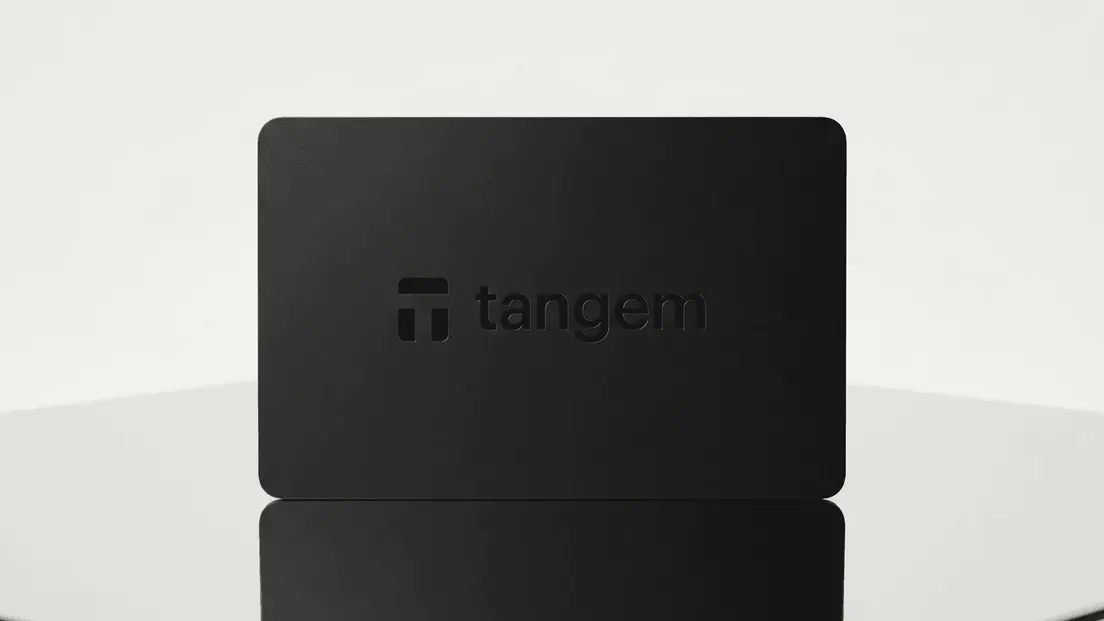
Enzyme wallet
The most secure hardware wallet for your Enzyme
Join Tangem's secure community! Thousands trust us with their Enzyme. Experience unmatched self-custody today.
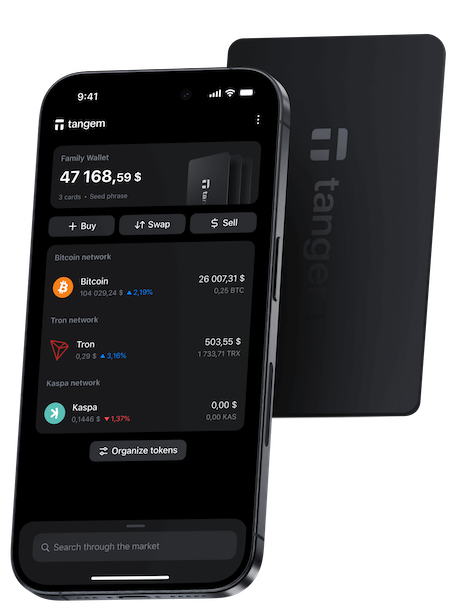

How to secure your Enzyme with Tangem?
When you buy or hold Enzyme in Tangem, it secures your private keys in many ways:
- With Tangem's seedless setup and multi-card backup, your Enzyme stays in your hands only.
- IP69K water/dust protection keeps the cards safe from heat, cold, shocks, and X-rays.
- Access code + biometric lock inside Tangem Mobile prevent unauthorized use.
- Private keys are generated and stored inside the EAL6+ secure element — never leaving the card.
How to get a Enzyme Crypto Wallet?
Tangem products are for everyone, from beginners to experts. They keep your crypto safe and easy to manage. With cutting-edge technology, Tangem lets you control and protect your digital assets.
Buy TangemWhy choose Enzyme wallet with Tangem.
Privacy
No registration and KYC required to use the app. We don't track your data.

Security
Your private keys are encrypted and never leave your device. Only you have control over your funds.

Convenient designs
Choose from a variety of elegant designs, including unique co-branded editions and our innovative ring-form factor wallet, ensuring both style and functionality.

24/7 Customer care
Fast support for your needs. Live chat and email support for customers from all over the globe.

What is Enzyme (MLN)?
Enzyme is infrastructure for running a fund on chain. A manager deploys a vault, the vault's policies define what it may hold and who may deposit, and contracts enforce those rules instead of an administrator. MLN is the protocol's own token, and it is not a share in any of that.
That distinction is the first thing a holder should be clear about. Depositing into an Enzyme vault gives you that vault's own token, which is a separate asset with its own price and its own contract. MLN sits one level above the vaults: protocol level fees are settled in MLN and burned, and MLN carries governance weight over how Enzyme itself develops. Holding MLN gives you no position in anyone's vault.
The second thing is history. MLN succeeded the original Melon token through a contract migration, and the old token is not what the protocol or wallets track today. If your MLN has been untouched since the Melon days, check which version is actually in the address before assuming an app will display it.
Supported networks in Tangem (3): Arbitrum One, Ethereum, Polygon POS. Enzyme operates on more than one chain, and MLN moved to another chain is a separate balance from the original, each needing that chain's own coin for fees.
MLN is often a key touched twice a year, for a fee or a vote. Tangem creates that key inside the card's chip and never lets it out, and recovery runs through a second identical card you keep elsewhere rather than a phrase on paper, which you may add if you want one. Dormant holdings are better served by that than by a wallet you unlock every day.
Enzyme MLN


Tangem supports other cryptocurrencies
Reliability and convenience at your fingertips. Manage thousands of cryptocurrencies with peace of mind anywhere and anytime
See all supported cryptosEnzyme FAQ
- For storing and using MLN, Tangem Wallet is a strong choice thanks to its offline key storage and mobile-friendly design.
- Many Enzyme wallets are free to download. Hardware wallets cost money but offer stronger security by keeping keys offline.
- The best wallet for storing Enzyme is one that keeps your private keys offline while remaining easy to manage. Tangem offers this balance by placing keys in an offline card that you tap with your phone, providing both high security and simple everyday use.
- A Enzyme wallet stores the keys that give you access to your MLN. It can be software-based or a hardware wallet like Tangem for higher security.
- No. A vault deposit gives you that specific vault's token; MLN is the protocol token used for protocol fees and governance. Owning MLN does not give you exposure to any vault's holdings.
- MLN migrated to a new contract during the project's history. Balances on the original Melon token are not interchangeable with the current MLN that wallets and the protocol recognise.
- No. Each network holds its own MLN balance and fees are paid in that network's coin; moving between them requires a bridge.
Related articles
Learn more


Something went wrong
Please
Don’t miss! 🚀 We drop prices for 20%
Flash sale expires soon! Stakes with BTC Reward Tap & Get

00:00:00

