



Lit Protocol wallet
The most secure hardware wallet for your Lit Protocol
Experience peace of mind with your Lit Protocol. Join thousands securing their crypto with Tangem Wallets today!
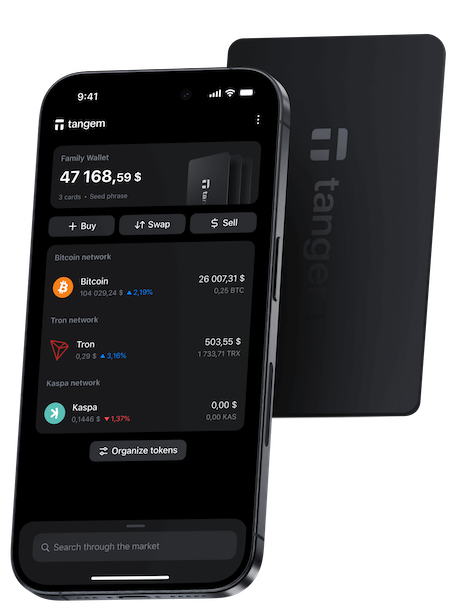

How to secure your Lit Protocol with Tangem?
When you buy or hold Lit Protocol in Tangem, it secures your private keys in many ways:
- With Tangem's seedless setup and multi-card backup, your Lit Protocol stays in your hands only.
- IP69K water/dust protection keeps the cards safe from heat, cold, shocks, and X-rays.
- Access code + biometric lock inside Tangem Mobile prevent unauthorized use.
- Private keys are generated and stored inside the EAL6+ secure element — never leaving the card.
How to get a Lit Protocol Crypto Wallet?
Tangem products are for everyone, from beginners to experts. They keep your crypto safe and easy to manage. With cutting-edge technology, Tangem lets you control and protect your digital assets.
Buy TangemWhy choose Lit Protocol wallet with Tangem.
Privacy
No registration and KYC required to use the app. We don't track your data.

Security
Your private keys are encrypted and never leave your device. Only you have control over your funds.

Convenient designs
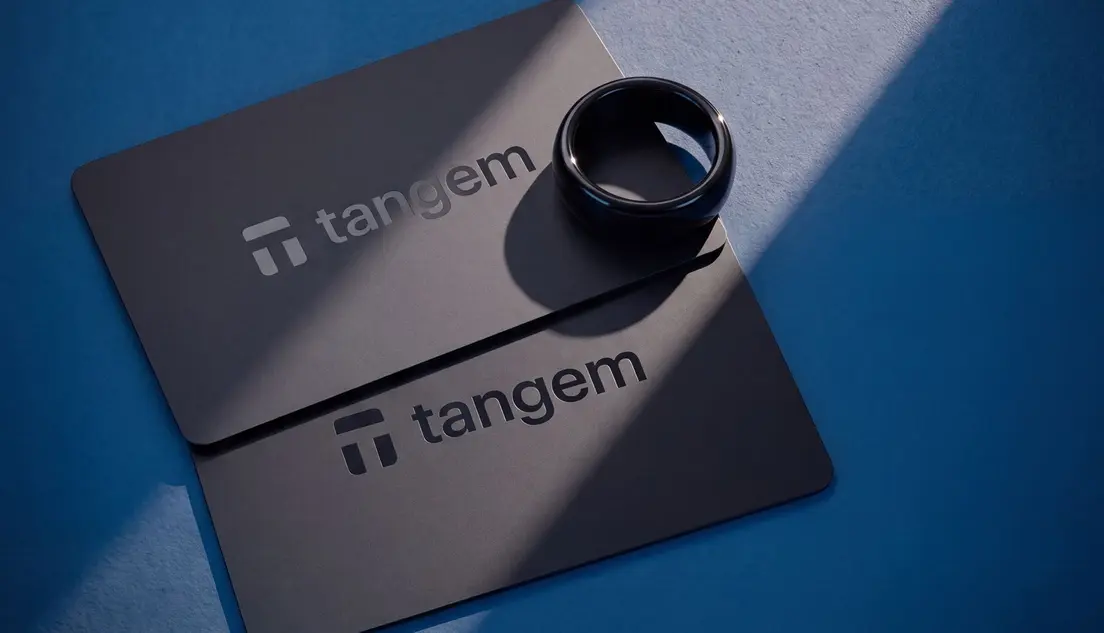
Choose from a variety of elegant designs, including unique co-branded editions and our innovative ring-form factor wallet, ensuring both style and functionality.

24/7 Customer care
Fast support for your needs. Live chat and email support for customers from all over the globe.

What is Lit Protocol (LITKEY)?
Most tokens sit inside an application. LITKEY sits underneath many of them: it is the native token of Lit Protocol, a network of nodes that jointly hold key shares and run small programs inside sealed hardware enclaves. No single node ever sees a whole private key. Out of that come three services developers plug into: signing on behalf of a user without a seed phrase, encrypting data that can only be decrypted by whoever meets an on-chain condition, and executing code privately across the node set. Wallets, agent frameworks, and access-gated content use it under the hood.
The token itself is a plain ERC-20 with no rebase, no interest accrual, and no token account to open. Its job inside the network is economic: node operators lock LITKEY to participate, and anyone who calls the network for signatures, decryption or private compute settles the bill in it. If you only hold the token, none of that touches you. Your balance does not change on its own, and there is nothing to claim or roll over.
What to check before a transfer
The ticker matters more than usual here. LIT is a different, older token from an unrelated project, and Lit Protocol itself ran on test networks for years before LITKEY existed, so old tutorials and screenshots refer to test tokens that carry no value. Make sure the asset you receive is LITKEY and not a token that merely shares the name.
LITKEY also travels: it has bridged versions on chains other than its home network, and each copy is a separate contract with a separate balance. The gas on each one is that chain's own coin, so a transfer needs a little ETH or BNB alongside. Supported networks in Tangem (4): Arbitrum One, Base, Ethereum, BNB Smart Chain. Because one address can hold LITKEY on all of them, the Tangem app splits the holdings by network and names the network on the confirmation screen; glance at it, then tap the card, and you know exactly which copy of the token just moved. That kind of visibility is why a multi-chain token like this one behaves predictably in a Tangem wallet.
Lit Protocol LITKEY


Tangem supports other cryptocurrencies
Reliability and convenience at your fingertips. Manage thousands of cryptocurrencies with peace of mind anywhere and anytime
See all supported cryptosLit Protocol FAQ
- The best wallet for LITKEY is one that keeps your keys safe while staying easy to use. Tangem Wallet delivers both security and convenience in one solution.
- Software wallets for Lit Protocol are often free, but hardware wallets usually require a one-time purchase. Sending transactions may involve network fees.
- Online wallets can be targeted by malware, phishing, or remote attacks. The best wallets for Lit Protocolminimize these risks by ensuring your private keys never come into contact with the internet, remaining protected within a secure element.
- A Lit Protocol wallet is a tool that lets you store, send, and receive your digital assets. It manages your private keys, which prove ownership of your LITKEY.
- No. LIT is the ticker of an unrelated project, while LITKEY is the native token of Lit Protocol, the decentralized key management network. Check the symbol, not just the name, before receiving it.
- Node operators lock it to take part in the network, and developers pay in it when their apps request signatures, decryption or private compute from the nodes. A holder who does not run a node or build on Lit does not need to do anything with it.
- Yes. Besides its home ERC-20 contract on Ethereum, LITKEY has bridged versions on other EVM chains, each with its own balance and paying gas in that chain's coin, so the same address can show several separate LITKEY balances.
Related articles
Learn more

Something went wrong
Please
Don’t miss! 🚀 We drop prices for 20%
Flash sale expires soon! Stakes with BTC Reward Tap & Get

00:00:00

