
 Grab EXTRA 10% OFF


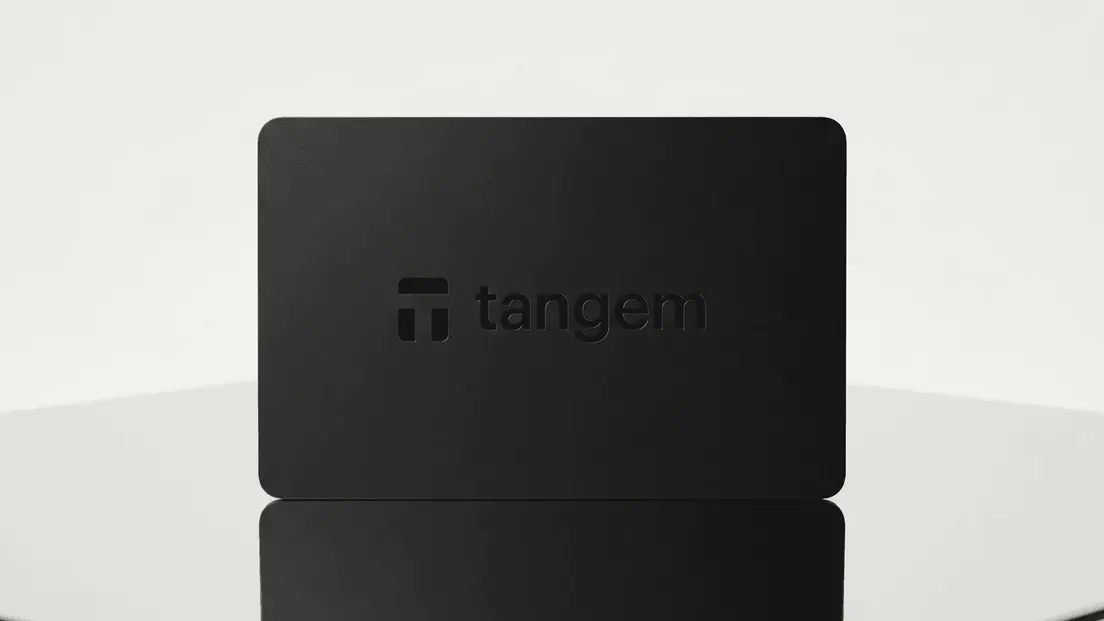
LimeWire wallet
The most secure hardware wallet for your LimeWire
Keep your LimeWire safe and private with Tangem Wallet. Join thousands who trust our secure hardware.
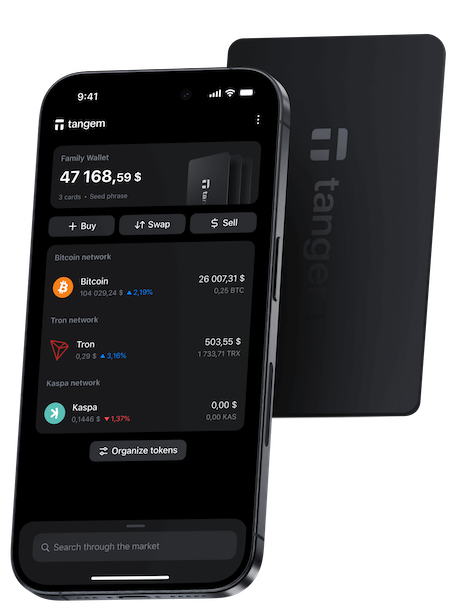

How to secure your LimeWire with Tangem?
When you buy or hold LimeWire in Tangem, it secures your private keys in many ways:
- With Tangem's seedless setup and multi-card backup, your LimeWire stays in your hands only.
- IP69K water/dust protection keeps the cards safe from heat, cold, shocks, and X-rays.
- Access code + biometric lock inside Tangem Mobile prevent unauthorized use.
- Private keys are generated and stored inside the EAL6+ secure element — never leaving the card.
How to get a LimeWire Crypto Wallet?
Tangem products are for everyone, from beginners to experts. They keep your crypto safe and easy to manage. With cutting-edge technology, Tangem lets you control and protect your digital assets.
Buy TangemWhy choose LimeWire wallet with Tangem.
Privacy
No registration and KYC required to use the app. We don't track your data.

Security
Your private keys are encrypted and never leave your device. Only you have control over your funds.

Convenient designs
Choose from a variety of elegant designs, including unique co-branded editions and our innovative ring-form factor wallet, ensuring both style and functionality.

24/7 Customer care
Fast support for your needs. Live chat and email support for customers from all over the globe.

What is LimeWire (LMWR)?
The LimeWire name belongs to the file-sharing client from the 2000s; the current company relaunched the brand as a platform for creating, storing and sharing files, with AI tools and a decentralized storage network behind it. LMWR is the token used inside that platform - to pay for services and as the unit the storage network's economy runs on.
That gives LMWR a usage pattern closer to a payment token than a hold-only asset: topping up a platform balance, paying for a plan, small transfers in and out. And it is where the token sits that decides what such a transfer costs. LMWR exists on Ethereum, on BNB Smart Chain and on Base, and those are three separate balances, each governed by its own contract and each requiring its own gas coin - ETH on Ethereum and on Base, BNB on BNB Smart Chain. An Ethereum transfer of a small amount can cost more than the amount itself, which is precisely why the cheaper deployments exist.
Supported networks in Tangem (3): Base, Ethereum, BNB Smart Chain. Before you send, two things are worth confirming: which of the three chains the receiving side actually expects, and that you hold the right gas coin for it. Tangem lists the chains separately and prints the outgoing network on the confirmation screen, but reading it is the holder's job - an address on Ethereum, Base and BNB Smart Chain is the same string, and nothing on the network can tell them apart for you.
Tapping the card to the phone to approve a top-up takes a couple of seconds, with no cable and no battery to think about - handy for a token you spend rather than shelve.
LimeWire LMWR


Tangem supports other cryptocurrencies
Reliability and convenience at your fingertips. Manage thousands of cryptocurrencies with peace of mind anywhere and anytime
See all supported cryptosLimeWire FAQ
- For storing and using LMWR, Tangem Wallet is a strong choice thanks to its offline key storage and mobile-friendly design.
- Software wallets for LimeWire are often free, but hardware wallets usually require a one-time purchase. Sending transactions may involve network fees.
- A strong LimeWire wallet uses dedicated hardware to safeguard private keys. Tangem uses a specialized security chip, similar to those found in banking cards and passports, which keeps keys isolated and reduces the risk of unauthorized access or data compromise.
- A LimeWire wallet is a tool that lets you store, send, and receive your digital assets. It manages your private keys, which prove ownership of your LMWR.
- LMWR is deployed on Ethereum, BNB Smart Chain and Base as three separate balances. Pick the one your exchange or the platform expects, and hold that chain's gas coin - ETH for Ethereum and Base, BNB for BNB Smart Chain.
- Not with a plain transfer. The deployments are independent, so crossing between them requires a bridge or a swap; a direct send leaves the tokens on the chain you sent from.
Related articles
Learn more


Something went wrong
Please
Don’t miss! 🚀 We drop prices for 20%
Flash sale expires soon! Stakes with BTC Reward Tap & Get

00:00:00

