
 Grab EXTRA 10% OFF


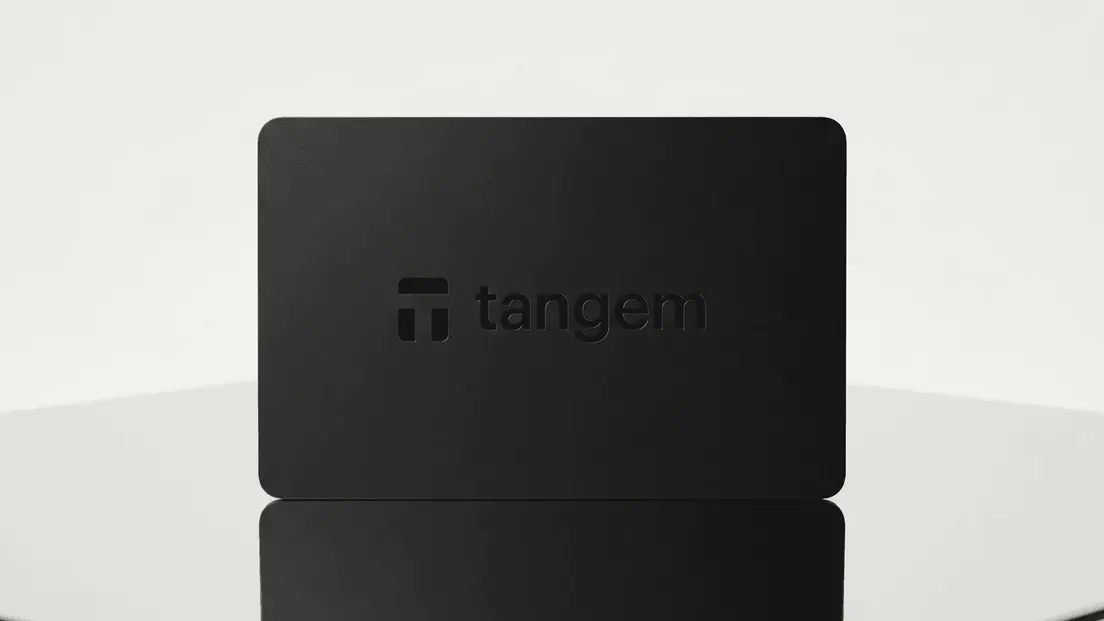
iExec RLC wallet
The most secure hardware wallet for your iExec RLC
Keep your iExec RLC secure and join thousands who trust Tangem's cold storage solution.
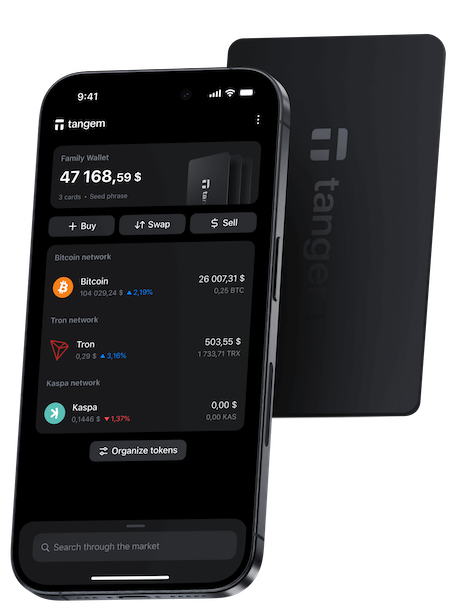

How to secure your iExec RLC with Tangem?
When you buy or hold iExec RLC in Tangem, it secures your private keys in many ways:
- With Tangem's seedless setup and multi-card backup, your iExec RLC stays in your hands only.
- IP69K water/dust protection keeps the cards safe from heat, cold, shocks, and X-rays.
- Access code + biometric lock inside Tangem Mobile prevent unauthorized use.
- Private keys are generated and stored inside the EAL6+ secure element — never leaving the card.
How to get a iExec RLC Crypto Wallet?
Tangem products are for everyone, from beginners to experts. They keep your crypto safe and easy to manage. With cutting-edge technology, Tangem lets you control and protect your digital assets.
Buy TangemWhy choose iExec RLC wallet with Tangem.
Privacy
No registration and KYC required to use the app. We don't track your data.

Security
Your private keys are encrypted and never leave your device. Only you have control over your funds.

Convenient designs
Choose from a variety of elegant designs, including unique co-branded editions and our innovative ring-form factor wallet, ensuring both style and functionality.

24/7 Customer care
Fast support for your needs. Live chat and email support for customers from all over the globe.

What is iExec RLC (RLC)?
RLC is what you spend to buy computation. iExec runs a marketplace where providers offer CPU time, including runs inside hardware enclaves that keep the data and the code hidden from the machine's own operator, and where applications and datasets can be published with prices and access rules attached. Orders on that marketplace are matched and settled in RLC, which is also what developers stake when they register resources.
One detail surprises newcomers: RLC is divided into nine decimal places, not the eighteen that most ERC-20 tokens use. Its smallest unit has a name of its own, the nRLC, and every amount you see in a marketplace order is expressed in those units. Nothing breaks because of it, but a figure copied from one interface into another deserves a second look.
The token also exists in more than one place. Beyond Ethereum it circulates on Arbitrum One, and iExec runs its own chain where a bridged RLC covers execution. Balances on different chains are genuinely distinct pots, not views of one number, so a transfer is only useful if the receiving side operates on the chain it was sent from.
Supported networks in Tangem (2): Arbitrum One, Ethereum. Tangem holds each of those balances separately and names the network a transfer is leaving on before the card signs, which is the moment to confirm the recipient is actually waiting there, since an Ethereum-style address looks identical on every chain and no wallet can tell which one the other side had in mind. Holding RLC across two chains in one card, with that check in the way, is simply less error-prone than juggling it elsewhere.
iExec RLC RLC


Tangem supports other cryptocurrencies
Reliability and convenience at your fingertips. Manage thousands of cryptocurrencies with peace of mind anywhere and anytime
See all supported cryptosiExec RLC FAQ
- A top wallet for RLC should strike a balance between safety and usability. Tangem provides this by securing keys offline while allowing quick access through your phone.
- You can use most software wallets at no cost. Hardware wallets, which offer additional security, must be purchased separately. Network fees may still apply.
- Online wallets can be targeted by malware, phishing, or remote attacks. The best wallets for iExec RLCminimize these risks by ensuring your private keys never come into contact with the internet, remaining protected within a secure element.
- A iExec RLC wallet stores the keys that give you access to your RLC. It can be software-based or a hardware wallet like Tangem for higher security.
- It is the same asset represented on a different chain, but the balances are separate. Tokens sent on Arbitrum arrive on Arbitrum, and getting them to Ethereum requires a bridge, not an ordinary transfer.
- The contract was defined that way, and its smallest unit is called the nRLC. Amounts quoted for marketplace orders are usually given in nRLC.
- It pays for computing tasks on the iExec marketplace, including confidential runs inside enclaves, and it is staked by providers who list resources there.
Related articles
Learn more


Something went wrong
Please
Don’t miss! 🚀 We drop prices for 20%
Flash sale expires soon! Stakes with BTC Reward Tap & Get

00:00:00

