
 Grab EXTRA 10% OFF


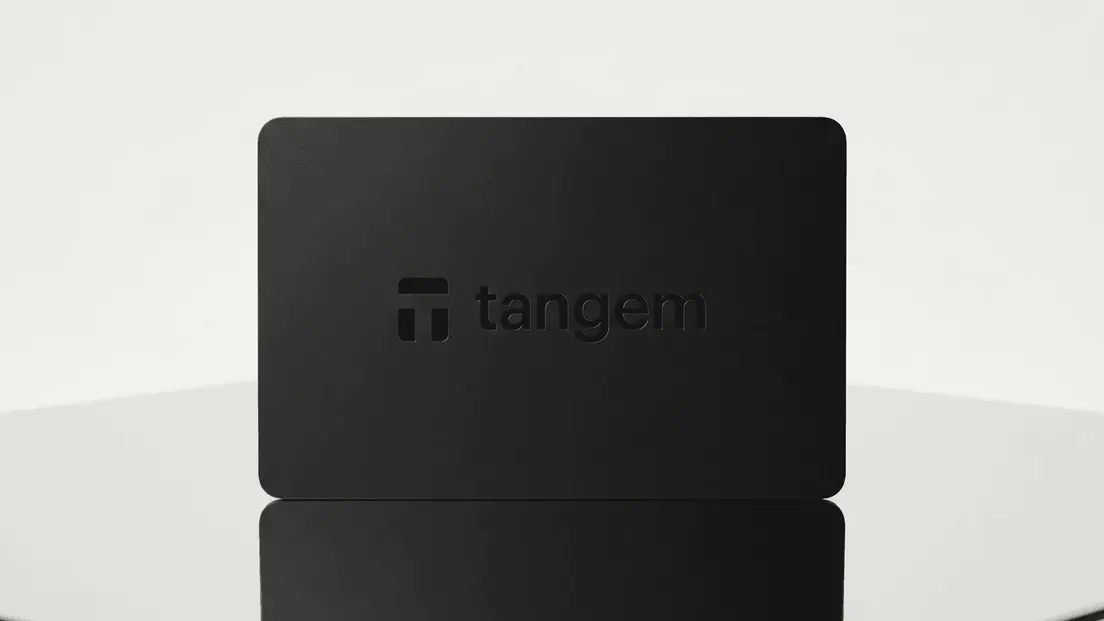
Glitch Protocol wallet
The most secure hardware wallet for your Glitch Protocol
Elevate your Glitch Protocol storage with Tangem's secure hardware wallet—join thousands of happy users!
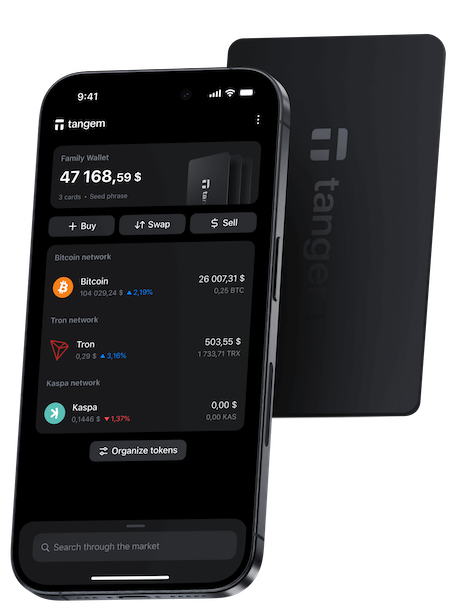

How to secure your Glitch Protocol with Tangem?
When you buy or hold Glitch Protocol in Tangem, it secures your private keys in many ways:
- With Tangem's seedless setup and multi-card backup, your Glitch Protocol stays in your hands only.
- IP69K water/dust protection keeps the cards safe from heat, cold, shocks, and X-rays.
- Access code + biometric lock inside Tangem Mobile prevent unauthorized use.
- Private keys are generated and stored inside the EAL6+ secure element — never leaving the card.
How to get a Glitch Protocol Crypto Wallet?
Tangem products are for everyone, from beginners to experts. They keep your crypto safe and easy to manage. With cutting-edge technology, Tangem lets you control and protect your digital assets.
Buy TangemWhy choose Glitch Protocol wallet with Tangem.
Privacy
No registration and KYC required to use the app. We don't track your data.

Security
Your private keys are encrypted and never leave your device. Only you have control over your funds.

Convenient designs
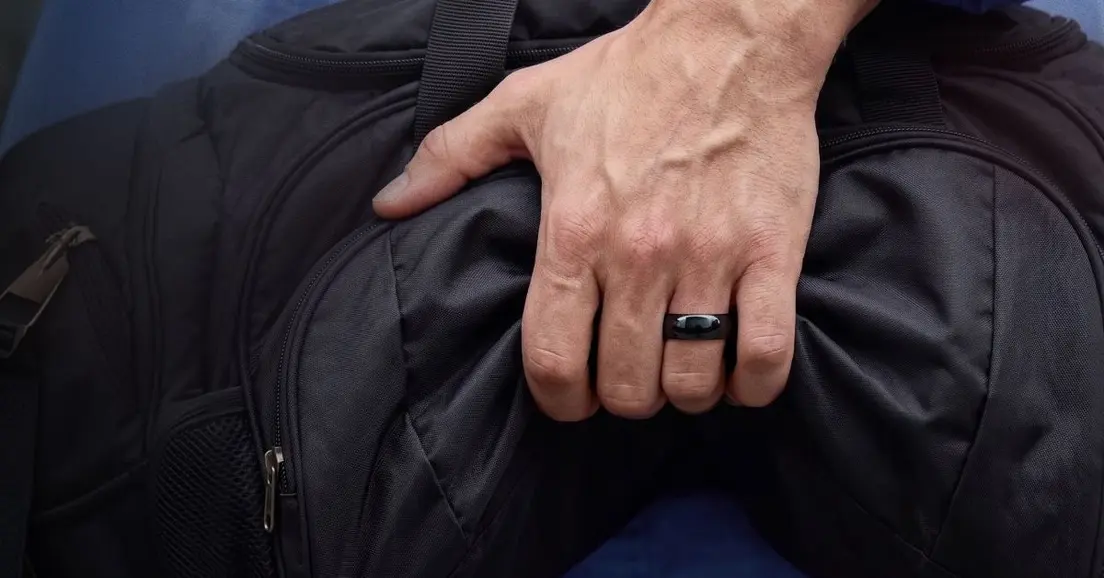
Choose from a variety of elegant designs, including unique co-branded editions and our innovative ring-form factor wallet, ensuring both style and functionality.

24/7 Customer care
Fast support for your needs. Live chat and email support for customers from all over the globe.

What is Glitch Protocol (GLCH)?
The same ticker in more than one place
GLCH is the token of the Glitch project, and the practical fact about it has little to do with what the protocol was designed to do: the ticker does not exist as a single balance. It was issued first as an ERC-20 on Ethereum and later given representations on other EVM networks, each with its own contract. Your Ethereum GLCH and your BNB Smart Chain GLCH are separate amounts that happen to share a name, and they only become each other through a bridge.
That has two consequences at the moment you press send. The fee is paid in whatever the host network uses, so the same token costs ETH in one place and BNB or POL in another, and an EVM address is identical across all of them, which means the address alone tells you nothing about where the funds will land. A recipient expecting the Ethereum version will not see a transfer that went out on Polygon, even though it reached the same string of characters.
The word glitch is also common enough that unrelated tokens have shipped under similar names. Matching the contract to the network you intend to use, once, before the first transfer, saves the guesswork later.
Supported networks in Tangem (3): Ethereum, BNB Smart Chain, Polygon POS. Each one is kept as its own balance in the app, and the network a transfer leaves on is stated on screen before the card is asked to sign - which is the moment to read it, because no wallet can know which chain the person on the other end is watching. That visibility is the argument for keeping GLCH here.
Glitch Protocol GLCH


Tangem supports other cryptocurrencies
Reliability and convenience at your fingertips. Manage thousands of cryptocurrencies with peace of mind anywhere and anytime
See all supported cryptosGlitch Protocol FAQ
- A reliable wallet for GLCH should prioritize robust security and user-friendly access. Tangem offers offline protection coupled with straightforward mobile management.
- Yes, software wallets are generally free. Hardware wallets, such as Tangem Wallet, come with a purchase because they include secure physical components.
- The best wallet for storing Glitch Protocol is one that keeps your private keys offline while remaining easy to manage. Tangem offers this balance by placing keys in an offline card that you tap with your phone, providing both high security and simple everyday use.
- A Glitch Protocol wallet is a tool that lets you store, send, and receive your digital assets. It manages your private keys, which prove ownership of your GLCH.
- Not as a plain transfer. The two are separate contracts on separate networks; moving value between them requires a bridge, even though the address looks the same on both.
- The native coin of the network the token sits on - ETH on Ethereum, BNB on BNB Smart Chain, POL on Polygon. GLCH itself is never used for gas.
Related articles
Learn more

Something went wrong
Please
Don’t miss! 🚀 We drop prices for 20%
Flash sale expires soon! Stakes with BTC Reward Tap & Get

00:00:00

