
 Grab EXTRA 10% OFF


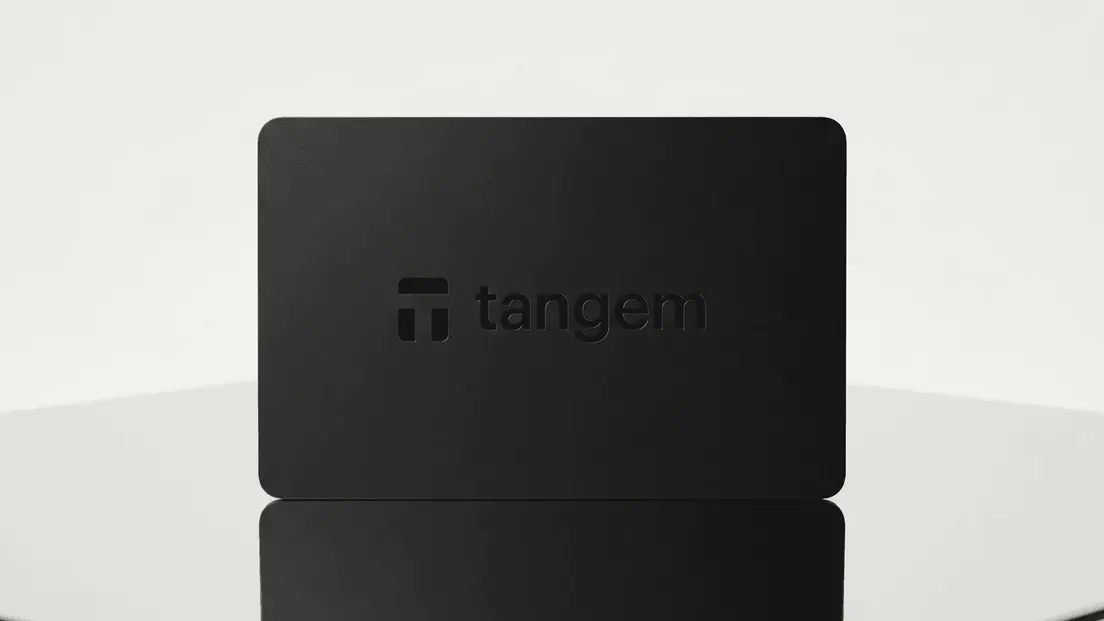
GIZA wallet
The most secure hardware wallet for your GIZA
Secure your GIZA with the trusted Tangem and join our growing, satisfied users.
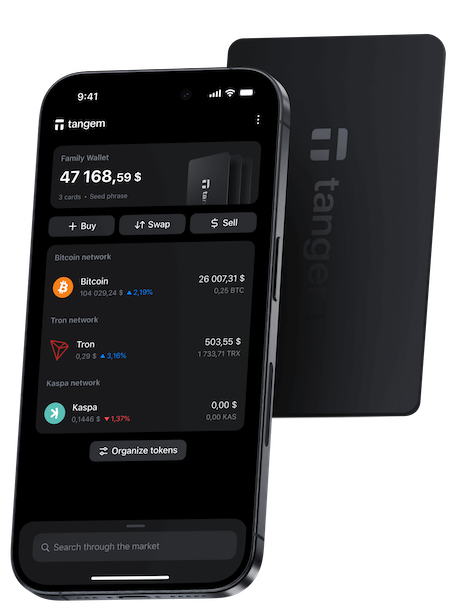

How to secure your GIZA with Tangem?
When you buy or hold GIZA in Tangem, it secures your private keys in many ways:
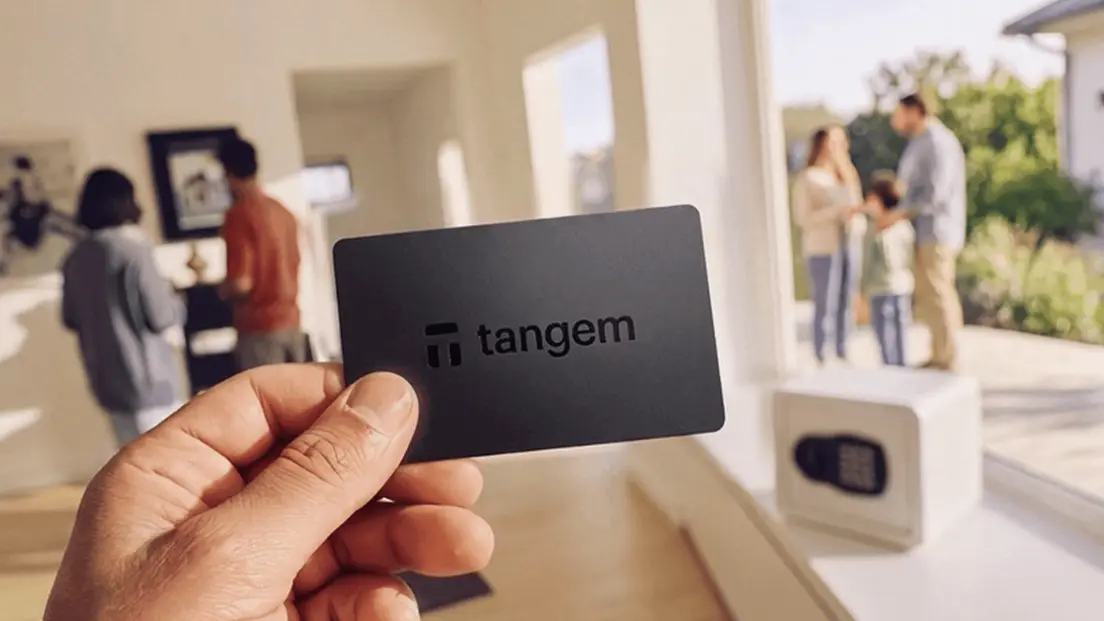
- With Tangem's seedless setup and multi-card backup, your GIZA stays in your hands only.
- IP69K water/dust protection keeps the cards safe from heat, cold, shocks, and X-rays.
- Access code + biometric lock inside Tangem Mobile prevent unauthorized use.
- Private keys are generated and stored inside the EAL6+ secure element — never leaving the card.
How to get a GIZA Crypto Wallet?
Tangem products are for everyone, from beginners to experts. They keep your crypto safe and easy to manage. With cutting-edge technology, Tangem lets you control and protect your digital assets.
Buy TangemWhy choose GIZA wallet with Tangem.
Privacy
No registration and KYC required to use the app. We don't track your data.

Security
Your private keys are encrypted and never leave your device. Only you have control over your funds.

Convenient designs
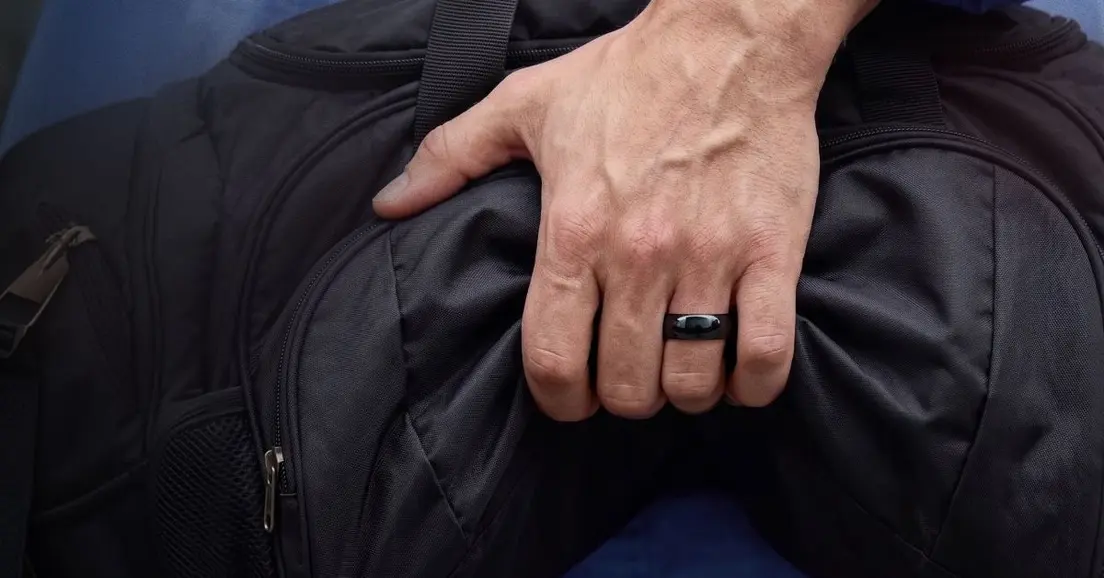
Choose from a variety of elegant designs, including unique co-branded editions and our innovative ring-form factor wallet, ensuring both style and functionality.

24/7 Customer care
Fast support for your needs. Live chat and email support for customers from all over the globe.

What is GIZA (GIZA)?
GIZA is the staking and coordination token of Giza Protocol, a system that lets autonomous software agents manage DeFi positions on a user's behalf, acting only within the limits their owner has authorised. Three parts hold the protocol together: a layer that translates different DeFi protocols into one standard interface, an authorisation framework that gives each agent narrowly scoped permissions instead of full control of a wallet, and a network of operators who execute agent strategies and back that work by staking GIZA. The token is what those operators lock up, and staking it is also how holders gain governance voting power.
What holding GIZA looks like
GIZA is a plain ERC-20 with no rebase and no automatic balance changes. The same token exists on Ethereum, Arbitrum One and Base, and a balance on one of them is not visible or spendable on the others; moving it between them means a bridge transaction, not just a transfer. On every one of these chains the fee for sending GIZA is paid in ETH, so a wallet with GIZA but no ETH on the same chain cannot move the tokens. Staking is a separate contract interaction: tokens put into the operator network leave the wallet balance and reappear only after an unstake, so a lower reading in the app after staking is expected, not a loss.
Because a single address is valid on all three chains, a transfer that lands on a chain the recipient was not watching sits there until someone realises which network it went to. Tangem does not merge these into one number: it lists GIZA per network and states the outgoing network on the confirmation screen before the card is tapped to sign, so the check happens while it still matters. Supported networks in Tangem (3): Arbitrum One, Base, Ethereum. For a token whose main hazard is a three-way split across chains, that per-network view is the practical reason to hold it in Tangem.
GIZA GIZA


Tangem supports other cryptocurrencies
Reliability and convenience at your fingertips. Manage thousands of cryptocurrencies with peace of mind anywhere and anytime
See all supported cryptosGIZA FAQ
- The best wallet for GIZA is one that keeps your keys safe while staying easy to use. Tangem Wallet delivers both security and convenience in one solution.
- Yes, software wallets are generally free. Hardware wallets, such as Tangem Wallet, come with a purchase because they include secure physical components.
- The safest GIZA wallet keeps your private keys offline and protected from unauthorized access. Hardware wallets, such as Tangem, offer the highest level of protection because they isolate keys from online risks.
- This type of wallet secures the private keys required to use your GIZA. Hardware wallets, such as Tangem Wallet, keep those keys offline for added protection.
- Staked GIZA is held by the protocol's staking contract, not by your wallet, so the app shows only the unstaked part. The tokens return to your balance after you unstake.
- ETH, on all three networks. Ethereum, Arbitrum One and Base each need a small amount of ETH on that specific network to send GIZA from it.
- No. A transfer stays on the network it starts on; to get GIZA from Base to Ethereum you use a bridge. Sending to an address on the wrong network puts the tokens on that network, where the recipient may not be looking.
Related articles
Learn more

Something went wrong
Please
Don’t miss! 🚀 We drop prices for 20%
Flash sale expires soon! Stakes with BTC Reward Tap & Get

00:00:00

