
 Grab EXTRA 10% OFF


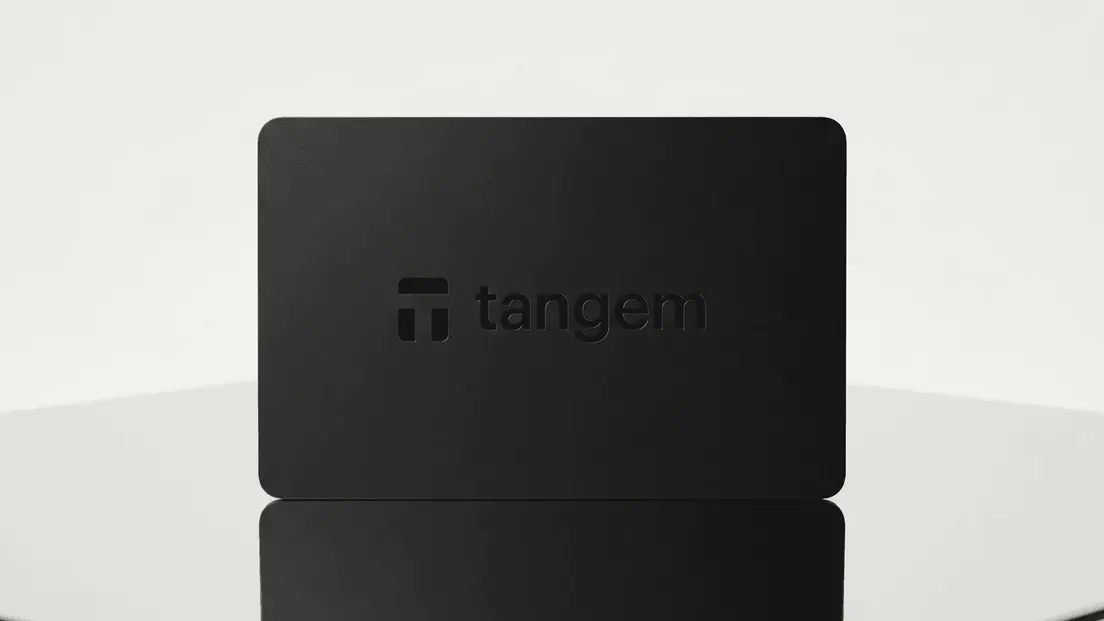
Open Campus wallet
The most secure hardware wallet for your Open Campus
Safeguard your Open Campus with Tangem. Join a thriving community of secure and satisfied users now!
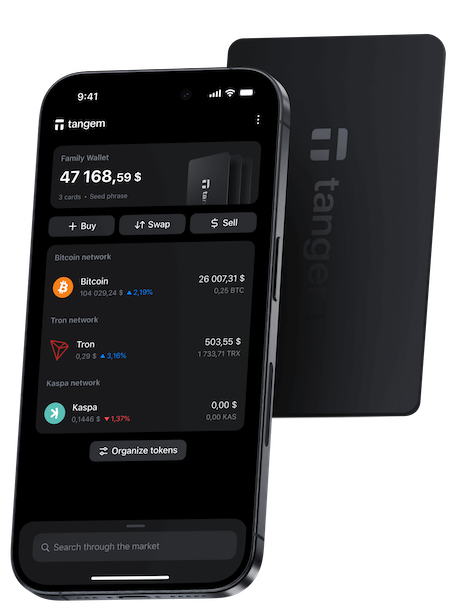

How to secure your Open Campus with Tangem?
When you buy or hold Open Campus in Tangem, it secures your private keys in many ways:
- With Tangem's seedless setup and multi-card backup, your Open Campus stays in your hands only.
- IP69K water/dust protection keeps the cards safe from heat, cold, shocks, and X-rays.
- Access code + biometric lock inside Tangem Mobile prevent unauthorized use.
- Private keys are generated and stored inside the EAL6+ secure element — never leaving the card.
How to get a Open Campus Crypto Wallet?
Tangem products are for everyone, from beginners to experts. They keep your crypto safe and easy to manage. With cutting-edge technology, Tangem lets you control and protect your digital assets.
Buy TangemWhy choose Open Campus wallet with Tangem.
Privacy
No registration and KYC required to use the app. We don't track your data.

Security
Your private keys are encrypted and never leave your device. Only you have control over your funds.

Convenient designs
Choose from a variety of elegant designs, including unique co-branded editions and our innovative ring-form factor wallet, ensuring both style and functionality.

24/7 Customer care
Fast support for your needs. Live chat and email support for customers from all over the globe.

What is Open Campus (EDU)?
Open Campus builds infrastructure for education on chain: verifiable credentials that a learner carries rather than a registrar holding, funding rails for courses and content, and applications built by contributors that include Animoca Brands and TinyTap. EDU is the token that ties those pieces together, used for payments inside the ecosystem and for the governance of the Open Campus DAO.
Where holders need to pay attention is chains. EDU is issued in several places, and the balances are independent of each other even though the address is identical: an Ethereum ERC-20, a BEP-20 on BNB Smart Chain, and a version on Arbitrum One. Fees follow the host chain, so ETH on Ethereum and Arbitrum, BNB on BNB Smart Chain. Separately from all three, Open Campus also runs its own network where EDU serves as the gas token; that is not the same place as an Arbitrum One balance, and tokens have to be bridged rather than simply sent.
Supported networks in Tangem (3): Arbitrum One, Ethereum, BNB Smart Chain.
Tangem keeps each of those balances on its own line and names the network a withdrawal will use, right before the card is asked to sign. An EVM address is identical everywhere, so the network is something only you can confirm against what the receiving side expects, and having it spelled out at the moment of signing is the practical help. That visibility is why an asset spread across this many chains belongs somewhere you sign deliberately.
Open Campus EDU


Tangem supports other cryptocurrencies
Reliability and convenience at your fingertips. Manage thousands of cryptocurrencies with peace of mind anywhere and anytime
See all supported cryptosOpen Campus FAQ
- The best wallet for EDU is one that keeps your keys safe while staying easy to use. Tangem Wallet delivers both security and convenience in one solution.
- Many Open Campus wallets are free to download. Hardware wallets cost money but offer stronger security by keeping keys offline.
- A strong Open Campus wallet uses dedicated hardware to safeguard private keys. Tangem uses a specialized security chip, similar to those found in banking cards and passports, which keeps keys isolated and reduces the risk of unauthorized access or data compromise.
- It’s a digital or hardware device that holds the private keys needed to access and manage your Open Campus. Without it, you cannot control your funds.
- No. Open Campus operates its own chain where EDU acts as the gas token, which is separate from the Arbitrum One token balance. Moving between them requires a bridge.
- It depends on the chain: ETH on Ethereum and Arbitrum One, BNB on BNB Smart Chain. EDU is not the fee token on any of those three.
- EVM addresses are identical across networks, but each network keeps its own ledger. The EDU you hold on one chain is invisible to and unusable on another until it is bridged.
Related articles
Learn more


Something went wrong
Please
Don’t miss! 🚀 We drop prices for 20%
Flash sale expires soon! Stakes with BTC Reward Tap & Get

00:00:00

