
 Grab EXTRA 10% OFF


cUSDC wallet
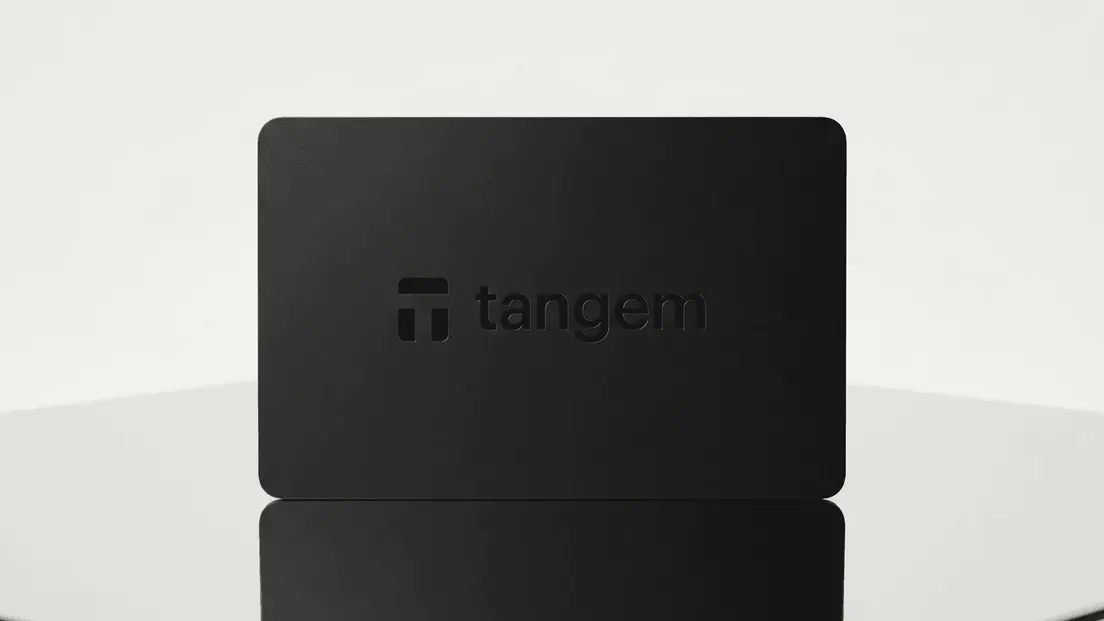
The most secure hardware wallet for your cUSDC
Expand your crypto assets with confidence. Store your cUSDC in Tangem.

How to secure your cUSDC with Tangem?
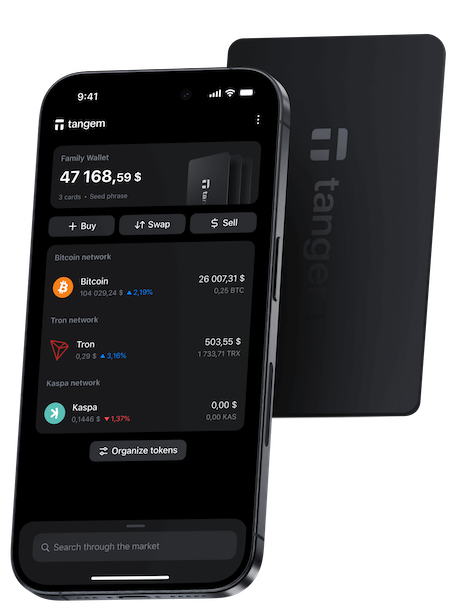
When you buy or hold cUSDC in Tangem, it secures your private keys in many ways:
- With Tangem's seedless setup and multi-card backup, your cUSDC stays in your hands only.
- IP69K water/dust protection keeps the cards safe from heat, cold, shocks, and X-rays.
- Access code + biometric lock inside Tangem Mobile prevent unauthorized use.
- Private keys are generated and stored inside the EAL6+ secure element — never leaving the card.
How to get a cUSDC Crypto Wallet?
Tangem products are for everyone, from beginners to experts. They keep your crypto safe and easy to manage. With cutting-edge technology, Tangem lets you control and protect your digital assets.
Buy TangemWhy choose cUSDC wallet with Tangem.
Privacy
No registration and KYC required to use the app. We don't track your data.

Security
Your private keys are encrypted and never leave your device. Only you have control over your funds.

Convenient designs
Choose from a variety of elegant designs, including unique co-branded editions and our innovative ring-form factor wallet, ensuring both style and functionality.

24/7 Customer care
Fast support for your needs. Live chat and email support for customers from all over the globe.

What is Compound USDC (CUSDC)?
What cUSDC represents is a claim on USDC held inside Compound, not USDC itself. Supplying USDC to the protocol mints cUSDC in return; redeeming burns it and releases USDC. The token is transferable like any ERC-20, so sending cUSDC hands over the underlying claim along with it.
The mechanic that surprises holders is how the value is expressed. The number of cUSDC in a wallet does not change on its own. There is no rebase and no top-up. Instead, an exchange rate between cUSDC and USDC sits in the contract and moves in one direction as interest accumulates in the market, so a fixed quantity of cUSDC corresponds to a gradually changing quantity of USDC on redemption. Two further quirks follow from that. cUSDC uses eight decimals rather than the usual eighteen, and its exchange rate began far below one, so balances look implausibly large next to the USDC they stand for. And this is the Compound v2 token shape: the newer Compound markets account for positions differently and do not use a cToken like this one.
Supported networks in Tangem (1): Ethereum.
Nothing about an accruing position requires the holder to act, and nothing on the card has to be aware of it. The balance and the rate live in the contract on Ethereum; the Tangem app simply reads the current state when opened, while the card itself stays inert until you actually want to redeem or transfer. A position that quietly does its own accounting belongs somewhere that asks nothing of you in the meantime, and a card in a drawer asks nothing.
cUSDC CUSDC


Tangem supports other cryptocurrencies
Reliability and convenience at your fingertips. Manage thousands of cryptocurrencies with peace of mind anywhere and anytime
See all supported cryptoscUSDC FAQ
- A top wallet for CUSDC should strike a balance between safety and usability. Tangem provides this by securing keys offline while allowing quick access through your phone.
- Yes, software wallets are generally free. Hardware wallets, such as Tangem Wallet, come with a purchase because they include secure physical components.
- A strong cUSDC wallet uses dedicated hardware to safeguard private keys. Tangem uses a specialized security chip, similar to those found in banking cards and passports, which keeps keys isolated and reduces the risk of unauthorized access or data compromise.
- It’s a digital or hardware device that holds the private keys needed to access and manage your cUSDC. Without it, you cannot control your funds.
- cUSDC does not rebase. The unit count stays fixed while the exchange rate held in the contract shifts, so the same number of cUSDC redeems for a different amount of USDC over time.
- cUSDC uses eight decimals and started at an exchange rate well below one USDC per token, so the quantity looks large by design rather than by error.
- No. cUSDC is the Compound v2 cToken; the later version of the protocol tracks balances in a different way and does not issue a cToken of this kind.
Related articles
Learn more


Something went wrong
Please
Don’t miss! 🚀 We drop prices for 20%
Flash sale expires soon! Stakes with BTC Reward Tap & Get

00:00:00

