
 Grab EXTRA 10% OFF


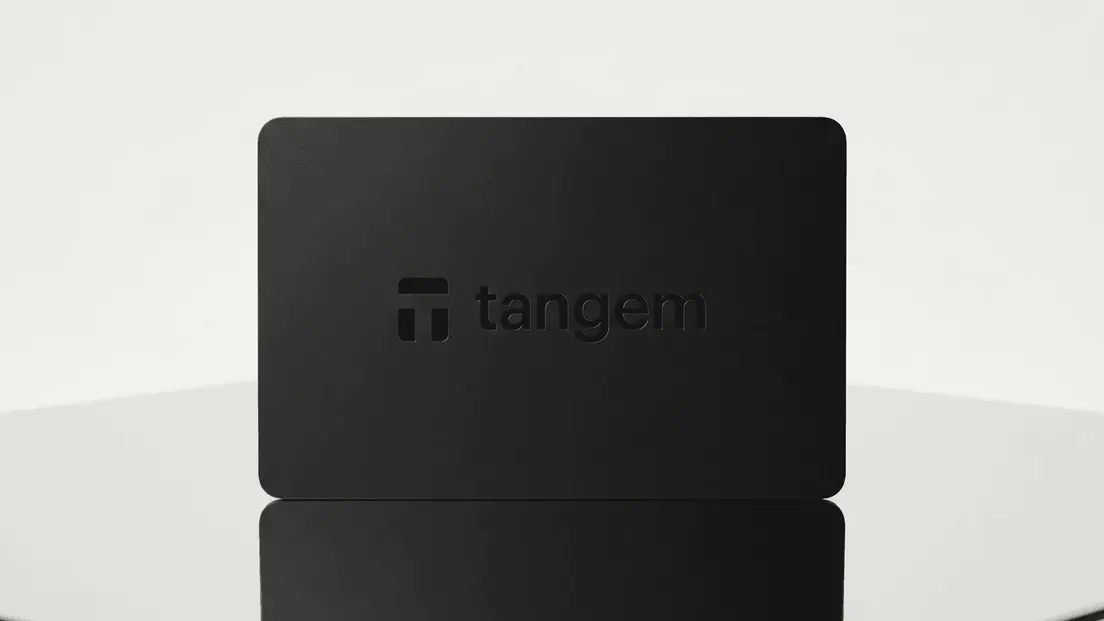
Blast wallet
The most secure hardware wallet for your Blast
Why risk your Blast elsewhere? Secure it with Tangem, trusted by countless crypto enthusiasts!
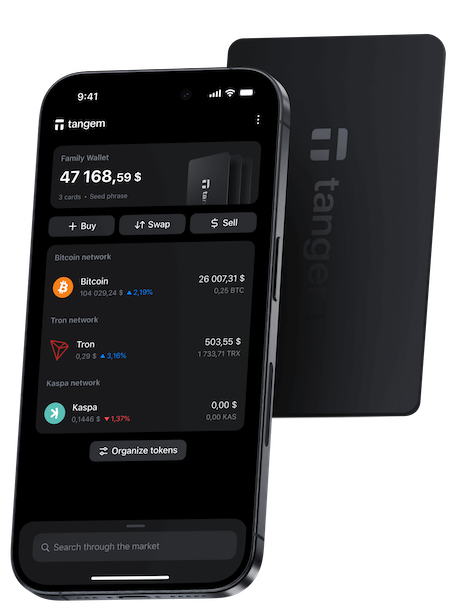

How to secure your Blast with Tangem?
When you buy or hold Blast in Tangem, it secures your private keys in many ways:
- With Tangem's seedless setup and multi-card backup, your Blast stays in your hands only.
- IP69K water/dust protection keeps the cards safe from heat, cold, shocks, and X-rays.
- Access code + biometric lock inside Tangem Mobile prevent unauthorized use.
- Private keys are generated and stored inside the EAL6+ secure element — never leaving the card.
How to get a Blast Crypto Wallet?
Tangem products are for everyone, from beginners to experts. They keep your crypto safe and easy to manage. With cutting-edge technology, Tangem lets you control and protect your digital assets.
Buy TangemWhy choose Blast wallet with Tangem.
Privacy
No registration and KYC required to use the app. We don't track your data.

Security
Your private keys are encrypted and never leave your device. Only you have control over your funds.

Convenient designs
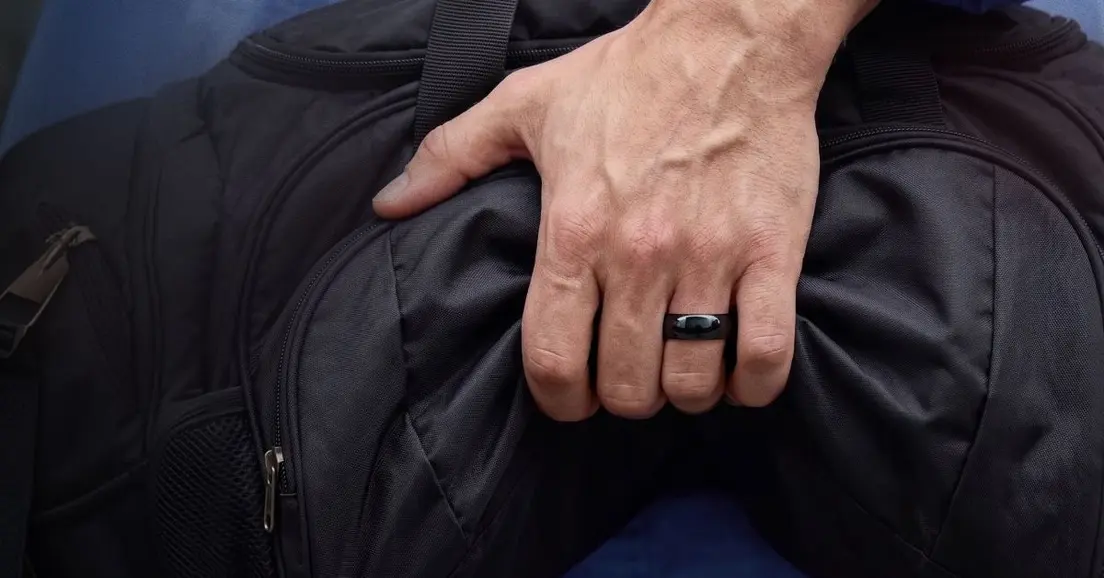
Choose from a variety of elegant designs, including unique co-branded editions and our innovative ring-form factor wallet, ensuring both style and functionality.

24/7 Customer care
Fast support for your needs. Live chat and email support for customers from all over the globe.

What is Blast (BLAST)?
The Blast network is an Ethereum Layer 2 that runs as an optimistic rollup, and BLAST is its own token. What sets the network apart is what happens to ETH and USDB (its stablecoin) once they are bridged in: their balances on Blast rebase by themselves, because the ETH sitting in the bridge is staked on Ethereum and the stablecoin collateral is placed into treasury-backed protocols, and the result is passed through to the balances on the L2. It is worth being clear about this before choosing a wallet: that rebasing is a property of ETH and USDB on Blast, not of BLAST. The BLAST token is a plain ERC-20 whose balance changes only when you send or receive it. It reached holders through an airdrop to early users of the network and of the Blur marketplace, which shares a founding team with Blast, and it acts as the network's governance asset.
What holding BLAST involves
BLAST lives on the Blast network itself. Every transfer is paid for in ETH on Blast, so a wallet holding BLAST needs a little Blast ETH next to it, and that ETH gets there through the network's bridge from Ethereum (or a third-party bridge). Sending back to Ethereum through the native bridge is not instant: the withdrawal waits out the rollup's challenge period before it can be claimed. Because Blast is EVM-compatible, your address on Blast is the same string as your Ethereum address, which is convenient and also the classic way to lose track of which network a balance is on. The name has also been used by unrelated tokens on other chains; the network token is the one that exists on Blast.
In Tangem, BLAST and the Blast ETH that pays to move it sit in the same wallet, each transfer is signed by tapping the card to the phone, and the app shows the Blast balance apart from whatever the same address holds on Ethereum, so you can see which network a transfer leaves on before the card signs it. Supported networks in Tangem (1): Blast. A token that needs a second coin for gas and shares its address with another network is easier to manage when both live together and the network is visible at signing time, which is the case here.
Blast BLAST


Tangem supports other cryptocurrencies
Reliability and convenience at your fingertips. Manage thousands of cryptocurrencies with peace of mind anywhere and anytime
See all supported cryptosBlast FAQ
- A reliable wallet for BLAST should prioritize robust security and user-friendly access. Tangem offers offline protection coupled with straightforward mobile management.
- You can use most software wallets at no cost. Hardware wallets, which offer additional security, must be purchased separately. Network fees may still apply.
- A strong Blast wallet uses dedicated hardware to safeguard private keys. Tangem uses a specialized security chip, similar to those found in banking cards and passports, which keeps keys isolated and reduces the risk of unauthorized access or data compromise.
- A Blast wallet is a tool that lets you store, send, and receive your digital assets. It manages your private keys, which prove ownership of your BLAST.
- No. Only ETH and USDB on the Blast network rebase automatically. BLAST is a standard ERC-20 token, and its balance changes only when you send or receive it.
- Gas on the Blast network is paid in ETH held on Blast. You need to bridge some ETH over from Ethereum before you can move BLAST, since the token itself cannot cover fees.
- Yes. Blast is an EVM network, so the same address is valid on both. The balances are separate, though: BLAST on Blast will not show up on Ethereum, and a token sent on the wrong network ends up on that network.
Related articles
Learn more

Something went wrong
Please
Don’t miss! 🚀 We drop prices for 20%
Flash sale expires soon! Stakes with BTC Reward Tap & Get

00:00:00

