Switch to seedless. Get 30% off with SWITCH30 till Oct 21
Pre-Initialized Hardware Wallets: Red Flags
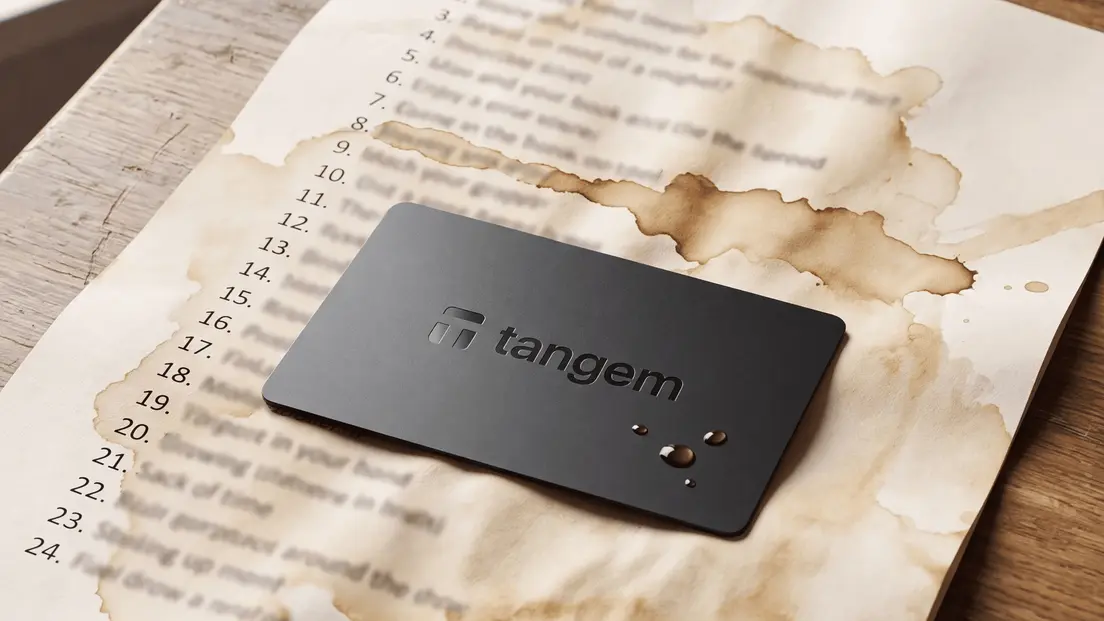
You ordered a hardware wallet to keep your crypto safe. It arrives, looks fine, and the setup seems to go smoothly. But what if someone already ran that setup before you?
A pre-initialized hardware wallet is a device that an attacker has already activated, recorded the recovery material for, and repackaged before it reached you. Fund that wallet and the attacker can drain it at any time without ever touching your device again.
This guide explains how that attack works, what warning signs to look for, and what practical steps reduce your exposure.
Understand the Threat Model
Self-custody means you control the private keys directly. That removes counterparty risk, but it transfers full responsibility for key loss, device compromise, and backup security onto you.
A hardware wallet stores private keys offline and signs transactions internally, so the key never touches an internet-connected device during normal use. That's a meaningful protection. But it only holds if the device reaches you in a clean, never-initialized state.
The risks that apply to hardware wallets fall into several distinct categories:
- Supply-chain risk: A device is intercepted, modified, or pre-configured before it reaches the buyer.
- Phishing risk: A fake website, app, or message tricks you into entering credentials or a recovery phrase.
- Malware risk: Infected software on your computer or phone captures keystrokes, clipboard data, or wallet files.
- Malicious approval risk: A transaction you sign does more than it appears to, granting an attacker control over token allowances.
- Physical access risk: Someone with direct access to your device or backup material can extract keys or copy recovery phrases.
- Recovery-backup risk: A recovery phrase stored insecurely, photographed, or shared becomes a second attack surface independent of the device.
Pre-initialization is a supply-chain attack. It's distinct from phishing or malware, and the controls that defend against it are different. For example, a device that arrives with a 24-word recovery phrase already written in the box is a supply-chain risk. Stop there; the phrase is already known to someone else.
How the Attack Path Works
During a legitimate first-time setup, a hardware wallet generates a new key pair inside its secure element. Nothing about that key pair existed before you powered the device on. That's the security guarantee.
In a pre-initialization attack, the attacker subverts that guarantee before the device ships.
Here's how it works: the attacker generates and records the recovery phrase before sale, reseals the device in its original packaging, and ships or sells it through a secondary channel. When you set up the wallet, you may be loading funds into a wallet the attacker already controls. They can restore that same wallet on any compatible device using the recorded phrase and transfer your assets without ever needing your hardware.
A 2026 incident reported by CoinDesk illustrates a more sophisticated variant. Ledger confirmed that one affected device sold by a reseller called CryptoBilis contained an unauthorized hardware implant. That implant read the 24-word recovery phrase as it appeared on-screen during setup and transmitted it over a mobile network using an embedded eSIM. The recovery phrase could then recreate the wallet without the original device. Ledger said every confirmed loss in that incident involved a device sold by CryptoBilis, and described it as a physical supply-chain attack.
The common thread across both the simpler and the more technical variant is the same: control of the recovery phrase is control of the funds. A seed phrase is a 12- or 24-word backup that can regenerate all associated keys. Anyone who has it controls the wallet, regardless of who holds the physical device.
Controls That Reduce Exposure
The most effective control is purchasing from the right place. Buy only from the manufacturer's official store or an authorized reseller listed on its official website. Avoid used devices and unverified marketplace sellers.
Before you fund the wallet, run through these checks:
- Inspect the packaging. Look for signs of resealing, torn tamper-evident stickers, or packaging that doesn't match the manufacturer's current design.
- Check for pre-supplied recovery material. A legitimate device should never arrive with a recovery phrase already written on a card inside the box. If one is included, don't use it.
- Run the manufacturer's authenticity check. Most hardware wallet companion apps include a genuine-device verification step. Complete it before generating a seed or sending any funds.
- Generate your own keys. Never skip the key-generation step. If the setup flow suggests your wallet is "ready to use" without generating keys, stop.
For backup, use at least two physically separate locations and durable storage media. Test the recovery procedure before moving significant funds onto the device. Private keys and recovery phrases should never be stored in cloud storage or photographed.
Keeping a small spending balance in a hot wallet and the bulk of holdings in cold storage also limits the damage if an active wallet is compromised. It doesn't protect against a pre-initialized device, but it contains the blast radius of other attack types.
Limits and Trade-offs
These controls reduce risk. None eliminate it entirely.
Buying directly from the manufacturer removes most supply-chain exposure, but it doesn't prevent phishing attacks, malicious transaction approvals, or physical-access risks after you own the device.
Offline key storage reduces online exposure, but a user who enters their recovery phrase into a fake website hands an attacker the same access as a pre-initialized device. The device's security model can't protect against what happens after the keys leave the secure element.
Cold-storage choices also carry operational trade-offs. Hardware wallets cost money. Paper backups can be lost or damaged. Seedless backup models, where recovery depends on multiple physical cards rather than a written phrase, reduce exposure to a human-readable recovery secret but trade cross-device portability for recovery through the vendor's card ecosystem.
- If assets may be actively at risk or a device appears compromised, stop using it immediately. Whether the recovery phrase has 12 or 24 words, move funds to a new wallet generated on a clean device with a fresh seed, and never reuse the suspected seed or recovery phrase. For assistance, use only the hardware-wallet manufacturer's official support channels. Never share a complete recovery phrase with support representatives or anyone offering recovery services.
How Tangem's Design Reduces Specific Attack Vectors
Tangem Cold Wallet addresses several of the attack paths described above through specific design choices. During setup, the private key is generated entirely inside a Samsung S3D350A secure element certified at Common Criteria EAL6+. The key is stored in tamper-resistant memory and never leaves the chip. Cryptographic signing also happens on-chip, so the key doesn't touch the phone or any internet-connected device.
Tangem communicates by NFC with a stated range of 0-5 cm, requiring physical proximity. The card has no USB port or Bluetooth radio, which removes those connection surfaces. The firmware is factory-installed and cannot be updated after production, which Tangem describes as removing remote-exploit vectors based on malicious firmware updates. Before any operation, the app verifies the card's authenticity as anti-counterfeit protection.
In the default seedless setup, no seed phrase is generated or stored. Recovery relies on 2 or 3 physical cards, each holding the same private key. This removes the seed phrase as an attack surface entirely. If every card is lost and no seed phrase was created, the funds are permanently inaccessible. That's the honest trade-off: eliminating the recovery phrase eliminates one major attack vector, but it also removes the fallback that seed-phrase wallets provide.
Tangem lists independent firmware security work by Kudelski Security in 2018, Riscure in 2023, and Cure53 in 2026. No wallet design prevents phishing, malicious transaction approvals, or user error. Tangem's architecture reduces specific attack surfaces; it doesn't eliminate risk.
FAQ
-
No. A hardware wallet can reduce exposure of private keys to an internet-connected device, but it cannot prevent phishing, malicious approvals, unsafe recovery backups, coercion, or every supply-chain and physical attack. The device's security model only applies to what happens inside the secure element.
-
Map what you protect, how you use it, and the realistic ways an attacker could reach keys, recovery material, or transaction approval. Then apply controls to the highest-impact paths. For most beginners, that means buying from an official source, verifying the device before funding it, and storing recovery material securely offline.
-
Seek trusted, independently verified help when assets may be actively at risk or a device appears compromised. Never share a seed phrase or private key with support staff or anyone offering recovery. If compromise is suspected, stop using the device and move funds to a new wallet generated on a clean device with a fresh seed.
-
Don't use the wallet. A legitimate hardware wallet never ships with a pre-written recovery phrase. That phrase belongs to whoever wrote it, not to you. Contact the seller and the manufacturer through official channels, and purchase a replacement from a verified source.
-
Treat any used hardware wallet as potentially compromised. The previous owner may have recorded the recovery phrase or modified the device. A hardware wallet is a security device; buying one secondhand removes the guarantee that it was never initialized by someone else. Buy new, from an official channel.