Switch to seedless. Get 30% off with SWITCH30 till Oct 21
Choose a Hardware Wallet Without Common Mistakes
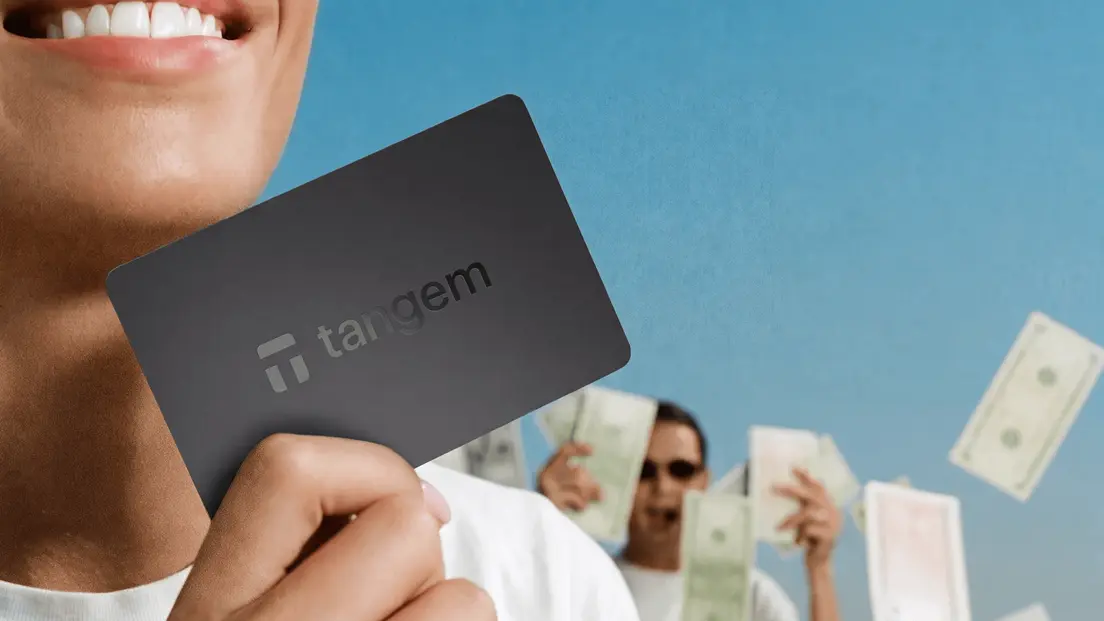
Most people research hardware wallets the wrong way. They compare screen sizes and supported coin counts, pick the one with the best reviews, and move their funds over. Then they store the seed phrase in a phone note, buy a second device from a third-party seller, or skip the recovery test entirely.
The device was fine. The process wasn't. Choosing a hardware wallet is really about building a complete security setup, not just buying a piece of hardware. This guide walks through that setup systematically, starting with the principles that hold regardless of which device you pick.
The Short Answer: The Principles That Matter
A hardware wallet is a physical device that generates and stores cryptocurrency private keys offline. It signs transactions internally, so the private key never enters an internet-connected environment. That offline isolation is the core value proposition.
But isolation alone doesn't protect you. Five principles work together:
- Key isolation: Private keys are generated and stored on the device, not on a phone or computer.
- Trustworthy setup and sourcing: The device arrives unmodified, from a verified channel.
- Recovery design: You can actually restore access if the device is lost, damaged, or stolen.
- Transaction verification: You review and approve what you're signing before it broadcasts.
- Physical and operational security: The device and its backup materials are stored safely.
No single feature covers all five. A device with a certified secure element can still fail you if the recovery backup is stored in a cloud note. Hardware wallets range in price from $49 to $400, and a higher price doesn't automatically make any of these five principles work better.
Core Security Controls
Understanding what you're actually protecting against makes every other decision clearer.
What the private key controls
In a self-custodial wallet, the private key is the only thing that authorizes transactions. Whoever has it controls the funds. That's the whole threat model in one sentence.
Hot wallets, which stay connected to the internet, trade convenience for exposure to phishing, malware, and remote attacks. Cold wallets keep private keys offline and are much harder to attack remotely. But "harder to attack remotely" isn't the same as "impossible to attack."
The secure element
A secure element is a chip designed to generate and store keys while resisting physical tampering and side-channel attacks. When evaluating a device, look for independent certification: Common Criteria EAL5+ or EAL6+ is a documented signal worth investigating. These ratings reflect formal third-party testing, not manufacturer claims.
The signing flow matters here. In a standard hardware-wallet transaction, a companion app creates unsigned transaction data, the user approves it on the device, the secure element signs it internally, and the signed transaction is returned to the app for broadcast. The private key never leaves the chip.
Recovery design
This is where most beginners underestimate the risk. A seed phrase is typically a 12- or 24-word human-readable backup. Anyone who has it controls the funds, so its physical security is just as important as the device's. Common recovery failures include a lost or damaged paper backup, compromised digital storage (cloud, email, phone photos), forgetting where it's stored, and relying on a single copy.
The alternative is a seedless multi-card model, where backup comes from retaining a second or third physical card rather than a written phrase. That trades seed-phrase exposure risk for physical-card retention risk. Neither approach is inherently safer; they carry different failure modes, and you need to understand which one you're taking on.
Transaction review
Offline key storage doesn't protect against approving a bad transaction. Malicious websites and fake wallet apps can trick a user into signing something unintended. Whether the wallet cost $49 or $400, check the recipient address and amount before signing. Do this especially with a new dApp or bridge. Bookmark official wallet and exchange URLs rather than following links from emails, direct messages, or Telegram.
Access controls and updates
Access codes, biometrics, and passphrases add a layer of protection if a device is lost or stolen. They're not optional for serious holdings. Tangem requires an access code of at least six characters and increases the delay after failed attempts.
A device's firmware-audit history and update policy are also worth examining. Regular software updates address new threats and maintain blockchain compatibility. Check whether independent security firms have reviewed the firmware, and whether those reports are publicly available.
How to Choose or Configure a Wallet
With the principles in place, here's a practical checklist for the selection process.
| Checkpoint | What to verify |
|---|---|
| Key isolation | Keys generated and stored on-device; signing happens internally |
| Secure element | Independent certification (EAL5+ or EAL6+ as a reference point) |
| Firmware audit | Third-party audit reports publicly available |
| Recovery model | Seed phrase or multi-card; tested before funding |
| Chain compatibility | Supports the specific blockchains and tokens you actually use |
| Purchase channel | Official website or authorized retailer only |
| Usability | You can complete setup and recovery without expert help |
A few of these deserve more detail.
Chain compatibility is an easy one to get wrong. Confirm the wallet supports Bitcoin, Ethereum, Solana, or whichever networks your portfolio actually uses before you buy. A device that doesn't support your primary network is useless for your situation regardless of its other qualities.
Purchase channel is part of the security process, not a shopping preference. Buying from the official maker or an authorized retailer helps ensure the device is genuine and hasn't been tampered with before it reaches you. A discounted device from an unknown third-party seller is a risk that no security feature can fully offset.
Usability is a real security consideration for beginners. If the onboarding process is confusing, or if error recovery requires expert knowledge, you're more likely to make a mistake during setup. A device you can use correctly is more secure than a technically superior device you can't.
- Test your recovery before you fund the wallet. This is the step most beginners skip. Run through the full recovery procedure with a small amount first. Keep backup material in at least two physically separate locations on durable media. If recovery fails in a test, it will fail when it matters.
Common Mistakes to Avoid
These are the mistakes that actually cost people their funds, not edge cases.
Storing a seed phrase or private key online. Cloud storage, email drafts, phone notes, and screenshots are all compromised if your account or device is breached. Recovery material belongs offline, on durable physical media, in at least two locations.
Assuming offline storage eliminates transaction risk. A hardware wallet protects the private key. It doesn't protect you from approving a malicious transaction. Phishing sites and fake wallet apps are real and ongoing threats, regardless of the device you use.
Relying on a single backup. One fire, flood, theft, or loss event can permanently remove access. A single copy of a seed phrase or a single card in a multi-card setup is not a backup; it's a single point of failure.
- Treating price as a proxy for security. The documented hardware-wallet price range is $49 to $400. Compare the concrete security design and recovery model, not the price tag.
How Tangem's Design Reduces Specific Attack Vectors
Tangem Cold Wallet is a self-custodial hardware wallet that stores private keys on an NFC-enabled card or wearable ring. Its design makes specific trade-offs worth understanding. The secure element is the Samsung S3D350A, certified to Common Criteria EAL6+. The private key is generated on-chip using a DRAM-based true random number generator and never leaves the secure element. Signing happens internally; the app receives only the signed transaction output.
The card has no USB connection, battery, Bluetooth, or screen. NFC communication operates over a range of 0 to 5 cm using an AES-256-encrypted channel, and the card draws power from the phone's NFC field. This design removes several attack vectors: there's no USB firmware-injection path, no Bluetooth interception surface, and no battery to degrade over time.
Firmware is factory-installed and non-updatable. That eliminates the remote-exploit vector that depends on a malicious firmware update, but it also means the firmware can't be patched if a vulnerability is discovered after manufacture. The Tangem app authenticates the card cryptographically before operations as an anti-counterfeit measure.
Tangem's default setup is seedless: private keys are generated on-chip, no seed phrase is written down, and backup comes from a two- or three-card set. Losing every card without a seed phrase makes funds permanently inaccessible. The product documentation recommends storing backup cards in separate physical locations for exactly this reason.
Seed phrases are optional. The app supports generating or importing a 12- to 24-word phrase, including BIP39 passphrase import, for users who prefer seed-phrase compatibility. The Tangem app is open source on GitHub. Independent firmware audits by Kudelski Security, Riscure, and Cure53 are documented in the product materials. The app is mobile-only; there is no desktop or web interface, which is a real limitation if you prefer to manage holdings on a computer.
Residual risks remain regardless of the hardware design: phishing, malicious transaction approvals, user error during setup, physical loss of all cards, and recovery failures if the seedless model is chosen without understanding its constraints. No hardware design eliminates these.
FAQ
-
There is no single feature that guarantees safety. Key isolation, trustworthy setup and recovery, clear transaction verification, secure distribution, and good user practices work together as a system. A device with a certified secure element can still be compromised through a poorly stored seed phrase or an approved malicious transaction. Evaluate the whole setup, not individual specifications in isolation.
-
No. Hardware wallets are priced between $49 and $400, and price is not a reliable proxy for security. A higher price may reflect a larger screen, additional features, or brand positioning rather than stronger key protection or a more robust recovery model. Evaluate the specific threat model, the recovery design, independent audit evidence, and how easily you can use the device correctly.
-
Review it after major changes: a device replacement, a suspicious message or interaction, a software update, a published security advisory, or a change in the value and purpose of your holdings. A periodic check of the physical condition and location of your recovery backup is also worthwhile. If you've never tested your recovery procedure, that's the first review to do.
-
A seed phrase (typically 12 or 24 words) lets you restore a wallet in any compatible software or hardware that supports the same standard. Anyone who finds it can access your funds. A seedless multi-card wallet replaces that written backup with physical redundancy: you retain two or three cards, each capable of signing. If you lose all the cards and have no seed phrase, the funds are permanently inaccessible. Both models carry risk; they carry different kinds of risk.
-
It does. Purchasing from the official maker or an authorized retailer helps ensure the device hasn't been tampered with before it reaches you. A device modified in the supply chain can compromise key generation or expose the private key before you've moved a single coin. The purchase channel is part of the security setup, not a preference.