


 Switch to seedless. Get 30% off with SWITCH30 till Nov 02


Best Cold Wallets After the Binance $6.3B Hack in 2026
The Binance security incident of late October 2026 serves as a powerful reminder of the risks inherent in centralized cryptocurrency exchanges. According to Binance’s official updates, the event stemmed from a compromised DevOps engineer’s laptop that allowed an attacker to access a service container and submit unauthorized withdrawal transactions.
The estimated total impact reached approximately $6.3 billion, with around $3 billion in assets frozen through partnerships with blockchain firms and stablecoin issuers. Binance confirmed no evidence of private key leaks, stated that user funds remain safe, and committed to covering all losses using its SAFU fund and company resources. A full technical post-mortem is expected once the investigation concludes.
Despite strong reassurances and coverage commitments, the incident led to market volatility, temporary access restrictions, and broad discussion about custody risks. Hot wallets are still essential for day-to-day operations, but they can create concentrated points of failure.
By keeping keys offline, cold wallets can significantly reduce exposure to remote hacks, phishing, malware, and exchange-level compromises.
For long-term holdings, the shift from counterparty risk (relying on an exchange) to personal operational security is often preferable. Below is a detailed look at some of the strongest cold wallet options available in late 2026, drawn from recent reviews focusing on security certifications, usability, asset support, and real-world track records.
Top 5 cold wallet options after Binance
1. Tangem Wallet
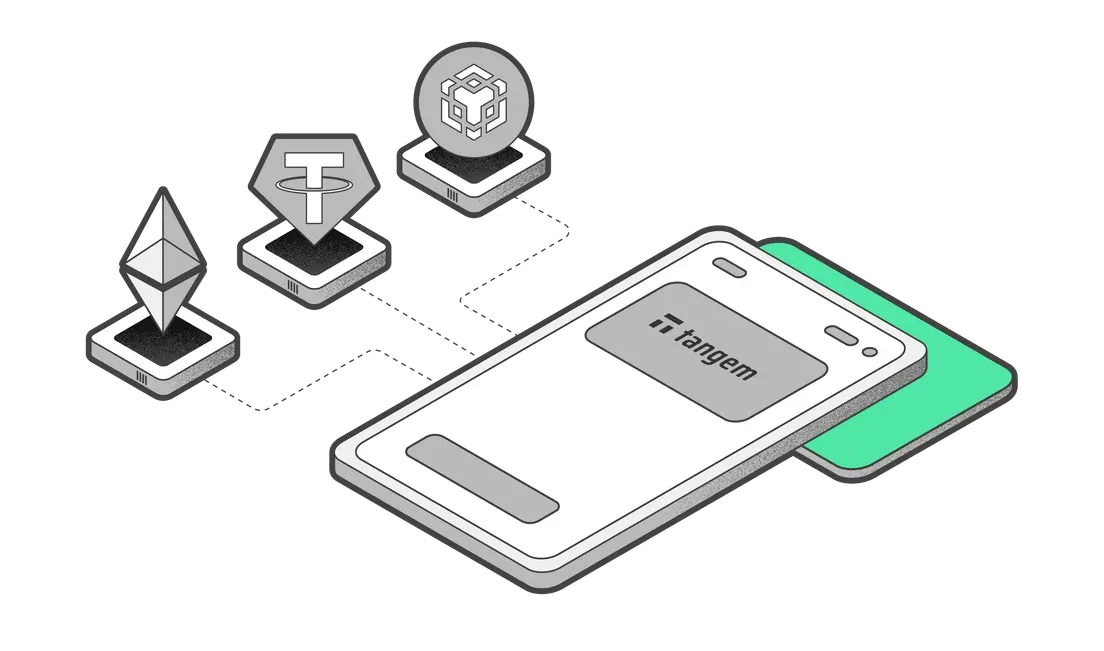
Tangem Wallet stands out for simplicity and accessibility. These NFC-enabled cards use an EAL6+ certified secure element and support over 16,000 assets across 91+ networks. Many users appreciate the default seedless setup, where additional cards serve as backups, though a traditional recovery phrase remains optional.
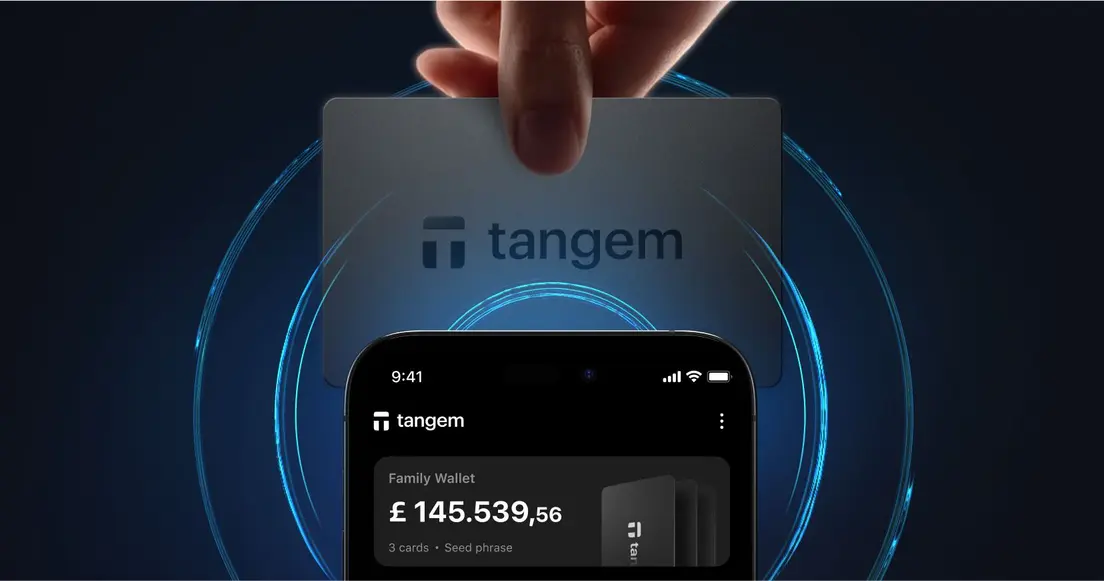
Priced affordably at $53.91 for two-card sets and $62.91 for three-card sets, Tangem requires no battery or cables; simply tap the card against a phone. It is particularly suitable for beginners or those who prioritize convenience and mobile-first use.
2. Tangem Ring
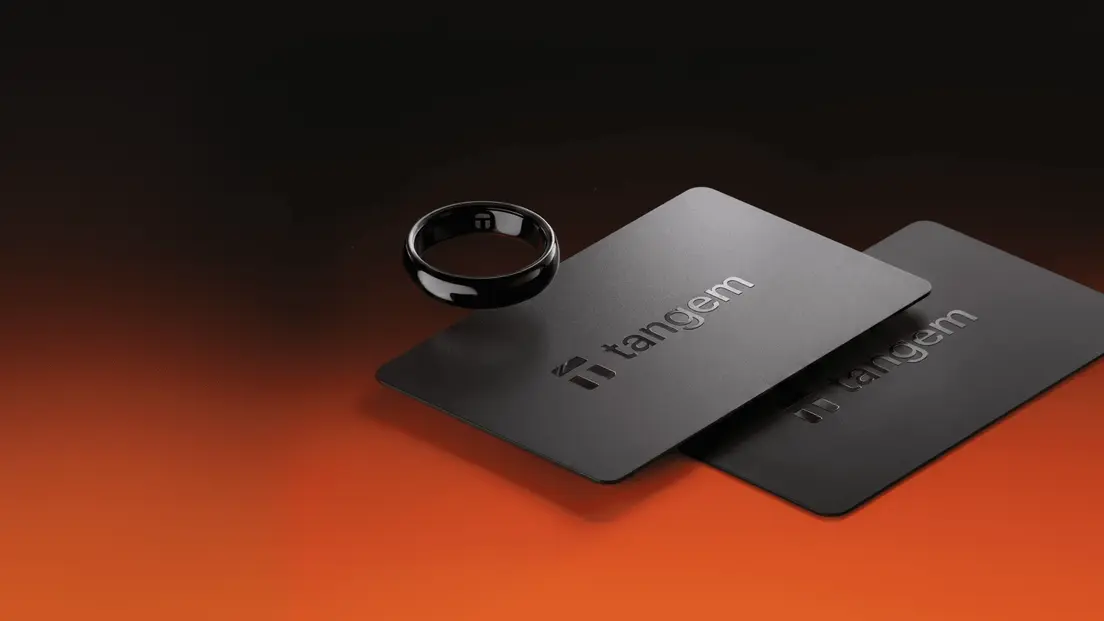
Tangem Ring puts the same security in a wearable form. It offers the same functions as the new Tangem Wallet and works with all second-generation Tangem cards.
The body is hypoallergenic zirconia ceramic with an IP69K rating. It survives swimming, showering, building sandcastles on the beach, and other activities. It weighs 4 grams and carries a 25-year guarantee. Sizes range from US 8 to 13.
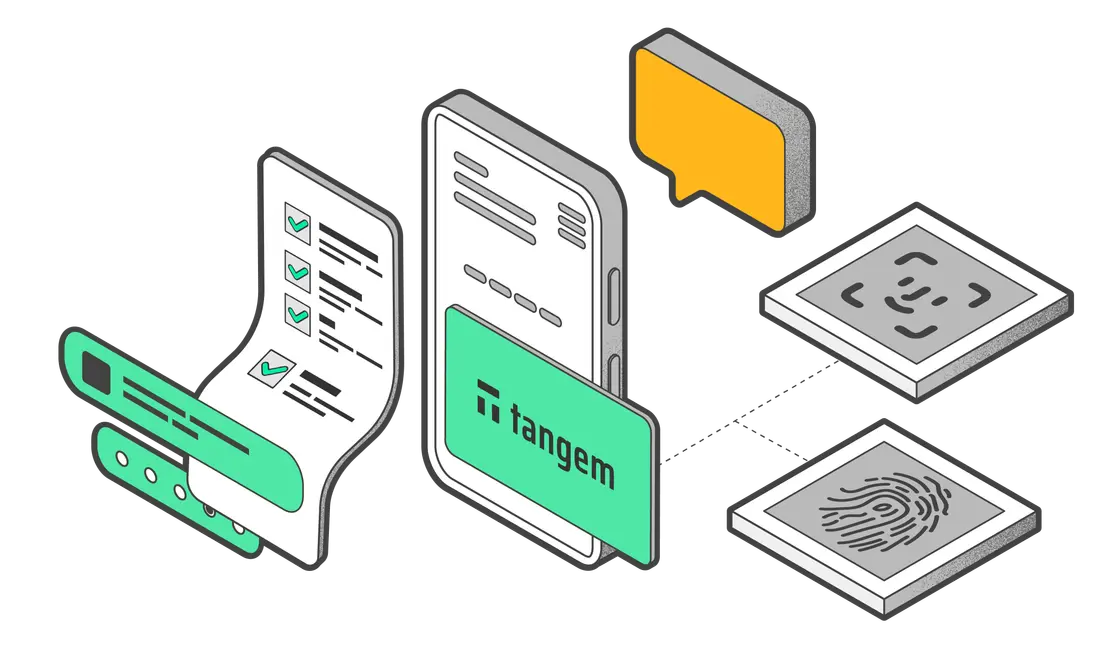
The ring has no battery. Your phone's NFC field powers it. You take it off your finger, tap it on your phone, and confirm with an access code or biometrics in the app. It sells for $160 as a set with two backup cards (cheaper with discounts). The ring supports seed phrase generation or import. You can also back up between rings if you buy two or more sets.
3. BitBox02 Nova
BitBox02 Nova is a Swiss-made wallet with fully open-source firmware. It runs a two-chip design. The open main chip cross-checks an EAL6+ secure element.
Backup runs to both microSD and paper, so recovery does not depend on a single written seed surviving. BitBox documents a diceware procedure for choosing your own seed words.
The glass OLED screen has touch sliders. USB-C connects it to computers, and Bluetooth connects it to iPhone and iPad. A Bitcoin-only edition is available. BitBox responded to the 2026 Coldcard entropy incident the next day and announced expanded audits. That response record counts when you pick a vendor. The price is €175. The device has no air-gap mode, and the small screen means more scrolling to check an address.
4. Blockstream Jade Plus
Jade Plus's anti-exfiltration signing protocol stops a malicious device from leaking key material through its signatures. It also mixes several entropy sources rather than relying on a single random number generator. The device has no hardware secure element. A "blind oracle" splits PIN protection with a Blockstream server, or one you host yourself, that limits PIN guesses. Understand that model before you rely on it.
It costs $149, or $169 in metal. The Plus has a larger screen and a better camera than the standard Jade. It supports Bitcoin and Liquid, and the camera workflow runs more slowly than over USB.
5. Passport Prime
Foundation Passport Prime is the premium air-gapped option. It signs over QR codes, adds encrypted Bluetooth through QuantumLink, and runs open-source KeyOS with sandboxed apps. The device has a large color touchscreen and a secure element. It is Bitcoin-only by design, and Foundation assembles it in the US.
Foundation confirmed its entropy paths the same night as the Coldcard news. It then shipped an app that lets owners test their device's random number generator. You can check your own randomness instead of trusting the vendor. It costs $565, far more than any other wallet here. Extras such as 2FA codes and file storage widen what the device has to protect.
How to Choose and Use a Cold Wallet Safely
Evaluate based on the coins you hold, technical comfort level, frequency of transactions, and threat model. Beginners often start with user-friendly options that include clear apps and recovery guidance.
Generate the recovery information yourself on a new device; never accept a pre-configured unit.
Store backups offline in multiple secure locations (never digitally or photographed).
Test recovery with a small amount before transferring significant value.
Verify every transaction detail on the device screen when available.
Start with a test transfer once exchange withdrawals resume, matching networks precisely to avoid permanent loss.
Cold wallets shift risk away from platform failures and place more responsibility in your hands. When managed carefully, they can offer strong protection against the kinds of incidents that have affected Binance. Pair them with good security habits: keep only the funds you need for trading on exchanges, and turn on all available security features.
The Binance hack does not render exchanges obsolete; they remain essential for liquidity and trading. It does reinforce that long-term value is best secured under direct user control. Research current models, read official documentation, and select a device that matches your needs.
Self-custody, when practiced carefully, remains one of the strongest responses to exchange-level security challenges.

Don't miss these 
Other articles

