+ Up to $20 in BTC till Apr 6
What Is a Crypto Wallet? A Complete Guide for Beginners and Experts
- AI summary
- What Is a Crypto Wallet?
- How a Crypto Wallet Works
- Types of Crypto Wallets
- Core Features of Crypto Wallets
- Why Self-Custody Matters
- How to Choose the Right Crypto Wallet
- How to Set Up a Tangem Crypto Wallet (Step-by-Step)
- How to Transfer Crypto From an Exchange to a Tangem Wallet (Step-by-Step)
- How to Secure Your Crypto Wallet
- Common User Mistakes and How to Avoid Them
- FAQs About Crypto Wallets
- Conclusion
AI summary
This article explains the essential role of crypto wallets in securely managing digital assets, emphasizing that wallets store private keys—not the actual cryptocurrencies, which remain on the blockchain. It outlines the differences between hot and cold wallets, custodial and non-custodial options, and highlights the importance of self-custody for true ownership and security. The guide also provides practical steps for choosing, setting up, and safely using wallets like Tangem, aiming to empower users to confidently navigate the crypto ecosystem.
Crypto wallets are often the first real step into the world of digital assets, yet they remain one of the most misunderstood aspects of cryptocurrency. Many people buy their first crypto without fully understanding how wallets work, what they actually do, or why choosing the right crypto wallet is essential for security and ownership. This knowledge gap is where the most costly mistakes happen. A crypto wallet is not just an app or a device. It is the foundation of ownership, security, and control in the digital asset ecosystem, allowing users to store, send, receive, and manage cryptocurrencies safely. As crypto expands into payments, decentralized finance, NFTs, gaming, and digital identity, wallets have evolved into personal gateways to Web3, enabling direct interaction with blockchains and decentralized applications. This guide explains crypto wallets from the ground up, clarifies common misconceptions, and provides practical guidance for both beginners and experienced users who want to use crypto confidently, securely, and with complete control over their digital assets.
What Is a Crypto Wallet?
A crypto wallet is a tool that allows you to manage cryptocurrencies by securely controlling the private keys that authorize transactions on a blockchain. Your crypto always stays on the blockchain. A wallet does not store Bitcoin, Ethereum, or tokens. Instead, it stores private keys that prove ownership and allow you to move those assets. The wallet simply reads blockchain data to show balances and transaction history.
At its core, a wallet is a key management system. It generates keys, protects them, and uses them to sign transactions. Whether the wallet takes the form of an app, browser extension, or physical device, it serves the same purpose: to keep private keys secure and usable. As long as you back up your keys or recovery phrase properly, losing the wallet app does not mean losing your funds.
How a Crypto Wallet Works
Public vs. Private Keys Explained
Every wallet uses asymmetric cryptography:
- Public key: Used to create wallet addresses. Safe to share.
- Private key: Used to authorize transactions. Must remain secret.
Anyone with the private key can move the funds associated with that address.
What Is a Seed Phrase?
A seed phrase is a human-readable backup, typically consisting of 12 or 24 words, that can regenerate all private keys in a wallet. It is the most critical piece of wallet security. If someone obtains your seed phrase, they gain control over your cryptocurrency. If you lose it, recovery is usually impossible. Learn more about seed phrases in Tangem Wallet.
How Transactions Are Signed
When you send crypto, your wallet creates and signs the transaction with your private key, proving ownership without ever exposing the key itself. The system then broadcasts the signed transaction to the network.
How the Blockchain Verifies Transactions
Blockchain nodes verify the cryptographic signature and ensure the sender has sufficient balance. Once validated, the transaction is added to a block and permanently recorded.
Where Your Crypto Truly Lives
Your crypto exists on the blockchain. Wallets are simply interfaces that allow you to interact with your assets, which is why hardware wallets like Tangem can remain offline while still fully controlling funds when needed.
Types of Crypto Wallets
- Based on Connectivity: Hot Wallets (Online) & Cold Wallets (Offline)
- Based on Custody and Control: Custodial Wallets and Non-Custodial Wallets
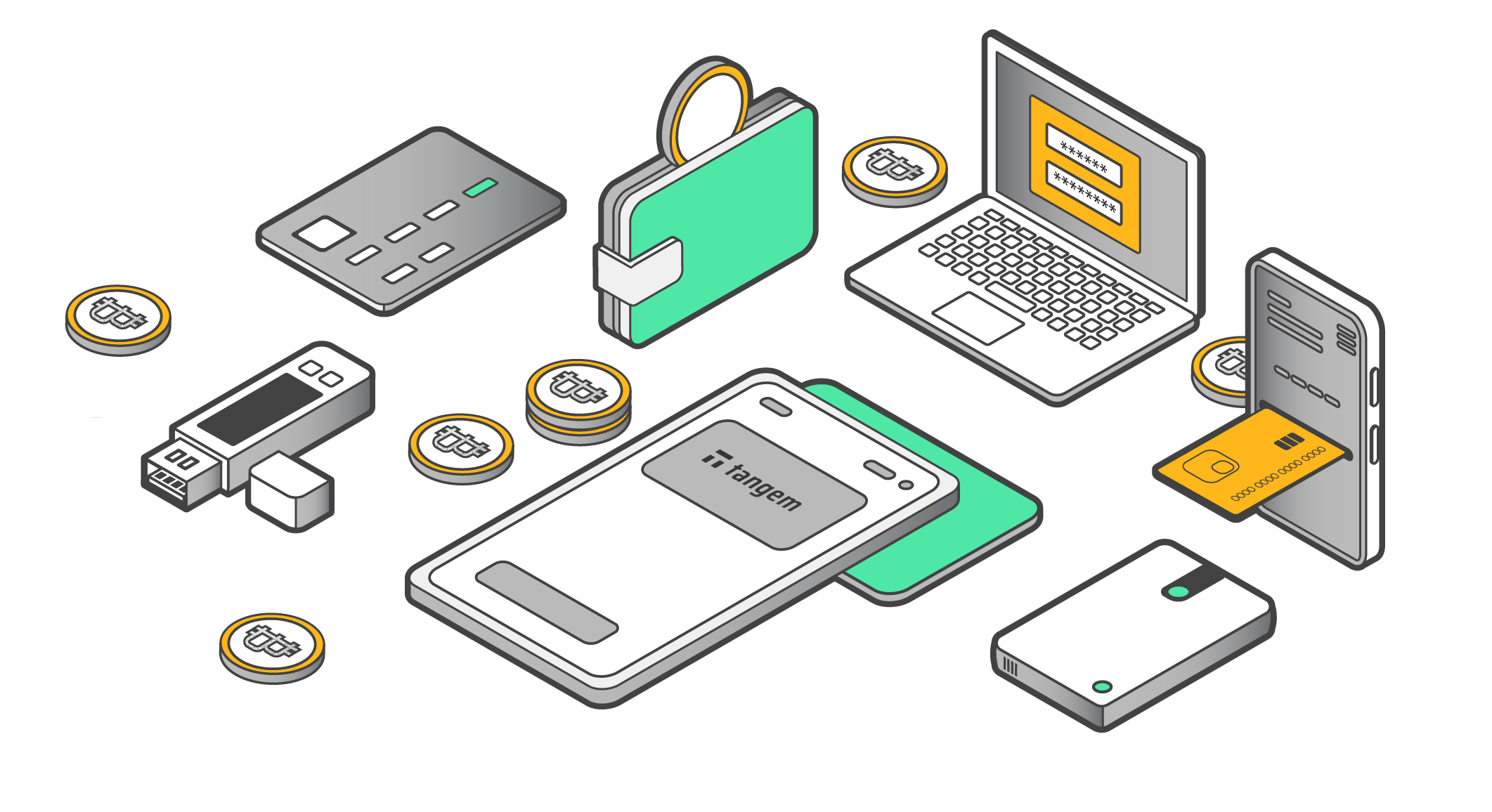
- Based on Form Factor: Hardware Wallets, Mobile Wallets, Desktop Wallets, Browser Extension Wallets, and Exchange Wallets
Hot Wallets (Online)
Hot wallets connect to the internet.
Pros | Cons | Common Use Cases |
Easy setup and fast access | Higher exposure to malware and phishing | Trading |
Ideal for daily transactions | Dependent on device security | Payments |
Seamless interaction with DeFi and NFTs | Frequent dApp interaction |
Cold Wallets (Offline)
Cold wallets store keys offline.
Pros | Cons | Who Should Use Them |
Strong protection against online attacks | Less convenient for frequent transactions | Long-term holders |
Ideal for long-term storage | Requires disciplined backup management | Users managing larger portfolios |
Hardware wallets, such as Tangem, fall into this category while remaining simple enough for everyday users.
Comparison Table: Hot vs. Cold Wallets
Feature | Hot Wallet | Cold Wallet |
Online Access | Yes | No |
Convenience | High | Moderate |
Security | Moderate | High |
Custodial Wallets
A third party controls your private keys.
Pros | Cons |
Easy onboarding | Limited control |
Password recovery options | Exposure to platform risks |
Non-Custodial Wallets
You fully control your private keys.
Pros | Cons |
True ownership | Full responsibility for security |
Full access to Web3 | No recovery without backups |
Comparison Table: Custodial vs. Non-Custodial
Feature | Custodial | Non-Custodial |
Key Control | Third party | User |
Recovery | Provider | Seed phrase |
DeFi Access | Limited | Full |
Ownership | Indirect | Direct |
Hardware Wallets
Physical devices that keep keys offline. They offer high security and are ideal for long-term storage. Modern hardware wallets, such as Tangem, simplify the process by eliminating the need for cables, screens, and software installations.
Mobile Wallets
Smartphone apps that strike a balance between convenience and functionality. They are popular for everyday use.
Desktop Wallets
Installed on computers. Often favored by advanced users who want deeper control.
Browser Extension Wallets
Integrated into browsers. Useful for DeFi but requires caution against phishing.
Exchange Wallets
Provided by trading platforms. Convenient but custodial and not suitable for long-term storage.
Core Features of Crypto Wallets
- Sending and Receiving Crypto: Wallets generate addresses, QR codes, and fee controls for transfers.
- Staking and Earning Passive Rewards: Many wallets support staking directly, enabling users to earn rewards without relinquishing custody.
- Connecting to DeFi Platforms: Wallets act as your Web3 identity, enabling lending, swapping, and yield strategies.
- Managing and Storing NFTs: NFT-compatible wallets display artwork, metadata, and ownership records.
- Signing Messages and Authenticating in Web3: Wallets replace usernames and passwords by securely signing messages.
- Multi-Chain and Multi-Asset Support: Modern wallets support multiple blockchains and thousands of assets in one place.
Why Self-Custody Matters
1. Risks of Leaving Funds on an Exchange
Exchanges can freeze withdrawals, get hacked, or fail. When that happens, users have little control over the situation.
2. Ownership vs. Access: “Not Your Keys, Not Your Crypto”
Without keys, you only have permission. With keys, you have ownership.
When Custodial Wallets Make Sense
Custodial wallets work for short-term trading or onboarding beginners with small amounts.
Best Use Cases for Non-Custodial Wallets
Long-term storage, DeFi participation, NFT ownership, and financial independence.
Common Attack Scenarios and How Self-Custody Protects You
Self-custody removes exchange-level risks, but requires personal responsibility. Hardware wallets, such as Tangem, reduce exposure by keeping keys offline while remaining easy to use.
How to Choose the Right Crypto Wallet
- Security Features to Consider: Look for secure key storage, strong encryption, and minimal attack surfaces.
- Supported Networks and Assets: Ensure the wallet supports the blockchains and tokens you use.
- Ease of Use and Interface Quality: Poor design leads to costly mistakes.
- Backup and Recovery Options
- Precise and reliable recovery processes are essential: Open-Source vs. Closed-Source Software.
- Open-source wallets allow public review, improving trust and transparency.
- DeFi, NFT, and Staking Compatibility: Choose based on how you plan to use crypto.
If simplicity and strong self-custody matter, a wallet like Tangem is worth considering.
How to Set Up a Tangem Crypto Wallet (Step-by-Step)
Tangem wallets remove much of the complexity traditionally associated with self-custody. There is no seed phrase to write down, no cables, and no charging. Setup takes just a few minutes.
Step 1: Get an Official Tangem Wallet
Purchase your Tangem wallet from the official Tangem website or an authorized retailer to ensure the card is genuine and untampered.
Step 2: Install the Tangem App
Download the Tangem app from the Apple App Store or Google Play Store. The app is free and acts as the interface for managing your crypto.
Step 3: Scan the Tangem Card
Open the Tangem app and tap the option to create a new wallet. Hold your Tangem card against the back of your phone. The app uses NFC technology to communicate with the card securely.
Step 4: Create the Wallet
Follow the on-screen instructions to generate your wallet. The private keys are generated and stored securely inside the Tangem card’s chip and never leave it.
Step 5: Set Up Access Protection
Create an access code or enable biometric protection in the app. These measures protect wallet access on your phone while the card’s secure chip keeps the private keys safely stored.
Step 6: Add Backup Cards (Optional but Recommended)
If your Tangem set includes backup cards, link them during setup. These cards serve as secure physical backups, allowing you to access your wallet even if one card is lost or stolen.
Step 7: Confirm Wallet Creation
Once setup is complete, your Tangem wallet is ready to use. You can now view supported assets, receive crypto, and manage your funds directly from the app.
How to Transfer Crypto From an Exchange to a Tangem Wallet (Step-by-Step)
Moving cryptocurrency from an exchange to your Tangem wallet is a crucial step toward achieving true self-custody. Always start with a small test transaction when transferring for the first time.
Step 1: Open the Tangem App and Select an Asset
Open the Tangem app and choose the cryptocurrency you want to receive. Tap “Receive” to display your wallet address and QR code.
Step 2: Copy the Wallet Address
Carefully copy the displayed address or use the QR code. Ensure the asset and network shown in the Tangem app match what you intend to send.
Step 3: Log In to Your Exchange Account
Go to the exchange that holds your crypto, then open the withdrawal or send section.
Step 4: Paste the Tangem Wallet Address
Paste your Tangem wallet address into the recipient field on the exchange. Double-check every character, especially for long addresses.
Step 5: Select the Correct Network
Choose the same blockchain network shown in the Tangem app. Sending assets on the wrong network can result in permanent loss.
Step 6: Enter the Transfer Amount
Start with a small test amount to confirm that everything is set up correctly before sending larger sums.
Step 7: Review Fees and Confirm
Check the network fee and final amount. Confirm the withdrawal and complete any required security checks, such as email or two-factor authentication.
Step 8: Track the Transaction
After sending, you can track the transaction using a blockchain explorer or directly within the Tangem app. Once confirmed, the network credits the funds to your wallet.
By transferring crypto to your Tangem wallet, you transition from exchange-based access to true self-custody, keeping your private keys offline and under your control while maintaining a simple and user-friendly experience.
How to Secure Your Crypto Wallet
- Generate and Store Your Seed Phrase Offline: Never store it digitally or online.
- Enable Two-Factor or Multi-Factor Authentication: Use it where applicable.
- Use Hardware Wallets for Long-Term Storage: Hardware wallets significantly reduce the risk of hacking and theft.
- Protect Yourself From Phishing Attacks: Verify URLs, apps, and messages carefully.
- How to Monitor Wallet Activity: Utilize blockchain explorers and set up alerts to stay informed about your wallet activity.
- Avoiding Common Security Mistakes: Avoid unlimited approvals and unknown contracts.
- What to Do If You Suspect a Wallet Compromise: Move funds immediately to a new wallet with fresh keys.
Common User Mistakes and How to Avoid Them
- Storing Seed Phrases on Phones or Cloud Services: This exposes them to hacks and leaks.
- Downloading Fake Wallet Apps: Always verify the developer and source.
- Sending Tokens to an Unsupported Network: Double-check networks before confirming.
- Interacting With Unknown Smart Contracts: Understand permissions before approving.
- Approving Unlimited Spending Allowances: Limit allowances when possible.
- How Beginners Accidentally Lock Their Funds: Lost backups and network errors are the most common causes of this issue.
FAQs About Crypto Wallets
What Are Non-Custodial Wallets?
Wallets where only you control the private keys.
Can I Transfer Crypto From an Exchange to My Wallet?
Yes, and it is recommended for long-term storage.
What Happens If I Lose My Private Key?
Without a backup, funds are unrecoverable.
Can I Use One Wallet on Multiple Devices?
Yes, using the exact seed phrase.
Are Crypto Wallets Safe?
They are safe when used correctly and securely.
Can I Recover My Crypto Without a Seed Phrase?
Yes. The seed phrase is not the only recovery method when using the Tangem wallet.
Conclusion
Crypto wallets are more than places to hold assets. These tools determine who truly owns crypto and how securely people can use it. Understanding how wallets work, how private keys control ownership, and why self-custody matters makes crypto far less intimidating and far more empowering. Choosing the right wallet shapes your entire experience, from security and ease of use to how confidently you interact with Web3. Whether you are protecting long-term holdings or actively using decentralized apps, a well-designed solution like Tangem shows that strong self-custody can be both secure and straightforward. Treat your wallet as the foundation of your digital financial future, and protect it with the same care as any valuable asset.