 Switch to seedless. Get 30% off with SWITCH30 till Oct 26



Where to Pay with Bitcoin and Cryptocurrency in 2026
Crypto payments are no longer a niche workaround. They are embedded in everyday commerce in 2026.
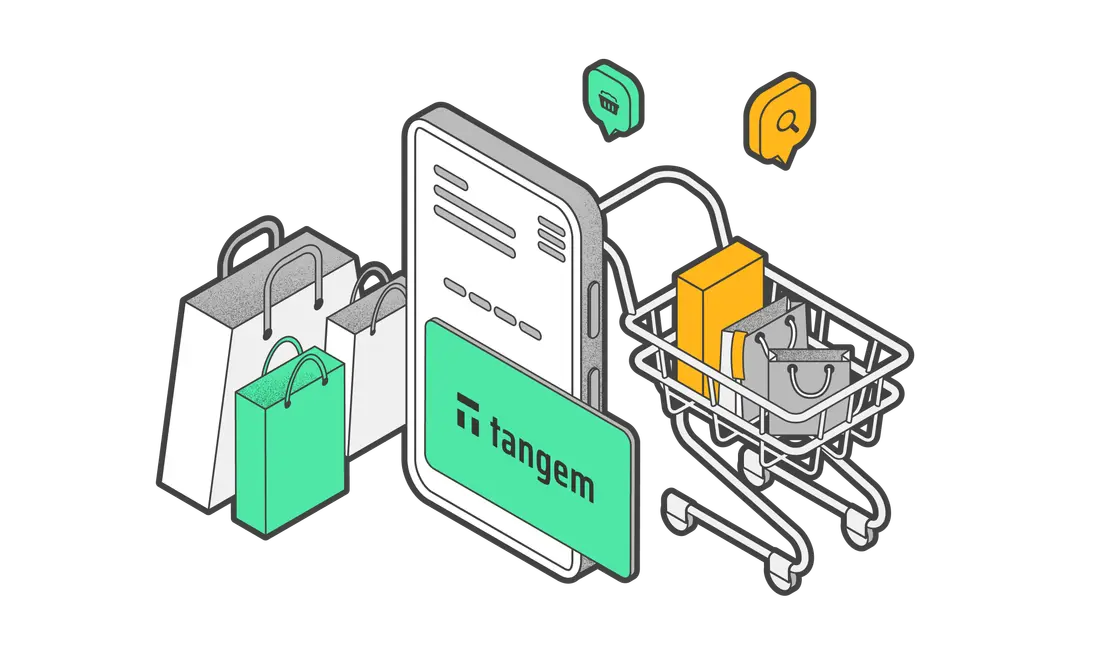
Cryptocurrency has outgrown the trading terminal. In 2026, it functions as a practical payment method accepted by major global brands, independent retailers, and service providers across dozens of sectors. The shift was driven by better infrastructure, stablecoin adoption, clearer regulation, and a new generation of payment tools that make spending crypto as frictionless as tapping a card.
The numbers back it up. According to a January 2026 survey by the National Cryptocurrency Association and PayPal, nearly 4 in 10 U.S. merchants already accept crypto at checkout.
Among merchants already accepting it, crypto accounts for over a quarter of their total sales volume, and 72% of those merchants reported year-on-year growth in crypto transactions.
Stablecoins now underpin the majority of real-world crypto payments, and eMarketer projects that by the end of 2026, nearly 1 in 5 cryptocurrency holders will use crypto for payments; an 82% jump from 2024, though still representing only around 2.5% of the overall U.S. population, which eMarketer characterizes as a nascent-stage payment option.
Who accepts cryptocurrencies in 2026?
Travel and tourism
Flight booking has been crypto-compatible for years.
- CheapAir was an early mover, accepting Bitcoin as far back as 2013, and now supports ETH, DOGE, and stablecoins including USDC, DAI, and GUSD.
- AirBaltic, Surf Air, and Travel For Coins cover flights, hotels, and tour packages. Expedia integrates crypto checkout through third-party processors.
- For something further out, Virgin Galactic accepts Bitcoin for space tourism reservations.
The broader travel ecosystem (hotels, car rentals, cross-border bookings) is increasingly covered by crypto-native apps and Visa/Mastercard crypto debit cards, which remove the need for merchants to accept crypto directly.
Entertainment and media
- AMC Theatres began accepting crypto in 2021 and supports BTC, ETH, BCH, LTC, DOGE, and SHIB for online ticket purchases.
- Twitch supports creator payments and subscriptions in over a dozen cryptocurrencies via NOWPayments.
- Time Magazine accepts crypto for subscriptions through Crypto.com Pay.
- Steak 'n Shake began accepting Bitcoin across all U.S. locations in May 2025, becoming one of the first fast-food chains to do so at scale.
Technology and software
- Microsoft accepts BTC, ETH, DOGE, and GUSD for purchases through the Microsoft Store for games, apps, Xbox content, and subscriptions.
- AT&T, the first major U.S. telecom to accept crypto (2019), processes payments via BitPay for BTC, ETH, DOGE, and other coins.
- ExpressVPN has accepted crypto since 2014, supporting BTC, ETH, XRP, USDC, and others.
- Namecheap accepts Bitcoin for domains and hosting.
- Proton Mail, the privacy-focused email provider, accepts crypto in keeping with its user base.
- Shopify enables thousands of merchants to accept crypto through integrations with Coinbase Commerce, BitPay, Strike, DePay, and OpenNode.
- WordPress supports crypto payment gateway plugins. DISH Network allows Bitcoin and Bitcoin Cash for subscription and pay-per-view payments.
Retail and e-Commerce
- Newegg accepts BTC, ETH, BCH, and DOGE for all purchases.
- Overstock (now Beyond) was one of the first major U.S. retailers to accept Bitcoin; it still does, along with ETH, LTC, and XRP.
- Amazon doesn't accept crypto natively, but platforms like Tangem Pay allow USDC holders to shop there indirectly.
- Luxury retail has entered the picture at scale, with Gucci now accepting 12 cryptocurrencies across all U.S. stores.
- Balenciaga and TAG Heuer accept crypto in select flagship locations via QR code checkout.
- Hublot, Printemps, and other luxury brands have followed suit, targeting crypto-native high-net-worth buyers.
- Best Buy and Bloomingdale's are also accessible through Crypto.com Pay's app integrations.
Food and beverage
- Starbucks accepts Bitcoin and Ethereum to top up its digital Rewards card. Its Odyssey NFT loyalty program has further embedded the brand in the crypto ecosystem.
- KFC Canada processes Bitcoin payments through BitPay.
- Coca-Cola vending machines in Australia and New Zealand accept crypto via the Sylo Smart Wallet.
Sports
- The Dallas Mavericks accept crypto for tickets and merchandise, a policy driven by former majority owner Mark Cuban.
- The Miami Dolphins accept Litecoin for tickets and concessions.
- Portugal's Benfica FC has also adopted crypto payments. More teams are exploring crypto ticketing integrations as fan adoption rises.
Automotive, Aviation, and Marine
- Tesla accepts Dogecoin for select merchandise in its online store.
- Lamborghini dealerships accept Bitcoin in select markets.
- Alza, a Czech retailer, accepts Bitcoin for products including Tesla vehicles.
- SkyCraft accepts BTC for its SD-1 Minisport aircraft.
- Denison Yachting completed one of the first yacht purchases in Bitcoin back in 2017 and has continued accepting crypto.
Jewelry and precious metals
- Samer Halimeh New York accepts Bitcoin for jewelry.
- JM Bullion accepts BTC, BCH, ETH, DOGE, and stablecoins for gold and silver purchases, making precious metals and digital assets natural spending companions.
Real estate
Real estate is one of the fastest-growing crypto payment categories, particularly in luxury and international markets.
Platforms such as Propy, Pacaso, and Harbor Custom Development facilitate property purchases through blockchain-based settlement.
In the UAE, crypto real estate transactions have become commonplace in luxury segments. In Brazil, Gafisa sells residential properties for Bitcoin. In Turkey, Status Property, Gold Ahiskali, and Ataberk Estate accept multiple cryptocurrencies.
Charity
Organizations including BitHope, GiveCrypto, Giveth, and the Crypto Charity Fund accept donations in crypto. CryptoForCharity supports access to over 55,000 charities. The Red Cross accepts Bitcoin donations via BitPay.
How to pay with crypto when merchants don't accept it directly
Direct merchant acceptance is growing, but it's still not universal. Three workarounds cover most gaps:
Crypto debit cards: Issued by Tangem, Coinbase, Crypto.com, BitPay, and others, these Visa or Mastercard cards convert crypto to fiat at the point of sale. They're accepted wherever standard card payments are, which covers practically every merchant on earth. Note that these conversions may constitute taxable events depending on your jurisdiction.
Gift cards. Services like Bitrefill, CoinGate, and CryptoRefills let you convert crypto into spendable balances at major brands. BitPay supports a wide range of retail gift card brands. This indirect route expands the usable surface area of crypto without requiring merchants to do anything differently.
Payment apps. The Flexa-powered SPEDN app supports over 99 cryptocurrencies across 40,000+ merchant locations, converting crypto to fiat instantly at checkout. Crypto.com Pay offers similar functionality with cashback incentives on participating brands.
Tangem Pay: spend your crypto without giving up your keys
Most crypto payment solutions share a common flaw: to spend, you have to hand your assets over to someone else first. Custodial exchanges, third-party conversion platforms, and centralized card issuers all require you to surrender control before you can tap to pay.
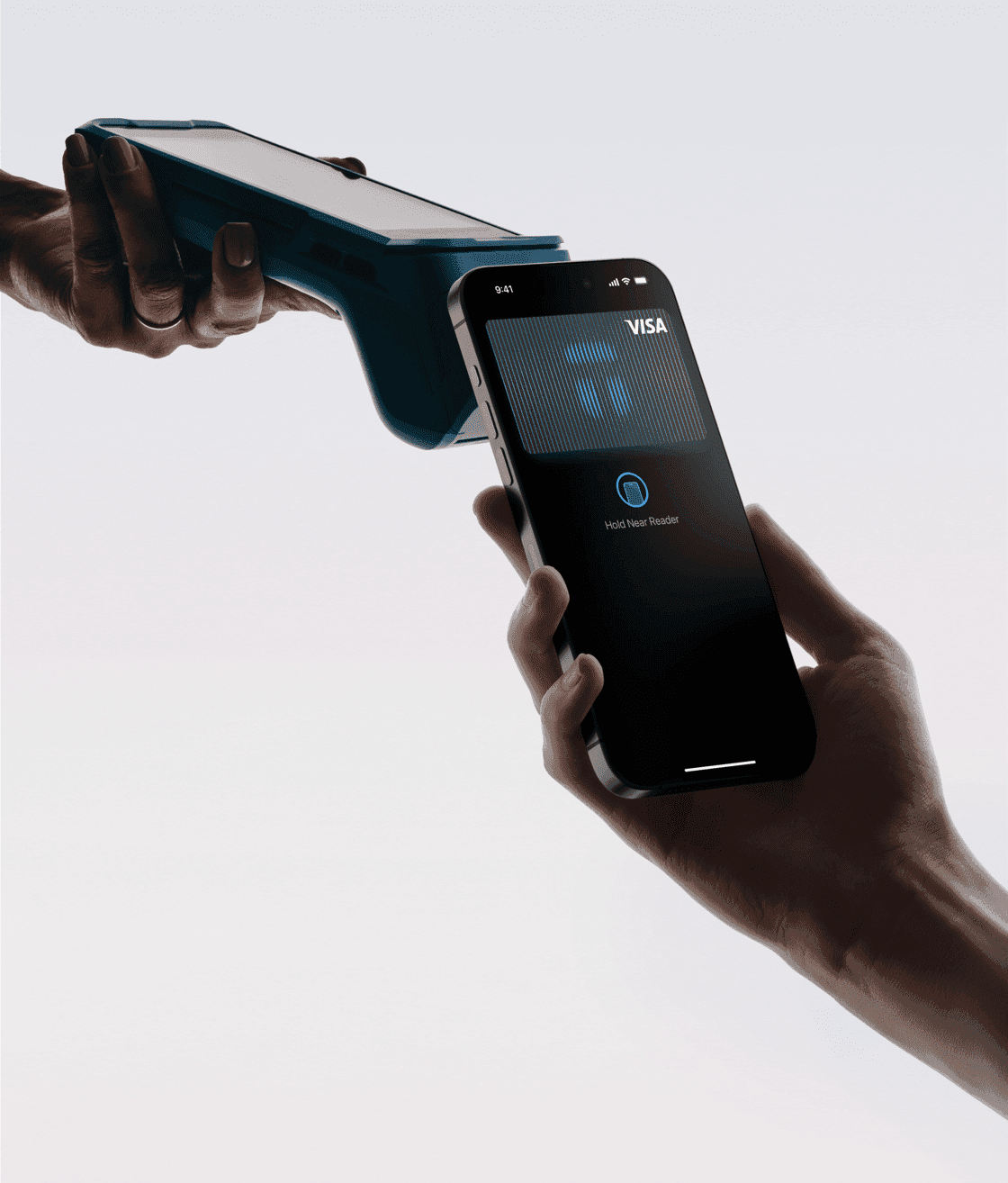
Tangem Pay is a non-custodial payment account embedded directly into the Tangem Wallet app. It issues a virtual Visa card that lets you use your USDC on the Polygon network at any of Visa's 130 million+ accepting merchant locations worldwide, online, in-store, and via Apple Pay or Google Pay, without ever moving your funds to a centralized exchange.
Your funds remain on-chain until you spend. When you make a purchase, the required USDC is deducted from your smart contract account and settled in USD via Visa. The merchant receives a standard fiat payment. You never pre-convert to fiat, and you never relinquish custody of all your assets.
Should you pay with crypto?
The upside is borderless payments with no intermediary delays. For stablecoin holders, there's no price volatility risk. Some crypto cards offer 1–5% cashback in crypto.
The downside is that in most jurisdictions, converting appreciated crypto to fiat is a taxable event, even when it happens automatically at the point of sale. Spending BTC or ETH that has appreciated means realizing those gains on every purchase.
Stablecoins like USDC avoid this problem, since they don't appreciate. Accurate record-keeping is essential regardless of what you spend.
The practical question. If you're holding stablecoins for liquidity, spending them makes straightforward sense. If you're holding volatile assets for long-term appreciation, spending them means crystallizing your position.
Finding merchants near you
- BTCMap.org — focused on Bitcoin-accepting merchants, with local filtering.
- Map.Bitcoin.com — global business map with crypto payment tagging.
FAQs: Where are Bitcoin and other cryptocurrencies accepted?
Which major companies accept crypto in 2026?
Microsoft, AT&T, PayPal, Tesla, Starbucks, Newegg, Overstock, Shopify merchants, Gucci, TAG Heuer, and hundreds of others directly or through processors like BitPay and Coinbase Commerce.
What cryptocurrencies are most widely accepted?
Bitcoin (BTC), Ethereum (ETH), Litecoin (LTC), Bitcoin Cash (BCH), and Dogecoin (DOGE) are accepted most broadly. Stablecoins, particularly USDC and USDT, are gaining ground for everyday spending due to price stability.
Are there tax implications?
In most jurisdictions, spending crypto that has appreciated in value is a taxable event. Stablecoins pegged 1:1 to fiat generally are not. Always check local rules and keep records.


Don't miss these 




Other articles

