


What is a Warm Wallet? ByBit's $1.5B Incident
In a significant security breach, Bybit, a Dubai-based cryptocurrency exchange, reported the theft of approximately $1.5 billion worth of Ethereum. The incident occurred during a routine transfer from a cold wallet to a warm wallet, where hackers manipulated the transaction, gaining control of the cold wallet and transferring 401,000 Ethereum to an unknown address.
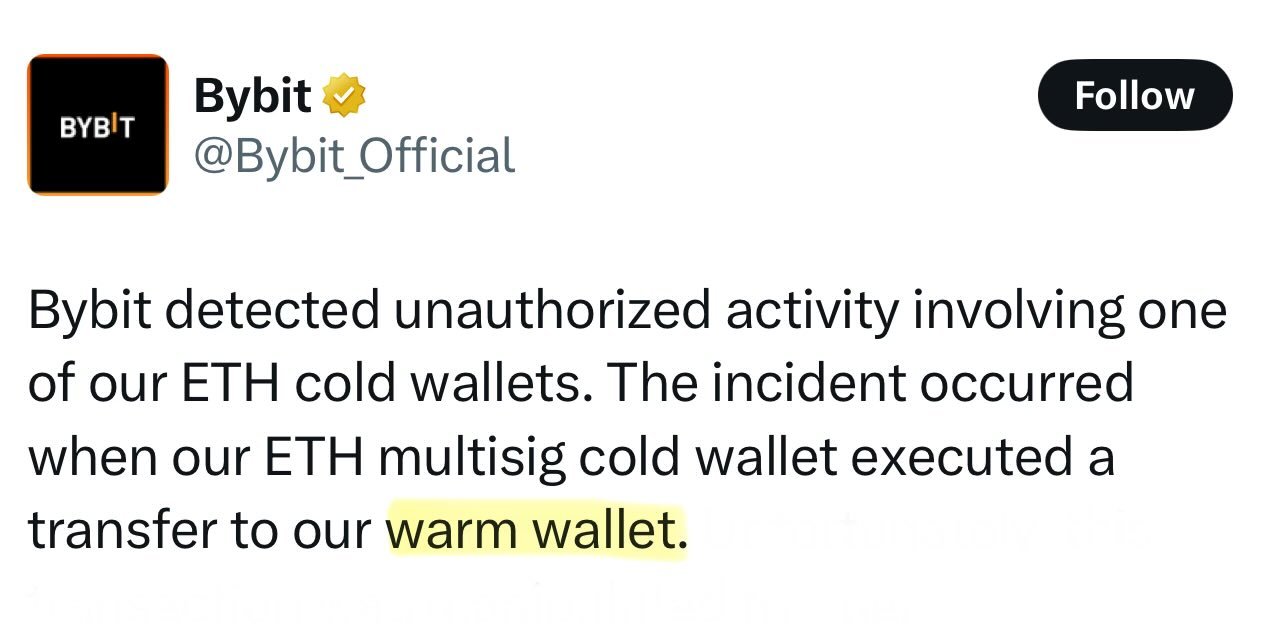
This event highlights the role of wallet types in cryptocurrency security. While cold wallets are offline and considered more secure, warm wallets are something most of us are hearing about for the first time.
A crypto wallet can be categorized as either a cold wallet or a hot wallet, depending on its access to the internet. A cold wallet is not connected to the internet at all times. Instead, it uses NFC, Bluetooth, QR codes, and USB to receive and send the signed transaction to your smartphone or computer.
On the other hand, a hot wallet is always connected to the internet. So, what is a warm wallet?
What is a warm wallet?
A warm wallet is a hot wallet that includes additional multi-factor authentication (MFA) steps for enhanced security. It's still a hot wallet with online signing capabilities, often secured by access controls and multisigs. However, its private keys are still exposed to the internet.
What does the crypto community think about "warm wallets"?
Despite the seriousness of the situation, most crypto users on X(Twitter) maintained a sense of humor with their jokes.
What do you think about "warm wallets"?
Do you think you have a worse idea of what a warm wallet means? Let us hear your jokes, ideas, and facts fly on Tangem's Discord or Telegram.
Warm wallet FAQ
-
A warm wallet is essentially a hot wallet with extra multi-factor authentication steps - online signing capability secured by access controls and multisigs. Its private keys remain exposed to the internet, unlike a cold wallet, which stays offline and communicates via NFC, Bluetooth, QR codes, or USB.
-
The Dubai-based exchange lost approximately $1.5 billion in Ethereum during a routine transfer from a cold wallet to a warm wallet: hackers manipulated the transaction, gained control of the cold wallet, and moved 401,000 ETH to an unknown address.
-
It helps, but the core weakness remains: the private keys are still online. MFA and multisig raise the bar for attackers, yet - as Bybit's loss showed - a manipulated signing flow can defeat the controls. Keys that never touch the internet are a categorically different security model.
-
Because the term only entered the spotlight with the Bybit news - crypto Twitter's reaction ranged from genuine confusion to running jokes, with users quipping about blankets and defrosting. The community traditionally divides wallets simply into hot (online) and cold (offline).


อย่าพลาดสิ่งเหล่านี้ 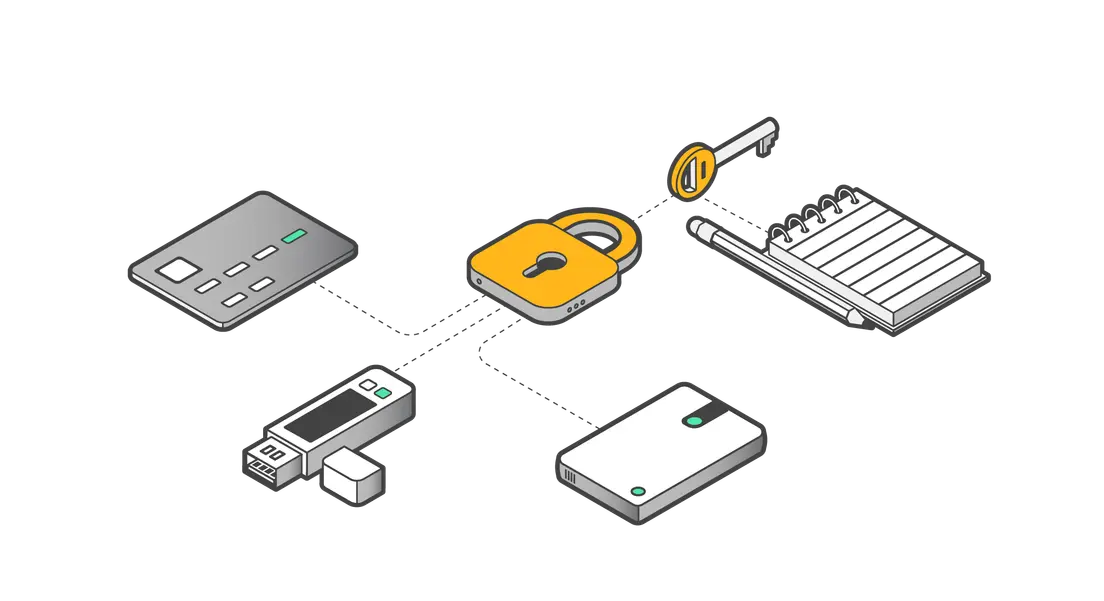



บทความอื่นๆ

