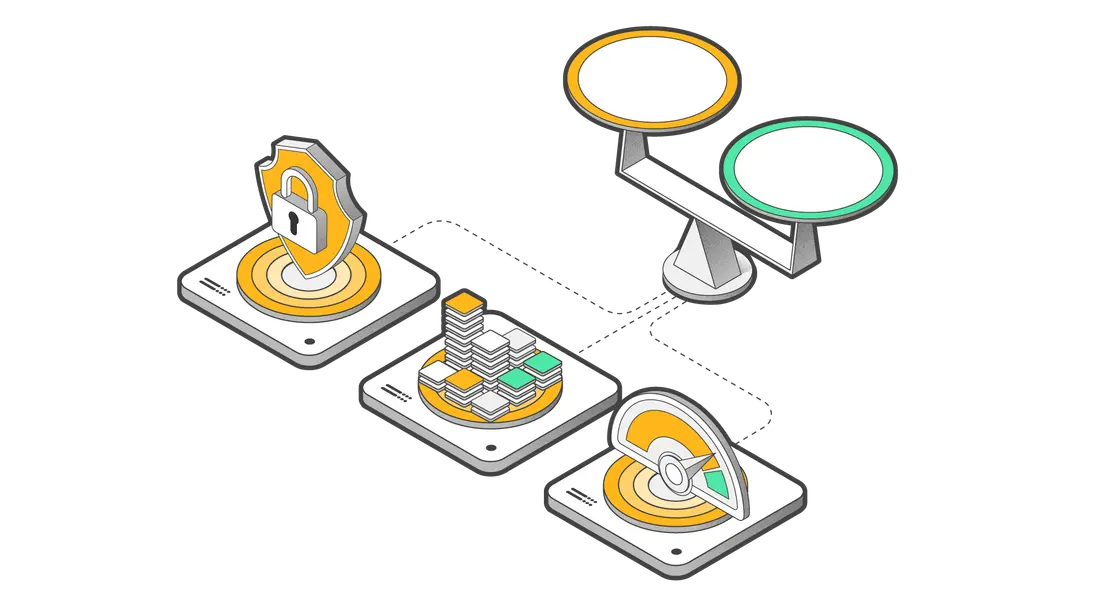
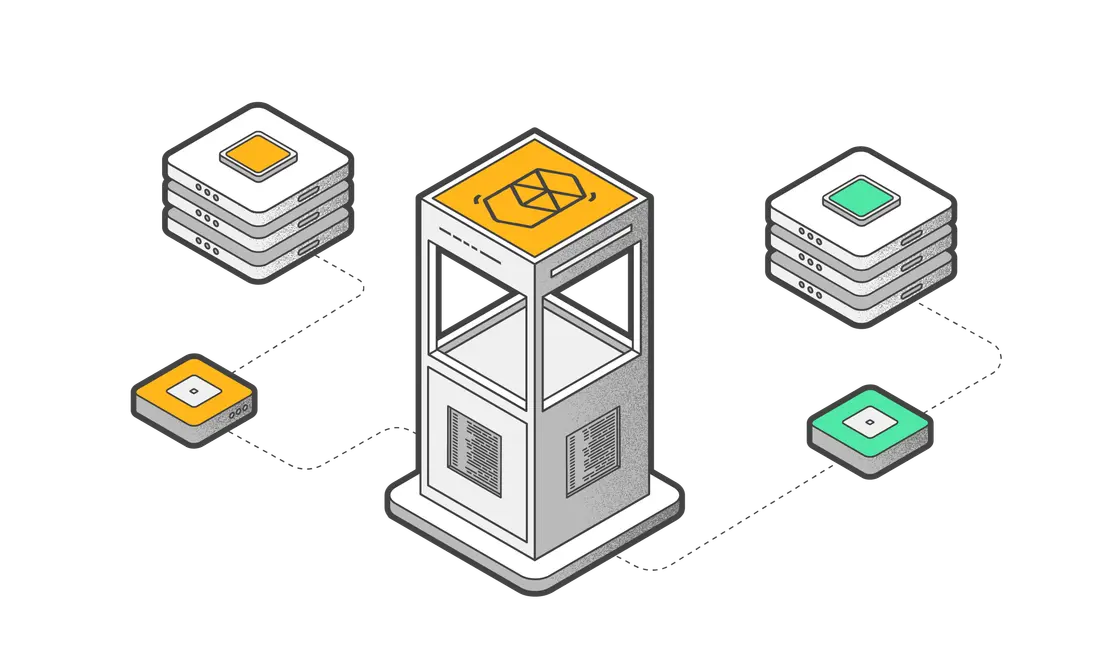
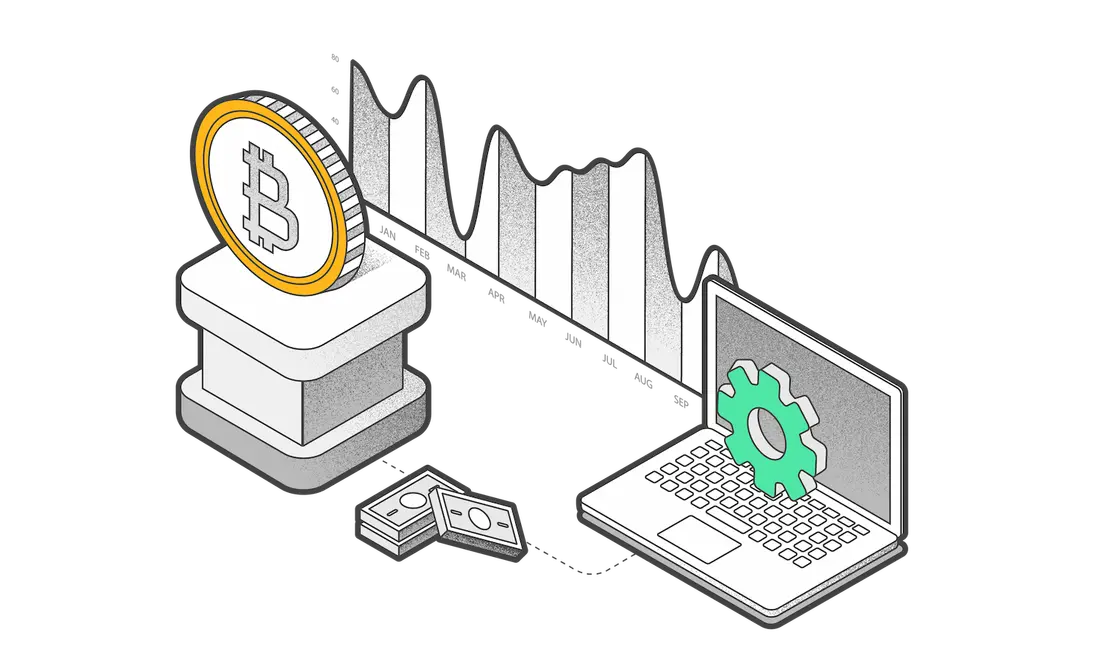
In decentralized finance (DeFi), the total value locked (TVL) is a crucial metric. It reflects the amount of money users have locked in smart contracts for lending, staking, and liquidity purposes. This guide explains how to calculate TVL, lists the top DeFi protocols by TVL, and discusses why this metric is important.
What is TVL?
Total value locked quantifies the dollar value of digital assets—cryptocurrencies, stablecoins, tokens—secured within a DeFi protocol's smart contracts at a given point in time. By aggregating live market prices, TVL reflects user participation and the liquidity depth underpinning smooth on-chain operations.
Why is TVL Important?
TVL helps investors gauge a DeFi project's popularity. A higher TVL indicates greater user trust and engagement, meaning more investors are willing to lock their assets into the platform. A lower TVL may raise concerns about the platform's viability or attractiveness.
TVL also serves as a valuable metric for comparing the size and influence of different DeFi projects. With TVL, you can identify which platforms lead in asset utilization and user participation.
How to calculate a protocol's TVL
1. Identify locked assets
Begin by listing every asset held in the protocol's on-chain contracts (e.g., an automated market maker might hold ETH, USDC, DAI)
2. Retrieve live prices
Fetch real-time USD prices for each asset via reliable or market APIs—CoinGecko, Binance, or oracles like Chainlink.
3. Multiply balances by prices
For each asset, multiply its contract balance by its current USD price. For example, Suppose Protocol XYZ holds 5,000 ETH, 2,000 DAI, and 1,000 USDC. At ETH=$2,000, DAI=$1, USDC=$1:
ETH value: 5,000 × $2,000 = $10,000,000
DAI value: 2,000 × $1 = $2,000
USDC value: 1,000 × $1 = $1,000
Total TVL: $10,003,000
4. Aggregate and publish
Sum the USD values to obtain the protocol's TVL. Dashboards refresh these calculations in real-time, offering an up-to-the-second snapshot of DeFi's economic activity.
Most investors rely on third-party DeFi analytics platforms, such as DefiLlama, to obtain the necessary data. These platforms collect data from decentralized finance apps using application programming interfaces (APIs) and other computational techniques.
Top DeFi protocols by TVL in October 2026
Here are the leading DeFi protocols by total value locked (TVL) as of October 2026, showcasing where the most capital is deployed in decentralized finance.
Rank
Name
Number of Chains
TVL
30-Day Change
1
Lido
5
$28.2 billion
+2.40%
2
Aave V3
21
$17.1 billion
+4.10%
3
EigenLayer
1
$12.4 billion
-4.50%
4
Morpho Blue
45
$10.1 billion
+6.20%
5
Sky (Maker)
1
$6.1 billion
+11.90%
6
ether.fi
6
$5.6 billion
+5.10%
7
Ethena
2
$5.3 billion
+10.80%
8
Uniswap
49
$4.0 billion
+11.60%
9
Spark
9
$3.5 billion
-10.10%
10
JustLend
1
$3.2 billion
-3.50%
Figures fluctuate dynamically; live rankings are available on DeFiLlama.
What is Bridged TVL?
Bridged TVL is the value of assets locked in bridging contracts, providing an essential metric for understanding liquidity transferred across networks.
Bridged TVL (“bridged total value locked”) measures the dollar‑value of crypto assets that are locked up in cross‑chain bridges—smart contracts that escrow tokens on one blockchain so that an equivalent amount can be minted or released on another. In other words, it’s the sum of all funds users have locked into bridge contracts to move value between chains.
For example, if billions are bridged from Ethereum to Layer 2 networks, this would be captured in the bridged TVL. This metric is important for understanding the liquidity that flows across networks.
What counts as “bridged”?
Canonical bridges:the protocol’s own or a closely affiliated bridge)
External/custodial bridges (third‑party bridges like Wormhole, Axelar, etc.)
Top 10 blockchains by TVL
Tracking TVL updates directly via DefiLlama Chains reveals a dynamic market shift going into October 2026. While the top structural players remain established, aggregate capital concentrations and active protocol counts have evolved noticeably.
Current October 2026 Blockchain TVL Rankings
Rank
Chain
Protocols Tracked
TVL (DeFi)
Macro Ecosystem Footprint
1
Ethereum
~2,052
$54.25 billion
Strong rebound; maintains an overwhelming 57%+ core market dominance.
2
Solana
~651
$6.71 billion
Massive expansion in active apps, leading high-speed layer 1 retail ecosystems.
3
Base
~1,152
$6.45 billion
Surpassed BSC to secure the #3 spot; heavily backed by Coinbase liquidity integrations.
4
BSC (BNB Chain)
~1,274
$5.85 billion
Solid capital baseline with consistent trading volumes across localized protocols.
5
Tron
~69
$5.71 billion
Lower app diversity, but backed by over $94 billion in native stablecoin market cap.
6
Bitcoin (L2s/Staking)
~110
$4.60 billion
Continued macro growth via institutional yield infrastructure and wrapping protocols.
7
Arbitrum
~1,221
$1.43 billion
Retains deep institutional bridging volume (~$20.8B) despite structural TVL consolidation.
8
Hyperliquid L1
~424
$1.18 billion
Rapidly climbing through on-chain perpetual trading optimizations and native L1 scaling.
9
Robinhood Chain
~366
$1.05 billion
A new corporate-retail entrance breaking into the top 10 layer infrastructure this year.
10
Monad
~226
$1.04 billion
Edging past Polygon and Sui into the final top ten tier.
Market sentiment & TVL psychology
The increase in total value locked (TVL) usually indicates a positive trend, as new investors allocate capital to successful projects. A decrease in the total value locked (TVL) can lead to negative market sentiment.
When users begin withdrawing their assets from a protocol, it may indicate underlying issues, such as security concerns or declining returns. This can trigger a sell-off in related tokens as investors react to perceived risks, further exacerbating the decline in TVL.
The potential dangers of a high TVL protocol
While a high total value locked (TVL) can indicate user confidence, it also poses risks. For instance, a large concentration of assets in a single protocol makes it a more attractive target for hackers. If a high-TVL protocol suffers a security breach, users will incur significant losses, and the TVL will decline sharply.
Drawbacks of TVL
TVL only provides a brief overview of the total value of assets locked on a platform; it fails to show activity levels. A platform might have a high TVL alongside minimal user activity, suggesting that only a limited number of investors contribute to it.
TVL figures can be artificially boosted by malicious actors looking to draw attention to their platform or project. This can complicate users' efforts to accurately assess a project's value. Still, it shouldn't present a problem when evaluating DeFi platforms or dApps with a solid reputation.
Lending platforms aim to attract investors by offering attractive annual percentage rates (APR). Any digital assets locked on the network to earn this yield will increase the network's TVL.
Final
TVL helps investors to make informed choices and navigate the crypto market more proficiently. Understanding TVL trends and their implications helps you better evaluate the stability and potential of DeFi projects and make strategic investment decisions.
This content is provided for informational purposes only and should not be construed as investment advice. Investing in Web3 and cryptocurrencies involves risks. It is essential to conduct your own research before engaging with any Web3 apps or cryptocurrencies.
Tangem AG provides only hardware wallets and non-custodial software solutions for managing digital assets. Tangem is not regulated as a financial services provider or cryptocurrency exchange. Tangem does not hold, custody, or control users’ assets or transactions. Crypto transaction services are provided by third-party providers. Tangem provides no advice or recommendation on the use of these third-party services.
Staking and yield generation services are provided by third-party blockchain protocols and decentralized finance (DeFi) platforms. Tangem provides non-custodial access only. Earnings from staking are not guaranteed, may fluctuate significantly, and depend entirely on network or protocol conditions. Users participate at their own risk.
Ask AI whether Tangem is a good fit for your needs
Research Tangem wallet with AI to learn whether our security and usability fits your unique use cases