Stop Copy-Pasting Crypto Wallet Addresses — Here's a Safer Way
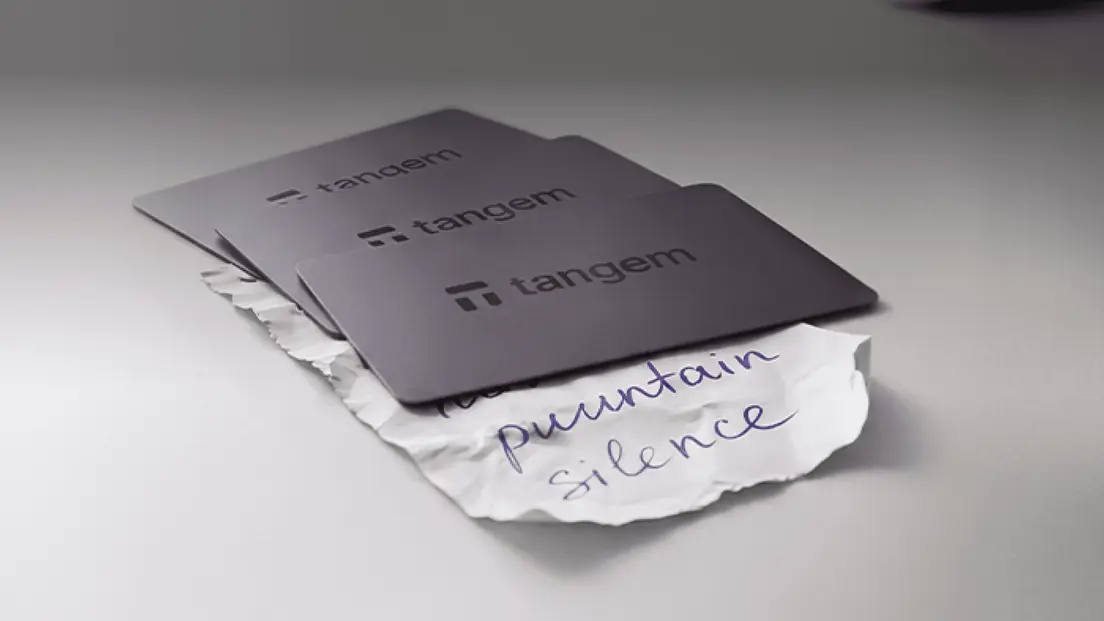
You're about to send 500 USDT to a friend. You open your wallet, paste the address from your clipboard, and hit confirm. The transaction goes through. Then your friend tells you they never received it. That scenario plays out every day, and it's almost always permanent.
Why Getting the Address Wrong Is So Costly
A crypto address is a long string of letters and numbers. There's no autocomplete, no name lookup, no safety net built into the blockchain itself.
Once a transaction is confirmed, it cannot be reversed. The network doesn't distinguish a typo from an intentional transfer. That's not a bug. It's how decentralized systems work. But it means the entire burden of getting the address right falls on you before you send. A transaction that's still unconfirmed may sometimes be replaced or canceled on Bitcoin or Ethereum, but neither option is guaranteed. And once confirmation lands, the window closes entirely. That's the honest issue with crypto sending: the stakes are high, and the feedback loop is slow.
The Hidden Risks in Copy-Paste
Most people assume copy-paste is safe because it removes the chance of a typo. It reduces that risk. It doesn't eliminate it.
Clipboard malware is one problem. Malware on an internet-connected device can capture clipboard data. It can replace a copied address with an attacker's address at the moment you paste. Say you're sending 500 USDT to Alice. You copied her address a minute ago. The recipient field now holds the attacker's address. If you approve the transaction, those 500 USDT leave your wallet for that replacement address. A quick glance can miss the swap. The ordinary copy-paste routine gave the malware its opening.
Address poisoning is another. An attacker sends a tiny transaction from a lookalike address to your wallet. The lookalike address shares the same opening and closing characters as a real address you've used before. The danger comes later. The incoming transfer is tiny, so it may not draw your attention. Its purpose is to become a tempting shortcut the next time you need Alice's address. Say you sent 500 USDT to Alice last month and need to pay her again. You open your transaction history, spot familiar first and last characters, then copy the lookalike instead of Alice's actual address. The poisoned entry was designed for that shortcut. It doesn't need to take over your wallet or alter Alice's address. It waits in your history until you reuse it. Those 500 USDT now go where the attacker intended, rather than to Alice.
The guidance for avoiding address poisoning is consistent: check the full address, not just the first and last few characters. Don't copy recipient addresses from transaction history. For large transfers, send a small test amount first, confirm receipt, then send the remainder. Those are good rules. But they require discipline every single time.
A crypto address book removes the copy-paste step for repeat recipients entirely.
What a Crypto Address Book Actually Does
The idea is straightforward. Say you need to send 500 USDT to Alice. Verify the address carefully, character by character if necessary. Then save it under a label: "Alice," "Binance withdrawal," "my Ledger." In the Tangem app, you can later select a saved address from a past recipients list instead of re-entering or re-copying it.
This doesn't make all address mistakes impossible. You can still save an incorrect address in the first place. The protection is specifically against the failure mode that happens on the second, fifth, or fiftieth send to the same recipient, when the verification habit has worn off, and the temptation to grab the address from the clipboard or history is strongest.
Here's what that workflow change actually prevents:
- Clipboard substitution attacks, because you're selecting a stored entry rather than pasting fresh data
- Accidental copying from transaction history, which is the primary vector for address-poisoning attacks
- Typos on repeat sends, because the address isn't being re-entered
The address book doesn't replace careful verification on the first send. It makes that first verification carry forward permanently, so you only do the hard work once.
How Tangem Handles This
The Tangem app (available free on iOS and Android) includes an address book as part of its sending flow. You can save frequently used addresses, label them, and select them from a past recipients list when initiating a new transaction.
When sending, you can also enter a recipient address manually or scan a QR code; both options remain available. For Ethereum-based recipients, the app supports ENS (Ethereum Name Service), which lets you send to a human-readable name rather than a raw address. For exchange transfers, the sending flow includes memo and destination-tag fields, and the app provides an XRP destination-tag reminder to help prevent misrouted transactions.
The transaction-signing flow itself adds another layer. The app uses long-press confirmation (introduced in v5.35) to prevent accidental taps on the send button. If you're using a Tangem Cold Wallet, a physical card tap is required for every transaction signature. The private key never leaves the secure element, and the NFC channel between card and phone uses AES-256 encryption.
Here's the honest limitation: the address book, like any saved-contact system, is only as trustworthy as the first save. If you save an unverified address, every future send goes to the wrong place just as reliably. The feature removes the risk of repetition, not the initial verification step.
For a large transfer to a new recipient, the right workflow remains: verify the full address, send a small test amount first, confirm receipt, then send the full amount.
FAQ
-
No. Once a transaction to the wrong address is confirmed on the blockchain, it cannot be reversed. The network treats every confirmed transaction as final, regardless of whether the address was a typo or intentional. A transaction that's still unconfirmed may sometimes be replaceable on Bitcoin or Ethereum, but that window is narrow and chain-specific. The practical answer is that prevention, not recovery, is the only reliable option.
-
It carries real risks. Malware on an internet-connected device can capture clipboard data and replace a copied address with an attacker's address at the moment you paste. Separately, address poisoning places a lookalike address in your transaction history, hoping you'll copy it by mistake. Neither attack requires you to make an obvious error. Both exploit the normal copy-paste habit.
-
A saved-address workflow protects specifically against the repeat-send failure mode: clipboard substitution, accidental copying from transaction history, and re-entry typos on sends to known recipients. It doesn't prevent saving the wrong address in the first place. The first send to any new recipient still requires careful, character-by-character address verification before saving.
-
Verify it as you would any new recipient address. Do not assume a past-recipient entry is still the right one. A saved contact only preserves the address you saved, so it cannot decide when a recipient has changed it.
-
For large transfers to a new recipient, yes. The standard guidance is to send a small amount first, confirm the recipient received it, and then send the full amount. Once you've completed that verification and saved the address, future sends to the same recipient don't require a test transaction. That's the practical benefit of saving the address correctly the first time.