 Switch to seedless. Get 30% off with SWITCH30 till Oct 21


Crypto Card vs. Debit Card: What's the Difference?
This article is available in the following languages:
The Short Answer
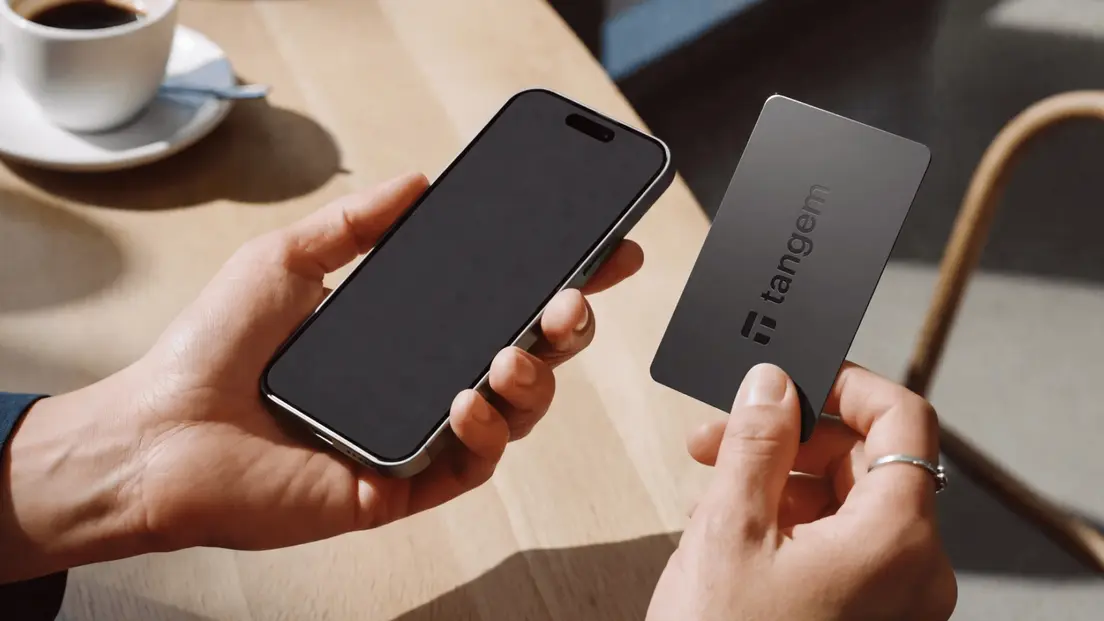
Both cards look identical at the payment terminal. The differences lie entirely behind the scenes: where the money comes from, who controls it before the purchase, and whether any conversion is required.
A debit card draws directly from a bank checking account. The bank holds your funds, and the payment network moves them to the merchant when you tap or swipe.
A crypto card draws from a crypto wallet or a card balance funded with cryptocurrency. In a self-custodial design, you hold the private keys to your funds right up until the moment of spending. The mechanics of custody and conversion vary by card program, so the category covers a range of designs rather than a single model.
How Funding Differs
With a debit card, the funding chain is short. Your money sits in a bank checking account, and the card draws from that account directly when you make a purchase. The funds must be available before the transaction clears.
Crypto cards work differently at the source. In a self-custodial model, a wallet holds crypto under the user's key control. The user authorizes each transaction by signing with their private key, and the funds remain in that wallet until the transaction is authorized. No bank account is involved.
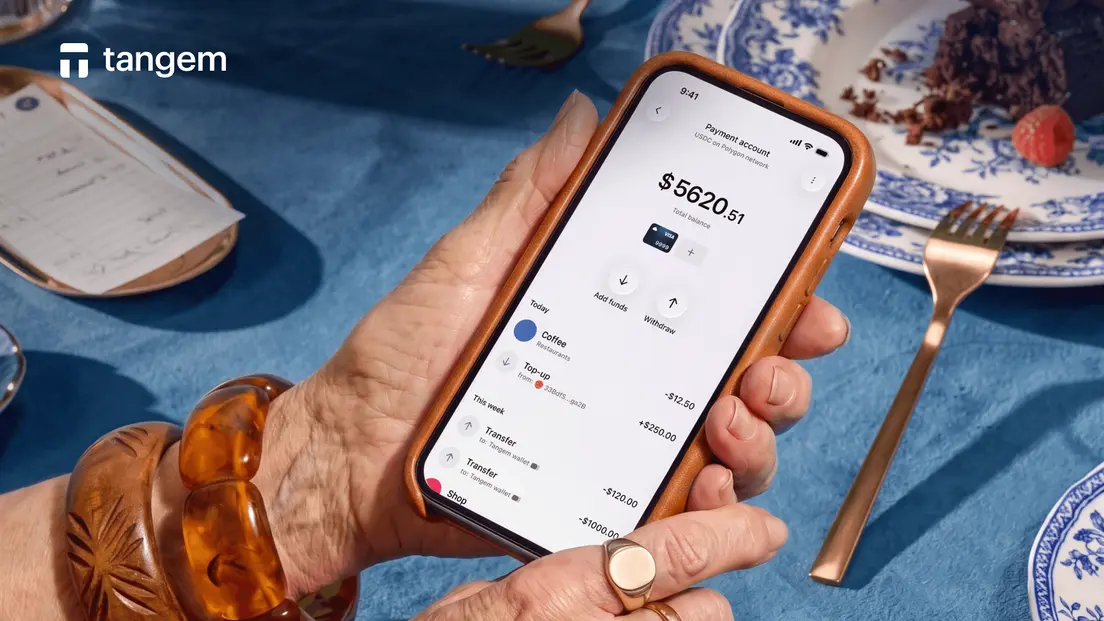
One documented program design illustrates how this plays out in practice. Tangem Pay, for instance, is funded with native USDC on the Polygon network. A user sends USDC from a Tangem Wallet (or another wallet) to the Tangem Pay address. After blockchain confirmation, the USDC funds are credited to the Tangem Pay account and become available for spending. The funds are held in a smart contract that the user controls, not in a bank account.
That's a meaningful structural difference. With a debit card, the bank intermediates the funding relationship. With a self-custody crypto card, the user controls the underlying balance until the moment of the transaction. Not every crypto card uses this model. Some programs link to an exchange account or custodial wallet, which shifts the custody question. The funding source and who controls it before spending are the variables worth examining for any specific card.
How Custody Differs
This is the real substantive difference between the two categories. With a bank-linked debit card, the bank controls the funds. It can freeze the account, reverse transactions, assist with recovery if credentials are lost, and comply with legal orders affecting the balance. The tradeoff is that you rely on the bank's systems and policies to access your money.
Self-custody means something specific: the user controls the private keys to the crypto, and no third party can access or move those funds without the user's authorization. In a custodial wallet, a third party holds the private keys. In a non-custodial wallet, only the key holder can access and control it.
The practical consequences run in both directions. Custodial models can provide account recovery assistance if you lose access. Self-custody makes the user fully responsible for key management and backups. Losing the private key or recovery phrase in a self-custodial model can make the funds permanently inaccessible. That's not a minor caveat; it's the core tradeoff of the model.
For Tangem Pay specifically, the product documentation describes the funds as on-chain and user-controlled, with users retaining self-custody. If the Tangem Pay card is frozen, the documentation states that it disconnects from the Visa network while the user's on-chain USDC balance remains unaffected. That distinction matters: the spending layer and the custody layer are separate. This is a category-level explanation. For how Tangem Pay is specifically classified as a card type, see the dedicated post on that question.
How Conversion at Checkout Differs (or Doesn't)
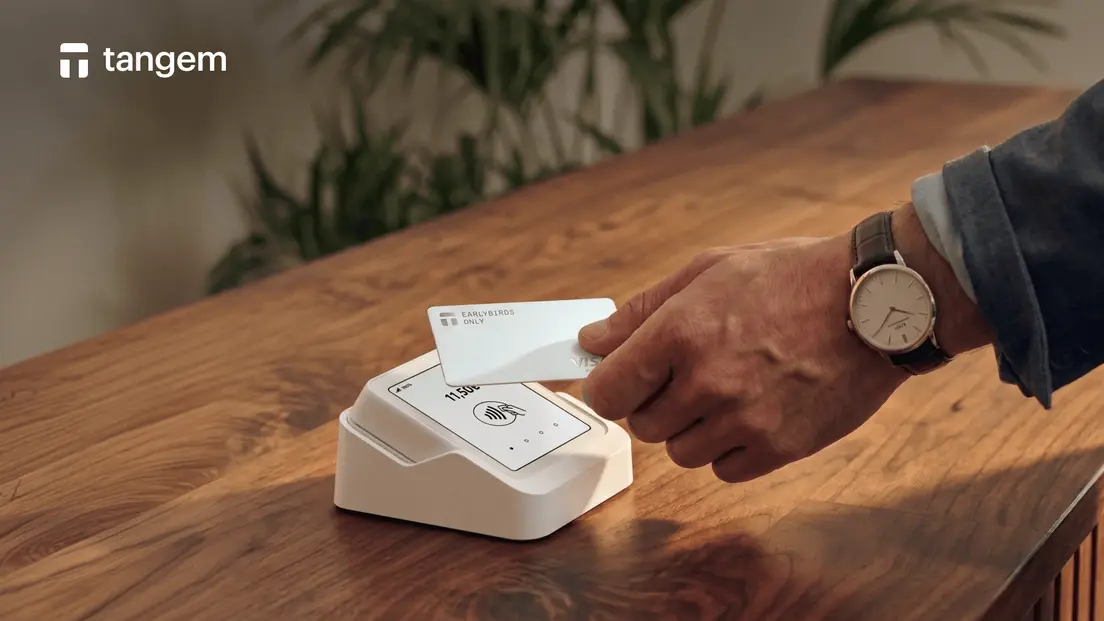
At the point-of-sale terminal, both cards look identical to the merchant. The card network (Visa or Mastercard) processes the transaction the same way regardless of the funds it uses. That's the point worth making clearly, because it surprises most people.
The difference is in what happens before the transaction reaches the terminal. With a conventional bank debit card funded by fiat, no conversion is needed. The account holds funds already denominated in the spending currency, so the payment goes through directly. With a crypto card, the timing of conversions depends on the program's design. One documented model converts USDC into a USD card balance when the card is loaded, before any purchase is made. The conversion occurs at the time of funding, not at the point of sale. Under this design, by the time you tap to pay, the card balance is already in fiat.
Other designs convert at the moment of the transaction. The mechanics vary, and the timing of conversion affects factors such as exchange-rate exposure and fee structure. For Tangem Pay, the documented flow is: USDC converts 1:1 to USD, the transaction processes through the Visa network, and the merchant receives a USD payment. The equivalent USDC is deducted from the Tangem Pay account at the time of purchase.
What Stays the Same
Once you're at the checkout, the experience is the same. Both card types run on the same card networks. Visa and Mastercard acceptance is global, and a crypto card issued on either network works wherever that network is accepted. The merchant sees a standard card transaction either way.
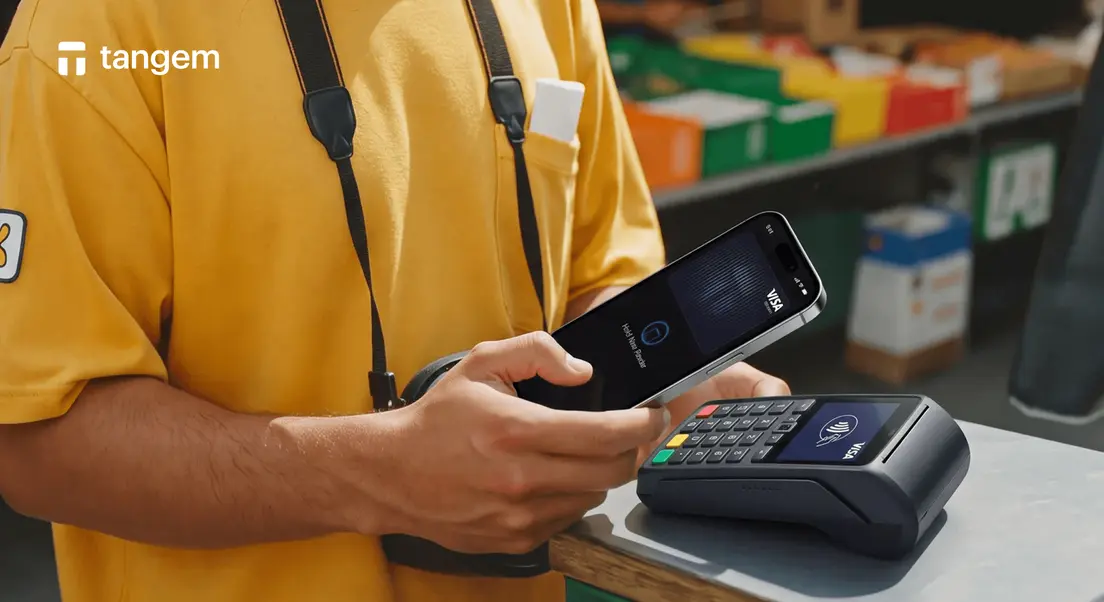
Contactless payments work identically. Tap-to-pay at a terminal, add the card to Apple Pay or Google Pay, use card details for online purchases: all of these functions work the same way regardless of whether the underlying funds came from a bank account or a crypto wallet.
Tangem Pay, for example, supports online purchases through card details and in-store payments by tapping a phone via Apple Pay or Google Pay. The product documentation confirms the virtual card can be added to Apple Pay or Google Pay and used wherever Visa is accepted globally. The everyday spending experience doesn't change. What changes is the financial infrastructure underneath it.
When Each Makes More Sense
Neither model is universally better. The right choice depends on what you're starting from and what you want to control.
A debit card makes sense if your funds are in a bank account and you have no particular need to hold or spend crypto. The recovery options and institutional support that come with a bank relationship are genuine advantages for many users. Access is straightforward, and there's no key-management responsibility.
A crypto card makes sense if you already hold crypto and want to spend it without a separate manual sell-and-transfer step. The self-custodial model appeals to users who want direct control over their funds between transactions rather than delegating that control to an exchange or bank.
The meaningful custody choice is between provider convenience and recovery options on one side, and direct control of keys with the responsibility for backups on the other. Hot-wallet guidance draws a similar line: small, near-term spending balances carry a different risk profile than larger or long-term holdings, which are commonly kept in colder storage. Custody preference, recovery responsibility, and the asset you're starting from are the real decision factors. Neither card type is the obvious answer for everyone.
FAQ
-
Not exactly. Both work the same way at checkout, but a debit card draws directly from a bank account, while a crypto card typically draws from a self-custody crypto wallet or a crypto-funded card balance. The funding source, custody model, and (sometimes) conversion mechanics differ, even though the point-of-sale experience is identical.
-
Yes. Tangem Pay is described in current sources as a virtual Visa debit card. It is funded with self-custody USDC on Polygon rather than drawing directly from a bank account. For the full classification explanation, see our dedicated post on Tangem Pay categorization.
-
Yes. At the point of sale, both are processed identically through the card network (Visa or Mastercard). The merchant receives a standard payment either way. The difference is entirely in which funds the transaction, behind the scenes, not in how you tap or swipe.
-
Often yes. Self-custody crypto cards like Tangem Pay can be funded directly from a crypto wallet, with no bank account required for the core funding flow. Tangem Pay is funded by sending native USDC on Polygon to the Tangem Pay address from a Tangem Wallet or another compatible wallet.
-
Freezing a card can stop it from connecting to the card network, so you cannot use it for purchases. For Tangem Pay, the documentation says the on-chain USDC balance remains unaffected, because the payment card and custody layer are separate.


Don't miss these 



Other articles

