Tangem Pay vs Coinbase Card: qual é a diferença?
Este artigo está disponível nos seguintes idiomas:
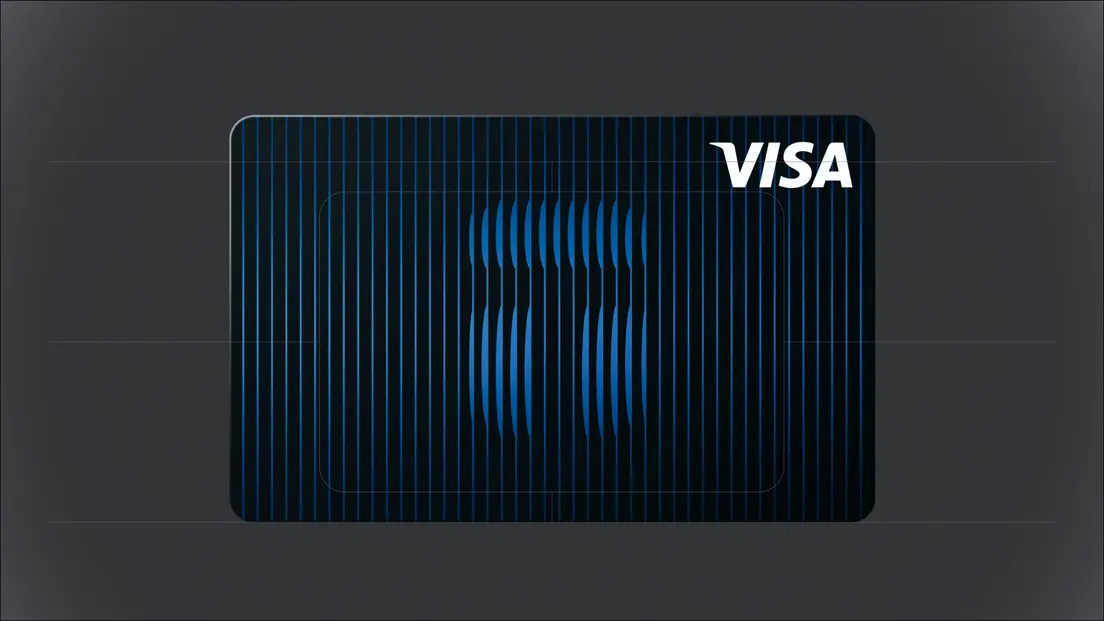
Ambos os cartões permitem que você use suas criptos em estabelecimentos que aceitam Visa no mundo todo. Mas é aí que a semelhança termina. Tangem Pay e Coinbase Card operam com modelos de custódia fundamentalmente diferentes, movimentam ativos distintos e atendem usuários com prioridades diversas. Escolha o Tangem Pay se autocustódia é prioridade; escolha o Coinbase Card apenas se as condições atuais da Coinbase para gastos com custódia fizerem sentido para você. Se você já se perguntou se deveria manter suas criptos sob seu próprio controle de chaves ou deixá-las em uma plataforma enquanto gasta, esta comparação responde diretamente.
Como funciona cada cartão
A mecânica de cada cartão revela o verdadeiro equilíbrio entre controle e praticidade.
O Coinbase Card é o exemplo de cartão custodial. Suas criptos ficam sob custódia da Coinbase o tempo todo. A Coinbase é a custodiante, e o cartão funciona basicamente como uma interface de gastos para a conta na exchange centralizada.
O Tangem Pay é diferente. Ele é uma conta de pagamentos não custodial integrada ao app Tangem Wallet, lançada na versão 5.31 do app em dezembro de 2025. Para gastar, você abastece o saldo do Tangem Pay com USDC nativo na rede Polygon, transferindo da sua Tangem Wallet ou de outra carteira. Esse USDC é usado nas compras. No caixa, a compra com Tangem Pay funciona como qualquer outra transação Visa: o comerciante recebe em USD pela rede Visa. Nos bastidores, seu USDC é convertido e o pagamento é liquidado via Visa. Seus fundos principais na Tangem Wallet permanecem separados e sob seu controle o tempo todo.
A diferença principal está no momento e na posse dos fundos. Com o Coinbase Card, suas criptos estão sempre sob posse da Coinbase. Com o Tangem Pay, elas permanecem na sua carteira até você decidir abastecer o saldo do cartão. Tangem Wallet e Tangem Pay são produtos distintos: a carteira é uma hardware wallet de autocustódia, e o cartão é uma conta de gastos que funciona junto com ela.
One important clarification: Tangem Pay é um cartão Visa virtual, não físico. O Tangem Pay é compatível com Apple Pay e Google Pay.
Autocustódia (Tangem Wallet)
Para quem já passou por colapsos de exchanges, a custódia deixou de ser uma preocupação abstrata. O vault registrou US$ 2,47 bilhões roubados de plataformas cripto só no primeiro semestre de 2025, superando o total de todo 2024. O incidente da Bybit em fevereiro de 2025 representou mais de US$ 1,5 bilhão desse total.
Em cartões custodiais como o Coinbase Card, suas criptos ficam sob controle da plataforma. Se houver problemas técnicos, ações regulatórias ou insolvência, o acesso aos fundos pode ser afetado. Esse é o risco de contraparte presente em qualquer modelo custodial.
No Tangem Pay, o saldo para gastos permanece como USDC on-chain em um smart contract controlado pelas mesmas chaves de autocustódia da sua Tangem Wallet. A emissão e liquidação das transações na rede Visa são feitas pela Rain, mas a Rain não detém nem controla seus fundos. Seus criptoativos principais ficam na Tangem Wallet, uma hardware wallet de autocustódia que gera as chaves privadas dentro de um chip Samsung S3D350A (certificação EAL6+) e nunca as expõe. Nenhum terceiro, nem mesmo a Tangem, pode acessar essas chaves. Auditorias independentes da Kudelski Security e Riscure confirmaram que não há backdoors no firmware.
Here's what that means in practice: se você tem 2 ETH na sua Tangem Wallet e carrega 50 USDC no saldo do Tangem Pay para gastos semanais, apenas esses 50 USDC ficam disponíveis para uso no cartão. Os 2 ETH continuam on-chain, sob suas chaves, totalmente separados da infraestrutura do cartão.
O congelamento do Tangem Pay desconecta o cartão da rede Visa, mas o saldo USDC on-chain permanece intacto. Isso é diferente de cartões custodiais, onde um bloqueio na plataforma pode travar toda sua conta. A autocustódia transfere a responsabilidade para o usuário. Se todos os cartões Tangem forem perdidos e não houver backup da seed phrase, os fundos se tornam inacessíveis para sempre. Esse é o equilíbrio honesto: controle total exige responsabilidade total.
O Tangem Pay exige KYC. O processo é feito via Sumsub, incluindo verificação de documento e reconhecimento facial, e a Tangem não acessa nem armazena esses dados de identidade. A Tangem Wallet principal permanece totalmente anônima; apenas a atividade do Tangem Pay é visível para parceiros de compliance.
Comparativo de recursos lado a lado
O material de pesquisa atual cobre totalmente o comparativo de custódia e a mecânica do Tangem Pay. Não há verificação dos termos atuais do Coinbase Card para taxas, recompensas, ativos suportados, status de cartão físico, suporte a carteira móvel, rede ou detalhes do emissor. Para esses pontos específicos, consulte os termos atualizados da Coinbase antes de solicitar.
Feature | Tangem Pay | Coinbase Card |
Tipo de cartão | Cartão Visa virtual | Consulte os termos atuais do Coinbase Card antes de solicitar |
Modelo de custódia | Autocustódia (Tangem Wallet) | Custodial (conta Coinbase) |
Ativo de abastecimento | USDC na Polygon | Consulte os termos atuais do Coinbase Card antes de solicitar |
Liquidação | USDC abastece o cartão; compras são liquidadas como uma transação Visa padrão | Consulte os termos atuais do Coinbase Card antes de solicitar |
Taxa mensal | Nenhuma | Consulte os termos atuais do Coinbase Card antes de solicitar |
Recompensas | Nenhuma | Consulte os termos atuais do Coinbase Card antes de solicitar |
Cartão físico | Somente virtual | Consulte os termos atuais do Coinbase Card antes de solicitar |
Apple Pay / Google Pay | Sim | Consulte os termos atuais do Coinbase Card antes de solicitar |
Aceitação na rede | Comerciantes que aceitam Visa; número exato de países não verificado | Consulte os termos atuais do Coinbase Card antes de solicitar |
Emissor | Rain (Visa Principal Member) | Consulte os termos atuais do Coinbase Card antes de solicitar |
KYC obrigatório | Sim | Consulte os termos atuais do Coinbase Card antes de solicitar |
Note: As informações do Coinbase Card são válidas na data da pesquisa. Sempre confira os termos atualizados em coinbase.com/card antes de solicitar.
Este comparativo é mais restrito que uma análise tradicional de cartões. Sobre o Tangem Pay, as fontes confirmam ativo de abastecimento, taxas, tipo de cartão, suporte a carteira móvel, emissor e modelo de custódia. Sobre o Coinbase Card, este texto só pode afirmar o ponto da custódia sem transformar detalhes antigos ou não verificados em recomendações atuais.
Isso é importante para o leitor. Se você está comparando porcentagens de recompensas, moedas suportadas ou disponibilidade de cartão físico, os termos atuais da Coinbase são o fator decisivo. Para custódia, a resposta já é clara: o Tangem Pay une uma conta de gastos Visa à autocustódia da Tangem Wallet, enquanto o Coinbase Card depende de uma conta custodial na Coinbase.
A Rain, parceira emissora do Tangem Pay, possui credenciamento principal Visa e pode emitir cartões diretamente na rede Visa. O comunicado da Orrick de março de 2025 sobre o aporte de US$ 24,5 milhões confirmou que a Rain patrocina e opera programas de cartões como membro principal da Visa.
O Tangem Pay não cobra taxas de transação, nem mensalidade, nem taxa de emissão do cartão virtual. O usuário paga apenas as taxas de gas da Polygon ao recarregar; essas taxas vão para os validadores, não para a Tangem. Para moedas que não sejam USD, aplicam-se as taxas de câmbio padrão da Visa.
Recompensas sem comparação verificada da Coinbase
O Tangem Pay não oferece recompensas em cashback no momento.
Essa escolha mantém seus fundos de longo prazo fora de exchanges. Se você prefere autocustódia e não quer transferir seus ativos para uma plataforma centralizada só para gastar, o Tangem Pay é a opção ideal.
Não é possível afirmar o modelo de recompensas atual do Coinbase Card com base na pesquisa disponível. Programas de recompensas mudam, e o material não confirma taxa, ativos elegíveis ou condições de saque do Coinbase Card. Considere recompensas como um item a ser conferido no momento da solicitação e compare esse benefício ao modelo de custódia envolvido.
Muitos usuários mantêm a maior parte das criptos em uma carteira de autocustódia e transferem pequenos valores para o Tangem Pay conforme a necessidade. Assim, o modelo de segurança permanece intacto e ainda é possível usar a rede Visa. A recomendação de melhores práticas para cold wallets é exatamente essa: manter saldos pequenos para uso diário e guardar o grosso dos ativos em local seguro.
O fato de 56,58% dos usuários de cripto preferirem autocustódia em 2025 mostra que não se trata de um nicho. Uma parcela relevante do mercado já decidiu não deixar seus principais ativos em exchanges, independentemente das recompensas.
Para quem é cada cartão
Tangem Pay é indicado para:
- Quem prioriza autocustódia e não quer deixar o portfólio principal em plataformas centralizadas
- Usuários que já possuem ou se sentem confortáveis em manter USDC na Polygon para gastar
- Quem busca um cartão Visa virtual sem mensalidade nem taxa de transação
- Quem quer manter conta de gastos e reservas de longo prazo separadas por arquitetura
Coinbase Card é indicado para:
- Usuários ativos da Coinbase que aceitam o modelo de custódia
- Quem já usa a Coinbase e quer comparar as condições do cartão diretamente na conta
- Quem aceita manter fundos de gastos na plataforma se taxas, ativos ou recompensas atuais forem vantajosos
Ambos os cartões atendem:
- Quem busca aceitação na rede Visa em estabelecimentos do mundo todo
- Usuários do Tangem Pay que estejam dispostos a passar pelo KYC
A escolha não é sobre qual cartão é melhor em termos absolutos, mas sim qual modelo se encaixa no seu perfil de custódia. Se você acredita que suas chaves devem permanecer sob seu controle, o Tangem Pay foi feito para isso.
Conclusão
Tangem Pay e Coinbase Card são cartões legítimos para gastar cripto, mas foram criados para perfis de usuários diferentes. Se você prefere manter suas criptos em autocustódia e quer usá-las para gastos diários em estabelecimentos que aceitam Visa, sem precisar transferir tudo para uma plataforma centralizada, o Tangem Pay é feito para esse modelo. Carregue apenas o que pretende gastar. Mantenha o restante sob suas chaves. Para ativar o Tangem Pay, acesse tangem.com/en/tangem-pay/.
Perguntas frequentes
-
Depende da sua prioridade. O Tangem Pay oferece autocustódia: seus ativos principais permanecem na sua Tangem Wallet sob suas próprias chaves, enquanto apenas o saldo do cartão fica em um smart contract que você controla dentro da conta Tangem Pay. O Coinbase Card exige uma conta custodial na Coinbase, onde a plataforma detém seus ativos. Nenhum é universalmente melhor — a escolha certa depende se você prioriza autocustódia ou conveniência custodial.
-
O Tangem Pay pode ser usado onde Visa for aceito, mas as fontes não confirmam o número de "150+ países". Ele também é compatível com Apple Pay e Google Pay para pagamentos por aproximação. Confira os termos atuais do Coinbase Card para detalhes de aceitação em rede, regiões e estabelecimentos antes de solicitar.
-
Sim. Muitos usuários mantêm a Tangem Wallet para autocustódia de longo prazo, usam o Tangem Pay para gastos diários em Visa a partir do saldo USDC e mantêm ferramentas custodiais separadas para outras necessidades. Os dois modelos têm funções diferentes e podem se complementar.
-
O Tangem Pay não oferece recompensas em cashback no momento. Não há taxa de transação, nem mensalidade, e a arquitetura da carteira garante que seus ativos principais permaneçam sob suas chaves.
-
Não totalmente. Este artigo confirma que o Tangem Pay não possui cashback atualmente, mas a pesquisa disponível não verifica os termos de recompensas do Coinbase Card. Consulte a página oficial do cartão para taxas, ativos elegíveis e restrições, e compare isso ao modelo de custódia.
-
O congelamento do Tangem Pay desconecta o cartão da rede Visa, mas o saldo USDC on-chain permanece intacto. Como os fundos ficam em um smart contract controlado pelas mesmas chaves de autocustódia da sua Tangem Wallet, o bloqueio do cartão não afeta seus ativos principais.
-
Sim. O KYC é obrigatório para o Tangem Pay e feito via Sumsub, incluindo documento oficial e reconhecimento facial. A Tangem não acessa nem armazena esses dados. A Tangem Wallet principal permanece totalmente anônima; apenas a atividade do Tangem Pay é visível para compliance. Não há opção anônima ou sem KYC para o cartão.
-
O Tangem Pay é abastecido com USDC nativo na Polygon. Se você possui outros ativos, será necessário converter para USDC na Polygon antes de carregar o Tangem Pay. Confira os termos atuais do Coinbase Card para saber quais ativos são suportados.
-
O Tangem Pay foi lançado nos EUA, América Latina e Ásia-Pacífico em 42 países. Disponibilidade para UK e UE está prevista para 2026. Consulte a disponibilidade atual em tangem.com/en/tangem-pay/ antes de solicitar.