Switch to seedless. Get 30% off with SWITCH30 till Oct 21
Best Hardware Wallets After the Ledger Breach
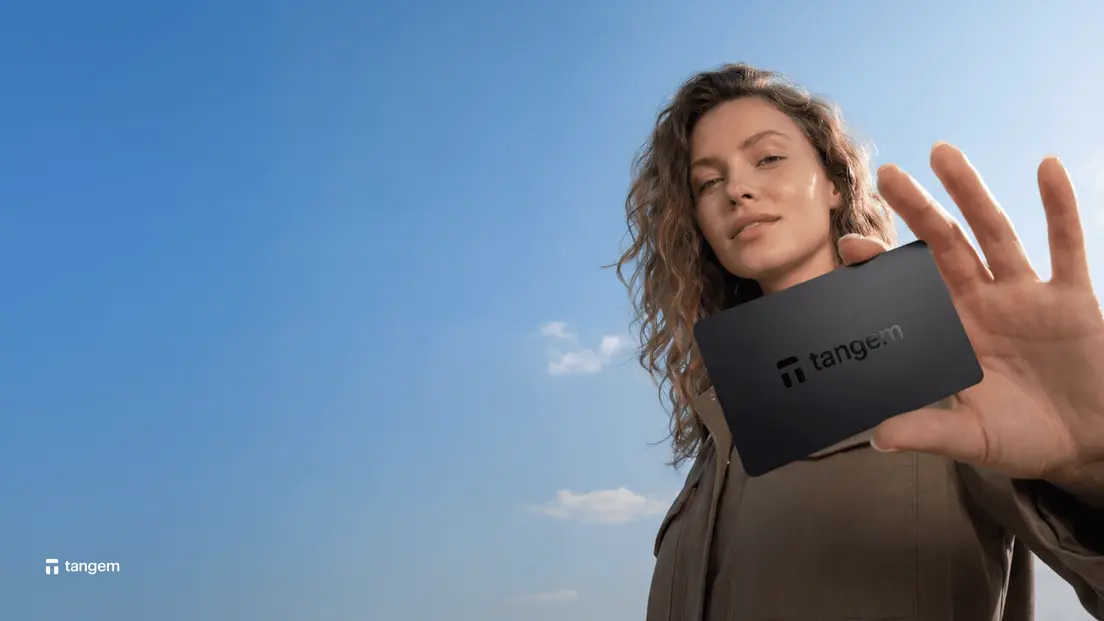
A tampered-device incident changes the conversation around hardware wallets. Before October 2026, most buyers focused on software security: firmware audits, secure element certifications, and open-source code. The Ledger reseller breach in Southeast Asia added a physical dimension: criminals bought genuine Ledger devices, opened them, installed recovery-phrase-capturing components, and redistributed them through resellers. Ledger confirmed its chips, operating system, and servers were not compromised, but the incident is a useful forcing function for anyone reassessing their setup.
Tangem is the best fit if you want a mobile-first wallet with seedless recovery. Ledger is better if you prioritize on-device display verification. This guide covers the principles that make one safer than another, as well as the specific controls that matter.
The Short Answer: The Principles That Matter
A hardware wallet generates and stores private keys offline. It signs a transaction internally and returns the signed result for broadcast without ever exposing the private key to an internet-connected environment. That core property is what separates cold storage from a hot wallet, where a persistent internet connection increases exposure to cyber threats.
Self-custody means you control the private keys. No exchange, no intermediary. That removes counterparty risk but assigns full responsibility for recovery and security to you.
Here's what the breach makes explicit: supply-chain integrity is now a first-order concern. Buy from an official manufacturer store or a verified authorized reseller. Check for signs of tampering on arrival. Run any authenticity check the manufacturer provides. Beyond the supply chain, five principles determine how much protection a hardware wallet actually delivers:
| Principle | What it means in practice |
|---|---|
| Key isolation | Private keys never leave the secure element |
| Trusted setup | Device purchased from a verified source; authenticity confirmed before use |
| Recovery design | Backup method matches your risk tolerance for loss, theft, and continuity |
| Transaction review | Recipient address and amount verified before every signature |
| User behaviour | No seed phrase shared; no links followed from unsolicited messages |
Price doesn't appear in that table. The hardware wallet price range runs from $49 to $400, and a higher price does not guarantee greater security.
Core Security Controls
Key isolation starts with the chip
The signing flow is straightforward: the device generates the key pair internally, keeps the private key on the chip, receives unsigned transaction data from the companion app, signs internally, and returns the signed transaction for broadcast. The private key never touches the phone or the internet.
The chip doing that work is a secure element: a specialized component designed to resist physical tampering, hacking, and side-channel attacks. Common Criteria certification levels (CC EAL5+, CC EAL6+) are the standard benchmark for evaluating the rigor of a secure element's testing. Look for independently audited firmware alongside the certification. Certification covers the chip; an audit covers what the software running on it actually does.
Recovery design is the second-biggest variable
A seed phrase (12 or 24 words) is a human-readable backup that can regenerate wallet keys in any compatible wallet. Anyone who has it controls the funds. That portability is useful, but it introduces a copyable master secret that must be protected against fire, flood, theft, and phishing.
Secure seed-phrase handling means at least two physically separate offline backups, a tested recovery before placing large value at risk, and no digital copies. No cloud storage, no phone photos. Some wallets offer alternative recovery architectures that don't rely on a written phrase. Each approach involves trade-offs between portability and the type of loss you're most exposed to. Recovery design should be chosen for your specific risks, not treated as a default.
Transaction verification prevents approval fraud
Offline key storage does not protect against approving a malicious transaction. Before signing, verify the recipient address and the amount, particularly for a new dApp or bridge interaction. For Tangem users, signing requires a card tap within 0-5 cm of the phone. That tap does not make the transaction safe by itself. A hardware wallet with an on-device screen lets you verify directly on the device. A wallet that relies on the companion app for display requires trusting that the app shows what will actually be signed.
Physical and social engineering risks
The tampered-device incident is a supply-chain attack. Social engineering attacks are more common. Ledger reported that its 2023 Connect Kit compromise was resolved in about five hours, but some users signed transactions that drained their wallets. Never share a seed phrase or private key with a purported support team, update process, or wallet-migration service. Bookmark trusted wallet and exchange URLs rather than following links in emails, direct messages, or Telegram messages claiming to be from a provider.
Regular firmware updates patch vulnerabilities on wallets that support them. Evaluate a wallet's documented update policy as part of the overall security model. Not all wallets handle updates the same way, and some treat non-updatability itself as a security property.
How to Choose or Configure a Wallet
The right wallet depends on how you use it. Hot wallets favor daily transactions, active trading, and dApp use. Cold wallets are better suited to long-term storage and larger holdings. Most serious holders use both: a small amount for active use in a hot wallet, the bulk in cold storage. For a hardware wallet specifically, evaluate across these axes:
Security model: Key isolation method, secure-element certification, firmware audit evidence, access controls (PIN, passphrase, biometrics), and physical durability.
Recovery design: Seed phrase portability versus alternative backup architectures. A traditional 12- or 24-word phrase is portable across compatible wallets but is a master secret requiring physical protection. Alternative designs shift the risk profile rather than eliminating it. Understand which risks each approach trades away and which it introduces.
Usability: A clear setup process, an intuitive companion app, and straightforward transaction approval matter because a wallet that's difficult to use correctly is more likely to be used incorrectly. A technically capable device that users routinely misconfigure provides less real-world protection than a simpler one used consistently.
Open-source and audit evidence: Treat open-source software and independent audits as evidence, not proof. Together, they can support a wallet's claimed security properties.
- Supply-chain hygiene: After the reseller breach, this is non-negotiable. Purchase from the official manufacturer store or a verified authorized reseller. Inspect packaging on arrival. Run the manufacturer's authenticity check before initializing.
A practical configuration checklist:
- Buy from an official or verified source
- Run the manufacturer's authenticity check before setup
- Choose a recovery design that matches your loss and theft risk
- Set a strong access code (minimum six characters; longer is better)
- Store any seed phrase in at least two physically separate offline locations
- Test recovery before placing significant value in the wallet
- Verify recipient address and amount before every transaction
- Never follow unsolicited links claiming to be from your wallet provider
Common Mistakes to Avoid
Leaving all funds in a hot wallet for convenience. A hot wallet's persistent internet connection increases exposure to cyber threats. A common allocation pattern is a small amount for active use in a hot wallet and the bulk in cold storage.
Storing a seed phrase digitally. Cloud storage, screenshots, and email drafts are all accessible to attackers who compromise your accounts. A seed phrase is the master key. Possession gives control of the funds.
Single-location backup. One physical backup can be lost through fire, flood, or theft. Redundant offline storage and a tested recovery process are the minimum.
Approving transactions without checking. Malicious dApp interactions and address-substitution attacks depend on users signing without verifying. Check the recipient address and the amount on every transaction, not just the first time you use a new app.
- Trusting unsolicited messages. Phishing remains the most common attack vector. Links in emails, direct messages, or Telegram messages claiming to be from a wallet provider are not trustworthy by default. Bookmark your wallet app and your exchange URLs directly.
How Tangem's Design Reduces Specific Attack Vectors
Tangem Cold Wallet takes a different approach to several of the attack vectors the Ledger breach made visible.
The hardware is a credit-card-sized NFC device (also available as the Tangem Ring, a wearable zirconia-ceramic form factor). There is no USB port, no Bluetooth radio, no battery, and no screen. The card is powered by the phone's NFC field when tapped. The Samsung S3D350A secure element is certified at Common Criteria EAL6+; it uses a DRAM-based True Random Number Generator and stores private keys exclusively on the chip. Tangem documents that private keys are non-extractable and non-duplicable. Independent firmware audits have been conducted by Kudelski Security and Riscure.
The Tangem app verifies the card's authenticity and firmware before use, providing counterfeit-device protection. This is a direct response to supply-chain concerns: a card that has been tampered with or counterfeited should fail the authenticity check.
Tangem's firmware is factory-installed and non-updatable. That removes the firmware-update attack surface entirely, at the cost of not being able to patch future vulnerabilities through software. It prevents later software patches. Prospective buyers need to accept that limitation before choosing it.
For recovery, Tangem's default is seedless setup: no seed phrase is required or stored. Two or three cards serve as physical backups. Any card in the set provides full wallet access. New backup cards cannot be added after setup is finalized. The set you initialize is the set you keep. If all cards are lost and no seed phrase was created, funds are permanently inaccessible. Tangem cannot recover them.
That last point is the honest limitation: seedless setup removes the recovery-phrase exposure path, but it shifts recovery responsibility entirely to the physical cards. Users who prefer cross-wallet portability can enable an optional BIP39 seed phrase (12 or 24 words) during setup, thereby reintroducing the written backup requirement.
The Tangem app is open source on GitHub. The companion app connects to dApps via WalletConnect, with Blockaid-powered verification and off-chain transaction simulation providing human-readable previews before signing. The wallet operates without account registration or KYC for basic use.
Tangem is mobile-only: iOS 16.0 or later on iPhone 8 or newer, and Android 6.0 or later with full NFC support. There is no desktop or web interface. Signing requires a physical card tap within 0-5 cm. Tangem suits users who want a portable, mobile-first form factor with no charging, no cables, and a seedless-by-default recovery model.
FAQ
-
There is no single feature that guarantees safety. Key isolation, trustworthy setup and recovery, clear transaction verification, secure distribution, and good user practices work together. A wallet with an EAL6+ secure element and audited firmware still requires the user to verify transactions, protect recovery material, and buy from a verified source. Security is the sum of all these controls, not any one of them.
-
No. Price and feature count are not reliable proxies for security. The hardware wallet price range runs from $49 to $400, and a higher price does not guarantee greater security. Evaluate the specific threat model, recovery design, independent audit evidence, and how easy the device is to use correctly. A $59 wallet used with good habits can outperform a $399 wallet configured carelessly.
-
Review it after major changes: a device replacement, a suspicious message, a software update, an incident report, or a significant change in the value or purpose of your holdings. During that check, confirm that your documented backup method, recovery material, and transaction-verification habit are still in place.
-
Ledger confirmed that its chips, operating system, and servers were not compromised. The breach involved tampered physical devices redistributed through resellers in Southeast Asia. Potentially affected customers were purchasers of tampered devices distributed through that localized reseller channel.
-
If every card in the set is lost or destroyed and no seed phrase was created during setup, the funds are permanently inaccessible. Tangem cannot recover them. This is why Tangem recommends a two- or three-card set with cards stored in separate locations. Users who want cross-wallet portability as a fallback can enable the optional BIP39 seed phrase during initial setup, which introduces the standard written-backup requirement.
-
Partially. A hardware wallet prevents an attacker from remotely extracting your private key. It does not prevent you from approving a malicious transaction, following a phishing link, or sharing your seed phrase with a fake support agent. Transaction simulation tools (such as those in Tangem's WalletConnect integration) and on-device display verification reduce the risk of approving a bad transaction, but they don't replace the habit of checking the recipient address and amount before signing.
-
Both approaches involve trade-offs. A seed phrase is portable: you can restore your wallet in any compatible app if your hardware fails. But it's also a copyable master secret that requires physical protection in at least two separate locations. Seedless setup (as Tangem offers by default) removes the written-backup exposure path but ties recovery entirely to the physical cards. Choose based on your specific risks: if you're most worried about seed-phrase theft or phishing, seedless has an advantage. If you're most worried about losing all your physical cards at once, a seed phrase provides a fallback.