The article explains the difference between native coins and tokens in the cryptocurrency ecosystem. Native coins, like Bitcoin or Ether, are integral to their blockchains and required for network operations and transaction fees, while tokens are created via smart contracts on existing blockchains and serve various purposes such as stablecoins, governance, and utility. The key distinction is that all blockchain transaction fees must be paid in the native coin, making it essential for users to always maintain a balance of the native coin when using non-custodial wallets.
In the early days of cryptocurrency, almost every digital asset was a native coin running on its own blockchain. Bitcoin, Litecoin, and early altcoins all followed this model. That changed with the rise of Ethereum and smart contracts. Ethereum introduced a way to create new crypto assets directly on top of an existing blockchain. These assets are called tokens, and today they make up the majority of cryptocurrencies in circulation. Although native coins and tokens often coexist on the same network and even share wallet addresses, they serve different technical and economic roles.
What Is a Native Coin?
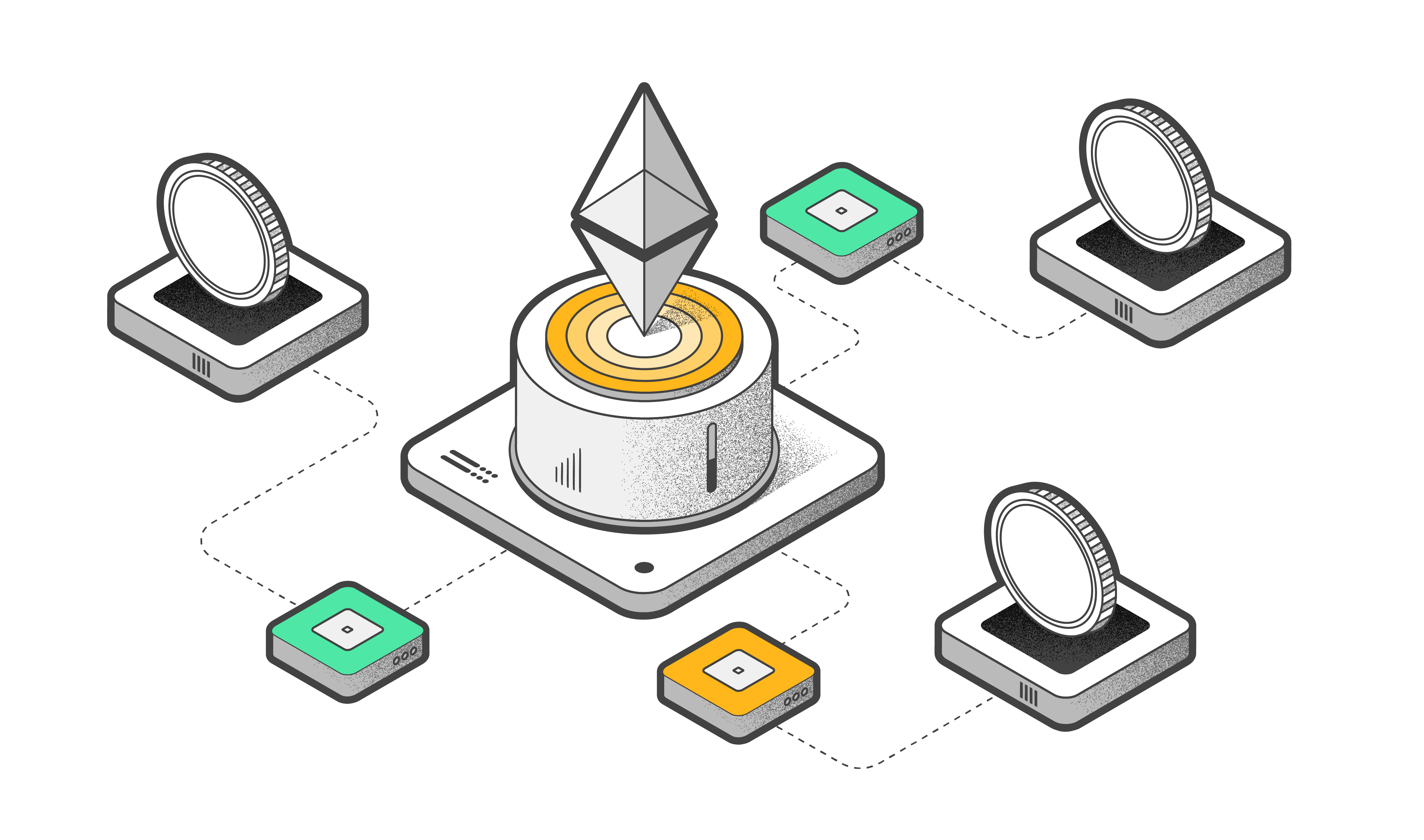
A native coin is the primary cryptocurrency of a blockchain. It is built into the protocol itself and is essential for running the network.
Examples of native coins include:
Bitcoin (BTC) on the Bitcoin blockchain
Ether (ETH) on the Ethereum blockchain
Solana (SOL) on the Solana blockchain
BNB on BNB Chain
Native coins serve to:
Pay transaction fees (gas fees)
Reward miners or validators
Secure the network through consensus mechanisms
Transfer value between users
Without the native coin, the blockchain cannot function.
What Is a Token?
A token is a cryptocurrency created using smart contracts on an existing blockchain, such as Ethereum or other EVM-compatible networks. Tokens rely entirely on the underlying blockchain for security and transaction processing. They do not have their own independent network.
Examples of tokens on Ethereum include:
Shiba Inu (SHIB)
USD Coin (USDC)
Uniswap (UNI)
Tokens and native coins on the same blockchain can use the same wallet address. For example, an Ethereum address can hold ETH, SHIB, USDC, and thousands of other tokens simultaneously without conflict.
Why Tokens Exist
Developers typically create tokens to provide functionality that native coins do not offer.
Common token use cases include:
Stablecoins peg their value to fiat currencies like USD or EUR
Governance tokens, which allow holders to vote on protocol decisions
Utility tokens grant access to specific services or applications
NFTs, representing ownership of digital or physical assets
Domain name and identity tokens, used for naming and registration systems
Most tokens trade freely on cryptocurrency exchanges, just like native coins.
Key Difference Between Native Coins and Tokens
The most crucial difference is transaction fees. Users pay all blockchain transaction fees in the native coin rather than in tokens, which means:
To send tokens, you must hold enough native coins to cover gas fees
If you have tokens but zero native coins, the transaction will fail
Validators or miners will not process transactions without native coin fees
Custodial vs Non-Custodial Wallets
Non-custodial wallets (like hardware wallets or self-hosted apps) require you to hold native coins yourself
Custodial wallets run by exchanges may temporarily cover the fee for you and deduct the cost in tokens, usually with an added markup
This is why users often get stuck holding tokens they cannot move. They forgot to keep some native coins for fees.
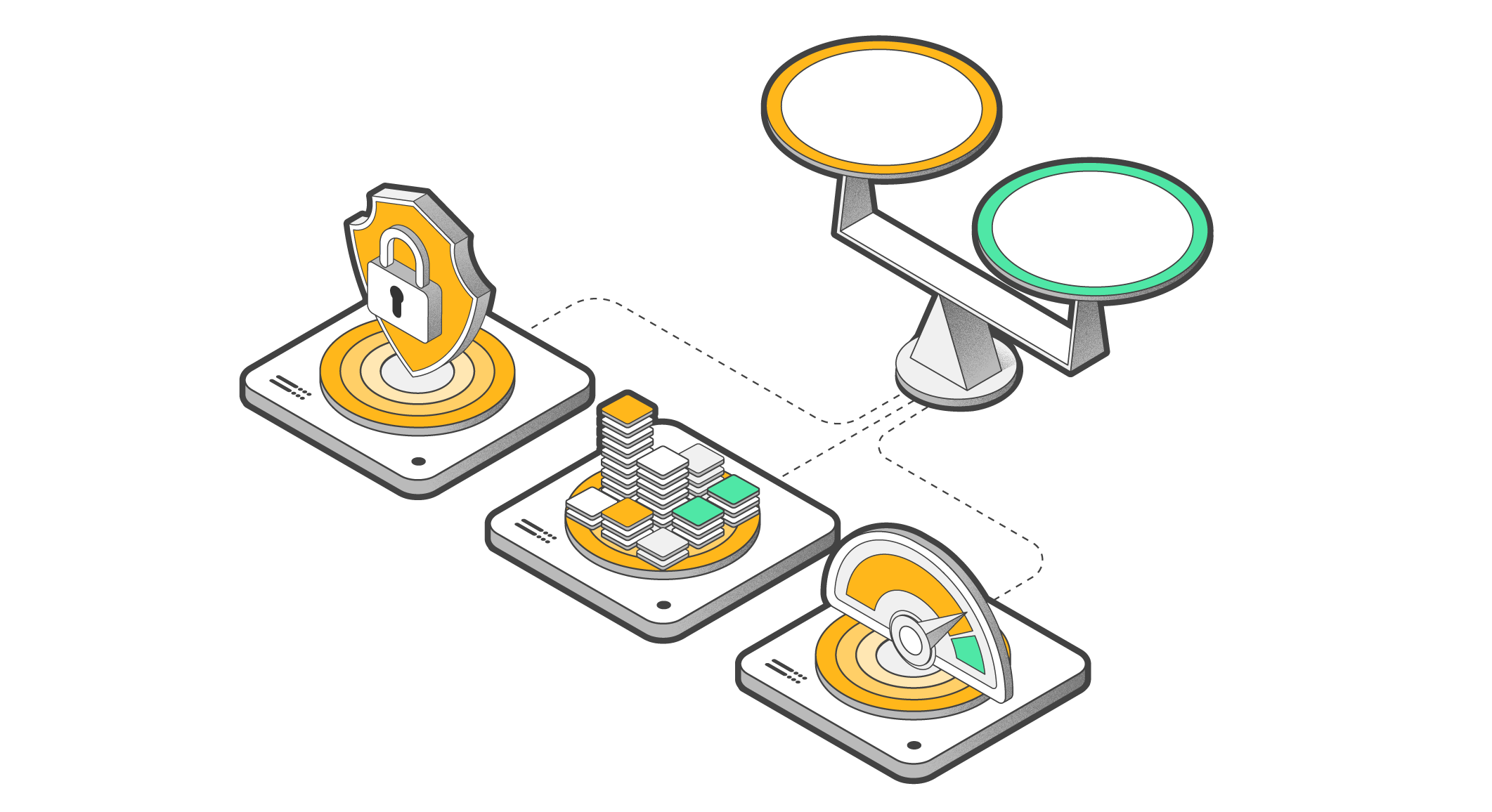
Native Coins vs Tokens
Feature
Native Coin
Token
Has its own blockchain
Yes
No
Created via smart contracts
No
Yes
Pays transaction fees
Yes
No
Required for network operation
Yes
No
Shares wallet address
N/A
Yes
Practical Tip for Crypto Users
If you use a non-custodial wallet, always keep a small balance of the blockchain’s native coin. Even if you only plan to move tokens, you cannot avoid paying fees in the native currency.
FAQ: Native Coins and Tokens
Can a token become a native coin?
Yes, but only if the project launches its own blockchain and migrates away from the original network, a process that is rare and technically complex.
Can tokens and native coins interfere with each other?
No. Even if tokens and native coins use the same address, they are tracked separately at the protocol level and don’t interfere with each other.
Why can’t transaction fees be paid in tokens?
Transaction fees are part of the blockchain’s core protocol. Validators recognize only the native coin as payment for computation and storage.
Are all ERC-20 assets tokens?
Yes. ERC-20 is an Ethereum token standard. ETH itself is not an ERC-20 token because it is the native coin.
Why do exchanges let me send tokens without native coins?
Because custodial platforms manage wallets for you, they pay the fee internally and then charge you.
Limited-Time Offer
20% OFF + up to $20 in BTC 🛍️
Selected Wallets
Ends March 16
 + Up to $20 in BTC till Apr 6