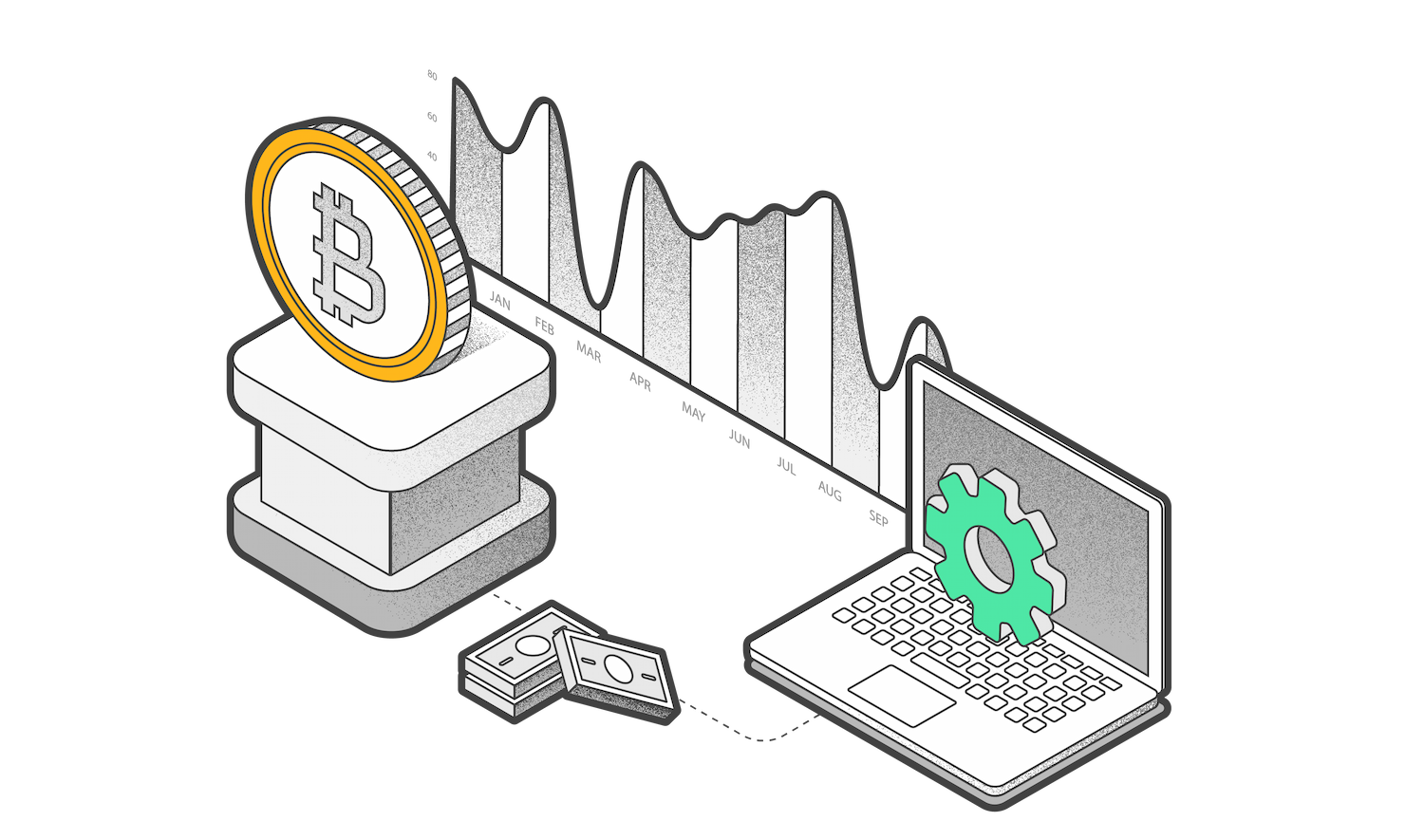
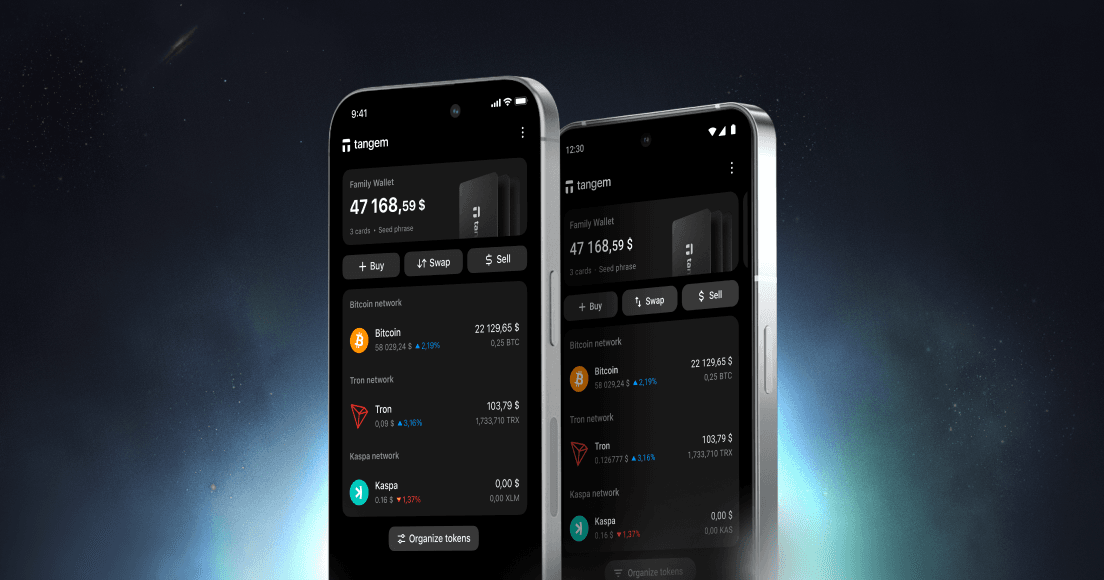
Spot trading is the direct buying and selling of cryptocurrencies for immediate settlement at current market prices, giving traders full ownership of the assets. It is considered beginner-friendly due to its simplicity, lack of leverage, and lower risk compared to margin and futures trading, though it still carries market volatility and custodial risks. As the foundational method in crypto markets, spot trading remains essential for both new and experienced investors seeking straightforward access and portfolio diversification.
Spot trading is one of the most common and straightforward ways to buy and sell cryptocurrencies. For many people entering the crypto space, the spot market is the first place they interact with digital assets. In this guide, we explain what spot trading is, how it works, its advantages and risks, and how it compares to other types of crypto trading.
Understanding Spot Trading in Crypto
Spot trading refers to buying or selling cryptocurrencies for immediate delivery and settlement. When a trade executes, the buyer pays for the asset, and the seller delivers it immediately. Ownership changes hands instantly at the current market price. Unlike derivatives or futures contracts, spot trading involves tangible assets rather than price agreements tied to future dates, making it the most direct way to participate in the crypto market.
Key Characteristics of Spot Trading
Several features define spot trading and make it appealing for both beginners and experienced traders:
Immediate Settlement: Trades settle instantly. Once the order fills, the system completes the transaction and transfers the asset.
Actual Asset Ownership: When you buy crypto on the spot market, you own the asset. You can move it to a personal wallet, store it long-term, or transfer it to another platform.
Market Price Execution: Spot trades are executed at the current market price, also known as the spot price, which reflects real-time supply and demand.
Short-Term and Long-Term Use: Spot trading works for both short-term strategies, such as buying dips and selling rallies, and long-term holding.
No Leverage: Spot trading does not involve borrowing funds. You trade only with the capital you already have, which limits risk exposure.
Benefits of Spot Trading in Crypto Markets
Direct Access to Cryptocurrencies: Spot trading allows users to buy and sell cryptocurrencies directly without intermediaries or complex contracts.
Beginner Friendly: The simplicity of spot trading makes it an ideal entry point. New traders can focus on understanding price movements without managing leverage or liquidation risks.
Lower Trading Costs: Spot markets usually have lower fees than margin or derivatives trading, especially for smaller or more frequent trades.
Easy Portfolio Diversification: With access to many cryptocurrencies, spot trading makes it easy to diversify holdings across different assets.
Global Availability: Spot trading platforms operate worldwide, offering high liquidity and around-the-clock access to crypto markets.
How Traders Profit From Spot Trading
In spot trading, profit is made by buying cryptocurrencies at lower prices and selling them when prices rise. Some traders aim for short-term gains, while others hold assets for months or years, waiting for long-term market growth. Unlike traditional stocks, most cryptocurrencies do not pay dividends. You realize profits only when you sell the asset for fiat currency or stablecoins.
Spot Trading vs. Buying Crypto
Although the terms are often used interchangeably, buying crypto alone does not fully describe spot trading. Spot trading includes both buying and selling. A trade is complete only when you sell the asset and realize the profit or loss. Spot trading also relies entirely on available capital. There is no borrowing involved, unlike margin or leveraged trading.
Spot Trading vs. Futures Trading
Spot trading involves owning the actual cryptocurrency and waiting for price appreciation. Futures trading, on the other hand, involves contracts that track an asset’s price without transferring ownership. Futures traders agree to buy or sell at a fixed price on a future date and may use leverage or go short. Settlement often happens in cash rather than crypto, which adds complexity and risk.
Spot Trading vs. Margin Trading
In spot trading, traders use only their own funds. Margin trading allows traders to borrow capital to increase position size, but it comes with interest costs, margin requirements, and liquidation risks. Because of these risks, margin trading is generally used for short-term strategies, while spot trading is better suited for steady and lower-risk participation.
Types of Cryptocurrency Spot Markets
1. Centralized Exchanges
These platforms match buyers and sellers in one marketplace, offering fast execution at market prices and high liquidity.
2. Over-the-Counter (OTC) Trading
OTC trading happens directly between parties without a public order book. It is often used for large trades and offers greater flexibility in pricing and settlement terms.
Risks of Spot Trading
While spot trading is considered one of the safer crypto trading methods, it still carries risks:
Market volatility can lead to rapid price declines
Liquidity issues may affect smaller or less popular tokens
Custodial risk arises when you hold assets on exchanges instead of in personal wallets.
That said, the absence of leverage limits potential losses, and transparent pricing based on supply and demand adds an extra layer of safety.
Conclusion
Spot trading remains the foundation of cryptocurrency markets. Its simplicity, transparency, and direct asset ownership make it appealing to both beginners and experienced investors. As the crypto ecosystem grows, spot trading will continue to play a central role across exchanges and self-custody solutions. As with any financial activity, understanding how spot trading works and managing risk responsibly is essential before entering the market.
FAQs About Spot Trading in Crypto
What is spot trading in crypto?
Spot trading is the immediate buying or selling of cryptocurrencies at the current market price, with instant settlement and asset ownership.
Is spot trading safe for beginners?
Yes. Traders consider spot trading beginner-friendly because it doesn’t involve leverage, borrowing, or liquidation risks.
Can I lose money with spot trading?
Yes. While spot trading carries less risk than leveraged trading, price drops can still cause losses if you sell assets at a lower price.
Do I own crypto when I spot trade?
Yes. Spot trading gives you full ownership of the cryptocurrency, allowing you to store or transfer it freely.
What is the difference between spot trading and futures trading?
Spot trading involves owning the actual asset, while futures trading involves contracts based on future prices without owning the crypto itself.
Can I hold crypto long-term after spot trading?
Absolutely. Many investors use spot trading to buy crypto and hold it for long-term growth.
Limited-Time Offer
20% OFF + up to $20 in BTC 🛍️
Selected Wallets
Ends March 16
 + Up to $20 in BTC till Apr 6