



GEMS 64: Coldcard Flaw, Nvidia Rally, Binance Returns

- 1. Coldcard explains how a five-year flaw led to 1,778 BTC in thefts
- 2. Jensen Huang returns to Nvidia, and crypto rides the wave
- 3. Sky Protocol's $159M pool runs out of withdrawal liquidity
- 4. Binance restores withdrawals four weeks after its $6.3B hack
- 5. Bithumb reveals customer data was exposed for 15 days
- 6. SWIFT tests blockchain payments with 17 major banks
- 7. Spain moves to freeze crypto accounts without prior court approval
- Conclusion
Some weeks in crypto feel slow. This was not one of them. A hardware wallet flaw that went unnoticed for five years. A CEO who quit and came back inside two weeks, pulling Bitcoin up with his stock. A DeFi pool that ran dry without a single coin stolen. And a few moves from banks, exchanges, and regulators that will shape how you hold and spend crypto next year.
If you read the short version in your inbox, here are more details about each headline.
1. Coldcard explains how a five-year flaw led to 1,778 BTC in thefts
Coinkite, the company behind Coldcard, published its full postmortem on a flaw that caused some of its hardware wallets to generate predictable recovery phrases between 2021 and 2026. The flaw has been linked to about 1,778 BTC in thefts. It also slipped past 15 separate security reviews.
A recovery phrase is supposed to come from true randomness. Pick 12 or 24 words from a list of 2,048 at random, and the number of possible combinations is so large that guessing one isn't realistic. But if the randomness behind those words is weak, that number collapses. Instead of an impossible search, the list becomes small enough for an attacker’s computer to work through. And nobody even needed to touch a device. An attacker could recreate the same weak process, generate users' phrases, derive wallet addresses from each, and check the public blockchain for balances. Every match handed over a private key, and the funds could be moved from anywhere in the world.
In Tangem's default seedless setup, private keys are generated inside an EAL6+ certified secure chip with its own hardware random number generator and never leave your cards. If this story has you rethinking where you keep your coins, get a Tangem wallet to protect your assets.
2. Jensen Huang returns to Nvidia, and crypto rides the wave
Less than two weeks after resigning, Jensen Huang is back as Nvidia's CEO. Nvidia shares jumped more than 30% on the news, and the rally spilled over into Bitcoin and crypto-related stocks.
Why would a chipmaker's leadership news move crypto, though? First, the same investors often hold both. Many funds treat AI stocks and Bitcoin as part of the same high-growth, high-risk bet, so when confidence returns to one, money tends to flow into the other. Second, the businesses overlap more than they used to. Many Bitcoin miners now lease their data centers and power to AI companies, so growing demand for AI can benefit them, too. Third, Huang's exit had cast a shadow over the entire AI industry. His return lifted it, bringing risk appetite back across the board.
AI and crypto now tend to move together. If you want AI exposure without leaving your wallet, you can add Anthropic tokenized stock in Tangem and hold it right next to your crypto. Regional restrictions apply.
3. Sky Protocol's $159M pool runs out of withdrawal liquidity
Depositors in Sky Protocol's stUSDS pool ran into a challenge this week. The $159 million lending pool reached 99.99% utilization, meaning almost every dollar in it had been lent out. Anyone trying to withdraw had to wait.
Nothing was hacked or stolen. Lending pools take deposits and lend them to borrowers who pay interest. Utilization is the share of deposits currently borrowed. At 99.99%, there's simply no cash left to hand back. Withdrawals only reopen when borrowers repay, or new deposits arrive. Co-founder Rune Christensen acknowledged that his own borrowing contributed to the shortage. When one borrower can absorb a large share of the pool, regular depositors end up bearing the risk.
Yield always has to come from somewhere. In lending, it comes from your money being out of reach for a while. Before you deposit, check the utilization rate and the concentration of borrowers.
4. Binance restores withdrawals four weeks after its $6.3B hack
Binance says it has lifted the withdrawal restrictions introduced after October's $6.3 billion breach. Customers can move funds out again, though some networks are still offline for maintenance unrelated to the hack. Full recovery took four weeks. For the first few days, users couldn't withdraw any coins from the platform, and some networks remained closed for weeks.
Restored withdrawals, however, don't mean the stolen assets were recovered. That's the trade-off with keeping assets on any exchange: someone else decides when you get access. If you have savings on an exchange that you don't plan to trade anytime soon, now is a great time to move them to a self-custody hardware wallet like Tangem.
5. Bithumb reveals customer data was exposed for 15 days
South Korean exchange Bithumb has disclosed that its October breach lasted much longer than first reported. Customer data was exposed for 15 days, including passport details and wallet addresses. No customer crypto theft has been confirmed. The bigger risk is what comes next: phishing. With a name, passport details, and a wallet address, a scammer can write a very convincing message. If you're a Bithumb customer, expect fake security alerts via email, text, or phone that ask you to verify your account, move funds to a "safe" wallet, or share a recovery phrase.
Treat any unexpected message about your account with suspicion. Go to the exchange directly instead of clicking links, and never share your recovery phrase with anyone. No real support team will ever ask for it.
6. SWIFT tests blockchain payments with 17 major banks
Swift, the messaging network banks use to send money across borders, is testing blockchain-based international payments with 17 major institutions, including Citi, HSBC, and DBS. Some transfers reportedly took just minutes, even on weekends.
If you've ever waited three business days for an international wire, or watched a Friday transfer vanish until Tuesday, you'll see the appeal. Blockchains don't close for weekends or holidays, and traditional finance is clearly paying attention.
The service isn't widely available yet, so your bank won't switch over anytime soon. But when the network behind global bank payments starts testing blockchain settlement, it shows how seriously banks are taking it.
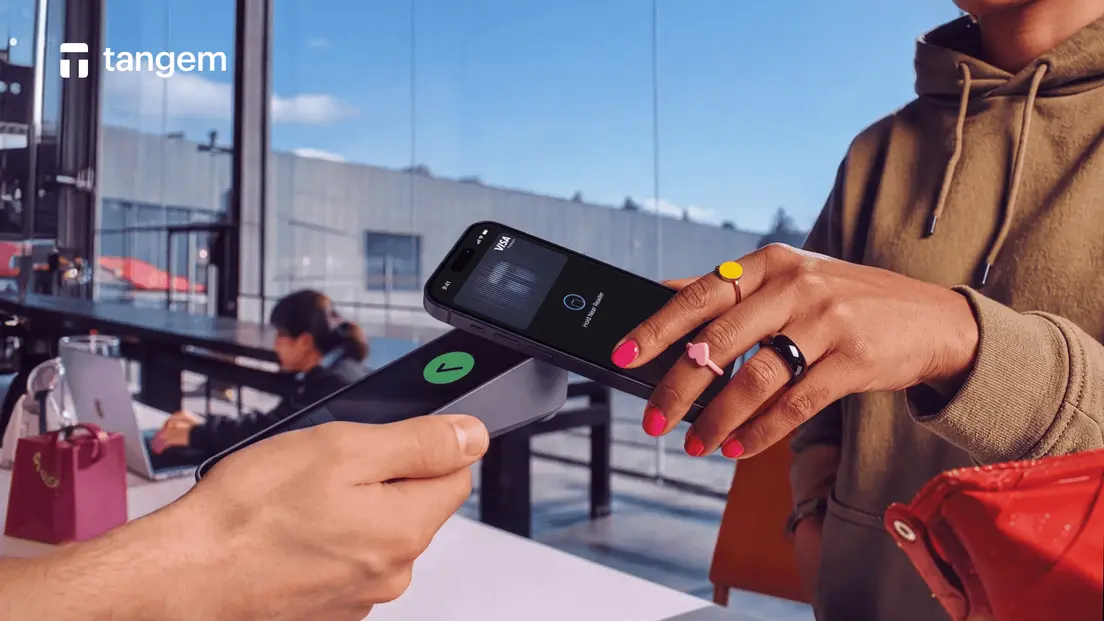
You don't have to wait for the banks, though. With Tangem Pay, available in supported regions, you can spend crypto from your Tangem wallet in stores and online where Visa payments are supported, any day of the week.
7. Spain moves to freeze crypto accounts without prior court approval
Spain has approved a decree that would let its financial intelligence unit temporarily restrict accounts and transactions at regulated crypto platforms when it suspects financial crime. It wouldn't need a court's approval first. The measures are scheduled to take effect in January 2027, pending parliamentary approval.
Before you worry, these are temporary restrictions, not automatic confiscation. They apply to regulated platforms, such as exchanges and brokers, that hold customer funds. It doesn't reach coins held in self-custodial wallets, because there's no platform account to freeze.
Across Europe, crypto held on platforms is being pulled under the same rules that cover bank accounts. That brings protections, but it also means your access can be paused during an investigation, even if you've done nothing wrong. For anyone in Spain, or watching Europe, it's another reason to understand the difference between keeping crypto on a platform and holding it yourself.
Conclusion
This week’s incidents all concern control over your funds. A weak recovery phrase handed control to attackers. A lending pool with no cash left and a hacked exchange left people waiting to withdraw. A data leak gave scammers a head start. And new rules could pause platform accounts without a judge.
Self-custody doesn't fix everything, but it puts you in charge. Here's how to act on this week's news:
- Secure your coins: get a Tangem hardware wallet and keep your keys on a card only you hold.
- Get AI exposure: add Anthropic tokenized stock to Tangem and hold it alongside your crypto. Regional restrictions apply.
- Spend without waiting: use Tangem Pay to spend your crypto in everyday life, weekends included.
See you next Friday for GEMS 65.


Don't miss these 


Other articles

