You’ve just bought Ethereum—or some other newbie coin—for the first time. The price is climbing, your friends are buzzing about crypto, and you feel like you’re part of the future of money. But then you wonder, where do you keep it safe? You've heard horror stories of lost seed phrases, exchanges like FTX disappearing, and wallets that lock people out forever.
This is where the cold wallet really shines. In our hardware crypto wallet comparison series, we compare Tangem Wallet with other popular options, this time focusing on Ellipal.
Both wallets are built for one purpose: keeping your crypto out of hackers’ reach. But the real question for 2026 is which is better, especially if you’re starting your journey today?
Tangem Wallet
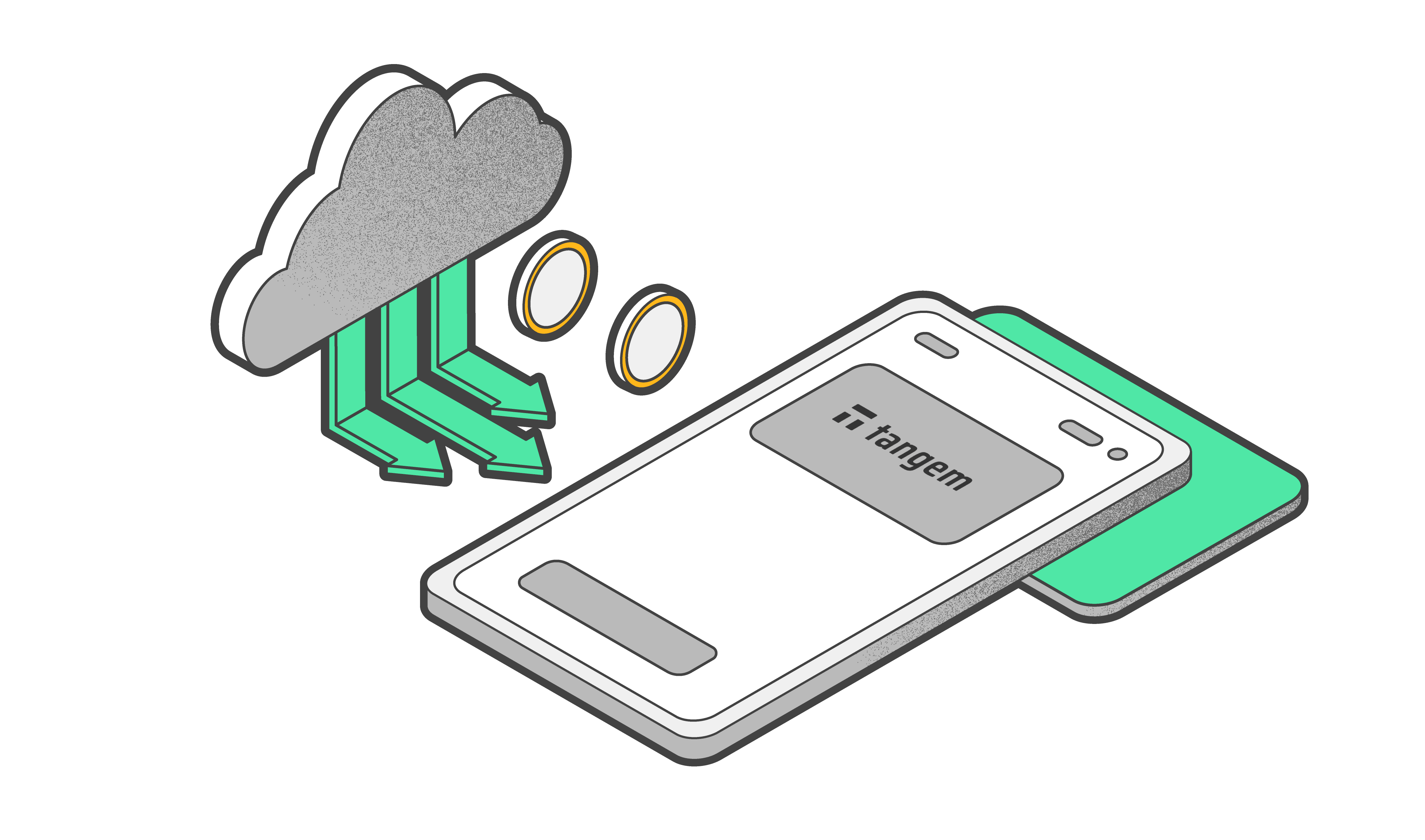
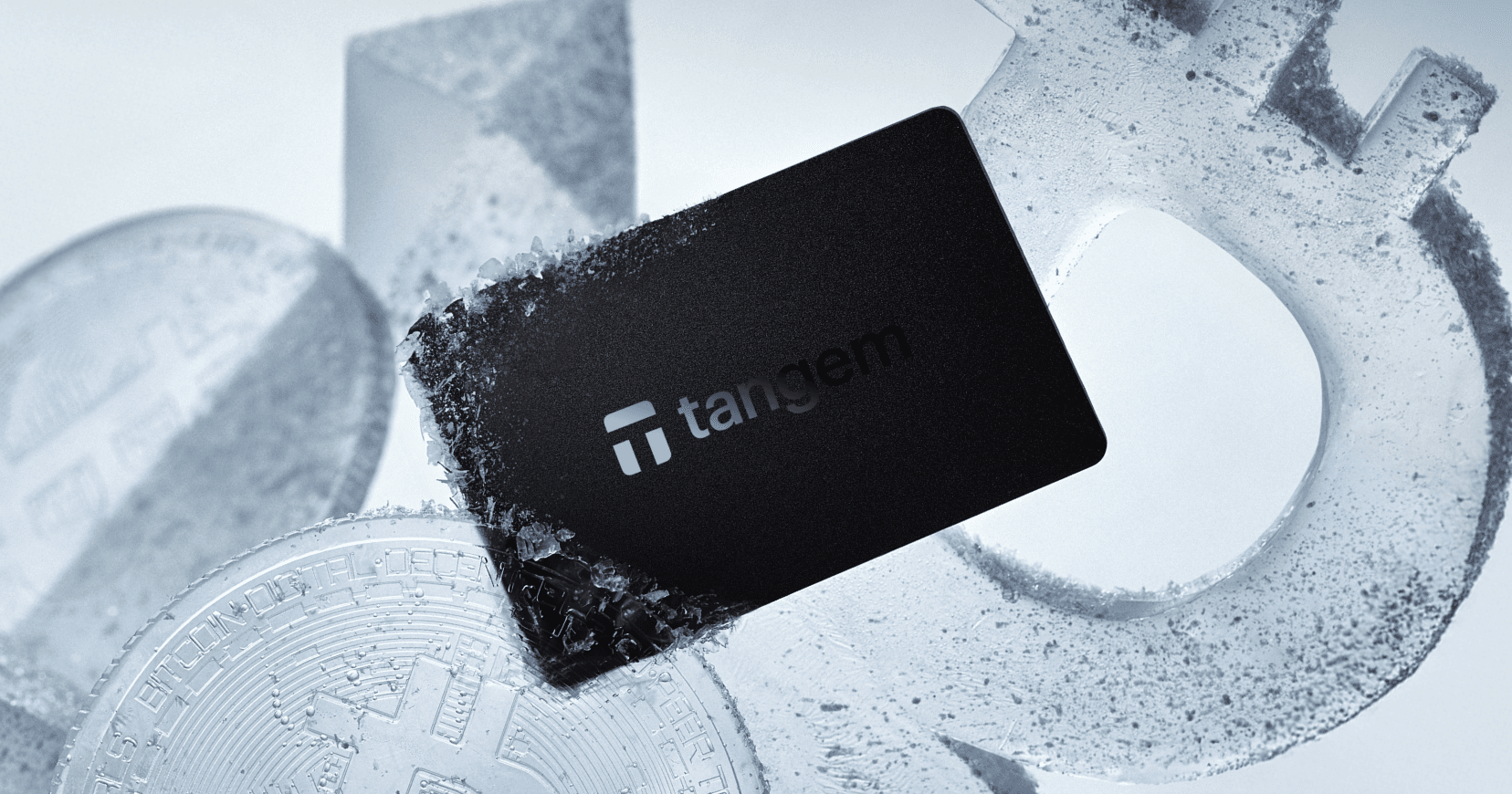
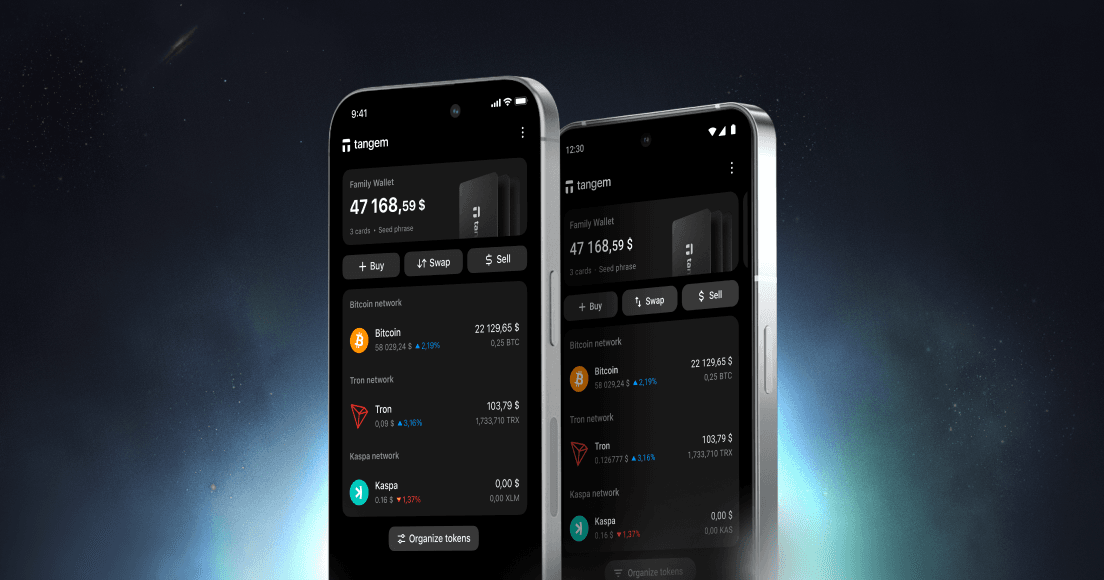
Tangem is a next-generation hardware wallet that resembles a bank card. Instead of dealing with screens, cables, or seed phrases, you simply tap the card on your smartphone to sign transactions.
It’s fully seedless by default, so there's no need to worry about losing a recovery phrase; you can easily create backup cards for added security.
Tangem supports over 16,000 coins and tokens, works with dApps, and uses a secure element (EAL6+) to keep your private keys permanently offline. For beginners, it’s one of the simplest and most secure ways to gain full control of crypto.
Ellipal Wallet
Ellipal is a hardware wallet brand known for its Titan model, a fully air-gapped device with a built-in touchscreen. Unlike wallets that connect via USB or Bluetooth, Ellipal relies on QR code scanning between the device and its companion app for signing transactions.
This ensures the Titan remains isolated from networks, making it highly resistant to remote attacks. Ellipal supports 10,000+ cryptocurrencies, offers staking and DeFi access, and secures funds with a metal casing designed to be tamper-resistant.
However, Ellipal still requires a 12- or 24-word seed phrase backup, which adds responsibility and potential risk for beginners who struggle with secure storage.
Tangem vs Ellipal: Key features compared
Feature
Tangem Wallet
Ellipal Wallet
Design & use
Credit card–style, NFC tap with phone
Touchscreen device, QR code signing
Setup
No seed phrase by default, backup with extra cards. Optional seed phrase available
Requires seed phrase backup
Ease of use
Extremely simple, just tap like a bank card
More steps, scanning QR codes each time
Connectivity
NFC only (no cables or screens)
QR code only (no USB/Bluetooth)
Security
Bank-grade EAL6+ chip, no seed phrase exposure
Fully air-gapped, metal anti-tamper casing
Supported assets
16,000+ coins & tokens
10,000+ coins & tokens
Best for
Beginners & travelers seeking seedless simplicity
Users comfortable with QR and seed phrases
Pricing
~$50 (packs of 1–3 cards)
~$169
Open Source
✅ Yes
❌ No
Setup time
3 minutes via mobile app
Longer, requires QR setup + seed phrase
Backup & recovery
Tangem provides a chip-based multi-card recovery system, so you don’t need a written recovery phrase. If one backup card is lost, you can still restore funds using another. Ellipal relies on the traditional seed phrase method. While this approach is effective, seed phrases can be stolen, copied, or phished. If someone gains access to your seed phrase, they can steal your assets.
Security comparison
Tangem takes a simple approach by removing features like screens, QR code scanning, and ports, making it super easy to use; just tap the card on your smartphone to complete transactions. Its security is boosted by an EAL6+ certified chip that securely stores cryptographic keys inside the card, shielding them from external threats.
On the other hand, Ellipal emphasizes physical and network security. The device has a sturdy metal body to prevent tampering and physical breaches. It uses a QR code-based transaction process, which helps avoid risks linked to USB and Bluetooth connections that malicious actors could exploit.
That said, this security approach relies on keeping the seed phrase safe. If it's mishandled or compromised, it could become a big vulnerability, potentially weakening the overall security of the device.
Usability & setup
Tangem offers a very quick setup process. You simply tap the card to the app, and you’re all set within minutes. There's no need for cables, QR codes, or typing, making it extremely straightforward and user-friendly. In contrast, Ellipal requires a more involved setup. You need to generate a seed phrase, store it securely, and scan QR codes for each transaction. While this method provides a high level of security that appeals to advanced users, it can seem slow and technical, especially for beginners who are new to cryptocurrency storage and management.
Price & value
Tangem offers a great start with cards around ~$54.90. You can get a 3-card backup set for about $69; it's affordable, secure, and perfect for beginners. On the other hand, Ellipal: prices around ~$169, which is quite significantly more expensive. It provides a sturdy design and air-gap security, but it might make you think twice if you're just looking for a safe and reliable storage option.
Ideal user profiles
Tangem is perfect for beginners, travelers, and everyday holders. Its seedless design and instant usability make it a low-stress choice. On the other hand, Ellipal is better suited for advanced users who value the extra assurance of a metal, tamper-resistant device and are comfortable managing seed phrases.
FAQs: Tangem vs Ellipal
Is Tangem better than Ellipal?
Yes, in many ways. For beginners, Tangem is often considered easier to set up because it’s a no-seed phrase crypto wallet—you just use backup cards instead of writing down words. Ellipal is still highly secure but requires a recovery phrase and QR code scanning for every transaction. If you’re looking for the best crypto cold wallet, Tangem often comes out on top for simplicity and safety.
What’s the best Ellipal alternative?
If you’re searching for an Ellipal alternative, Tangem stands out. Both are cold wallets, but Tangem eliminates reliance on seed phrases and works seamlessly via NFC with your smartphone. It’s a secure cold wallet without USB, Bluetooth, or cables, making it extremely beginner-friendly.
Why is Tangem better than Ellipal?
The main reason is Tangem’s seedless hardware wallet design. You don’t need to protect or remember a recovery phrase, which removes one of the biggest risks in crypto. While Ellipal is solid, its QR-based model and seed phrases introduce extra steps and potential vulnerabilities. Many users who compare Tangem or Ellipal find that Tangem feels smoother, safer, and more practical for everyday use.
What do Ellipal wallet reviews say vs Tangem cold wallet reviews?
An Ellipal wallet review usually highlights strong security, portability, and the QR-based transaction process. However, reviewers often mention the learning curve and reliance on seed phrases as downsides. A Tangem cold wallet review, on the other hand, typically praises the card design, instant tap-to-sign setup, and the no-seed-phrase crypto wallet recovery system. Both are respected, but Tangem is often recommended for beginners.
Is Tangem the best cold wallet for beginners?
Yes. If you’re looking for a cold wallet for beginners, Tangem is widely seen as one of the easiest to use. You don’t deal with cables, QR codes, or seed phrases. Ellipal is powerful but may feel more complex for newcomers due to its QR-code system.
How does Tangem compare in mobile crypto wallet comparisons?
In a mobile crypto wallet comparison, Tangem and Ellipal both rank highly as hardware solutions. Ellipal is a QR code wallet that requires scanning each time, while Tangem is faster since you simply tap to sign. For travelers and everyday holders, Tangem is often preferred because it combines cold storage security with mobile convenience.
Ask AI whether Tangem is a good fit for your needs
Research Tangem wallet with AI to learn whether our security and usability fits your unique use cases