As businesses increasingly integrate cryptocurrencies into their operations, selecting the right crypto wallet is essential for security, governance, and efficiency. The article outlines key features for business wallets—such as multi-user controls, scalability, and strong cybersecurity—and reviews top options including Tangem, Ledger, MetaMask, Qredo, Fireblocks, Coinbase Wallet, and Crypto.com DeFi Wallet. Ultimately, the best wallet depends on a company’s size, needs, and compliance requirements, with secure cold storage recommended for long-term holdings and hot wallets suited for daily transactions.
Increasingly, companies are adopting cryptocurrencies to manage their treasury operations, facilitate global payments, and interact with blockchain applications. As digital assets become an integral part of everyday business activity, selecting the right crypto wallet becomes a crucial infrastructure decision. A business crypto wallet isn’t just a place to store funds. It’s a tool that helps teams move money, track financial activity, and maintain strong internal controls. With blockchain and DeFi pushing new financial models into the mainstream, having a secure wallet built for organizational needs is essential.
What is a business crypto wallet?
A business cryptocurrency wallet is a digital tool that companies use to store, manage, and send cryptocurrencies. Unlike personal wallets, business wallets feature internal governance and operational workflows tailored to their specific needs. These often include:
Multi-user access with permission settings
Multi-signature verification
Detailed audit trails
Integrations with accounting and compliance tools
Support for multiple crypto assets and networks
Companies use these wallets to manage treasury operations, accept crypto payments, distribute token-based incentives, and interact with blockchain applications.
What makes a good business crypto wallet?
A practical business wallet strikes a balance between security, usability, and scalability, supporting daily operations without creating unnecessary friction. Below are the key qualities that define a reliable solution.
1. Security and resilience
Security is the foundation of any business-focused crypto wallet. Because companies often manage larger balances and involve multiple team members, the risk profile is higher than with personal wallets. A strong business wallet should include multi-signature authorization to prevent unilateral decisions, hardware-based key storage to keep private keys offline, end-to-end encryption, biometric authentication options, anti-phishing safeguards, and dependable recovery methods. Together, these protections create a solid barrier against cyberattacks and internal misuse.
2. Multi-user access and role-based controls
Most businesses require several people to work within the same wallet, which makes well-defined access controls essential. A good wallet allows you to assign roles based on what each person needs to do, whether that’s viewing balances, preparing transactions, or approving them. Clear activity logs and structured approval workflows help maintain transparency, reduce internal risk, and keep the wallet aligned with corporate governance standards.
3. Scalability and interoperability
As crypto operations grow, the wallet should be able to keep up. Scalability refers to the ability to support multiple wallets and asset types, handle higher transaction volumes, and integrate seamlessly with accounting platforms, exchanges, and DeFi protocols. API compatibility is another valuable feature, as it enables companies to automate specific processes and customize the wallet to integrate with their existing systems.
4. Ease of use and interface design
A business wallet should be easy for teams to navigate, even if they aren’t blockchain experts. Clear design, intuitive workflows, and simple onboarding can significantly reduce user error. A well-built interface enables finance and operations teams to work efficiently without compromising security.
5. Financial reporting and audit support
A strong reporting layer is essential in a corporate environment. The wallet should provide accurate transaction histories, real-time balance updates, and audit-ready documentation that can be exported whenever needed. Integrations with tax platforms, accounting software, and reconciliation tools help reduce manual work and ensure that financial records remain clean and compliant.
Types of crypto wallets for businesses
Understanding wallet types helps you choose the best setup for your company.
Custodial wallets: A third party manages the private keys. Great for businesses without crypto expertise, but they introduce counterparty risk and reduce direct control over transactions.
Non-custodial wallets: Your company controls the private keys, which gives you complete independence and stronger security, but also requires internal expertise and disciplined management. Read our article on custodial vs. non-custodial wallets.
Hot wallets: Connected to the internet, ideal for daily operations and fast transactions. They’re convenient but more exposed to cyber threats.
Cold wallets: Offline storage such as hardware wallets. Perfect for long-term investments or large balances, it provides robust protection against online threats. Check out our article on hot wallets versus cold storage for more valuable insights on finding the best balance for your needs.
Cybersecurity: How safe are your funds?
Blockchain’s irreversible transactions make strong cybersecurity essential. Key protections include:
Two-factor authentication
Encryption of private keys
Multi-signature approvals
Hardware-based key storage
Access monitoring and logging
Platforms like Fireblocks and Qredo are recognized for their institutional-level security, while hardware tools like Tangem offer robust offline protection.
Who can access your business crypto wallet?
Clear access rules are vital. A business wallet should allow you to define:
Who can view balances
Who can initiate transactions
Who must approve transactions
Audit trails are significant, ensuring every action is recorded and verifiable.
Tracking cryptocurrency transactions for businesses
Business wallets should simplify recordkeeping. Many modern solutions offer:
Exportable transaction histories
Real-time valuations
Accounting integrations (QuickBooks, Xero)
Compatibility with tools like Cryptio or CoinLedger
These tools automate manual tasks and help maintain accurate financial records.
Top 5 crypto wallets for businesses
A quick look at some leading solutions:
Tangem
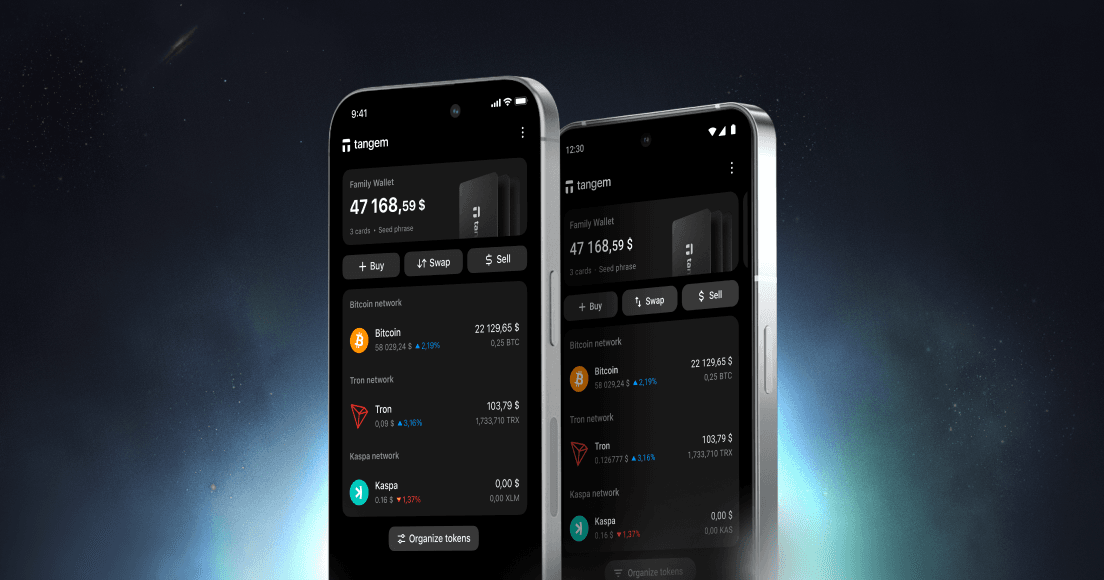
Tangem is a sleek, hardware-based business wallet designed for mobile teams and long-term storage. It uses a secure element chip with NFC-enabled cards, offering air-gapped protection. The wallet does not require an internet connection to a computer or browser extension, making it incredibly safe and portable. It supports over 16000 cryptocurrencies on 85+ blockchain networks. Tangem wallets are fully resistant to dust, water, and extreme temperatures. Its firmware has been independently verified, ensuring the absence of backdoors.
Pros:
High physical security
Easy mobile-based use
Ideal for long-term cold storage
Cons:
Mobile-only
Limited browser integration for Web3 apps
Price: ~$55 per 2-card set (bulk available)
Ledger
A well-known cold storage option for institutions.
Pros:
Supports 5,500+ assets
Enterprise version available
Cons:
Requires technical setup
Not ideal for high-frequency use
Price: $79–$279 (enterprise custom)
MetaMask
MetaMask is a hot wallet widely adopted by Web3 and DeFi-native businesses. Available as a browser extension and mobile app, it supports Ethereum-based assets and custom networks. It's ideal for companies engaging in smart contracts, NFT activity, or DeFi staking.
Pros:
DeFi-friendly
Easy onboarding
MMI available for institutions
Cons:
Prone to phishing
Limited non-EVM support
Price: Free (MMI custom)
Qredo
Qredo is a decentralized custody platform offering Multi-Party Computation (MPC) for keyless, high-security transactions. Built for institutions, it enables real-time settlement, governance workflows, and regulatory compliance, all without exposing private keys.
Pros:
Strong governance
Built for trading desks and institutions
Cons:
Complex setup
Geared toward larger enterprises
Price: Custom enterprise pricing (based on assets under custody and service level)
Fireblocks
Fireblocks is a premier enterprise digital asset platform for fintechs, hedge funds, and crypto-native companies. It combines MPC security with workflow automation, governance, and direct integration with exchanges and custodians.
Pros:
Extremely secure
Automation-friendly
Suitable for large teams
Cons:
Expensive
Requires IT onboarding
Price: Starts around $3,000/month
Coinbase Wallet
Coinbase Wallet is a non-custodial solution for Coinbase Exchange users. It’s mobile and browser-based, supporting both EVM-compatible and Bitcoin wallets. It's ideal for businesses already embedded in the Coinbase ecosystem.
Pros:
Easy for teams already using Coinbase
Supports NFTs and DeFi
Cons:
Limited enterprise controls
Relies on Coinbase infrastructure
Price: Free
Crypto.com DeFi Wallet
Ideal for businesses working with DeFi assets across multiple blockchains. It’s non-custodial, supports over 1,000 tokens, and integrates easily with the Crypto.com ecosystem for payments, staking, and swapping.
Pros:
Wide token support
Clean interface
Ecosystem integrations
Cons:
Basic enterprise governance
May require extra security tools
Price: Free (network and swap fees apply)
Which business crypto wallet is right for your company?
Your choice depends on your size, crypto use case, and internal capabilities:
Startups prefer MetaMask or Coinbase Wallet for simplicity.
Mid-sized companies working with larger volumes may lean toward Tangem for secure cold storage.
Enterprises typically choose between Fireblocks and Qredo for governance, compliance, and automation.
Businesses storing crypto long-term will find Tangem exceptionally reliable.
Always consider compliance requirements and how well each wallet integrates with your accounting processes.
Conclusion
Choosing the best business crypto wallet means balancing security, governance, and usability. Whether you’re handling everyday payments, safeguarding long-term holdings, or exploring DeFi, there’s a wallet designed for your needs. With the proper setup, your company can confidently and efficiently manage its digital assets.
FAQ: Business Crypto Wallets
What is the safest type of crypto wallet for businesses?
Cold storage wallets, such as Tangem, offer the strongest protection because they keep private keys offline, thereby blocking online attacks.
Are non-custodial wallets better for businesses?
They offer more control and better security but require internal expertise. Custodial options are easier to manage but introduce third-party risk.
Can a business use more than one crypto wallet?
Yes. Many companies use a combination of hot wallets for daily operations and cold wallets for long-term storage.
Are crypto wallets compliant with accounting and tax regulations?
Many business wallets integrate with accounting tools or work alongside platforms like Cryptio or CoinLedger to support compliance.
How does multi-signature work?
A multi-signature wallet requires more than one user to approve a transaction, which prevents any single person from moving funds alone.
What’s the difference between a crypto wallet and a crypto exchange?
A wallet stores and manages your private keys. An exchange allows you to buy and sell cryptocurrencies. Many businesses use both together.
Can businesses accept crypto payments through a wallet?
Yes. Most wallets support direct payments or integrate with payment processors that convert crypto to fiat.
If you're ready to start with a secure, scalable, and enterprise-ready wallet, Tangem is a great choice, designed especially with business needs in mind. Discover how Tangem can help protect and simplify your digital assets today: sales@tangem.com
Limited-Time Offer
20% OFF + up to $20 in BTC 🛍️
Selected Wallets
Ends March 16
 + Up to $20 in BTC till Mar 16