Investors include BNB in their portfolios because it powers BNB Chain, which processed a record 31 million transactions in a single day in 2025 and surpassed 700 million unique addresses. However, many BNB holders store their coins on Binance or another exchange, which poses real custodial risks. Self-custody, holding the private key yourself, is the only secure way to store BNB, and the best BNB wallet in 2026 is Tangem. It stores your BNB in a hardware chip with no seed phrase to lose or expose, while letting you sign transactions in under two seconds using a card tap. We will look at this and other major BNB wallets in detail and help you choose one that suits your specific use case.
What Makes a Good BNB Wallet?
BNB Chain uses the same address format as Ethereum (those familiar 0x addresses), so any EVM-compatible wallet can technically hold BNB. That said, not all wallets handle BNB Chain assets equally well; there’s a real difference between native BEP-20 support and just ‘adding a custom network.’ Here’s what actually matters for a BNB wallet you’ll use in practice:
Native BNB Chain and BEP-20 token support, not just EVM compatibility via a workaround
WalletConnect integration so you can access PancakeSwap, Venus, and other BNB Chain DeFi protocols
Self-custody: you hold the private key, not an exchange or third party
Multi-asset capability, since most BNB holders also carry ETH, USDT, BTC, or other assets
A security model that scales; what’s fine for $50 of BNB may not be acceptable for $5,000.
We should also mention a subtler point: as BNB is the native token of Binance, the world’s largest exchange, many holders never move their BNB off the platform. Keeping assets on a centralized exchange means the exchange holds your keys; see hot wallet vs. cold wallet to understand why that distinction matters. Self-custody puts you back in control.
BNB Chain Networks and Wallet Compatibility
BNB operates on two main layers. BNB Smart Chain (BSC) is the EVM-compatible smart contract layer where DeFi happens: PancakeSwap, Venus, ListaDAO, and thousands of BEP-20 tokens all live here. opBNB, the network’s Layer 2, handles high-frequency transactions at very low cost. Both chains use Ethereum-style addresses, so the same wallet works across both.
The practical implication for wallet choice: is that most wallets that support Ethereum will work with BNB Smart Chain after adding the network. However, a wallet optimized for BNB Chain will automatically handle network switching, keep BEP-20 tokens properly organized, and provide reliable WalletConnect access to DeFi without additional configuration.
According to Messari’s Q3 2025 report, BNB Chain ranked third globally in DeFi total value locked (TVL), at $7.8 billion. Non-custodial wallet usage has grown as well: as of mid-2025, over 51% of BNB wallet activity was through non-custodial wallets like Trust Wallet and hardware wallets. People are moving their BNB off exchanges - and it’s a good thing.
Quick Comparison: Best BNB Wallets in 2026
Wallet
Type
Seed Phrase
BNB Chain Support
Security Level
Best For
Tangem
Hardware (card)
Optional
Yes, native (BNB + BEP-20 + DeFi)
Highest (EAL6+)
Security + everyday self-custody
Keystone 3 Pro
Hardware (air-gapped)
Yes (12/24 words)
Yes, via MetaMask + WalletConnect
Very high (3 secure chips)
Advanced users; air-gapped storage
Trust Wallet
Mobile hot wallet
Yes
Yes, optimized for BNB Chain
Moderate
BNB Chain DeFi; everyday use
MetaMask
Browser/Mobile hot wallet
Yes
Yes, via custom network add
Moderate
EVM/ETH-first users; BNB Chain DeFi
Exodus
Desktop/Mobile hot wallet
Yes
Yes, BNB supported
Moderate
Portfolio management; design-focused users
Binance Web3 Wallet
Mobile hot wallet (exchange-linked)
Yes
Yes, native
Moderate
Binance ecosystem users
Best BNB Wallets Reviewed
Tangem: Hardware-Level Security for BNB, Without the Complexity
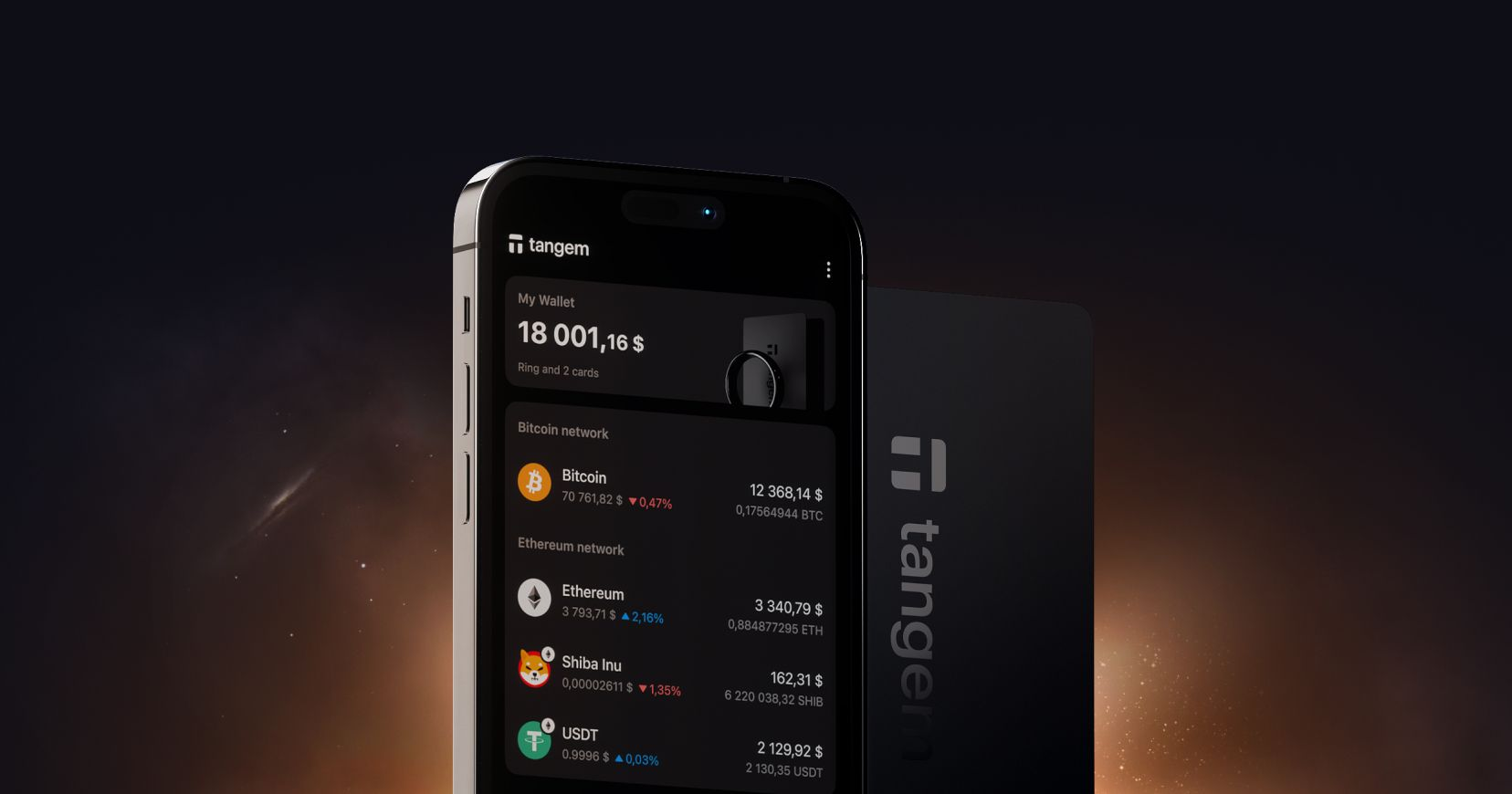
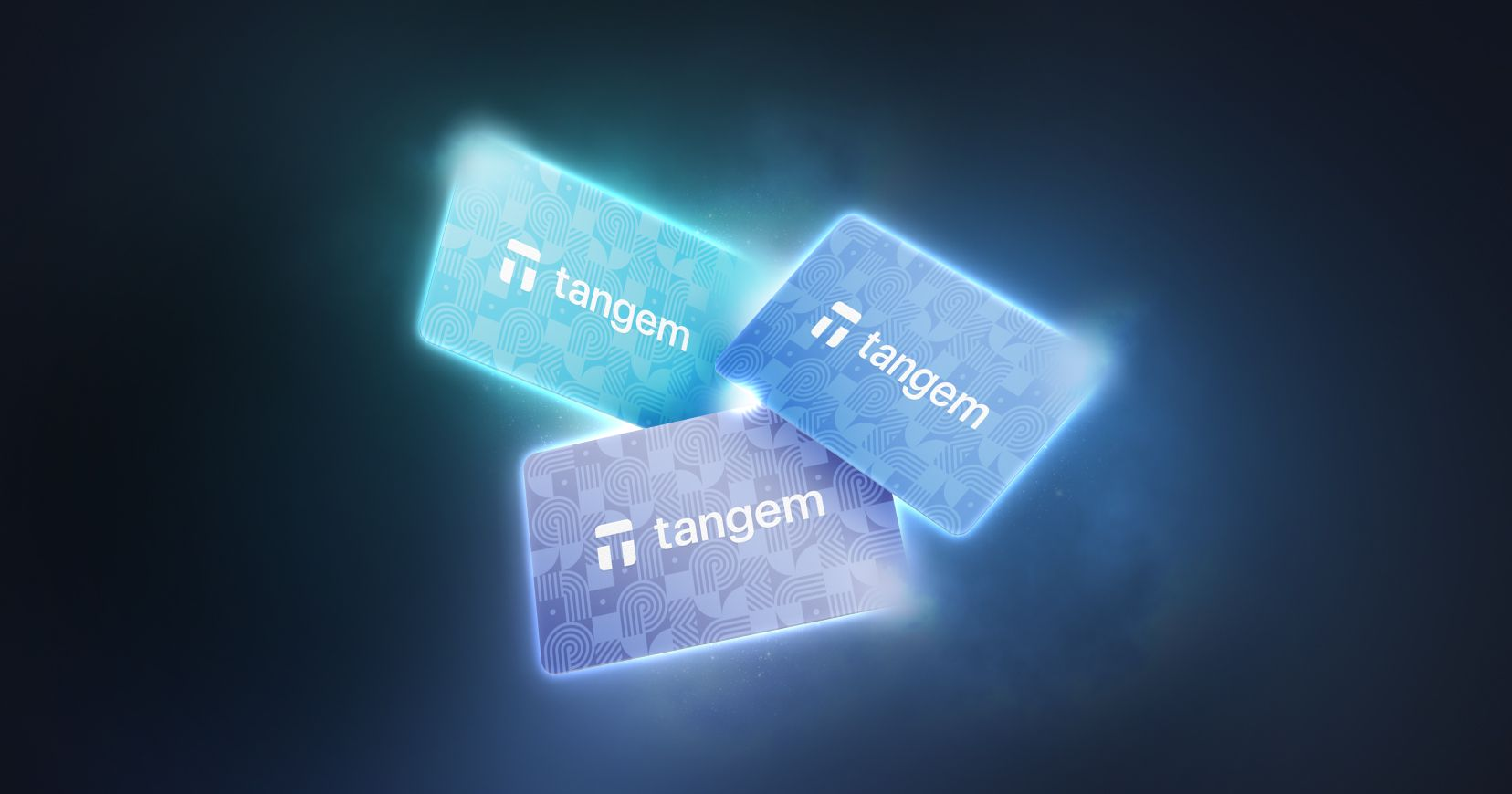
Think of Tangem as the opposite of what most people picture when they hear ‘hardware wallet.’ No screen to squint at, no USB cable to hunt for, no QR code to scan and re-scan. The wallet is on a credit card-sized card with an EAL6+ certified secure chip embedded. To sign a transaction, you tap the card against your phone.
For BNB cold storage, Tangem natively supports BNB Smart Chain, including BEP-20 tokens, and offers WalletConnect support for PancakeSwap and other BNB Chain DeFi protocols. Your private key never leaves the chip. The card doesn’t need charging, doesn’t have firmware that needs constant updates, and has never been successfully hacked across more than 3 million devices shipped.
What makes the Tangem hardware wallet especially interesting compared to most competitors is its seedless design. With most BNB hardware wallets, your 12 or 24-word recovery phrase is the real target: reveal it to a scammer, or let someone photograph it, and your funds are gone regardless of the hardware. Tangem eliminates the phrase entirely by distributing recovery across multiple cards in a set. You get hardware security without the seed vulnerability hanging over you.
Move your BNB off the exchange and into an EAL6+ chip. Explore the Tangem product page to find the right card for you.
Keystone 3 Pro: Air-Gapped Hardware for Security-First Users
The Keystone 3 Pro ($149) is a hardware wallet for users who want maximum physical isolation. It runs completely offline: no Bluetooth, no Wi-Fi, and the USB port is charge-only. All transaction signing occurs via QR codes scanned by the device, a companion app, or a compatible software wallet. Your private key never touches any connection. Three independent secure chips handle key storage, and a self-destruct mechanism wipes everything if tampered with.
For BNB Chain access, Keystone pairs with MetaMask Mobile or the Keystone Nexus app; it supports BEP-20, including swaps. The tradeoff is workflow complexity: you initiate a transaction on your phone, hold it up so Keystone can scan the unsigned QR code, confirm on your phone, then scan the signed QR code back with your phone. It works well once you’re used to it, but it’s noticeably slower than a card tap in everyday situations. Keystone is a good choice for a BNB savings position you rarely touch; Tangem is better for regular use.
Trust Wallet: The BNB Chain Mobile Wallet
Trust Wallet was built by Binance and remains one of the most widely used mobile wallets for BNB Chain assets. Its BEP-20 token support is native rather than configured, the dApp browser connects directly to PancakeSwap and Venus, and the interface is cleaner than most hot wallet alternatives. For DeFi users who move funds regularly, that fluency with the ecosystem is a real advantage.
It is a hot wallet, though. Your keys reside in software on your phone, which means a compromised device puts your BNB at risk. Trust Wallet is a reasonable choice for the portion of your holdings you’re actively trading or using in DeFi protocols, while the bulk of your BNB should stay in a hardware wallet.
MetaMask: A Common Option for BNB Chain via Custom Network
MetaMask is ETH-first, and BNB Chain requires manually adding the network to use it there. Once configured, it works fine: you can interact with PancakeSwap, hold BEP-20 tokens, and use WalletConnect across BNB Chain DeFi. Its browser extension format also means phishing attacks are a persistent risk. MetaMask’s popularity makes it a high-value target for drainer scripts specifically.
If your BNB activity is primarily DeFi on Ethereum-compatible chains and you already use MetaMask there, extending it to BNB Chain is straightforward. Just don’t use it to store significant amounts for long-term storage.
Exodus: Portfolio Management with BNB Support
Exodus supports BNB and a broad range of assets in a polished desktop and mobile interface. Its built-in swap feature and clean portfolio view make it popular with users who prefer to manage everything from one place. It’s a software wallet, however, so your keys depend on your device’s security.
How to Store BNB Safely
The general rule is that you shouldn’t leave more BNB on Binance or any other exchange than you’d be comfortable losing access to for weeks. Exchange account freezes and regulatory actions are all documented realities, not hypothetical scenarios. Moving to self-custody removes that counterparty risk.
Here’s how to think about layering your BNB security:
Keep significant BNB savings (anything above $500 or so) in a hardware wallet
Use a mobile hot wallet like Tangem Mobile Wallet or Trust Wallet only for DeFi amounts you’re actively using
Always maintain a small BNB balance for gas fees; BNB Chain transactions require BNB even if you’re only moving BEP-20 tokens
If you use Tangem’s seedless setup, store your backup cards in separate physical locations
Choosing Your BNB Wallet by Use Case
Different BNB holders have different needs. Here’s a quick breakdown:
Use Case
Recommended Wallet
Why
Long-term BNB savings
Tangem hardware wallet
EAL6+ chip, no seed phrase, zero maintenance
BNB Chain DeFi (PancakeSwap, Venus)
Tangem via WalletConnect; Trust Wallet for smaller amounts
Hardware signing for large positions; mobile speed for active trading
BEP-20 token storage
Tangem
Native BEP-20 support across 100+ chains from one card
Moving BNB off Binance
Tangem
Simplest hardware wallet to receive and secure BNB immediately
Air-gapped cold storage
Keystone 3 Pro
Maximum isolation for large savings rarely accessed
Active DeFi / everyday use
Trust Wallet or MetaMask
Fast, mobile-friendly; keep only working amounts here
Tangem Hardware Wallet vs Tangem Mobile Wallet: What’s the Difference?
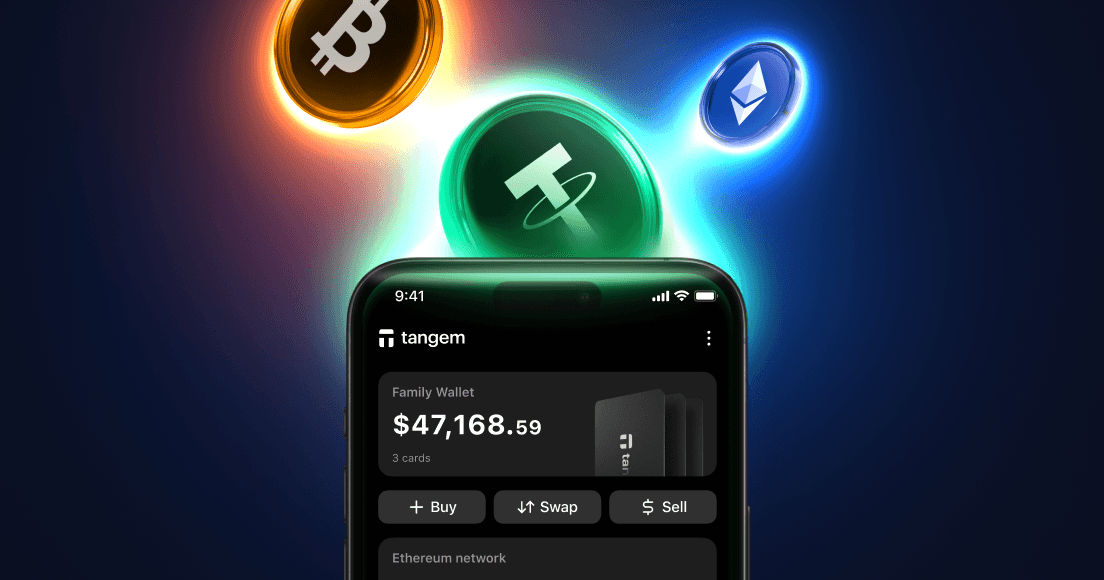
Tangem offers two distinct ways to self-custody your BNB. The Tangem Mobile wallet is a free app that encrypts your private key using your phone’s secure storage. It also gives you the full Tangem feature set: BNB Chain + 90 more chains, DeFi access via WalletConnect, staking, swaps, and more. The mobile wallet is also the starting point if you later want to upgrade to the card.
The Tangem hardware wallet is the NFC card (or ring) version, where the private key lives on a dedicated EAL6+ secure element that’s never connected to the internet and can’t be extracted remotely. You still use the Tangem app on your phone to prepare transactions; the card just signs them. For anyone storing meaningful amounts of BNB, the card raises the security ceiling considerably. You can start with Tangem Mobile and migrate to hardware later with the same app and address.
Final Thoughts
Most BNB holders are one account freeze away from realizing they don’t actually own their BNB. Moving to self-custody solves that, and in 2026, your options are better than they’ve ever been. For the majority of users, Tangem is the right answer: hardware security, no seed phrase, BNB Chain support out of the box, and a card you can tap to sign transactions in seconds. Keystone 3 Pro is worth considering if you want strict air-gap isolation for a BNB savings position that you check rarely. Trust Wallet and MetaMask serve their purpose for active DeFi trading, but they’re not where you want significant holdings to live.
FAQ
Tangem is the safest BNB wallet for most users. Its EAL6+ certified chip stores your private key offline with no seed phrase to expose, while remaining fast enough for everyday transactions via a card tap. For maximum air-gap isolation, Keystone 3 Pro is the alternative, though the QR workflow makes it slower to use.
Yes. Tangem supports BNB Smart Chain natively, including BEP-20 tokens and WalletConnect integration for protocols like PancakeSwap and Venus. You can also receive BNB directly from Binance to your Tangem address in minutes.
You can, but it requires adding BNB Chain as a custom network first. MetaMask works fine for BNB Chain DeFi once configured, though its browser extension format poses a phishing risk; it’s better suited for active DeFi use. Use a dedicated hardware device for long-term BNB cold storage.
Keeping BNB on any exchange means the exchange holds the private key on your behalf. Account freezes, regulatory actions, and platform outages can cut off your access without notice. For anything above your regular trading balance, self-custody is the practical answer.
Tangem natively supports BEP-20 alongside BNB, ETH, BTC, and 6,000+ other assets. For an active DeFi user who needs fast access to BEP-20 tokens on PancakeSwap specifically, Trust Wallet’s native BNB Chain optimization is also useful, but keep your serious holdings in hardware.
Yes. Keystone 3 Pro supports BNB and BEP-20 tokens via MetaMask Mobile and the Keystone Nexus companion app. All signing is air-gapped through QR codes, so the private key stays fully offline. It’s a strong option for users who want maximum isolation and are comfortable with the QR-based workflow.
Ask AI whether Tangem is a good fit for your needs
Research Tangem wallet with AI to learn whether our security and usability fits your unique use cases