 Auf seedless umsteigen. 30 % mit SWITCH30 bis 16. Okt.


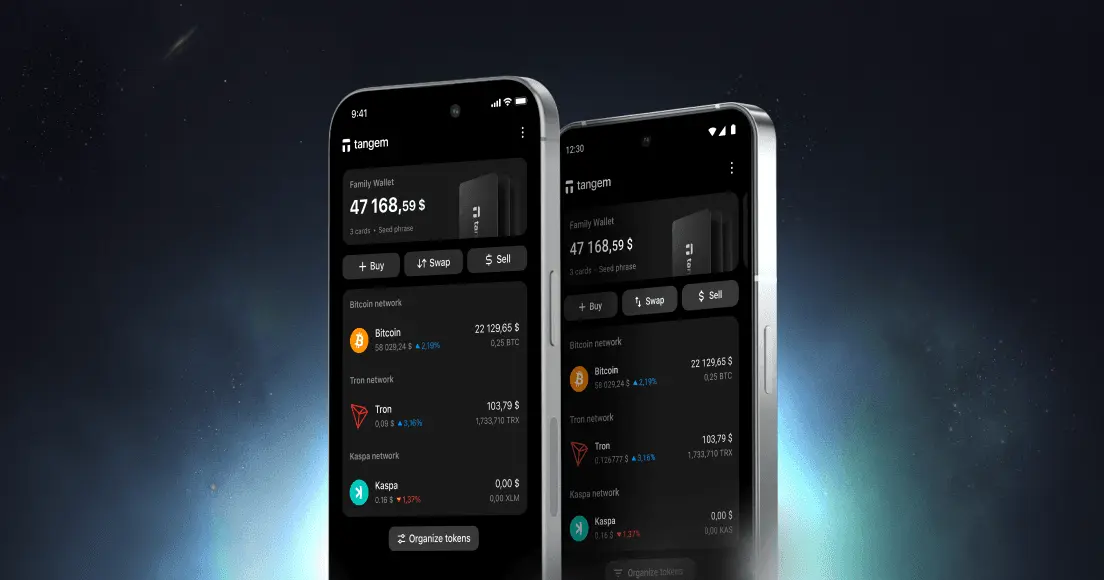
Smart Gas in Tangem Wallet: Netzwerkgebühren mit Stablecoins bezahlen
Smart Gas-Transaktionen sind jetzt in Tangem Wallet auf Ethereum, BNB Smart Chain, Polygon, Arbitrum One und Base verfügbar.
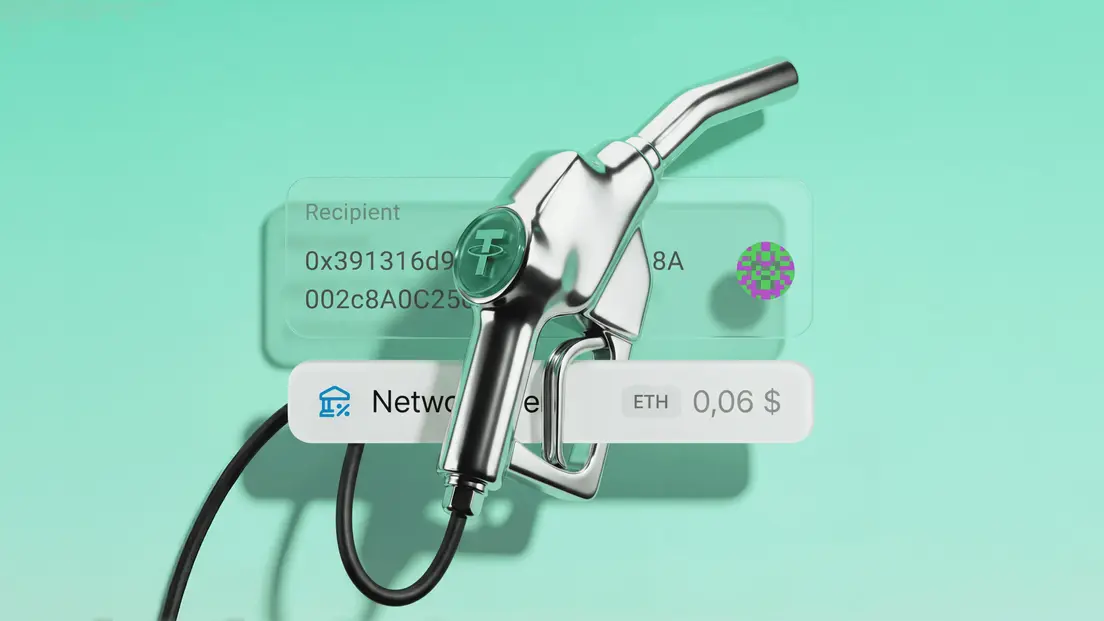
Wer von zentralen Börsen auf Self-Custody-Wallets umsteigt, stößt fast immer auf das gleiche Hindernis: Die Token werden an das neue Wallet ausgezahlt, eine Transaktion wird versucht – und plötzlich geht nichts mehr. Für jede Transaktion werden Gas-Gebühren in der nativen Netzwerk-Währung fällig: ETH auf Ethereum, BNB auf BNB Smart Chain, MATIC auf Polygon – und davon ist meist nichts im Wallet.
This isn't a minor inconvenience. The user now needs to acquire a small amount of native tokens just to move their own assets. That means finding an exchange that supports small purchases, paying withdrawal fees that may exceed the amount needed, or finding a faucet or friend who can send them enough to get started. For many users, especially those new to self-custody, this is where they give up. We’re integrating smart gas transactions to eliminate this barrier entirely. What is a smart gas payment? Smart gas payment allow users to pay network fees using popular stablecoins instead of native tokens. When you have USDC or USDT in a supported network, you can use it to cover transaction fees directly. Example: Alice withdraws 100 USDT from Coinbase to her Tangem Wallet on the Ethereum network. She wants to send 50 USDT to Bob, but she has no ETH on Tangem to pay the gas fee. With Smart gas transactions, the app detects her USDT balance and offers to pay the fee in USDT. Alice confirms and signs the transaction, and 50 USDT is sent to Bob, with ~$0.80 in USDT deducted as the network fee. She never needed to acquire ETH. Supported networks and tokens Smart gas transactions are available on major EVM networks that have implemented EIP-7702 (Pectra upgrade). We've selected fee tokens based on liquidity, predictable transfer gas costs, and widespread adoption; primarily USD-pegged stablecoins that users are most likely to hold after withdrawing from exchanges. Network Supported Fee Tokens Ethereum USDC, USDT BNB Smart Chain USDC, BSC-USD Polygon USDC, USDT0 Arbitrum One USDC, USDT0 Base USDC How does a smart gas transaction work behind the scenes This feature is enabled by EIP-7702 ("Set Code for EOA"), introduced with the Pectra upgrade in May 2025. This standard represents a significant evolution in how Ethereum accounts can function. How EIP-7702 Works Traditionally, Ethereum has two account types: Externally Owned Accounts (EOAs), controlled by private keys, and Contract Accounts, which contain executable code. EOAs are simple—they can hold assets and sign transactions—but they can't execute custom logic. Contract accounts can execute arbitrary code but require deployment and have different security properties. EIP-7702 bridges this gap. It allows an EOA to temporarily delegate to a smart contract's code by signing an authorization message. Critically, this authorization doesn't require an on-chain transaction. The user signs a message, and that signature can be included in a transaction submitted by someone else. This is what makes smart gas transactions possible: users can authorize the attachment of our contract logic to their account without paying any gas fee for that authorization itself. Tangem’s smart contract implementation We developed a custom smart contract rather than adopting existing solutions. Off-the-shelf implementations we evaluated were either more expensive for users (due to unnecessary overhead) or included functionality that expanded the attack surface without providing a benefit for our use case. Our implementation uses two contracts: Tangem7702Smart gasExecutor This is the contract delegated by the user's EOA. It handles: Signature verification


Verpasse dies nicht 

Andere Artikel

