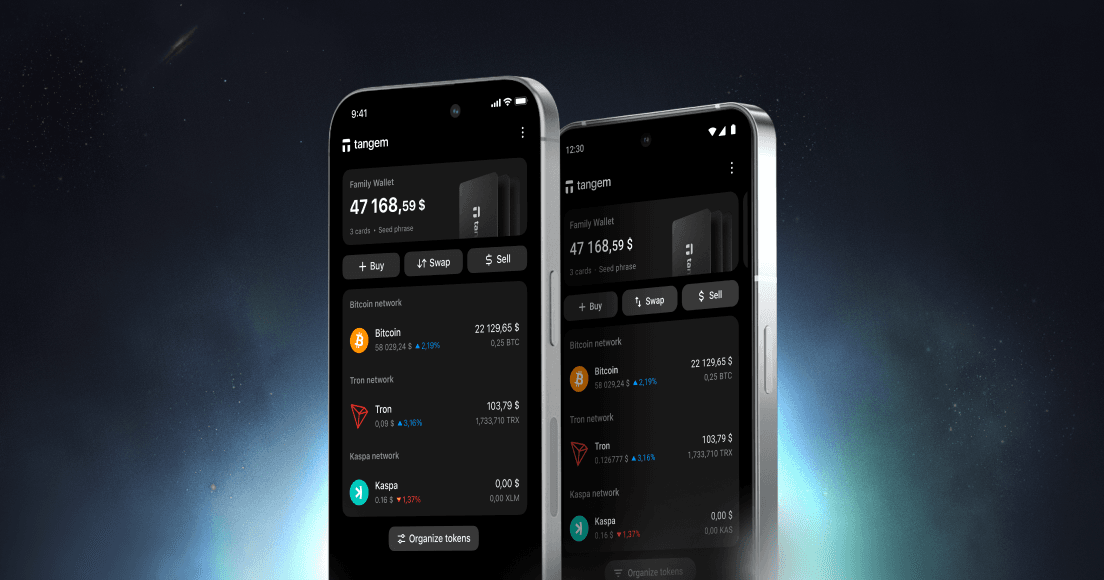
The article explains the importance of moving cryptocurrency from exchanges like Crypto.com to a cold wallet, such as Tangem, to ensure full control and security over your assets. It provides a detailed, step-by-step guide on preparing both your cold wallet and the Crypto.com app for a safe transfer, highlights common mistakes to avoid, and clarifies fees and processing times. Ultimately, self-custody is recommended for long-term holdings, while keeping some funds on exchanges may be practical for active trading.
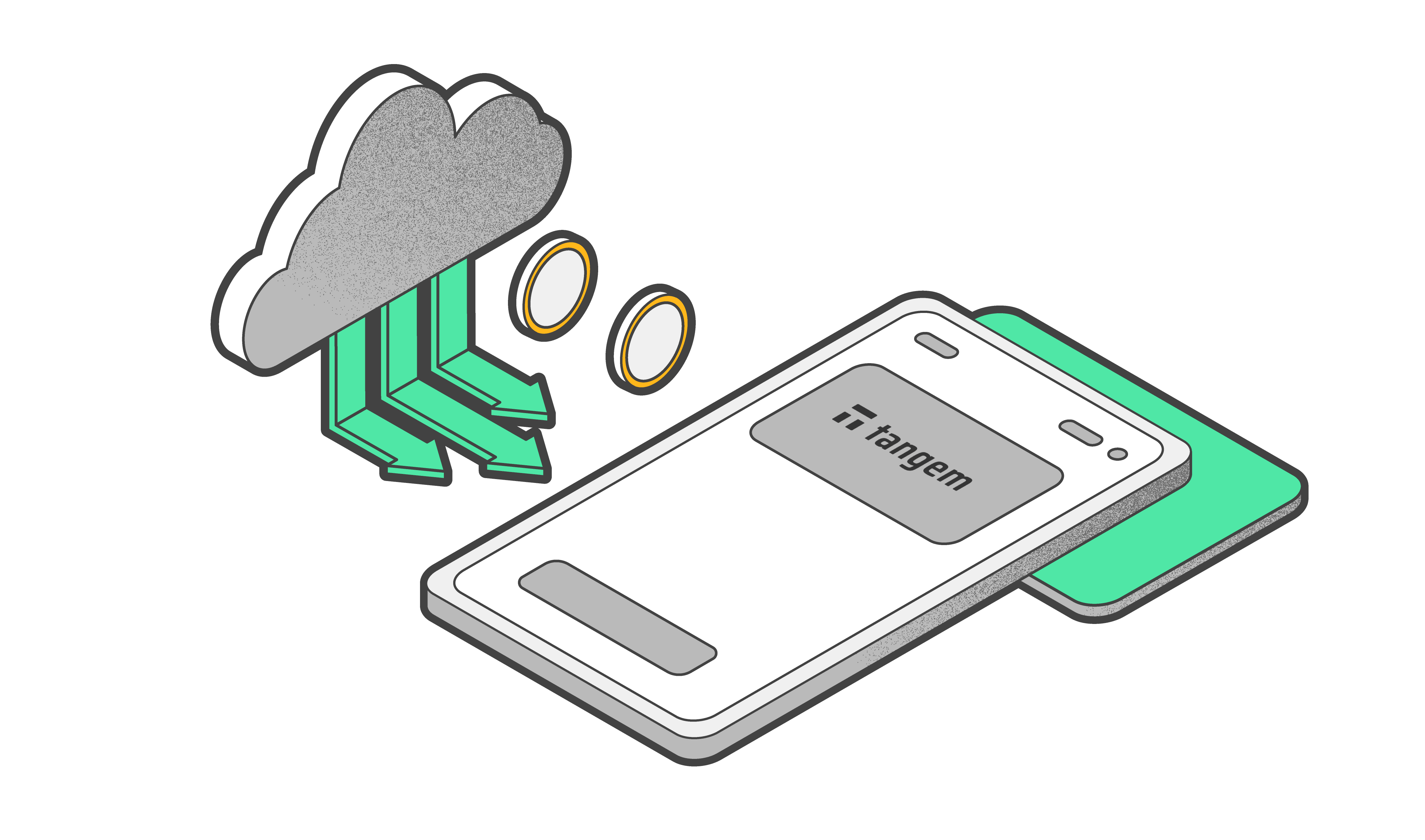
Keeping crypto on an exchange feels convenient until it isn't; exchanges get hacked. Platforms freeze withdrawals. Companies go bankrupt. When any of that happens, your assets are caught in the middle because you never actually held them; the exchange did. Moving crypto to a cold wallet puts you back in control. You have the keys, you own the coins, and no platform decision or security breach touches your funds. This guide walks you through exactly how to transfer crypto from Crypto.com to a cold wallet, step by step, using Tangem as your self-custody destination. Whether you want to move crypto to a hardware wallet for long-term storage or just understand how self-custody works before you do it, you're in the right place.
Why Transfer Crypto from Crypto.com to a Cold Wallet?
Most people sign up for a crypto exchange, buy some Bitcoin or Ethereum, and leave it sitting there. It works fine until you start understanding what that actually means for your ownership.
Exchange Custody vs Self-Custody
When your crypto sits on Crypto.com, the platform controls the private keys. Private keys are the cryptographic proof of ownership. Whoever holds the keys controls the coins. That's not a flaw in the system; it's just how blockchain works.
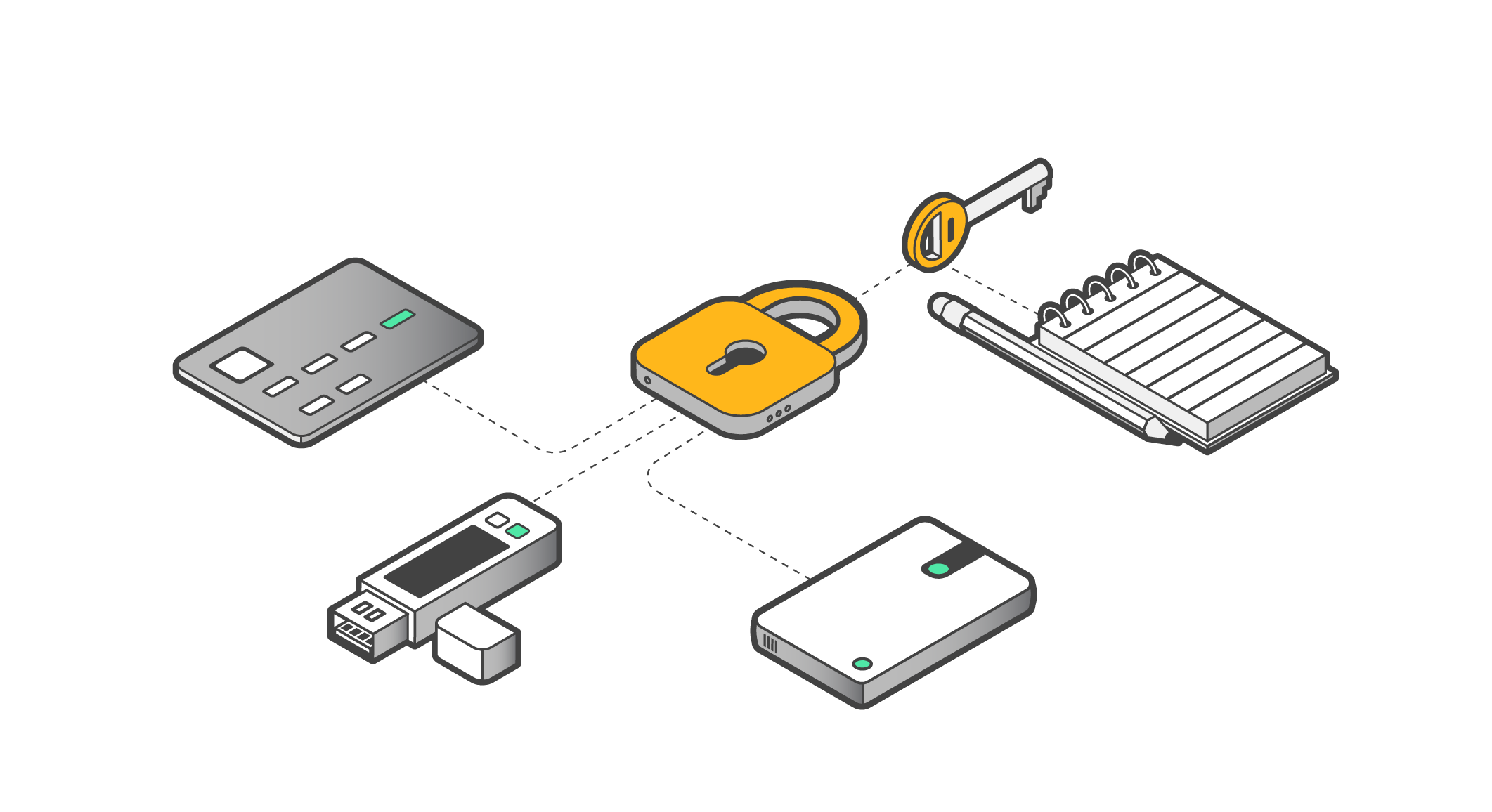
Self-custody means you hold your private keys: no middleman, no platform risk, no third-party decisions affecting your access. A cold wallet stores those keys offline, completely disconnected from the internet.
Benefits of Using a Cold Wallet
Offline protection: Your keys never connect to the internet, reducing the largest attack surface for crypto theft.
Reduced hacking risk: Attackers can compromise online exchange accounts through phishing, SIM swaps, or platform breaches. A cold wallet sitting offline is unreachable to remote attackers.
Long-term storage security: If you're holding crypto for years, a cold wallet is simply the right tool. It doesn't require an active account, ongoing fees, or trusting a company to still be operating in a decade.
Full ownership of assets: With self-custody, you don’t keep your crypto on someone else’s ledger. It's yours, verifiable on the blockchain, controlled entirely by your keys.
Before You Withdraw Crypto (Checklist)
Running through this before you start saves you from expensive mistakes.
Install and update the Tangem Wallet app on your phone from the official App Store or Google Play.
Secure your recovery backup before moving any funds; without it, losing your card means losing access to your funds.
Check that Tangem supports the coin and network before you initiate the transfer.
Enable 2FA on Crypto.com if you haven't already — withdrawals will require it.
Check the withdrawal fee for your chosen asset and network inside the Crypto.com app.
Confirm you're on the official Crypto.com platform — the URL should be crypto.com, not a lookalike.
Step 1: Set Up Your Tangem Cold Wallet
Install and Update the Tangem App
Download the Tangem app from the official App Store or Google Play. Open it, tap your Tangem card against your phone to activate it, and follow the setup prompts. Make sure the app is fully updated before you proceed.
Add the Cryptocurrency to Your Wallet
Inside the app, add the specific asset you plan to receive. For example, if you're withdrawing Bitcoin, add Bitcoin to your Tangem wallet. If you're sending USDT over the TRC-20 network, make sure Tangem is set up specifically for TRC-20.
Generate and Copy Your Wallet Address
After adding the asset, tap it to view your receiving address, which is the public wallet address you’ll paste into Crypto.com.
What is a wallet address? It's a unique public string of letters and numbers tied to your wallet. Think of it like a bank account number — you can share it freely to receive funds, but it gives no one access to your crypto. Copy it exactly, or use the QR code. One wrong character sends your funds somewhere you can't recover them from.
Step 2: Withdraw Crypto from Crypto.com to Your Cold Wallet
Here's the whole process inside the Crypto.com app:
Log in to Crypto.com using your credentials and complete any required authentication
Go to Accounts from the bottom navigation menu
Select the asset you want to withdraw (for example, Bitcoin or USDT)
Tap Withdraw on the asset screen
Choose the External Wallet Address as your withdrawal destination
Tap Add Withdrawal Address to register your Tangem wallet
Select the correct network. It must match exactly what you set up in your Tangem wallet.
Paste your Tangem wallet address into the address field — don't type it manually
Check the ownership confirmation box to confirm this is your wallet
Enter your 2FA code and any OTP sent to your email or phone
Save the address so you can reuse it without re-verifying each time
Enter the withdrawal amount — double-check minimums and that you're leaving enough to cover fees
Review all details on the confirmation screen — address, network, amount, and fee
Confirm the transaction
Warning: Always make sure the network selected on Crypto.com matches the network specified in your Tangem wallet. If you send USDT through ERC-20 but set up your Tangem address for TRC-20, the funds will not arrive, and recovery may be impossible, making this one of the most common and costly mistakes in crypto.
What Happens After You Confirm the Withdrawal?
Once you confirm, Crypto.com processes the withdrawal on its end before broadcasting it to the blockchain. You'll usually get an email confirmation within a few minutes. After you add the transaction to the blockchain, network validators or miners must confirm it. Each confirmation is a new block added on top of the one containing your transaction. Most wallets and exchanges require a set number of confirmations before they consider the funds settled.
You can track your transaction in real time using a block explorer. For Bitcoin, that's mempool.space or blockchain.com. For Ethereum and EVM networks, use etherscan.io. For Tron (TRC-20), use tronscan.org. Just paste your transaction ID or wallet address, and you'll see exactly where your funds are. Network congestion can slow things down. During busy periods, transactions can take longer to confirm because miners and validators prioritize higher-fee transactions.
How Long Does It Take to Transfer Crypto from Crypto.com?
It depends on two things: how fast Crypto.com processes the withdrawal and how fast the blockchain confirms it. Crypto.com processing time is usually between a few minutes and a few hours, though first-time withdrawals or newly added addresses sometimes trigger additional security reviews that can take longer.
Bitcoin typically confirms in 10 to 60 minutes per confirmation, though some services wait for 3 or 6 confirmations, which can push the time to an hour or more. Ethereum and EVM chains are faster, usually a few minutes per confirmation. Most transfers settle visibly within 5 to 15 minutes under normal conditions. Tron (TRC-20) is quick, with confirmations usually under a minute. Solana is speedy, often confirming in seconds.
If your transfer seems stuck, check the block explorer first. If it shows as pending on the blockchain, it's still processing. If Crypto.com hasn't broadcast it yet, it may still be in their internal queue.
What Fees Does Crypto.com Charge for Withdrawal?
Crypto.com charges withdrawal fees that vary by asset and network. You can see the exact fee before you confirm the transaction inside the app. These fees cover the network cost and, in some cases, include a platform margin.
There are two components: the exchange fee (what Crypto.com charges) and the network fee (what the blockchain charges to process the transaction). Sometimes these are bundled together, sometimes shown separately.
Tangem does not charge a fee to receive crypto. Once funds arrive in your Tangem wallet, there are no receiving fees or deposit charges on its end. The fee you pay on the Crypto.com side goes to them and to the network. That's the only cost involved in moving your crypto to self-custody.
Common Mistakes to Avoid When Withdrawing Crypto
Sending on the wrong network is the biggest one. USDT exists on dozens of networks. Sending ERC-20 tokens to a TRC-20 address (or vice versa) often results in funds that are difficult or impossible to recover. Always double-check the network on both ends before confirming.
Mistyping or partially copying a wallet address. Always copy-paste. Never type an address manually. After pasting, verify the first and last few characters against the original.
Ignoring memo or tag requirements. Some assets, such as XRP and XLM, require a destination tag or memo in addition to the wallet address. If you send funds without it, you risk losing them. Tangem doesn't typically require a memo for incoming transactions, but always verify for the specific asset.
Skipping a test transaction. If you're moving a significant amount for the first time, send a small amount first. Confirm it arrives. Then send the rest.
Falling for phishing websites. Make sure you're logging into the real Crypto.com. Bookmark the official URL and use it every time. Phishing sites can look identical and steal your credentials during the withdrawal process.
Not checking the whitelist lock period. Crypto.com has a security feature that temporarily locks withdrawals to newly added wallet addresses. If you just added your Tangem address, you may need to wait 24 hours for the withdrawal to go through. Plan accordingly.
Is It Safe to Transfer Crypto from Crypto.com to a Cold Wallet?
Yes, when done correctly, it's one of the safest things you can do with your crypto. The transfer itself travels over the blockchain, just like every crypto transaction. Once it arrives in your cold wallet, your assets are stored offline. There's no server to hack, no platform to go bankrupt, and no account to phish.
The risk isn't in the process itself; it's in human error. Wrong networks, incorrect addresses, and phishing attacks during the process are where things go wrong. Follow the checklist, use a test transaction, and verify everything twice. Done carefully, moving crypto to self-custody dramatically reduces your exposure to the kinds of risks that have wiped out exchange customers in the past.
Should You Transfer All Your Crypto to a Cold Wallet?
Not necessarily. The correct answer depends on what you're doing with your crypto. Long-term holdings are the obvious candidate for cold storage. If you're buying Bitcoin to hold for five years, there's no reason for it to sit on an exchange. Move it to self-custody, store it properly, and leave it alone.
Active trading funds are different. If you're regularly buying and selling, keeping those funds on an exchange makes practical sense. Moving crypto on and off a cold wallet for frequent trades adds friction and transaction costs.
A reasonable approach for most people is to keep a working balance on the exchange for any activity and move the rest to self-custody once it reaches a threshold you're comfortable with. No rule says it has to be all or nothing. Cold storage is about protecting what you can't afford to lose, not inconveniencing yourself with funds you actively use.
FAQs About Withdrawing from Crypto.com to a Cold Wallet
Can I cancel a Crypto.com withdrawal?
Sometimes, but it depends on the timing. If the withdrawal is still pending within Crypto.com's system and hasn’t been broadcast to the blockchain yet, you may be able to cancel it from the transaction history screen. Once you record it on the blockchain, it can't be reversed.
What happens if I send crypto to the wrong network?
The outcome depends on the networks involved. In some cases, you can recover funds if you control both the sending and receiving wallets and the receiving wallet supports the network. In many cases, funds become permanently inaccessible, making it essential to verify the network on both ends before confirming the transaction.
Do I need a memo when withdrawing from Crypto.com?
It depends on the asset. XRP, XLM, EOS, and a few others require a destination tag or memo. If the receiving wallet requires it, include it. Otherwise, the platform may not credit the funds. Check the Tangem app and the asset's requirements before withdrawing.
Why is my withdrawal pending?
A pending status usually means Crypto.com is still processing it internally, or it's waiting for blockchain confirmation. Newly added wallet addresses trigger a security review period. Check your email for any required verification steps, then use a block explorer to see whether the network has broadcast the transaction.
Can I withdraw directly to a hardware wallet?
Yes. Any wallet that gives you a public receiving address can accept withdrawals from Crypto.com. Just paste the correct address and select the correct network.
Does Tangem charge a fee to receive crypto?
No. Tangem does not charge any fee to receive crypto into your wallet. The only fees you pay are on the Crypto.com side, covering their withdrawal fee and the network transaction fee. Once funds arrive in Tangem, there's no cost to hold them there.
Limited-Time Offer
20% OFF + up to $20 in BTC 🛍️
Selected Wallets
Ends March 16
 + Up to $20 in BTC till Apr 6