A hot wallet is a type of cryptocurrency wallet that remains connected to the internet, enabling users to easily store, send, and receive digital assets for daily transactions and quick access. While hot wallets offer convenience and speed, they are more vulnerable to cyber risks compared to cold wallets, making them best suited for small balances and active use rather than long-term or large-scale storage. Users can enhance security by following best practices, but for greater protection of significant assets, offline (cold) storage is recommended.
A hot wallet is a cryptocurrency wallet that stays connected to the internet and lets you store, send, and receive digital assets instantly. It holds the private keys needed to authorize transactions and provides direct access to blockchain networks through an online connection. People use hot wallets because they make everyday crypto transactions fast and simple, whether for payments, trading, or interacting with apps. The tradeoff is that constant online access increases exposure to cyber risks. Hot wallets are best for active use and smaller amounts, rather than for long-term storage.
How does a hot wallet work?
A hot wallet maintains an active internet connection to communicate with blockchain networks. When you open the wallet application, it connects to the relevant blockchain and displays your balance based on your public address. The wallet stores your private keys either locally on your device or within the application environment. These private keys prove ownership of your crypto and allow you to approve transactions.
When you send cryptocurrency, the wallet creates a transaction request. It uses your private key to digitally sign the transaction. This signature confirms your authorization for the transfer. The wallet then broadcasts the signed transaction to the blockchain network through the internet. Once the network validates it, the transaction becomes part of the blockchain. In simple terms, a hot wallet acts as a bridge between you and the blockchain. It keeps your keys accessible and connected so you can move funds whenever you need to.
Types of hot wallets
Hot wallets come in several forms. Each type connects to the internet but differs in how and where you access it.
1. Mobile wallets
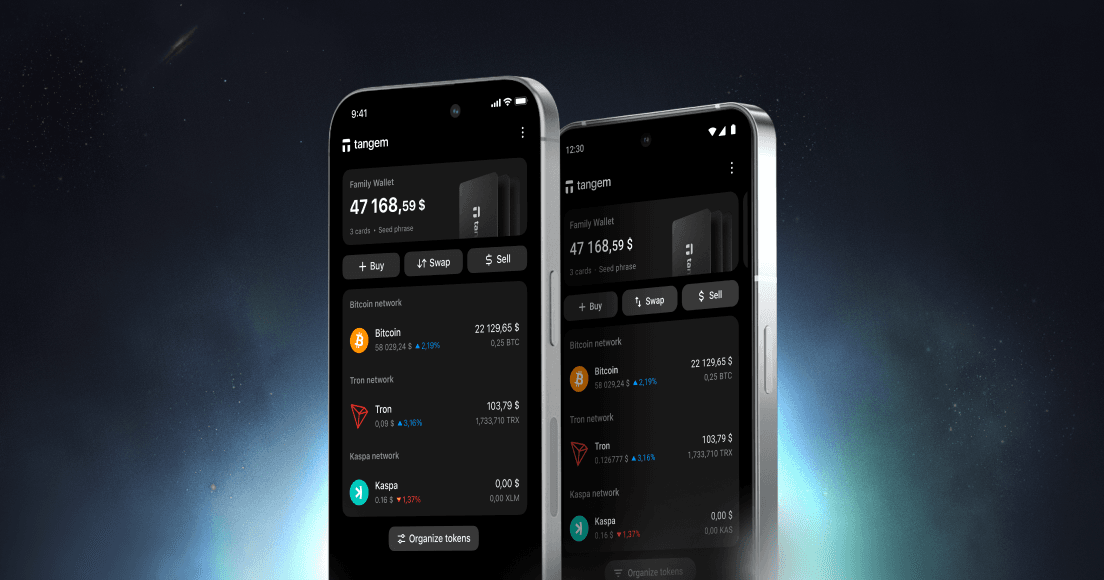
Mobile hot wallets run as applications on iOS or Android devices. You download them from an app store and manage your crypto directly from your smartphone.
People often use mobile wallets for:
Paying with crypto in stores
Sending funds quickly
Managing small balances
Accessing decentralized applications on the go
Mobile wallets focus on convenience. Because smartphones stay connected to the internet, these wallets enable fast transactions anytime, anywhere.
2. Desktop wallets
Desktop hot wallets operate as software installed on a computer. They run on systems such as Windows, macOS, or Linux. These wallets usually store private keys locally on the computer. When you initiate a transaction, the software signs it using the stored keys and sends it to the blockchain through your internet connection.
Users often choose desktop wallets when they prefer managing crypto from a personal computer rather than a phone. They can offer greater control over files and backups, but they still depend on the device's security and its internet connection.
3. Web-based wallets
Web-based hot wallets run inside a browser. You access them by logging into a website or using a browser extension. Because they operate online, you can access them from multiple devices as long as you have your login credentials or recovery information. This flexibility makes them popular for quick access. However, since they rely heavily on internet connectivity and browser security, users must remain cautious about phishing websites and malicious links.
Examples of Hot Wallets
Hot wallets exist in different categories. The following examples illustrate common types without ranking or recommendation.
Mobile wallets: Mobile apps that store private keys on your smartphone and connect directly to blockchain networks.
Browser wallets: Wallets that run as browser extensions or web applications. They allow users to interact with decentralized applications and blockchain platforms directly from their browser.
Exchange wallets: Wallets provided by cryptocurrency exchanges. When you keep crypto on an exchange, the platform holds and manages the private keys on your behalf. These are custodial wallets because the exchange controls access to your funds. You rely on the exchange’s security practices rather than managing the keys yourself.
Each of these wallets remains connected to the internet, making them hot wallets by definition.
Pros of using a hot wallet
Convenience: Hot wallets provide immediate access to your funds. You can check balances and send transactions within seconds.
Fast transactions: Because the wallet stays online, it can create and broadcast transactions quickly. This speed supports active trading, payments, and transfers.
Easy accessibility: You can access hot wallets from mobile phones, laptops, or browsers. This flexibility suits users who regularly interact with crypto.
Disadvantages of Hot Wallets
Online exposure: Constant internet connectivity increases the attack surface. Hackers often target online systems.
Phishing risks: Scammers may trick users into entering wallet credentials or recovery phrases on fake websites.
Malware threats: Infected devices can capture keystrokes, copy clipboard data, or attempt to access wallet files.
Dependence on device security: The safety of a hot wallet depends heavily on the security of the device you use.
Hot Wallet vs Cold Wallet
The main difference between a hot wallet and a cold wallet lies in internet connectivity and security level.
Feature
Hot Wallet
Cold Wallet
Internet connection
Yes
No
Security level
Medium
High
Convenience
High
Medium
Best for
Daily use
Long-term storage
Hot wallets focus on accessibility and speed. Cold wallets focus on keeping private keys offline to reduce exposure to online threats.
When should you use a Hot Wallet?
Hot wallets work well in situations that require frequent access and quick transactions.
You might use a hot wallet for:
Daily transactions: If you regularly send or receive crypto, a hot wallet provides the speed and convenience you need.
DeFi interactions: Decentralized finance platforms often require direct wallet connections. A hot wallet allows you to interact with lending protocols, decentralized exchanges, and staking services in real time.
NFTs: Many NFT marketplaces connect directly to browser or mobile wallets. A hot wallet makes buying, selling, and transferring NFTs straightforward.
Small crypto balances: Some users treat hot wallets like a digital spending account. They store only the amount they plan to use in the near term.
When is a hot wallet NOT recommended?
While hot wallets offer convenience, they do not suit every purpose.
Avoid using a hot wallet for:
Long-term storage: If you plan to hold crypto for months or years without moving it, offline storage reduces risk.
Large balances: Storing significant amounts in an always-online wallet increases potential exposure.
“Store and forget” use cases: If you do not need regular access, you gain little benefit from keeping funds connected to the internet.
In these scenarios, many users prefer cold storage solutions that keep private keys offline.
Are hot wallets safe?
Hot wallets offer moderate security, but they do not eliminate risk. Their safety depends on several factors.
First, the design of the wallet software matters. Developers must implement strong encryption, secure key storage, and reliable update processes. Second, device security is crucial. A wallet on a compromised phone or computer becomes vulnerable. Outdated software, weak passwords, and unsecured Wi-Fi networks can increase risk.
Third, user behavior makes a significant difference. Many successful attacks rely on phishing, social engineering, or careless handling of recovery phrases. A hot wallet can be safe for everyday use when users follow good security habits and limit the amount stored. However, it does not provide the same level of isolation as a cold wallet.
How to use a hot wallet safely
You can reduce risks by applying simple security practices.
Use strong passwords: Create long, unique passwords for wallet apps and related accounts. Avoid reusing passwords across platforms.
Enable two-factor authentication (2FA): If the wallet or related services support 2FA, activate it to add an extra layer of protection beyond a password.
Keep software updated: Install updates for your wallet app, operating system, and browser. Updates often fix security vulnerabilities.
Stay alert to phishing attempts: Always verify website addresses before entering credentials. Do not click suspicious links in emails or messages. Never share your recovery phrase.
Separate funds: Consider using both a hot wallet and a cold wallet. Keep a smaller amount in the hot wallet for daily use and store larger balances offline.
These steps do not remove all risk, but they significantly improve your security posture.
FAQs: Hot Wallets
What is a hot wallet in crypto?
A hot wallet in crypto is a digital wallet that stays connected to the internet and allows users to store, send, and receive cryptocurrencies in real time. It holds the private keys needed to authorize transactions and provides direct access to blockchain networks.
Is a hot wallet safe?
A hot wallet offers moderate security when users follow best practices such as strong passwords, two-factor authentication, and device protection. However, because it remains online, it faces higher exposure to cyber threats than offline storage solutions.
What is the difference between a hot wallet and a cold wallet?
A hot wallet connects to the internet and prioritizes convenience and fast access. A cold wallet keeps private keys offline and focuses on long-term security. Hot wallets are for daily transactions, while cold wallets are for long-term storage.
Are exchange wallets hot wallets?
Yes, exchange wallets qualify as hot wallets because they remain connected to the internet. Most exchange wallets are custodial, meaning the exchange controls the user's private keys.
Can you store Bitcoin in a hot wallet?
Yes, you can store Bitcoin in a hot wallet. Many hot wallets support Bitcoin and allow you to send and receive it easily. Users often store smaller amounts for regular transactions while keeping larger holdings in cold storage.
Understanding what a hot wallet is helps you choose the proper storage method for your needs. If you value quick access and frequent interaction, a hot wallet can serve you well. If you prioritize maximum security for long-term holdings, combine it with offline storage.