Securing your crypto starts with picking the right cold wallet. In 2026, Tangem and Trezor stand out as two of the most popular choices, but they offer very different approaches to security and usability. If you’re new to crypto and want a simple setup, or you’re an experienced holder who prefers traditional methods, knowing their differences will help you choose the wallet that fits your needs best.
Overview: two different approaches to security
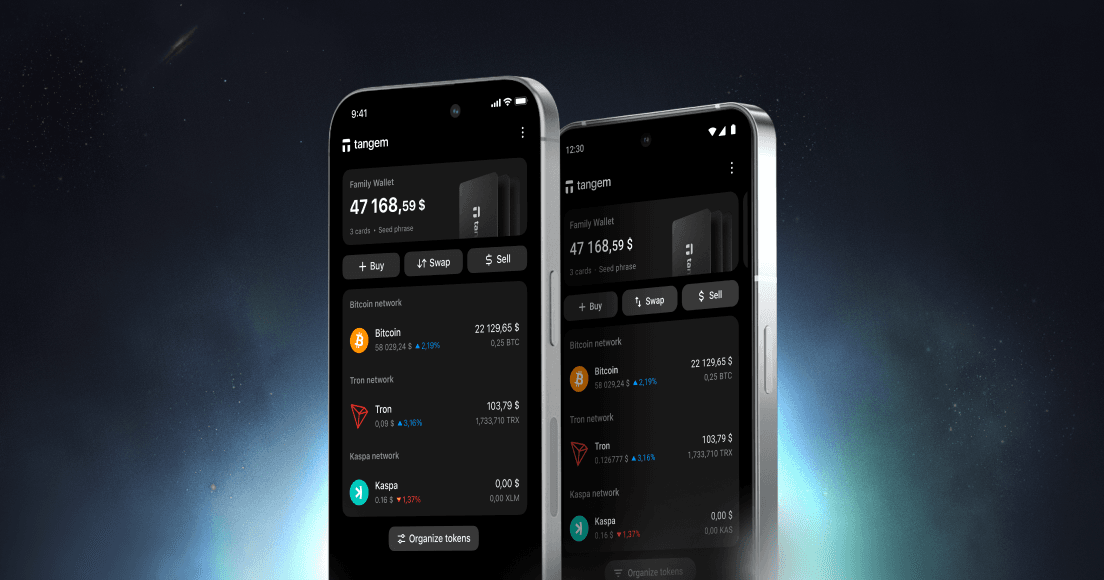
Tangem is a seedless hardware wallet that uses NFC tap-and-go cards. It focuses on simplicity, mobility, and complete offline protection.
Trezor wallets come with a built-in screen, a seed phrase backup, and compatibility with its mobile and desktop apps.
Tangem vs Trezor – Key Features Compared
Feature
Tangem
Trezor
Security
NFC-based seedless, EAL6+ secure chip
USB and bluetooth-based, seed phrase backup
Recovery
Multi-card chip-to-chip backup (no seed phrase)
12/24-word seed phrase required
Interface
Tap card to smartphone (iOS/Android)
USB/Bluetooth 5.0 with the mobile and desktop apps
Open-source
Open-source app + audited firmware
Open-source firmware and software
Coin Support
16,000+ coins & tokens across 85+ blockchains
9,000+ coins & tokens, wide compatibility
Backup & recovery
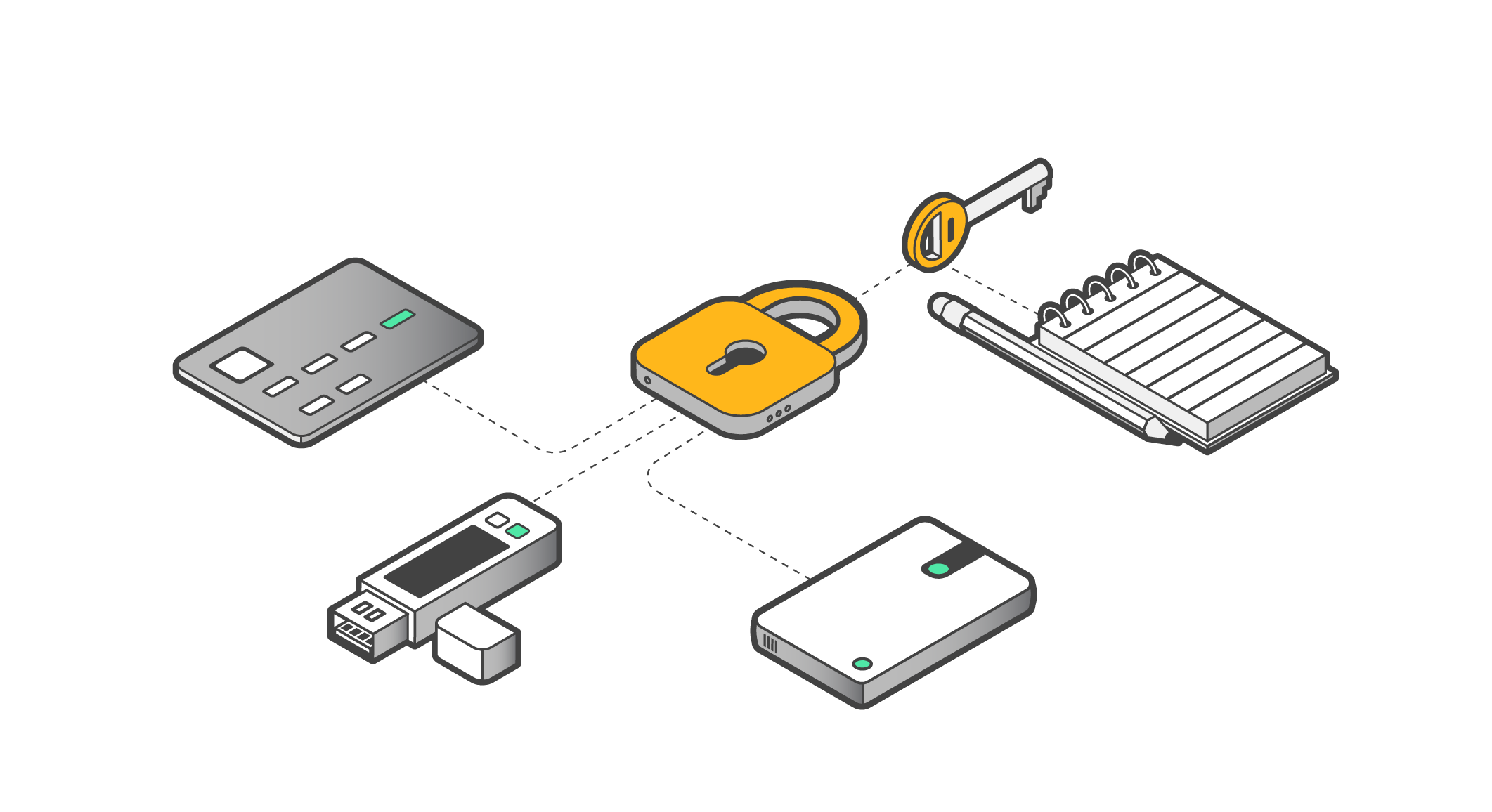
Tangem Wallet Tangem replaces the traditional seed phrase with backup cards created during setup. Each card works as a secure copy of the wallet, allowing you to restore funds if one is lost. This seedless hardware wallet design removes the risks of writing down or exposing a recovery phrase.
Pros:
No seed phrases to manage or accidentally expose
Beginner-friendly recovery with simple backup cards
Extra cards provide redundancy for added safety.
Cons:
No cons.
Trezor Trezor relies on the standard 12- or 24-word recovery seed, which users must write down and protect. It also supports Shamir backup, which lets you split the seed into multiple parts for stronger security.
Pros:
Time-tested and widely trusted recovery method
Shamir backup reduces the risks of single-point failures.
Seed compatibility across wallets adds flexibility.
Cons:
Recovery phrases remain vulnerable to loss, theft, or phishing
Non-technical users can find Shamir backups complicated.
Physical damage can still affect paper backups.
Security comparison
Tangem stays fully air-gapped with no physical connectors, reducing potential attack surfaces. As a seedless hardware wallet, it eliminates exposure to recovery phrases and keeps storage entirely offline. Trezor connects via USB and relies on a computer for operation, creating more possible attack entry points.
Usability & setup
Tangem Wallet pairs instantly with a smartphone through NFC. The process takes just minutes and feels seamless for beginners.
Trezor can be set up via its mobile app, desktop, or browser, giving users more options, but it can be time-consuming for first-time users.
Price & value
Tangem offers a lower entry cost while providing secure cold storage and a straightforward user experience.
Trezor Model T – carries a higher price tag but includes premium features such as a touchscreen and wide third-party integrations.
Ideal user profiles
Tangem works best for mobile-first users, frequent travelers, or those looking to gift an easy-to-use wallet. Trezor suits more tech-savvy holders and power users who value advanced features and broad software compatibility.
FAQ about Tangem vs Trezor
Is Tangem more secure than Trezor?
Both wallets are secure, but in different ways. Tangem functions as a seedless hardware wallet, removing the risks tied to recovery phrases. Trezor relies on the traditional seed phrase method, which is proven but also vulnerable if mishandled.
Does Trezor support more coins?
Yes. Trezor supports over 9,000 assets, while Tangem currently handles more than 6,000. Both cover all major blockchains.
Can I use both without a computer?
Yes. Both Trezor and Tangem work directly with smartphones, so you never need a computer.
Which one is better for beginners?
Tangem offers the simplest experience with quick setup, mobile pairing, and no seed phrases to manage, making it more beginner-friendly. Trezor suits users who don’t mind a learning curve and prefer traditional methods.
Final Thoughts – Which Wallet Should You Get?
Tangem and Trezor deliver reliable cold storage, but their approaches differ. Trezor has earned a long-standing reputation and offers broad integrations, yet it still relies on seed phrases, a pain point that many users struggle with.
Tangem, on the other hand, represents the next generation of cold storage. As a seedless hardware wallet, it removes the risks of recovery phrases, pairs instantly with your smartphone, and stays fully offline for maximum security. Its card-based design makes it portable, durable, and beginner-friendly, offering strong protection for experienced holders.
Limited-Time Offer
20% OFF + up to $20 in BTC 🛍️
Selected Wallets
Ends March 16
 + Up to $20 in BTC till Apr 6