 Переходьте на seedless. Знижка 30% з SWITCH30 до 21 жовт.


USDC vs. Cash: What's the Difference?
Ця стаття доступна такими мовами:
The Short Answer
USDC is a stablecoin issued by Circle, pegged 1:1 to the US dollar. One USDC is worth one dollar, and the reserves backing that peg consist of US Treasury bills held in a dedicated BlackRock-managed fund and cash deposits in regulated US banks, with monthly attestations verified by Deloitte. But price parity is not the same as being cash. Physical cash can be handed directly to a merchant, while bank-held money is spent with a bank card. USDC is a digital token on a blockchain. Spending it at a regular store requires a conversion step, and owning it outright depends entirely on who holds the private keys to your wallet.
If you need an immediate offline payment, use cash. Choose self-custodied USDC for digital portability when you can manage your keys and conversion.
Comparison Table: USDC vs. Cash
| Axis | Physical Cash | Bank-Held Cash | USDC (Self-Custody) |
|---|---|---|---|
| Value stability | Fixed face value | Fixed face value | Pegged 1:1 to USD; brief deviations possible (traded at $0.87 briefly in March 2023) |
| Direct merchant acceptance | Universal | Via bank card | Not directly; requires a card that converts USDC to USD at checkout |
| Who controls it | You (physically) | Your bank | You, via private keys in your wallet |
| How do you access it | No device needed | Bank card or app | Crypto wallet app + internet connection |
| Cross-border portability | Subject to customs limits and physical risk | Wire fees and delays | Sendable internationally; the recipient converts to local currency on an exchange |
| Transfer cost | Free (hand to hand) | Bank fees vary | Depends on network: USDC on Solana costs roughly $0.001 per transfer |
Ownership: Who Actually Controls It
Here's where the distinction matters most. When you hold physical cash, ownership is simple: possession. A bank account gives you a claim on the balance while the bank is its legal custodian. It can freeze your account, limit withdrawals, or fail. For a $100 USDC balance in self-custody, only the person with the private keys can move it. Lose those keys, and no recovery process exists.
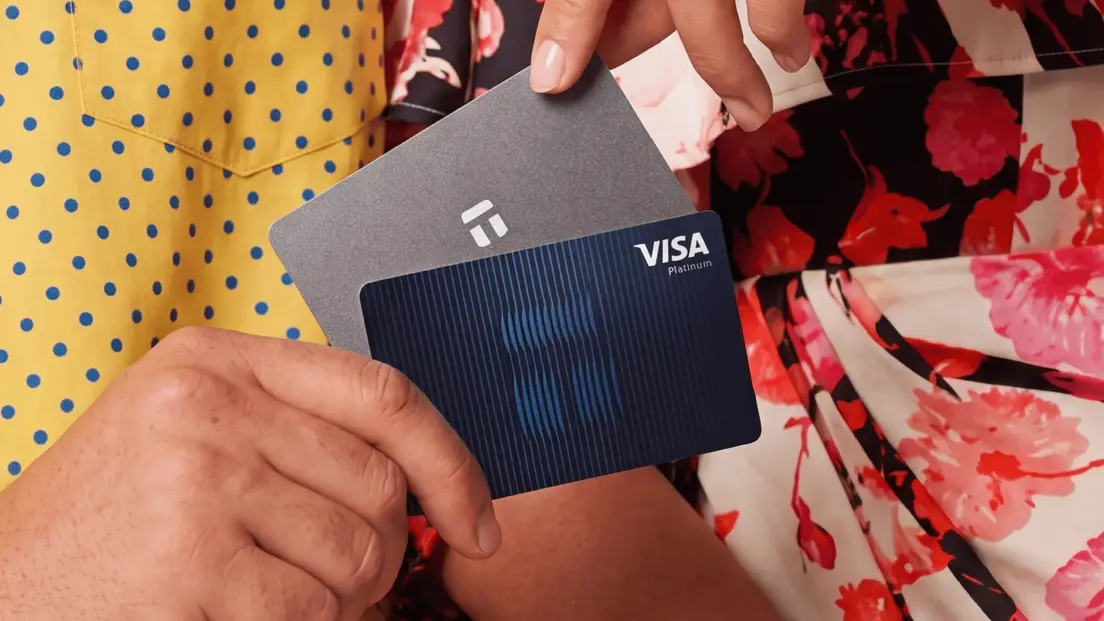
Self-custody means you hold the private keys directly. The wallet signs transactions locally and broadcasts them to the blockchain. No third party can freeze, seize, or lose access to your funds on your behalf. With a Tangem Cold Wallet, the private key is generated inside a Samsung S3D350A secure-element chip certified to Common Criteria EAL6+ and never leaves the card. The key never touches an internet-connected device during any transaction. That's a materially different ownership structure from that of a bank account, and a different risk profile from that of a custodial crypto exchange. The trade-off is real. Losing all your backup cards without a seed phrase enabled means your funds are permanently unrecoverable. No bank to call. No recovery process. Self-custody gives you full control, and full responsibility.
Spending USDC Like Cash: What It Takes
Most merchants don't accept stablecoins directly. That's the practical gap between "USDC equals one dollar" and "USDC spends like one dollar."
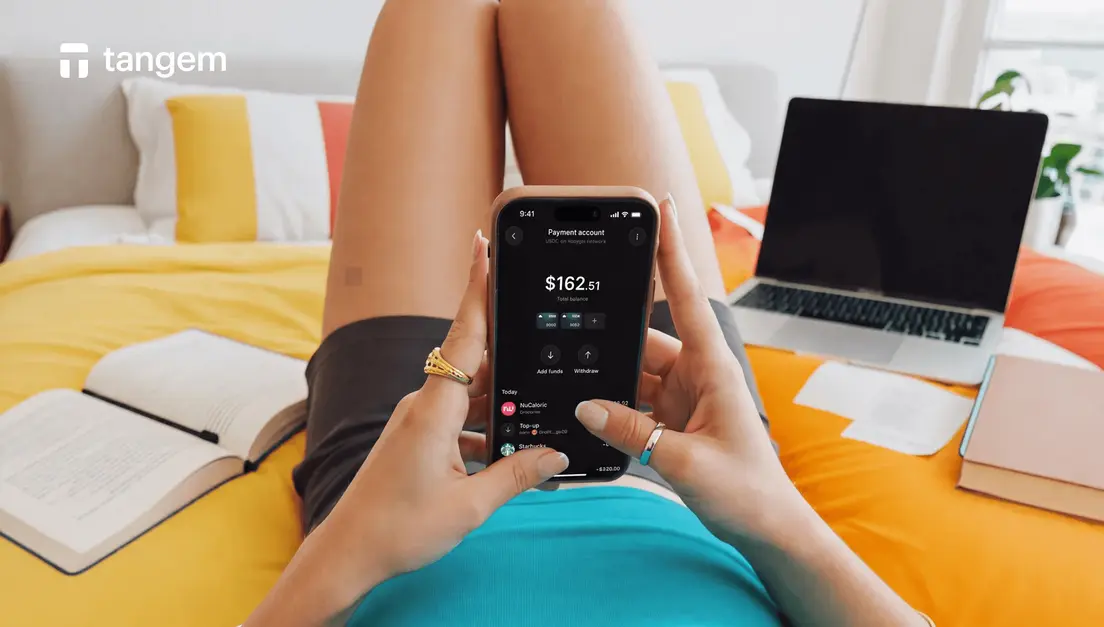
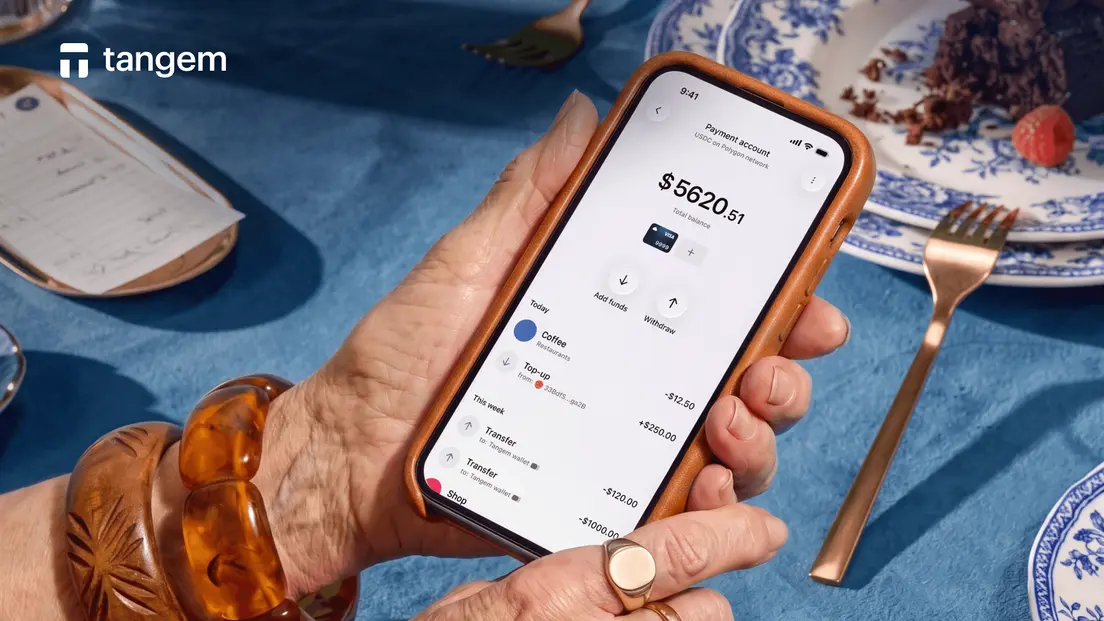
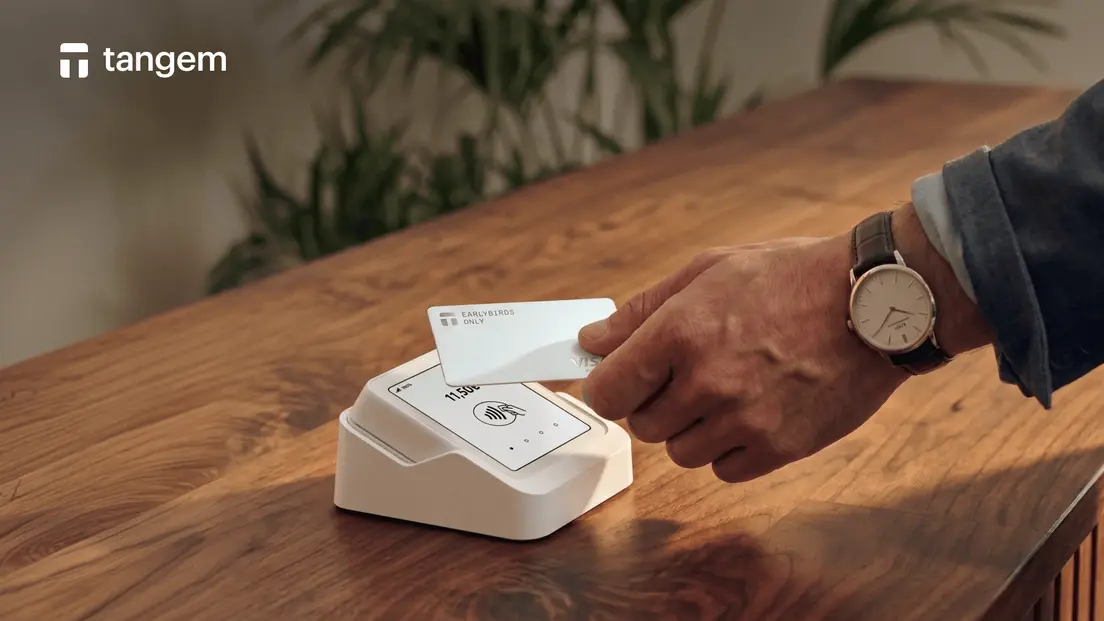
The bridge is a USDC-funded payment card. Tangem Pay, embedded in the Tangem Wallet app, is a non-custodial payment account funded with USDC on the Polygon network. You send native USDC on Polygon to your Tangem Pay account, then spend via a virtual Visa card. For each purchase, Tangem Pay converts USDC 1:1 to USD and routes the payment through the Visa network. The merchant receives USD, not USDC.
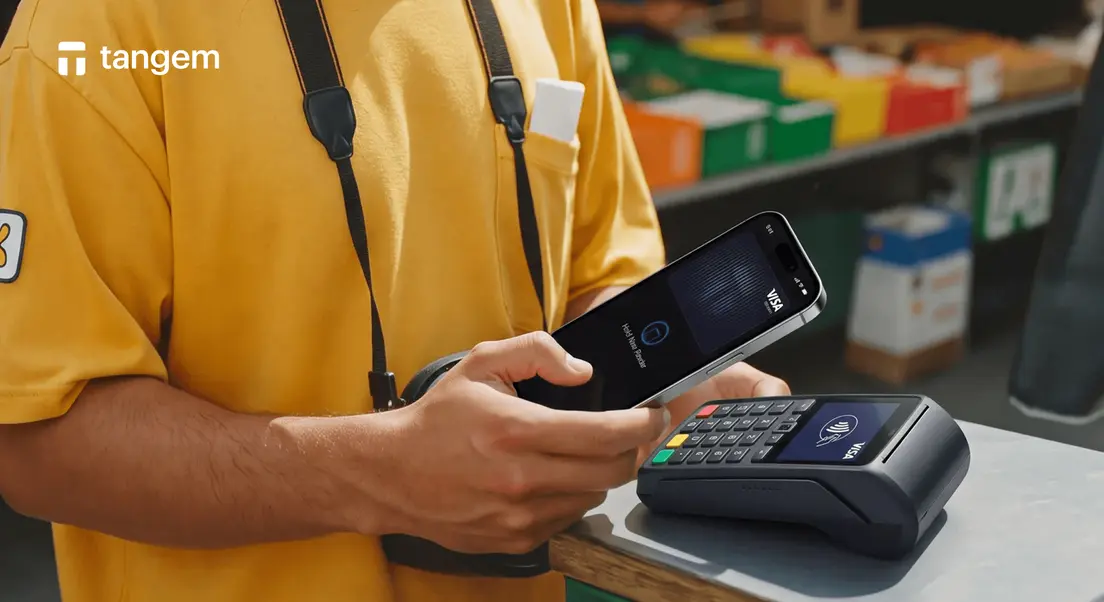
At checkout, Tangem Pay converts USDC 1:1 to USD. Added to Apple Pay or Google Pay, it works for contactless payments like a regular card. A few practical notes. Tangem Pay requires a Tangem hardware wallet, the Tangem app, a supported region, and one-time KYC through Sumsub using government ID and face verification. Tangem lists no transaction, monthly account, or virtual card issuance fees. A Polygon network fee applies when topping up, and standard Visa foreign-exchange rates apply to non-USD purchases.
Freezing the Tangem Pay card disconnects it from the Visa network but does not affect the on-chain USDC balance. Your USDC stays in a smart contract you control.
When Cash Still Wins
Honest answer: Physical cash has one capability that USDC can't match.
It works with zero infrastructure. No device. No internet connection. No card reader. No funded wallet. You hand someone a bill, and the transaction is complete. That's it. USDC access and spending require internet connectivity and a compatible crypto wallet, because USDC operates on blockchain networks via internet-connected wallet software. If your phone is dead, your data is out, or the Visa network is down, your USDC balance is inaccessible in that moment.
Cash also carries no counterparty risk at the moment of exchange. USDC's peg held through most of its history, but the March 2023 episode, when Circle disclosed $3.3 billion of reserves at Silicon Valley Bank and USDC briefly traded at $0.87, showed that even a well-reserved stablecoin can wobble. The peg was restored within days after US government intervention, but the risk is real. For small, local, offline transactions, cash remains the simpler tool.
Поширені запитання
-
No. USDC tracks the dollar's value 1:1, but it's a digital token held in a crypto wallet, not physical or bank-held legal tender. It needs to be converted, usually via a card, before most merchants can accept it.
-
With a USDC-funded card, yes. Tangem Pay, for example, converts USDC 1:1 to USD at checkout and routes the payment through the Visa network. The merchant receives USD.
-
They carry different risks. Physical cash can be lost or stolen with no option for recovery. Self-custody USDC depends on secure private-key backups and also carries peg risk. Neither is unconditionally safer.
-
If your wallet uses a two- or three-card set, another backup card can still access the same wallet. Keep those cards in separate places. Losing every card without a seed phrase leaves no way to recover.
-
Yes. Using a Tangem wallet does not require KYC. Tangem Pay is separate: it is a payment account that requires one-time KYC through Sumsub using a government ID and face verification.


Не пропустіть 

Інші статті

