Переходьте на seedless. Знижка 30% з SWITCH30 до 21 жовт.
Buy a Hardware Wallet: Amazon, eBay and AliExpress
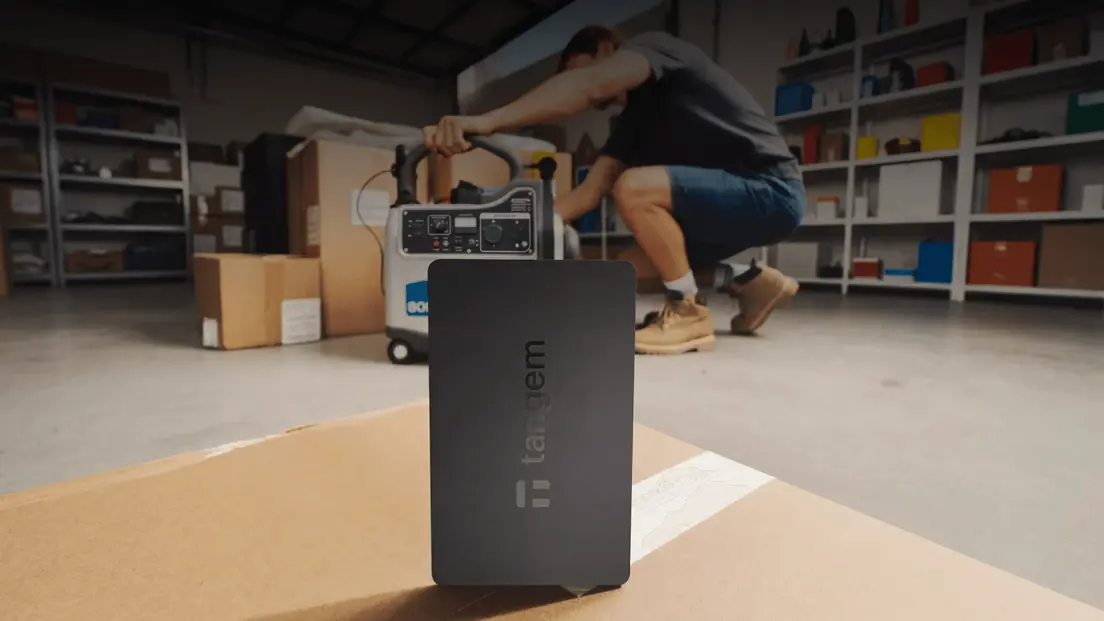
A hardware wallet is a physical device that generates and stores your cryptocurrency private keys offline. It signs transactions internally before the signed result is sent back to the companion app for broadcast. Your keys never travel to an internet-connected environment.
That design is why hardware wallets are worth buying. The question this article answers is where to buy one safely.
What the Seller or Channel Does and Does Not Guarantee
Buying from Amazon, eBay, or AliExpress is not the same as buying from the manufacturer. That distinction matters.
A marketplace's reputation covers its platform: dispute resolution, payment handling, and buyer-protection policies. It says nothing about whether an individual seller is manufacturer-authorized, whether the device you receive is genuine, or whether the fulfillment chain preserved device integrity from factory to your door.
"Fulfilled by" a marketplace identifies who handled logistics. It does not identify the seller of record, confirm manufacturer authorization, guarantee warranty eligibility, or prove a device is untampered. Seller identity, authorization, fulfillment, and device integrity are four separate questions. A listing that answers one does not answer the others.
Here's what that means in practice: a seller can operate inside a well-known marketplace, ship through its warehouses, and still be unauthorized, selling returned stock, or listing a device that has already been handled. The platform's rating system measures buyer satisfaction, not cryptographic authenticity.
The vault's beginner guidance puts it plainly: buy directly from the manufacturer or an authorized reseller. Authorized resellers are listed on the manufacturer's own website, not inferred from a marketplace listing.
Tangem lists Tangem.com and its Amazon e-shop as sales channels. Its current documentation does not name eBay or AliExpress as authorized.
Main Risks and Realistic Warning Signs
The core risk with a marketplace purchase is not the platform. It's the device. A hardware wallet purchased from an unauthorized or unverified source can arrive with modified firmware, preconfigured keys, or a recovery phrase already known to an attacker. If you fund that wallet, the attacker can drain it. The platform's buyer-protection policy covers refunds. It does not cover lost crypto, because blockchain transactions are final once confirmed.
Here are the warning signs that should stop you before you initialize or fund anything:
Packaging: Resealed or re-glued seams, mismatched printing, scratched security labels, missing accessories, or serial-number irregularities all suggest the device has been opened and potentially replaced.
Device state on startup: A legitimate hardware wallet arrives without private keys. If the device is already initialized, displays existing accounts, or shows a wallet balance, stop immediately.
Supplied recovery phrase: A seed phrase, also called a recovery phrase or mnemonic, is a 12- or 24-word backup that can regenerate the associated keys. Anyone who has it controls the funds. If a recovery phrase is written on paper inside the box, printed on a card, or included in any form, the device is compromised. Legitimate setup generates the phrase on the device itself, not in the box.
Suspicious setup prompts: If setup asks you to enter words provided by the seller, or directs you to a website or app not from the manufacturer, treat it as phishing. Fake wallet apps, fraudulent support accounts, and spoofed websites are documented phishing vectors. Verify website addresses before entering anything.
- Unclear provenance: Used, open-box, and unknown-seller listings carry the highest risk. A device returned to a marketplace and resold may have been tampered with between the original buyer and you.
How to Verify Before Funding the Wallet
Verification happens in order. Don't skip steps and don't fund the wallet until every step passes.
1. Confirm the seller. Check the manufacturer's official website for an authorized-reseller list before you buy. If the seller is not on that list, buy from a channel that is.
2. Inspect packaging on arrival. Before opening, photograph the box from all angles. Look for tamper-evident seals, check seams, and compare the packaging to photos on the manufacturer's official product page. Any anomaly is a reason to pause.
3. Check the device state. Power on or tap the device before connecting it to any app. A device arriving in a genuine, untampered state should have no pre-set PIN, no existing wallet, and no prior activation.
4. Download the companion app from the official source only. Go to the manufacturer's official website or the approved app store listing. Do not use a link from the seller, the box insert, or a third-party site.
5. Run the manufacturer's authenticity check. Most hardware wallet companion apps include a device-verification step. Complete it before initialization. For Tangem, the app can verify whether a card was manufactured by Tangem and carries authentic firmware, including when purchased through a marketplace.
6. Follow the manufacturer's setup guidance exactly. A conventional setup initializes the device, generates a recovery phrase where the model uses one, and sets a PIN or access code. Do not deviate from the official flow.
Stop condition: If any step produces an unresolved anomaly: packaging damage, a pre-existing wallet, a failed authenticity check, or a prompt to enter a supplied phrase; do not initialize the device with funds. Disconnect it and contact the manufacturer through an official channel before proceeding.
What to Do If Something Is Wrong
Pause before you do anything else.
If something looks wrong, the worst outcome is funding a wallet you then have to recover from. Because blockchain transactions are final, self-custody does not provide a password reset, a support-team recovery process, or a dispute mechanism once private-key material is compromised.
Preserve your evidence. Save the order confirmation, receipt, payment record, product listing, photos of the packaging, serial numbers, and any seller messages. Do this before contacting anyone, because marketplace dispute windows close.
Contact the manufacturer through an official channel. Tangem's official support channels include the in-app support request and support@tangem.com. Describe the issue with your evidence. Do not share a recovery phrase with anyone during this process, including during a support interaction.
Open a marketplace dispute if appropriate. Most platforms have a buyer-protection window. Use it in parallel with the manufacturer contact, not instead of it.
- Return or replace the device. If authenticity cannot be established, stop using the device, retain it and its packaging, and obtain written return instructions with tracking before sending it back. Do not fund it while the dispute is open.
How Tangem's Design Reduces Specific Attack Vectors
Tangem's card design removes several of the attack surfaces that marketplace risks exploit. Understanding which ones helps you calibrate what it actually protects against.
The card has no screen, no battery, no USB port, and no Bluetooth radio. It communicates only by NFC at a stated range of 0-5 cm, which requires physical proximity. There is no remote-signing path for an attacker who doesn't have the card in hand.
The secure element is a Samsung S3D350A chip certified at Common Criteria EAL6+. Private keys are generated entirely inside that chip by an on-chip True Random Number Generator and never leave it. The chip and NFC antenna are sealed into a monolithic card construction that is not physically modifiable. Tangem states the secure element includes sensors for laser, temperature, light, and power tampering.
Firmware is factory-installed and cannot be user-updated. This removes the firmware-replacement attack vector entirely.
The Tangem app checks whether a card was activated before receipt and warns if it was. Tangem advises resetting the card and generating new keys if this occurs. The app can also detect counterfeit cards, and Tangem's authenticity documentation states that cards arrive without private keys.
Tangem's seedless setup generates the private key on-chip with no seed phrase to store or expose. Users can instead enable a 12- or 24-word BIP39 phrase, but the seedless path removes the recovery-phrase exposure risk that a tampered device exploits.
Risks that remain regardless of design: phishing via fake apps or spoofed sites, malicious transaction approvals, user error, and physical loss or theft. If all cards in a seedless setup are lost and no seed phrase was enabled, the funds are permanently inaccessible. That design reduces supply-chain attack vectors; it does not remove the responsibility to verify the purchase source and follow official setup guidance.
Поширені запитання
-
It can carry additional seller and fulfillment risks. Marketplace availability alone does not prove authenticity. Verify the seller against the manufacturer's authorized-reseller list, inspect packaging on arrival, run the manufacturer's authenticity check through the official app, and confirm the device has no prior activation before transferring any funds.
-
Check the source, packaging condition, setup flow, firmware or app prompts, and whether the device asks you to use a pre-existing recovery phrase. Never enter a phrase supplied with the device. Download the companion app only from the manufacturer's official website or approved app store, then complete the manufacturer's device-verification step before initialization.
-
Do not initialize the device with valuable funds or enter an existing seed phrase. Document the issue with photographs and order records, contact the manufacturer through an official channel, and return or replace the device if authenticity cannot be established. Keep the device and its packaging until a resolution is confirmed.
-
Treat that seed phrase as compromised. Generate a new seed on a trusted, verified device and transfer your funds to the new wallet immediately. Do not send additional funds to the old wallet.
-
No. A seller's rating reflects buyer satisfaction, not manufacturer authorization or device integrity. A well-rated seller can still be unauthorized, selling returned or open-box stock, or listing devices that have passed through unverified hands. Always verify authorization through the manufacturer's own records.