Переходьте на seedless. Знижка 30% з SWITCH30 до 21 жовт.
Buy a Cold Wallet Online: How to Stay Safe
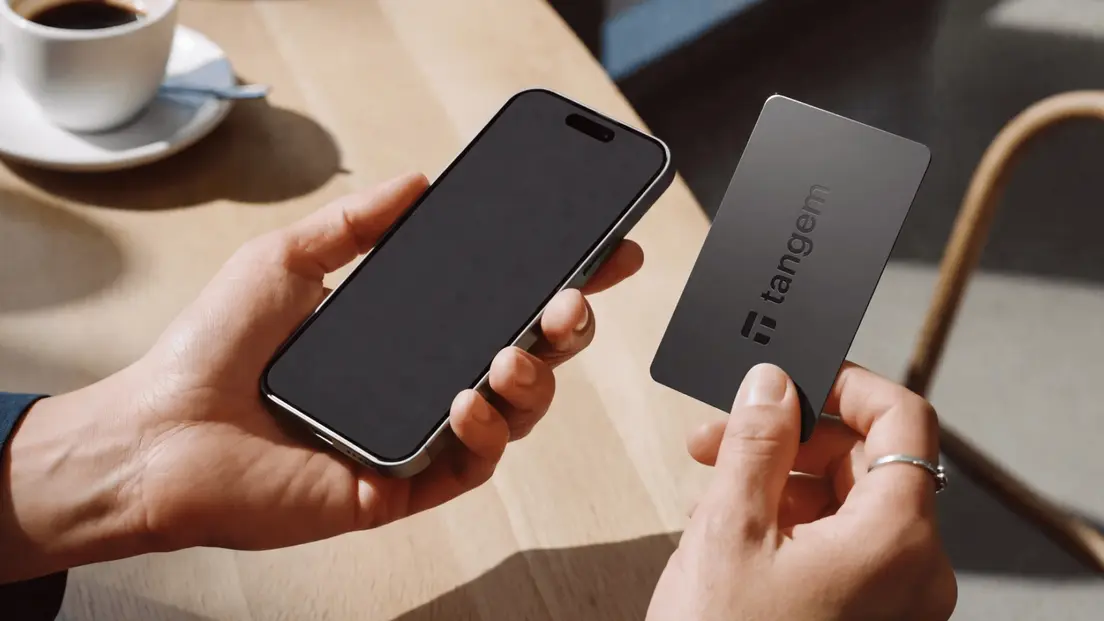
A cold wallet keeps your crypto private keys completely offline, away from any internet-connected device. The principle is simple: what can't be reached online can't be drained online. But buying one online introduces a different category of risk that most guides skip entirely.
The device itself can be safe by design. The purchase channel is a separate question. Here's what you need to know before you transfer a single dollar of crypto to a newly purchased hardware wallet.
What the Seller or Channel Does and Does Not Guarantee
Buying from a well-known marketplace gives you purchase protection, a return window, and a shipping record. That's worth something. But none of it tells you whether the device inside the box is genuine, unmodified, or in its original factory state.
Here's why those are different things. A marketplace listing verifies that a seller exists and that a transaction occurred. It does not verify that the seller is authorized by the manufacturer, that the device was never opened and resealed, or that the firmware hasn't been replaced. Fulfillment and delivery records identify who handled the shipment and when. They don't establish uninterrupted custody from factory to your door.
Manufacturer authorization is the standard that matters for hardware wallets. Official sales channels for a given wallet are typically the manufacturer's own website, their official storefront on major marketplaces, and a named list of authorized resellers or distributors. Buying outside those channels doesn't guarantee a fake, but it removes the manufacturer's ability to vouch for the device.
Tamper-evident packaging provides limited evidence. A sealed box reduces the chance of casual interference. It does not guarantee that every physical modification was detected, and it says nothing about what happened before the packaging was sealed.
The practical takeaway: treat the purchase channel as a starting condition, not a final answer. A reputable seller narrows the risk. It doesn't eliminate it.
Main Risks and Realistic Warning Signs
Cold storage keeps private keys offline, which reduces exposure to online attacks. The owner still carries responsibility for physical security and for what happens during setup.
The most common risks when buying a cold wallet online fall into a few categories.
Counterfeit or swapped devices. Unknown marketplace sellers, unusually low prices, unclear seller identity, and listings that describe a device as "factory-initialized" or "ready to use" are all warning signs. A legitimate hardware wallet arrives uninitialized and prompts you to create a new wallet on first use.
Supplied recovery phrases. A seed phrase is a 12- or 24-word backup of a wallet's private key. Anyone who has it controls the funds. If a device arrives with a recovery phrase already written on a card inside the box, that phrase is not private. Someone else wrote it. Using it means giving that person access to everything you put in the wallet.
Pre-initialization. A device that already shows an existing wallet, balance, or account when you first open the app has been set up before. Stop there.
Suspicious setup prompts. If setup asks you to enter a recovery phrase through a website, QR code, email, letter, or unexpected app screen, that's not a legitimate setup flow. A genuine first-run process generates a new wallet on the device itself. It does not ask you to confirm words someone else supplied.
- Unclear provenance. If you can't identify the actual seller, confirm their authorization status, or match the device against the manufacturer's official materials, that uncertainty is itself a warning sign worth acting on.
Storing a seed phrase digitally can also expose it to hacking. Loss, damage, or a single non-redundant backup can permanently remove access to funds. These are ongoing risks that start at setup, not just at purchase.
How to Verify Before Funding the Wallet
A hardware wallet generates and stores private keys offline, signs transactions internally, and returns only the signed transaction for broadcast. That architecture is only as trustworthy as the device you're actually holding.
Here's a practical verification sequence before you move any funds:
- Confirm the source. Buy from the manufacturer's official website or a reseller the manufacturer explicitly lists. Retain your order records and invoice.
- Inspect packaging on arrival. Check that the box and contents match the manufacturer's official materials. Look at card count, production month, and any listed terms. Report discrepancies to manufacturer support before proceeding.
- Install the official app. Download the companion app from the manufacturer's website or the official app store listing the manufacturer names. Do not use a link from the box, a QR code inside the packaging, or a third-party source.
- Run the authenticity check. Most manufacturers build a cryptographic verification step into the setup flow. Complete it. If it fails or produces a warning, stop.
- Initialize the wallet yourself. A new device should prompt you to create a new wallet during first setup. You generate the recovery phrase (if the device uses one), not the manufacturer, not the seller. If the device already has an existing wallet or asks you to enter a phrase supplied with it, stop.
- Apply the stop condition. If any step differs from the official instructions, if any verification fails, or if anything about the setup prompts feels off, do not transfer funds. Contact official support first.
Security characteristics worth assessing in any hardware wallet include the secure element type, whether keys are non-extractable, whether firmware has been independently audited, and what the backup and recovery model looks like.
A phrase supplied during setup cannot be treated as private. Possession of the seed phrase gives its holder control of the funds. That's the line.
What to Do If Something Is Wrong
Stop. Don't initialize the device with valuable funds, and don't enter an existing seed phrase into a device you're uncertain about.
Then preserve everything: the device, the box, any seals, shipping materials, your invoice, order details, serial number, screenshots, and photographs. Don't dismantle or alter anything. These records support both a manufacturer report and a return claim.
Contact the manufacturer through a verified official channel, not a link from the package or a result from a general web search. Report suspected counterfeits with identifying details and clear images or video.
Request return instructions from the seller through their stated policy. If the wallet was already initialized or a recovery phrase was exposed, create a new wallet on a trusted device with a newly generated phrase and move your assets there before doing anything else.
In self-custody, there's no provider recovery process. Lost keys or seed phrases have no fallback. That's the core responsibility of owning your own keys, and it applies from the moment you set up the device.
How Tangem's Design Reduces Specific Attack Vectors
Tangem is a self-custodial hardware wallet that addresses several of the risks above through specific design choices.
The wallet uses a Samsung S3D350A secure element certified to Common Criteria EAL6+. Private keys are generated on-chip, stay in tamper-resistant memory, and cryptographic signing happens on-chip. The private key never touches the internet-connected phone. Tangem uses NFC rather than USB, battery power, or Bluetooth; the card draws power from the phone's NFC field and communicates over an AES-256 encrypted channel with a 0 to 5 cm range, so signing requires the card to be physically present.
Factory-installed firmware cannot be updated after production. Tangem describes this as eliminating remote-exploit vectors that rely on malicious firmware updates. It also means there's no firmware-update prompt in the setup flow for a bad actor to spoof.
Tangem's app performs a cryptographic authenticity check on each card before operation. This is the control that addresses counterfeit devices at the verification step.
Seedless setup generates private keys on-chip without requiring or storing a seed phrase. That removes the recovery-phrase exposure path entirely for users who choose it. Users may instead create or import a 12- or 24-word BIP39 phrase; choosing that option reintroduces the seed-phrase risk. Tangem reports independent security audits by Kudelski Security in 2018 and Riscure in 2023.
Here's the honest limitation: if every backup card is lost and no seed phrase is enabled, the funds are permanently inaccessible. Tangem cannot recover them. The wallet is also mobile-only; there's no desktop or web interface. These are real trade-offs, not footnotes.
Tangem recommends purchasing from Tangem.com, the official Tangem Amazon storefront, or authorized resellers. The same pre-funding verification steps apply regardless of where you buy.
FAQs about Buying a Cold Wallet Online
Поширені запитання
-
It can carry additional seller and fulfillment risks. Marketplace availability alone does not prove authenticity or manufacturer authorization. Verify the actual seller, inspect the packaging, run the manufacturer's official authenticity check, and follow the official setup flow before transferring funds. A return window is useful protection, but it's not a substitute for verification.
-
Treat a wallet with an unknown setup history as unsuitable for funding. A new device should prompt you to create a new wallet on first use. If it already shows a wallet, balance, or account, stop and use the seller's return process.
-
Do not initialize the device with valuable funds, and do not enter an existing seed phrase. Photograph or video the device, packaging, and any included materials. Contact the manufacturer through an official verified channel and report the issue. Return or replace the device if authenticity cannot be established. Never reveal recovery material to any support contact.
-
A cold wallet stores private keys offline, on a physical device that has no persistent internet connection. A hot wallet is internet-connected and has greater exposure to phishing, malware, and other online threats. Cold storage reduces online attack vectors, but the owner remains responsible for physical security and backups.
-
If every backup card is lost and no seed phrase was enabled during setup, the funds are permanently inaccessible. No provider, including Tangem, can recover them. This is why Tangem recommends using a 2- or 3-card set, storing backup cards in separate locations, and periodically verifying them.